
Most strategies for games die the moment you switch genres. The build order that wins ranked matches in Age of Empires IV does nothing for your Civilization VII campaign. The deck that carried your last Slay the Spire run won’t save a collapsing land war. So players grind out fresh tips for every new game and wonder why improvement always feels like starting over.
It doesn’t have to. Underneath the genre differences, a handful of skills decide most matches: information, economy, tempo, and the math of a good trade. Build those four habits and you get better at every major strategy subgenre at once. Here’s how, with examples from games you’re probably already playing.
Why Most Strategies for Games Don’t Transfer
A tip is a solution to one problem in one game. Open with two scouts. Hit Feudal Age at 6:30. Remove a Strike at the first shop. All useful, right up until a patch deletes the timing or you boot up something else entirely.
A model is the reason the tip worked. “Spend early resources on information” survives every patch and every genre. When Civilization VII shipped its age-transition system and upended a decade of Civ habits, the players who adjusted fastest weren’t the ones with memorized openings. They were the ones who understood why their old openings existed in the first place.
That’s the shift this guide asks you to make. Stop collecting answers. Start collecting the questions you ask in every match: what do I know, what compounds, who’s setting the pace, and what is this piece actually worth. Game strategy at that level reads the same whether the turns are simultaneous, real-time, or drawn from a deck. It’s also the lens behind our rankings, which weigh how much these decisions matter in each game.
Scout Like It’s Your Job
Every strategy game is an information game wearing a costume. Fog of war, hidden hands, unrevealed tech trees. The player who knows more makes better decisions with the exact same pieces.
Watch what a strong Age of Empires IV player does in the first two minutes. The scout never stops moving. It finds the enemy gold, counts villagers, and reads the opening before the opponent has committed to it. A mid-ladder player parks the scout the moment it finds the sheep. The difference isn’t reaction speed. One player treats information as a resource. The other treats it as a luxury.
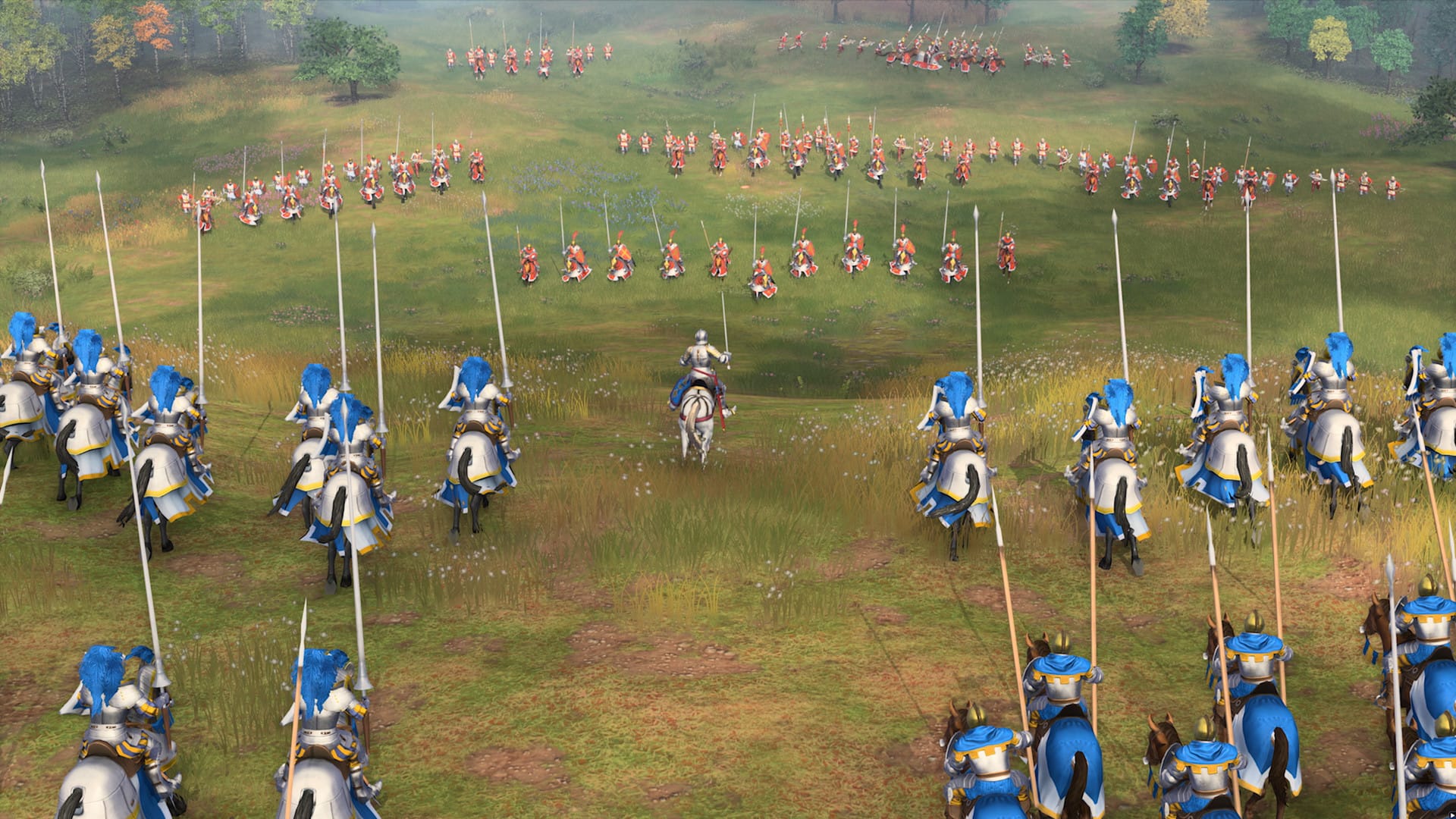
The habit transfers straight into slower formats. Turn-based strategy games punish blind play just as hard, they’re just quieter about it. Moving one unit a single tile to reveal a chokepoint is scouting. So is checking which cards an opponent has already spent.
The habit: spend the first stretch of any match buying information, and re-scout before every major commitment. Most attacks that die were dead at the planning stage, launched into an army nobody checked for.
Watch the Economy Curve, Not the Scoreboard
Strategy games are compound-interest machines. A worker built in minute one pays for itself dozens of times over. The same worker built in minute twenty barely matters. Veterans call this the economy curve, and it explains most of the blowout losses that seem to come out of nowhere.
Civilization VII makes the curve easy to misread because the score panel rewards visible progress. Wonders feel productive. Early military feels safe. Meanwhile the opponent who spent the same turns on growth and infrastructure hits the mid-game with twice the hammers and converts that surplus into anything they want. If that stall sounds familiar, our Civ VII mid-game guide covers the pivot points in detail.
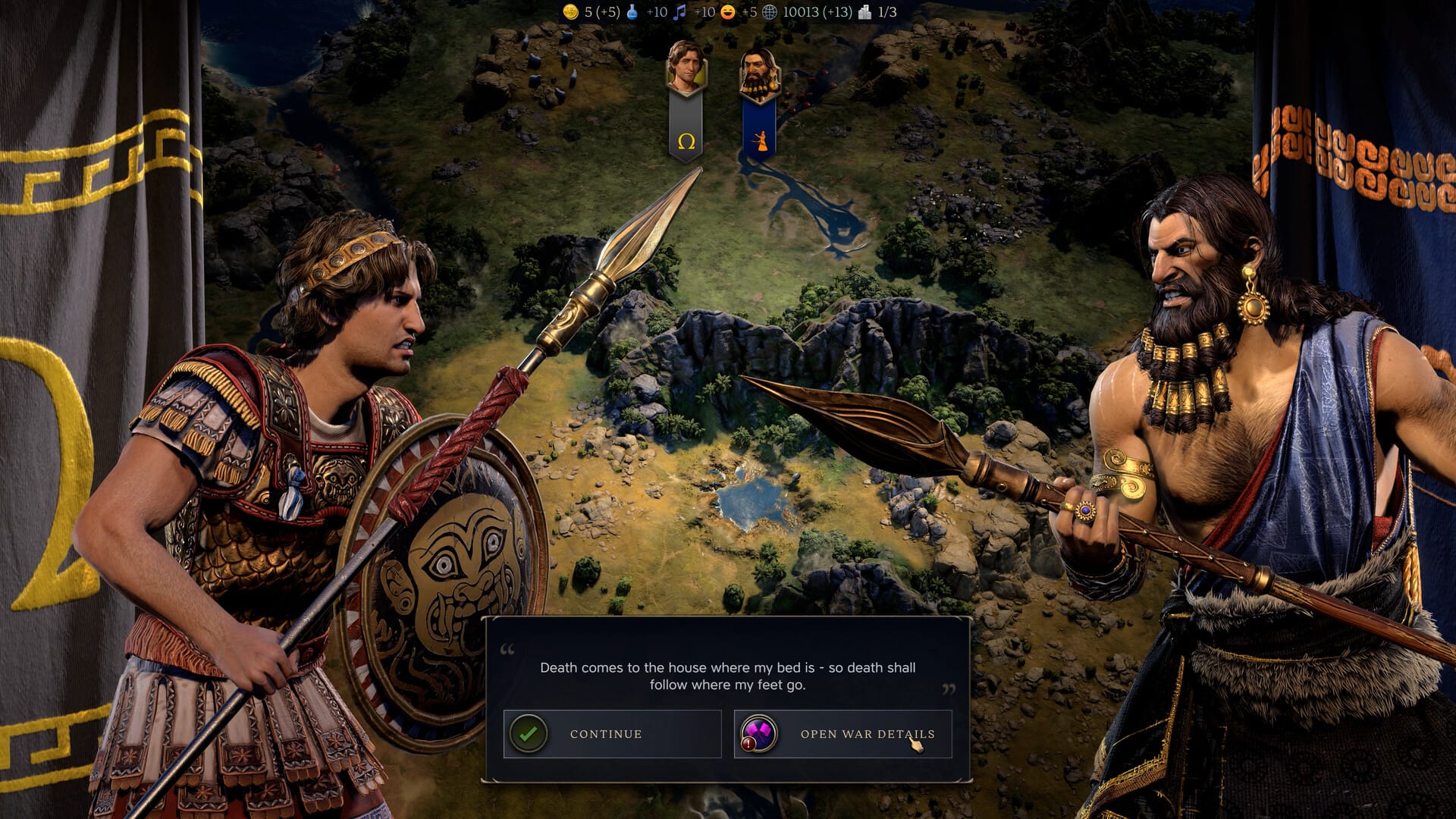
The transferable question: what am I buying that makes everything else cheaper, faster, or bigger? Army now or economy now is the oldest dilemma in the genre, and the honest answer is usually “economy, slightly longer than feels safe.” The same logic runs grand strategy campaigns, where a development decision made in 1444 quietly decides a war fought in 1500.
Tempo: Know Whose Turn It Really Is
Tempo is the polite word for “who is forcing whom to react.” You can lead on units, economy, and tech and still lose because every decision you’ve made for ten minutes was a response to something your opponent started.
StarCraft II turned this into a science. Competitive openings are built around timing windows, the moments when an army spike lands before the defender’s economy can convert into protection. Entire libraries of build orders exist to hit those windows seconds sooner. The seconds matter because initiative compounds just like economy does.
You don’t need pro-level mechanics to use the idea. At each stage of a match, ask whether you’re the one setting the schedule. If the answer is no, look for the cheapest action that flips it: a raid that forces a recall, an expansion that demands a response, a tech switch that invalidates the opponent’s army. Our guide to how real-time strategy works digs into why initiative beats raw army value more often than new players expect.
Trade Material for Position, and Know When Not To
Losing players count what they lost. Winning players count what they bought.
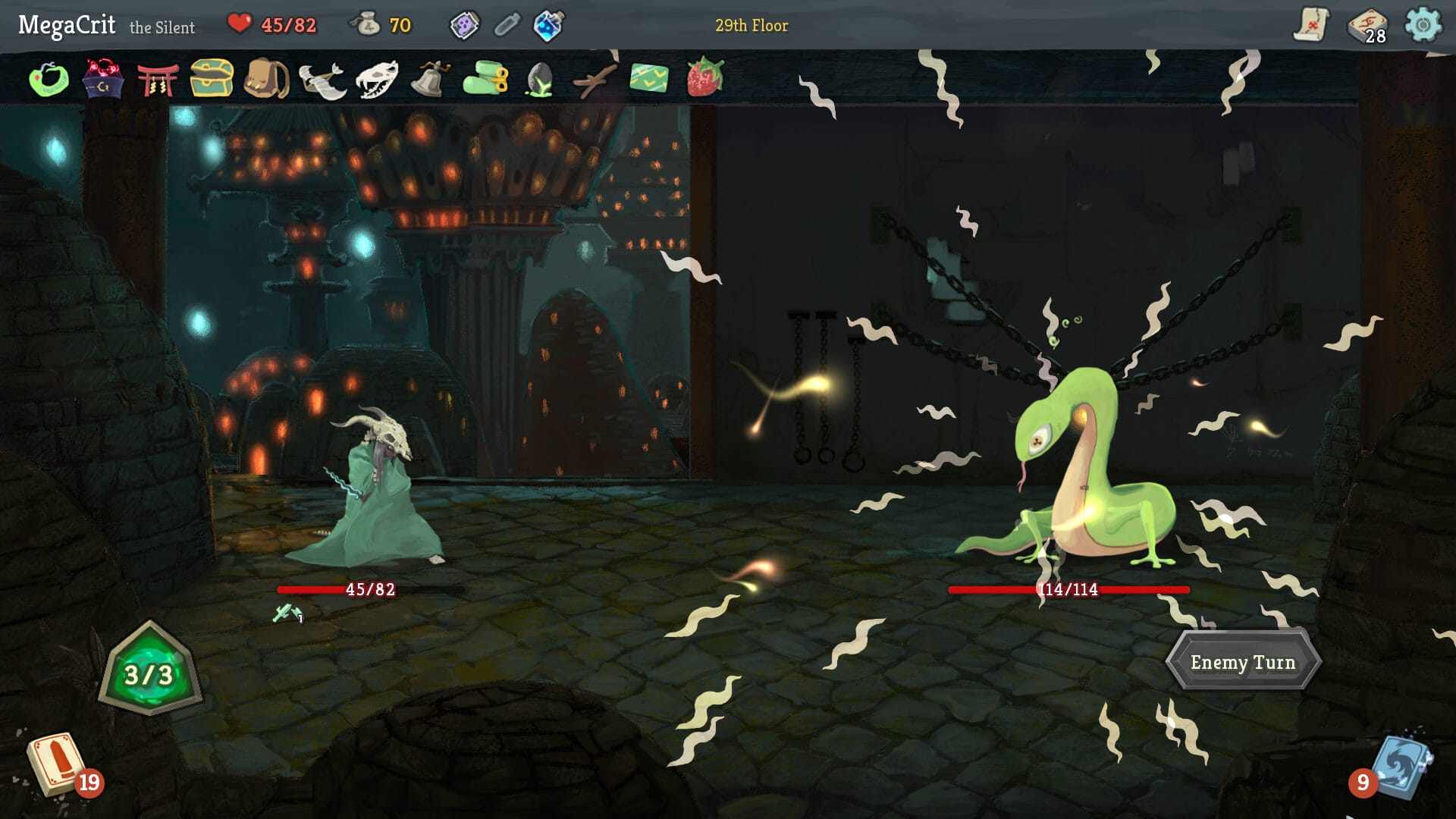
Slay the Spire teaches the lesson about as cleanly as any game ever has. Spending 75 gold to remove a basic Strike feels like paying for nothing, no new card, no new power. What you actually bought is a better draw for every turn of the rest of the run. Deck-building strategy games are private tutors for this kind of value math, because they price every decision in public numbers.
Into the Breach pushes the same idea to its extreme: sacrificing a mech to protect the power grid is often the correct play, because the grid is the run and the mech is just a piece. The transfer rule reads like this. A loss that buys position, tempo, or information isn’t a loss. A loss that defends something with no future value is. Stop defending dirt that doesn’t pay rent.
Review Your Losses Like a Coach, Not a Victim
The fastest improvers in any strategy community share one unglamorous habit: they watch their own replays. Not highlight reels. Losses. Research on expert performance calls the underlying method deliberate practice, focused review of specific weaknesses instead of hours of autopilot repetition, and it’s the difference between a thousand games of experience and one game of experience a thousand times.
The review itself takes five minutes. Find the earliest moment the game went wrong, which is almost never the final fight. Then tag the mistake to one of the four models. Didn’t scout. Fell off the economy curve. Spent the whole game reacting. Defended something worthless. One tag per loss, and patterns appear within a week. It helps that the best current RTS games ship with full replay systems, so the evidence is always sitting right there.
Practice Habits That Actually Move the Needle
Games with strategy at their core reward narrow focus over volume. Three habits cover most of it:
- Change one variable per session. Play five matches where your only goal is constant scouting, and let the result of the match be whatever it is.
- Drop a difficulty level to drill a model, then carry it back up. Practicing economy curves while losing is just losing.
- Watch one stronger player per week and ask why they acted, not what they did. The what changes every patch. The why doesn’t.
Low-stakes games make the best practice rooms. A ten-minute round of Polytopia is a full repetition of scouting, curve, and trade decisions, and the approachable strategy picks we’ve covered work the same way. When you’re ready to apply a model to a specific title, the walkthroughs in our strategy game guides are built for exactly that.
Where to Go From Here
Don’t try to install four habits at once. Pick scouting, because it’s the easiest to measure, and make it the only thing you grade yourself on for ten matches. Then add the economy curve. Tempo and trade math come faster once the first two stop costing attention.
Strategygame.org exists because this genre rewards exactly this kind of patient, transferable learning, and we keep our real-time strategy guides and the rest of Strategygame.org updated as the games underneath the models keep changing. The models themselves will outlast every patch cycle. That’s the point of building them.
Frequently Asked Questions
How do you get better at strategy games in general?
Build four transferable habits instead of memorizing game-specific tips: scout for information, watch the economy curve, control tempo, and judge every trade by what it buys you. Those habits raise your level across every strategy subgenre at once, and they survive patches that delete specific build orders.
What strategy skills transfer between different games?
Information gathering, economic compounding, tempo and initiative, and trade evaluation are genre-agnostic. A scout in an RTS, a revealed tile in a turn-based game, and tracking an opponent’s spent cards are all the same skill. Master the underlying model and you adapt to new games far faster.
Why don’t build orders carry over between strategy games?
A build order is a solution to one problem in one game, so a patch or a new title makes it useless. The reason it worked, like spending early resources on information or economy, is the part that transfers. Learn the why behind a tip, not just the timing.
What is the fastest way to improve at strategy games?
Review your losses with deliberate practice. Spend five minutes finding the earliest moment a game went wrong, tag it to one model (scouting, economy, tempo, or trades), and look for the pattern across a week. Pair that with changing one variable per session rather than grinding on autopilot.
Do these habits work for turn-based and card games too?
Yes. The four models are format-agnostic, so they apply whether turns are real-time, simultaneous, or drawn from a deck. Scouting becomes revealing information, the economy curve becomes resource compounding, and trade math is most explicit of all in deck-builders, where every card has a printed price.
