
Quick Rundown
Mid-game is where most Civ VII losses are decided. The early game has clear goals — settle land, build your first city, secure resources. The late game is execution. But mid-game, especially the Exploration Age transition out of Antiquity, is where players lose the plot. You’re managing more settlements than feels comfortable, your civic tree is branching in three directions at once, and other leaders are doing things that don’t fit your plan. These Civilization game strategy tips focus specifically on that middle stretch — age transitions, the decisions that lock in your win condition, and the levers that actually matter between the first age and the final push.
Understanding the Age System Before You Pivot
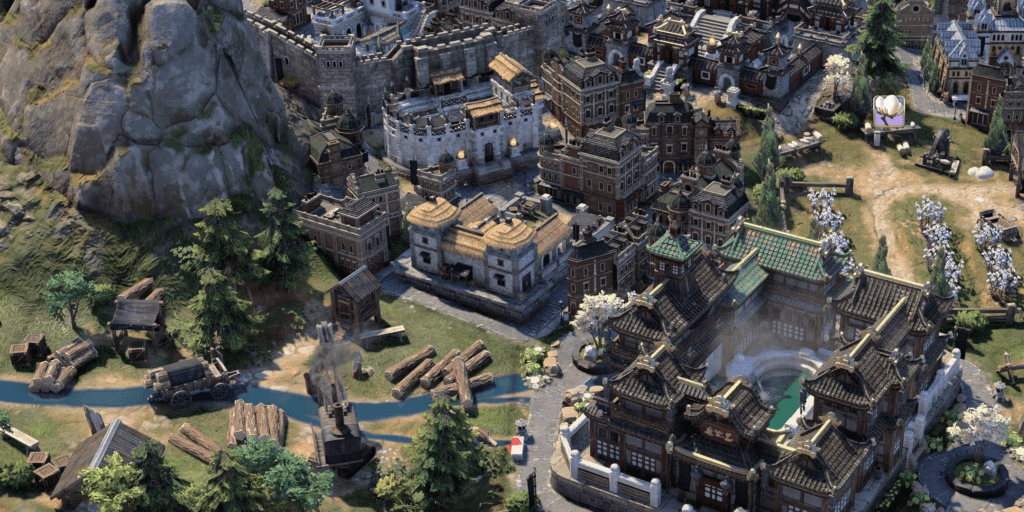
Civ VII divides the game into three distinct eras: Antiquity, Exploration, and Modern. Each Age ends when players accumulate enough Legacy Points in the relevant tracks — Military, Economic, Cultural, and Scientific. You don’t have to rush this. Most mid-game problems come from advancing ages either too early or too late.
Advancing too early means leaving Legacy Point bonuses on the table — those carry into the next age and compound. Advancing too late means watching opponents build advantages in the Exploration Age while you’re still in Antiquity mode. The right timing is when you’ve maximized your core legacy track and the marginal gain per turn is diminishing. High Science and Culture outputs cycle through Legacy milestones faster. If yours are low, address that before advancing.
Civilization VII’s Wikipedia entry covers the complete Age system if you want the overview. The strategy is about what to do with it once you understand the structure.
The Exploration Age Transition
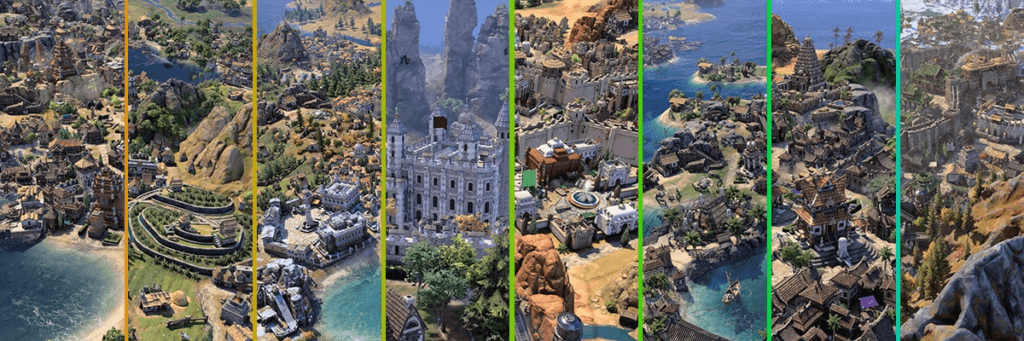
The transition from Antiquity to Exploration is the most critical strategic moment in a standard game. You’ll be prompted to select a new Civilization — your leader stays, but the civ you pick determines your Exploration Age bonuses, unique units, and culture options. This pick should be made with your win condition in mind, not around what sounds thematically interesting.
If you’re chasing a religious win, pick a civilization with Exploration Age faith bonuses. For domination, look for military tradition trees that support the unit type you’ve already been building. Economic and cultural wins benefit most from civs with strong trade or great person bonuses. The Civilization VII Fandom wiki has full per-civilization breakdowns for comparing options before you commit.
Civ VII sits firmly in the best 4X strategy games conversation — if you’re still deciding whether it belongs in your library, that list covers where it stacks up against its competition.
Civic Priorities in Mid-Game
The civic tree in Civ VII rewards focus. Mid-game is when the tree starts branching meaningfully — you can go wide on economic policies, specialize in military traditions, or invest in cultural production. The mistake most players make is trying to do all three at once.
Pick one civic legacy track and build toward it. If you’re pursuing a cultural win, chain the civics that generate Great Artists and open additional culture slots. Going domination? The military civic branches give you unit production bonuses, reduced maintenance costs, and eventually the tradition cards that make large armies sustainable. Gold is the connective tissue — a mid-game empire that’s economically underwater will stall regardless of win path. This kind of ruthless prioritization is a throughline across the wider genre. Grand strategy games demand the same discipline once mid-game sets in.
Win Condition Strategy: Mid-Game Pivot Points
Each win condition has a specific mid-game inflection point. These sections are independent — skip to the path you’re on.
Religious Win
Religion in Civ VII is primarily managed through the Exploration Age. If you founded a faith in Antiquity, the Exploration Age is when you spread it aggressively. Prioritize civics and buildings that increase Missionary range and reduce spread costs. The key mid-game decision is whether to pursue religious conversion diplomatically — influence-based, slower, preserves goodwill — or through Missionary spam, which converts cities permanently but makes enemies fast. Settle on one approach by the midpoint of the Exploration Age. Switching strategies mid-Age wastes turns you won’t recover.
Economic Win
Economic wins accumulate through trade routes, resource bonuses, and city output. The mid-game lever is trade route count — every Exploration Age civic that increases your trade capacity is worth prioritizing. By mid-Antiquity you should have been locking in resource monopolies. By mid-Exploration, those monopolies should be generating enough gold to buy buildings rather than spend production on them, freeing up production for units and wonders. Players who stockpile gold without spending it during mid-game tend to fall behind on wonder races later.
Domination Win
Domination becomes viable in the Exploration Age as naval mechanics open up new theaters. The mid-game decision is target sequencing — weaker, resource-rich neighbors first; stronger military powers once your army has more upgrades. Don’t overextend. Civ VII’s war weariness mechanic punishes long campaigns, so consolidate between wars rather than running continuous offensives. Historical strategy games handle overextension differently depending on the setting, but the consolidate-between-wars principle holds across the genre.
Cultural Win
Cultural wins gate behind Great People and tourism, both of which have long lead times. Mid-game is when you build the infrastructure that pays off in the Modern Age — Wonders that generate Great Artist points, cultural buildings in multiple cities, civic policies that boost tourism output. The risk is that culture feels slow and players abandon it for what looks like faster progress. Don’t. Stick with it through the Exploration Age and the Modern Age acceleration is real. Rushing to a different win condition mid-game typically means arriving late with an underdeveloped position.
Towns, Cities, and Where to Focus Development
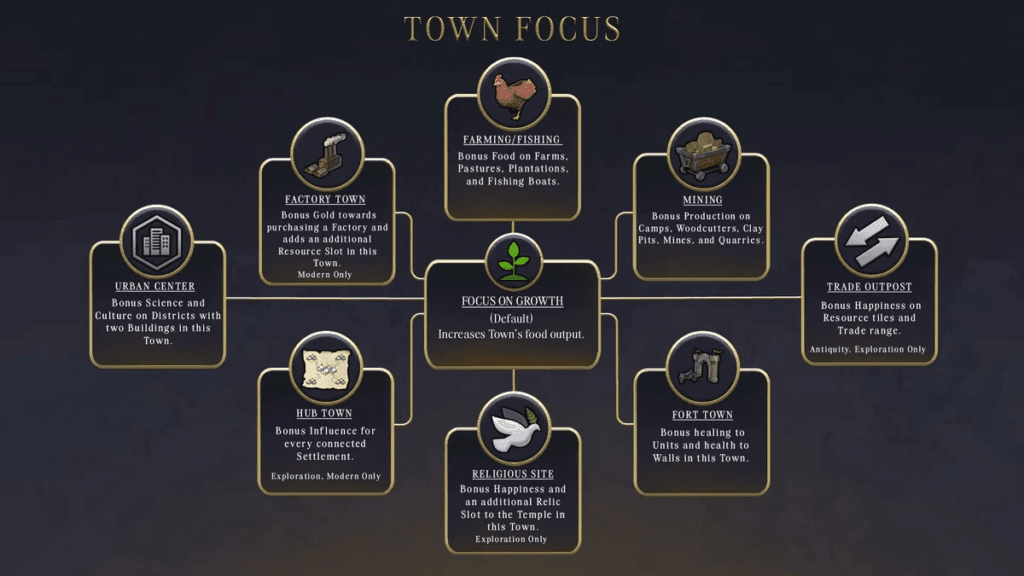
Civ VII’s town-to-city system is a genuine resource constraint. Promoting a settlement costs production and increases maintenance. A common mid-game mistake is promoting too many towns too fast, resulting in a sprawling empire where no individual city reaches its potential.
A more focused approach: designate two or three cities for heavy development — a production hub, a science city, a culture city — and keep the rest as optimized towns running food, gold, or unit support. Metacritic’s Civ VII aggregate consistently cites this empire management complexity as one of the game’s defining challenges, and it’s where mid-game decision quality shows up most clearly in late-game outcomes.
Things That Look Important but Aren’t
Wonder racing in mid-game is a trap unless you’re on a cultural path. Wonders cost production turns, and a mid-Exploration Wonder that doesn’t serve your win condition is a loss you can’t recover. Similarly, chasing the top of all four Legacy tracks splits your focus in ways that benefit no one. You need to lead one track — not contest all four.
For a broader view of what makes Civ and its peers work as a genre, the strategy games across every subgenre breakdown gives useful context. If you’re exploring what else to play after Civ, the best strategy games on Steam covers the strongest alternatives in this space.
The Bigger Picture
Civ VII is denser than its mixed launch reputation suggests. The early criticism was mostly about UI issues and missing features — not the underlying design — and patches addressed the worst of it. The official Civ VII page is the clearest source for current patch notes and feature updates. The strategic core is solid: age transitions reward long-term planning, civic focus compounds over turns, and mid-game choices genuinely determine late-game outcomes. Apply these principles through the Exploration Age and the Modern Age becomes far more manageable.
Strategygame.org covers the broader strategy game landscape if you want context on where Civ VII fits among its genre peers. Browse our strategy guides for in-depth frameworks across related games. For deeper 4X-specific coverage, the 4X guides are the right next stop. The turn-based strategy games guide is worth a read if you’re newer to the genre and want broader mechanical context before going deep on Civ VII specifically.