Quick Rundown
Turn-based strategy games sit at the heart of the wider strategy genre. They reward planning over reflexes, give you time to think, and ask you to weigh decisions across dozens of turns instead of a few seconds. Civilization, XCOM, Fire Emblem, and Heroes of Might and Magic all live in this corner of gaming. So do most of the modern indie strategy hits worth their hex grids.
This guide covers what a turn-based strategy game actually is, the three subgenres that account for almost everything in the form, how it differs from real-time and grand strategy, and which titles are worth your first thirty hours depending on where you’re starting.
What Is a Turn-Based Strategy Game?
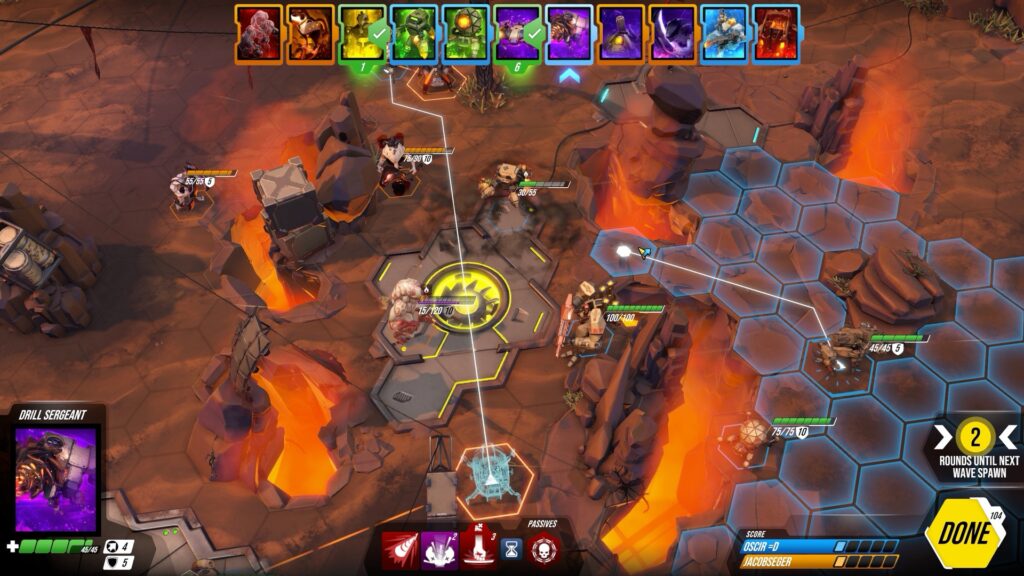
A turn-based strategy game is a strategy title where players act in discrete turns rather than continuously in real time. You issue your orders, the game resolves them, and the next player or AI takes a turn. According to Wikipedia’s entry on the form, this structure gives players time to weigh complex tradeoffs, which is one reason TBS games often run deeper artificial intelligence and more granular systems than their real-time counterparts.
The point is the planning. You’re not reacting to a unit drifting out of position. You’re studying the board, projecting two or three turns ahead, deciding whether the optimal move is to push, hold, or pivot. A good turn-based strategy game makes every action feel weighty because there are no take-backs and no clicking faster to fix a mistake. The gap between an experienced player and a beginner shows up in how many turns ahead they’re already thinking, not in their reaction speed.
A Quick History: From Hex Maps to Three Ages
The form predates the term. Tabletop wargames in the 1950s and 1960s laid the foundation: hex-based maps, alternating turns, units with movement and combat values resolved with dice and tables. That DNA migrated to computers in the 1980s, with titles like Reach for the Stars (1983) and Empire pioneering empire-building structures that today’s 4X games still inherit.
Sid Meier’s Civilization (1991) crystallized the modern shape of the genre. One settler, a blank map, centuries of choices that compound. Almost every turn-based strategy game released since has had to define itself against that template, even when it’s reaching for something completely different.
The current era is unusually good for the form. Civilization VII shipped in early 2025 with a “Three Ages” structure that splits a campaign across Antiquity, Exploration, and Modern eras, and ongoing patches across 2025 and 2026 have reshaped the rhythm in meaningful ways. Heroes of Might and Magic: Olden Era hit early access in April 2026 to strong reviews, finally giving Heroes 3 fans a successor that doesn’t feel like a tribute act. Old World, Songs of Conquest, Triangle Strategy, and Unicorn Overlord all landed in the past few years and still hold up. If you stopped paying attention to the genre after Heroes 3, you missed a lot.
The Three Main Subgenres of Turn-Based Strategy
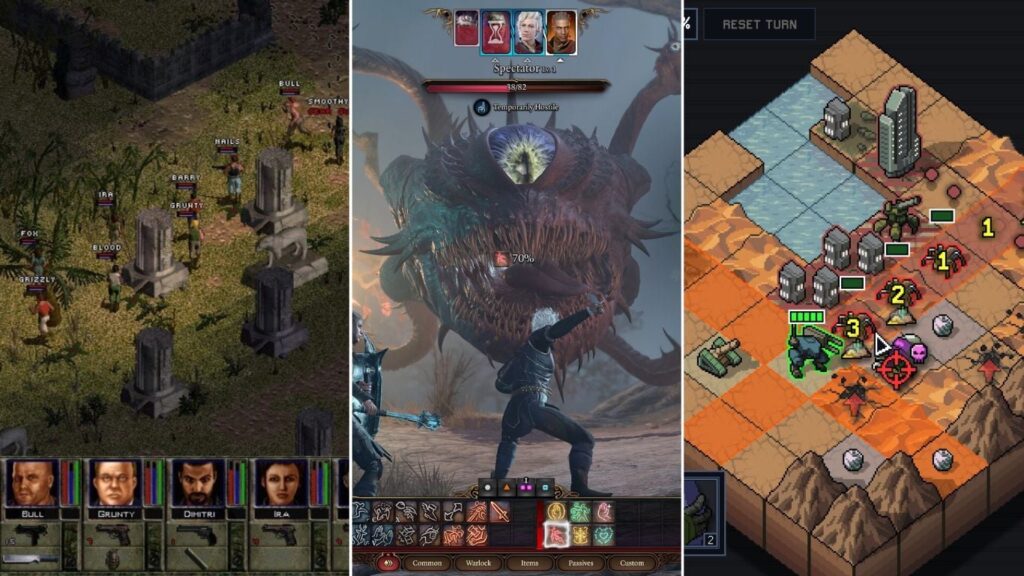
Most turn-based strategy games fall into one of three buckets. The lines blur, but knowing the distinctions helps you tell at a glance whether a game’s pitch matches what you actually want to play.
4X Empire Builders
4X games (explore, expand, exploit, exterminate) cover the broadest, most ambitious end of the form. You start with almost nothing and build a civilization across hundreds of turns, juggling cities, technology trees, diplomacy, and military campaigns. Civilization VII on Steam is the standard. Old World goes deeper on dynasty mechanics and inter-character drama, layering generational consequences on top of the usual empire-building. Endless Legend covers the fantasy variant. Galactic Civilizations IV and Stellaris (which is real-time-with-pause but plays like a 4X) handle space settings.
If you want a deeper look at how the four pillars actually work in practice, the 4X strategy game primer breaks down each one in detail. You can also browse the 4X subcategory for ongoing coverage of the bigger names.
Tactical Turn-Based
Tactical turn-based strategy games trade scope for precision. You’re commanding a small squad on a grid, weighing positioning, action economy, and probability on every move. XCOM 2 set the modern template with overwatch, reaction shots, and permadeath that means it. BattleTech, Phantom Brigade, Wartales, Tactics Ogre: Reborn, and Symphony of War all fit here. The whole subgenre lives or dies on whether your squad of six feels like real people you’d take a bullet for, or just pieces on a board you cycle through. The good ones make you remember names. The bad ones make you ragequit when you lose your sniper to a five-percent shot.
Classic and Hex-Based Wargames
The third bucket is the deep end of the pool. Classic wargames cover everything from Panzer General to Unity of Command II to the entire Gary Grigsby catalog (War in the East 2 alone could swallow a year). They emphasize order-of-battle realism, supply lines, terrain modifiers, and historical scenarios over narrative. The audience is smaller and the difficulty curves are steeper, but for players chasing chess-like tactical depth wrapped in real military history, nothing else compares.
How TBS Compares to Other Strategy Genres
Players new to the form often mix up turn-based strategy with neighboring genres. The distinctions are real and worth understanding before you spend forty bucks on the wrong thing.
Real-time strategy (RTS) titles run continuously. You’re managing economy, micro, and combat all at once, and split-second decisions decide most matches. StarCraft II still casts the longest shadow over the genre two decades on. Tempest Rising, Age of Empires IV, and Beyond All Reason are the modern picks. RTS rewards reflexes and APM. TBS rewards patience.
Grand strategy games like Crusader Kings III, Europa Universalis IV, and Hearts of Iron IV are usually real-time-with-pause rather than truly turn-based. They simulate political and economic systems at extreme granularity. Pause-heavy play doesn’t make them turn-based, but the planning-heavy mindset overlaps so thoroughly that grand strategy fans usually like classical TBS too. Our grand strategy beginner’s guide walks through where the two genres separate if you’re trying to figure out which one you actually want to play.
Tactical role-playing games (TRPGs) sit at the intersection of TBS and RPG. Fire Emblem, Triangle Strategy, and Unicorn Overlord all qualify. Combat is turn-based and tactical. Between battles, you’re managing characters, story, and progression more like an RPG than a strategy game, which is why TRPGs read as cozier than pure tactics for many players. The site’s tactical role-playing coverage goes into specific titles in more depth.
There’s also an economic-sim adjacent corner that overlaps with TBS. Titles like Victoria 3 show up in our economic simulation roundup precisely because their turn-by-turn-feeling planning loop blurs the line. The line between “strategy” and “simulation” gets blurry fast in this part of gaming, and that’s usually a feature, not a bug.
The Best Turn-Based Strategy Games to Start With
Where to begin depends on how much strategy gaming you’ve already done. The picks below assume you want to play something seriously, not just sample a demo and refund.
For Total Newcomers
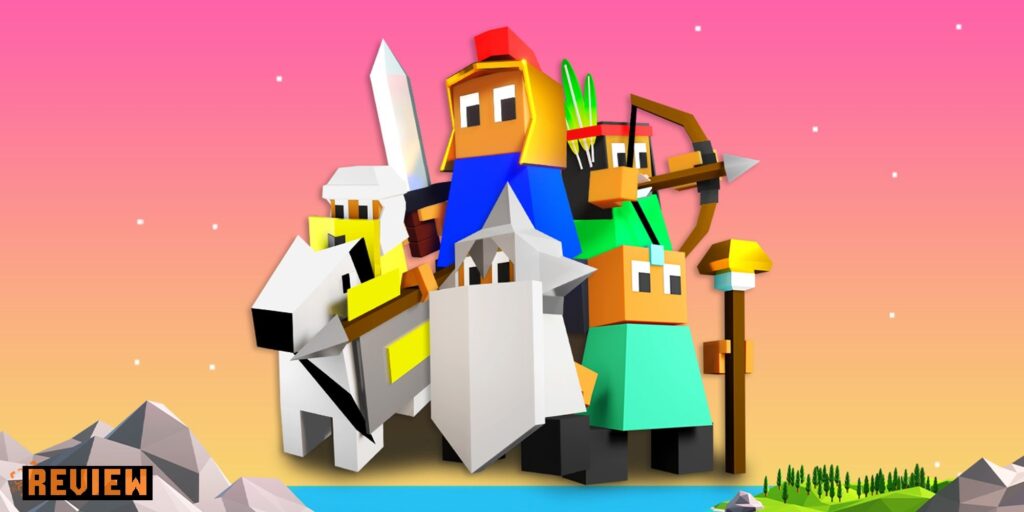
The Battle of Polytopia is the friction-free entry point. It’s free on mobile, runs a full session in thirty minutes, and teaches the core 4X loop without overwhelming you. Triangle Strategy works for the tactical side: gorgeous, story-driven, and forgiving on the lower difficulties. Civilization VII‘s tutorials are genuinely good now after a year of patches, and the Antiquity age is short enough to learn the loop in a single sitting. If you’re playing on a phone and want options past Polytopia, our mobile strategy game picks cover what’s worth installing in 2026.
For Intermediate Players
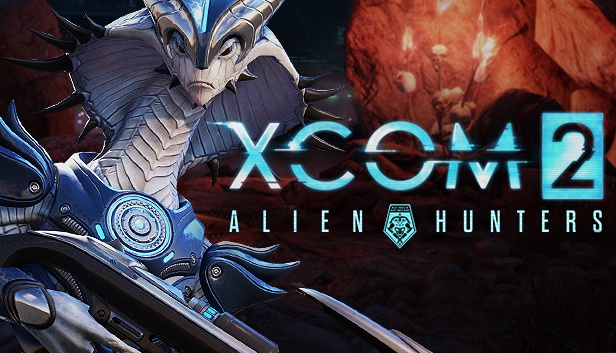
XCOM 2 is the obvious tactical pick if you want depth without a brutal learning curve. War of the Chosen (the expansion, not the base game) remains one of the strongest tactical experiences of the past decade. Old World, available on Steam, is the answer for players who want a 4X with sharper edges and a thirty-hour campaign instead of a hundred-hour one. Wartales blends tactical combat with mercenary-band economics in a way that scratches a very specific itch. Songs of Conquest captures the Heroes of Might and Magic 3 feeling for anyone who lost evenings to that one in the late nineties.
For Veterans
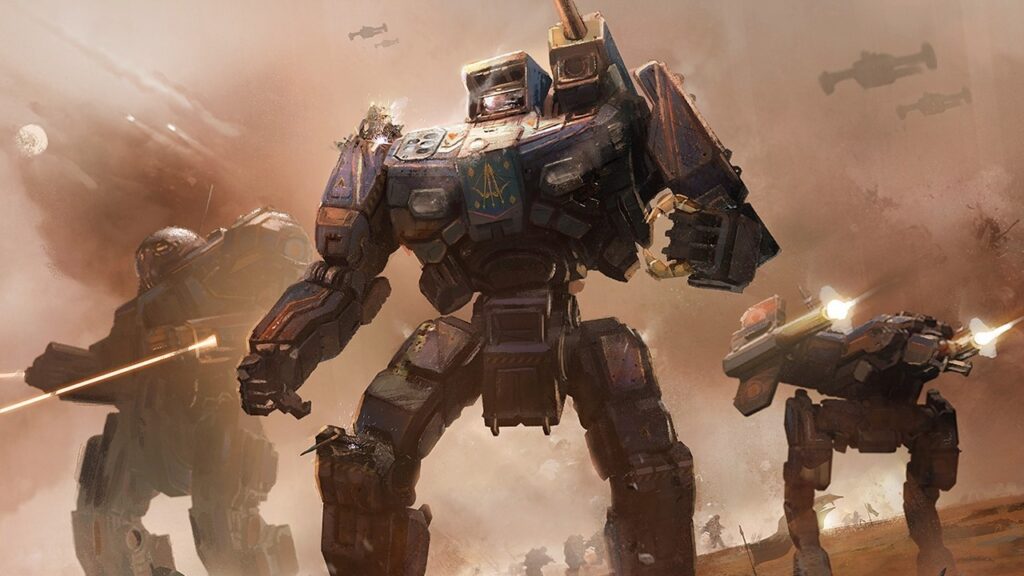
BattleTech rewards mastery harder than most TBS releases this side of XCOM. Unicorn Overlord deepens the SRPG layer past Fire Emblem with auto-resolved squad battles that stay tactical instead of turning into watch-the-numbers. Phantom Brigade and Symphony of War sit on the smaller side but reward systems-thinking. For 4X veterans, Distant Worlds 2 is a real-time-with-pause monster that plays like the platonic ideal of a galactic spreadsheet, in the best possible way. The PCGamesN breakdown of Civilization-likes is a useful cross-check if you want a second opinion before buying.
Where to Go From Here
Pick one game from the list above. Play it for ten hours before judging it. Almost every turn-based strategy game rewards getting past its first learning wall, and the moment when systems start clicking is what keeps players returning to the form decade after decade. If your first pick doesn’t grab you, the next one usually will: tactical and 4X feel completely different in practice, and the right entry point is a personal fit rather than a universal answer.
The wider site at Strategygame.org covers individual mechanics, faction breakdowns, and beginner walkthroughs across the form, and the turn-based guides section keeps growing as we publish more on specific titles.
The genre rewards anyone willing to slow down and think. End of turn.