Quick Rundown
Not every historical strategy game actually respects its history. Some use the setting as wallpaper while the mechanics could belong anywhere. The best ones let the period shape every decision — the unit types available, the diplomatic constraints, the tech ceiling you’re working against. This list focuses on historical strategy games that earn their setting, and it’s honest about where each one diverges from the record.
If you want the all-time classics before going deeper, the best strategy games of all time covers the historical picks that defined the genre over decades.
Hearts of Iron IV
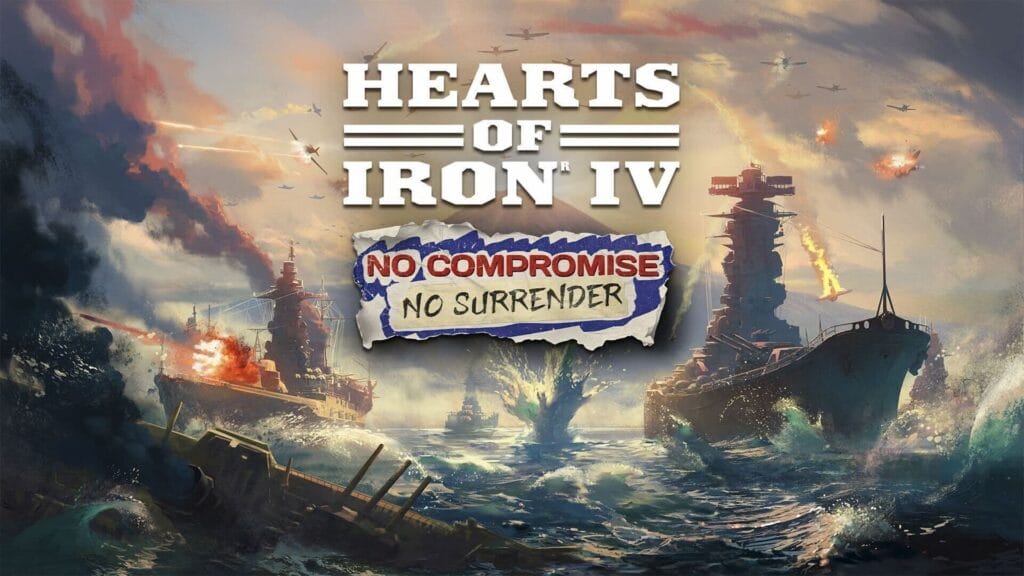
Hearts of Iron IV is set in the 1936 to 1948 period and covers World War II at the grand strategy level. You manage national focus trees, production, diplomacy, and army deployment across a detailed world map. Paradox has been updating it since 2016, and the current version with expansions is a different game from what shipped at launch.
The historical fidelity question here is nuanced. HoI4 starts from an accurate 1936 baseline — real leaders, real borders, real industrial capacities. But the design is built for alternate history. Germany can lose. The Allies can fracture. A communist USA is possible with the right focus tree path. The game is better understood as a historically grounded sandbox than a simulation of what actually happened. Hearts of Iron IV’s Wikipedia entry has a thorough overview of the design philosophy and reception.
For players already deep in the genre, Grand Strategy Games for Players Who Already Know the Genre covers HoI4 alongside the other Paradox catalog entries worth your time in 2026.
How grounded: Historically initialized, designed for sandbox divergence | Period: 1936–1948 | Pace: Grand strategy, real-time with pause
Crusader Kings III
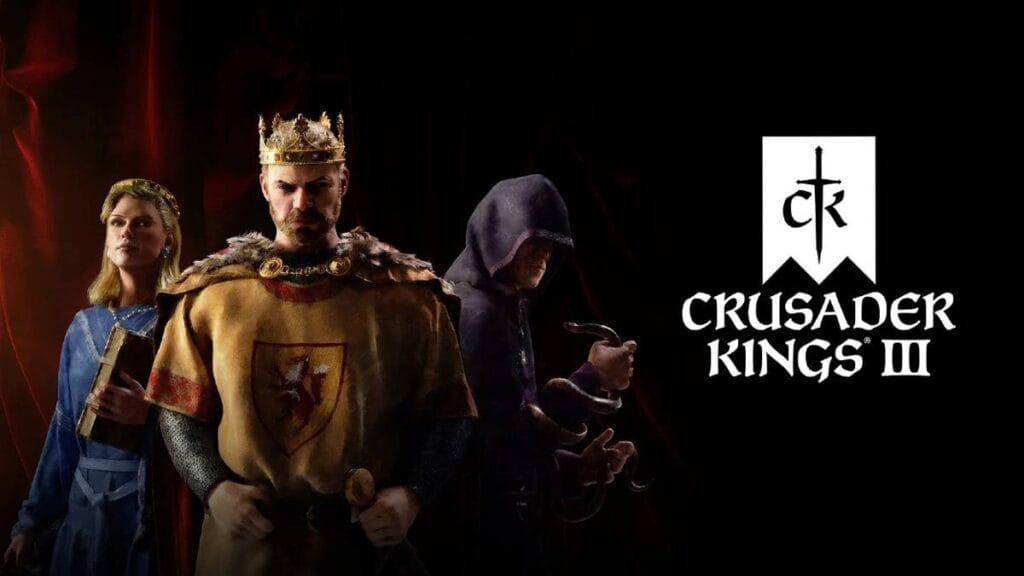
Crusader Kings III covers the medieval period from 867 to 1453 CE, and it gets the historical texture right in ways that most games don’t bother with. The starting rulers are real historical figures with accurate titles, holdings, and family relationships. The feudal obligation system models how medieval power actually worked — personal loyalty and inheritance matter more than bureaucratic control.
Where CK3 diverges is in the emergent narrative. Your second-generation ruler will probably have no historical parallel. Dynasties collapse, reform, and re-emerge in ways the real record never followed. That’s a feature of the design, not a bug, but it means CK3 is best understood as a historically authentic starting point rather than a historical simulation over time. Crusader Kings III’s Wikipedia article covers its development and how it builds on the second game’s formula.
If you’re newer to the grand strategy side of history strategy games, Grand Strategy Games: A Beginner’s Guide to Ruling Empires is a solid starting point before committing to CK3’s learning curve.
How grounded: Historically accurate setup, divergent narrative | Period: 867–1453 CE | Pace: Grand strategy, real-time with pause
Field of Glory II
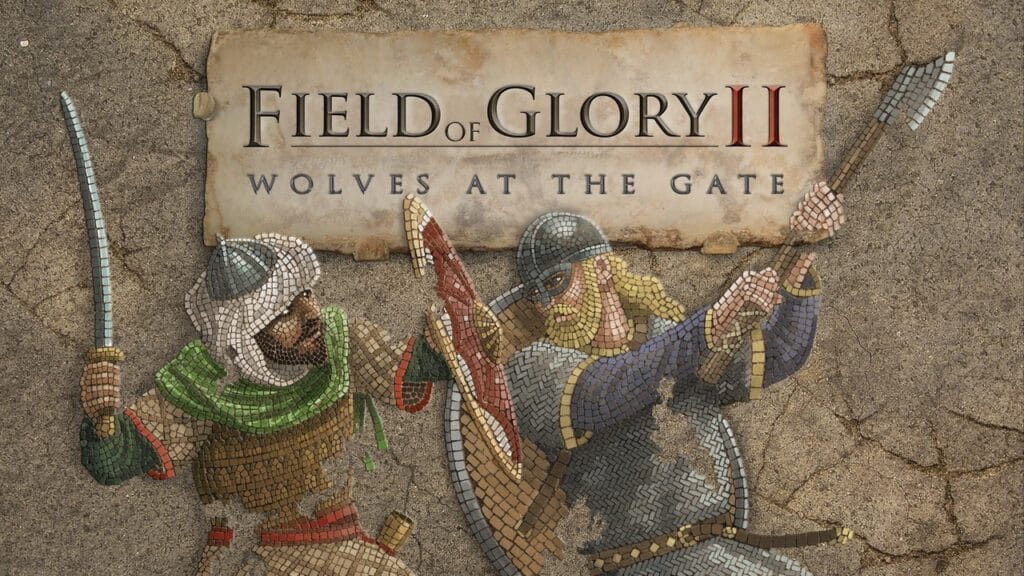
Field of Glory II is a turn-based tactical wargame covering ancient and medieval battles from roughly 280 BC to 1500 AD. It’s based on the Field of Glory tabletop ruleset, which was itself designed to model ancient combat as accurately as the available historical record allows. Unit types, formations, morale mechanics, and terrain effects all reflect documented period doctrine.
This is the most historically rigorous game on this list for anyone who cares about how armies actually fought. It doesn’t have the sweep of a grand strategy title — there’s no empire to manage between battles — but within its tactical scope, it earns the comparison to serious historical wargames. Turn-Based Strategy Games Explained covers the genre mechanics that Field of Glory II builds on, which is useful context before you start.
How grounded: High fidelity tactical modeling, grounded in documented period sources | Period: Ancient to late medieval | Pace: Turn-based
Total War: Three Kingdoms
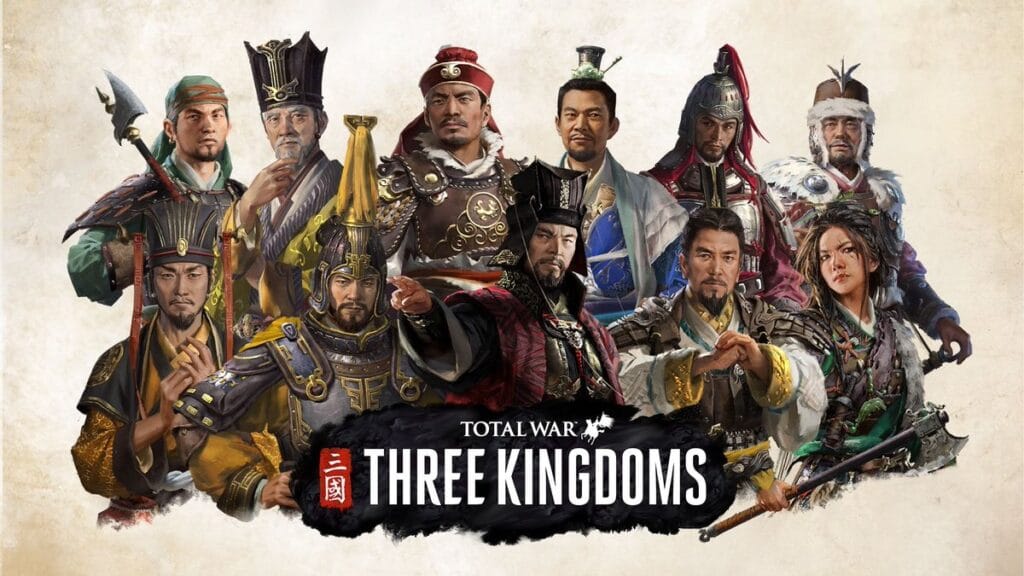
Total War: Three Kingdoms covers the period from roughly 182 to 280 CE in China — the collapse of the Han dynasty, the rise of warlords, and the eventual division into three competing states. Creative Assembly gave the game two distinct modes: Records, which plays straight history, and Romance, which uses the Luo Guanzhong novel as its source and lets heroes fight like demigods on the battlefield.
Records mode is legitimately well-researched. The major historical figures, their alliances, their personalities, and their strategic positions in 190 CE are handled with more care than most Western strategy games give to Chinese history. Romance mode is deliberate myth, which the game is upfront about. Total War: Three Kingdoms on Wikipedia covers both modes and the historical consultation that went into the Records campaign.
How grounded: Records mode is solid; Romance mode is intentional mythology | Period: 182–280 CE | Pace: Hybrid turn-based campaign, real-time battles
How Historically Grounded Is Each?
| Game | Historical Accuracy | Divergence Point |
|---|---|---|
| Hearts of Iron IV | Accurate 1936 start | Built for alternate history |
| Crusader Kings III | Accurate medieval setup | Diverges through emergent play |
| Field of Glory II | High tactical fidelity | No campaign layer to diverge |
| Total War: Three Kingdoms | Strong in Records mode | Romance mode is intentional myth |
Where to Start
If you want depth before accessibility, start with Field of Glory II — it’s the most historically rigorous and the learning curve is manageable. If you want an immersive setting with room to experiment, Crusader Kings III rewards the investment. If you want WWII scope, Hearts of Iron IV is the standard, just accept that it’s a sandbox that starts in history, not a simulation that stays there. For something less familiar in Western gaming, Three Kingdoms Records mode is genuinely worth the time.
Strategygame.org covers the full spectrum of strategy game recommendations, including digital and tabletop historical picks, if you want to extend beyond this list.
