Quick Rundown
The best strategy games of all time don’t have a consensus list. Ask a veteran PC gamer and you’ll hear Civilization II. Ask someone who came up through competitive gaming and StarCraft is the obvious answer. Ask a newer player and XCOM might top their list. They’re all correct. The classic strategy games here aren’t ranked to settle arguments. Each one changed what the genre could be, and most still hold up today. If you want to understand where modern strategy comes from, this is the list to work through.
This page is the historical canon, weighted toward games that shaped the genre and still play well decades later. For what is worth starting this month see the top strategy games to play right now, for a ranking built on measured player counts see most popular strategy games by active player, and for a PC-only spread see the best PC strategy games across every subgenre.
Civilization II (1996)
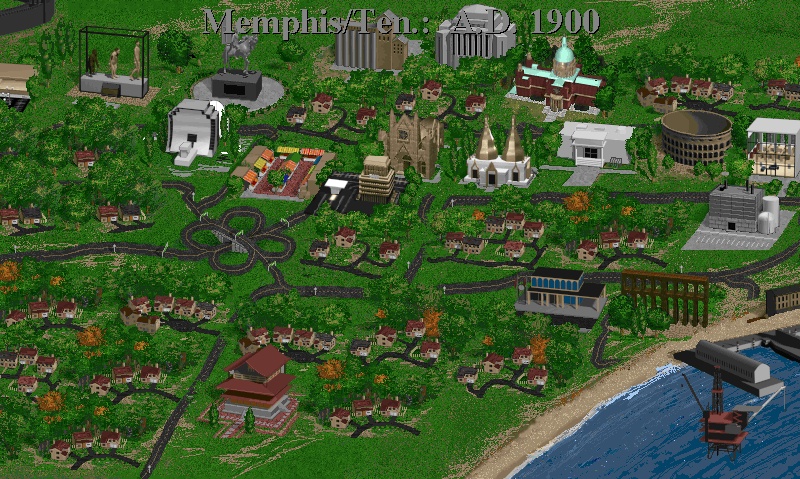
MicroProse’s second entry in the series got the formula right. The first game was rough in places. Civilization II was polished, deep, and replayable in a way that kept people up until 3 a.m. long before “one more turn” became a gaming cliche.
The loop of settling cities, researching technologies, managing diplomacy, and out-developing rival civilizations became the backbone of the 4X strategy genre. Civilization VII, released in early 2025, builds on foundations Civ II laid nearly 30 years earlier. That’s a serious track record for one design philosophy.
What’s aged less well: the combat system’s random element occasionally let a Bronze Age spearman hold off a modern armored column. Historically funny. Strategically maddening. Later Civ games corrected it, but the city-building and diplomatic layers still hold up.
Age of Empires II: The Age of Kings (1999)
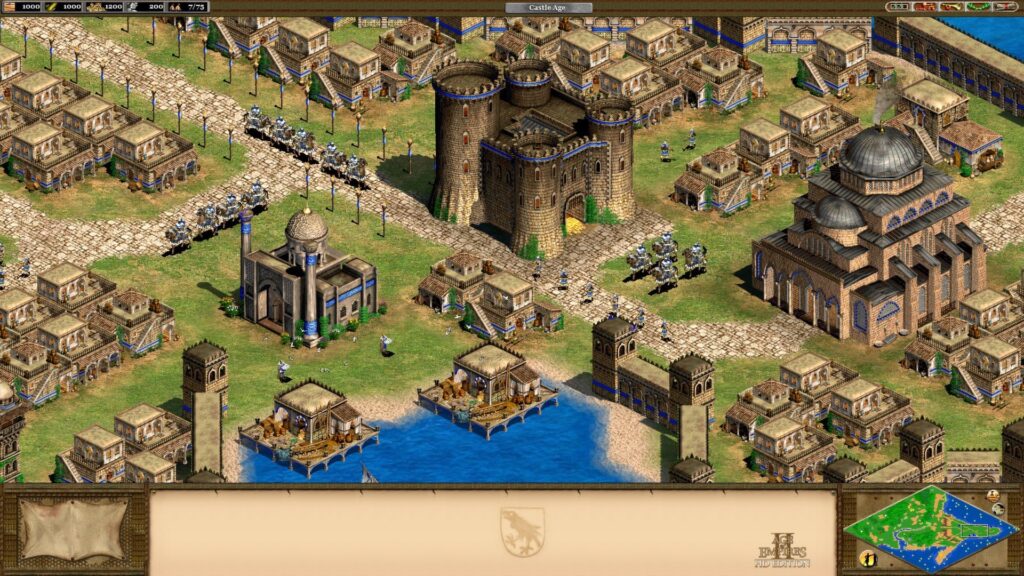
Age of Empires II: The Age of Kings is the rare hall-of-fame game that’s genuinely better today than it was at launch. The 2019 Definitive Edition added high-resolution graphics, new campaigns, and quality-of-life improvements, and it brought back a multiplayer community that never entirely disappeared.
Ensemble Studios balanced accessibility with depth better than almost anything in the genre. The 35-plus civilization roster plays meaningfully differently across factions. Real-time combat, managing armies while keeping your economy functional, is one of the strongest expressions of real-time strategy games the genre has produced.
The game still charts in Steam’s top 100 most-played titles, more than 25 years after release. That’s not nostalgia. That’s design.
StarCraft (1998)
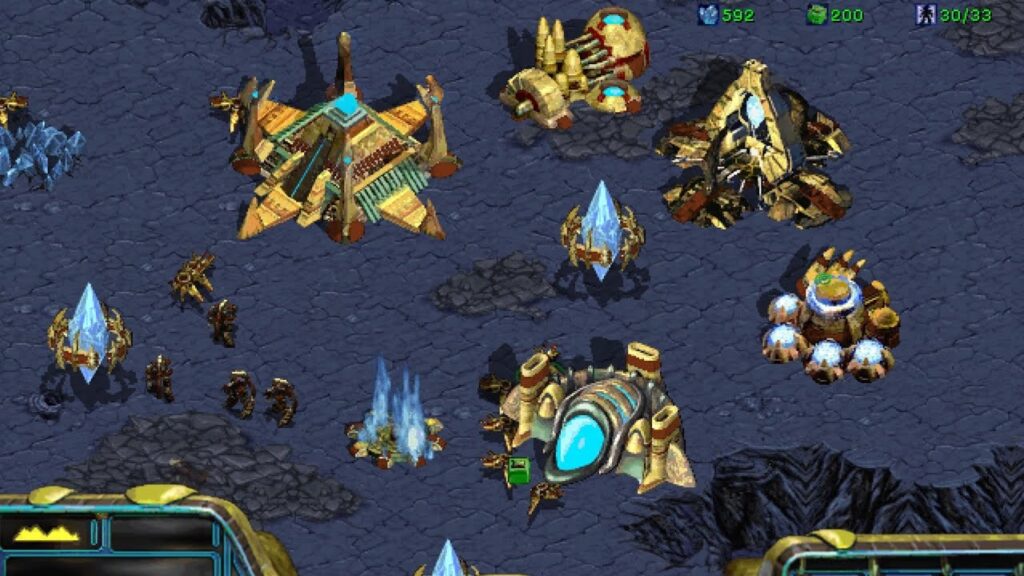
Blizzard’s original RTS is on this list for a different reason than everything else here. Most strategy games reward smart planning. StarCraft rewarded smart planning executed at speed, under pressure, against an opponent doing the same.
The Terran, Zerg, and Protoss factions are genuinely asymmetric. A Zerg player and a Terran player are running completely different mental models. Professional competition in South Korea turned the game into something closer to a sport, producing players who executed hundreds of precise actions per minute. StarCraft could accommodate that level of play. Most games can’t.
StarCraft II arrived in 2010 and continued the legacy. The original still earns its spot on any definitive strategy shelf.
Rome: Total War (2004)
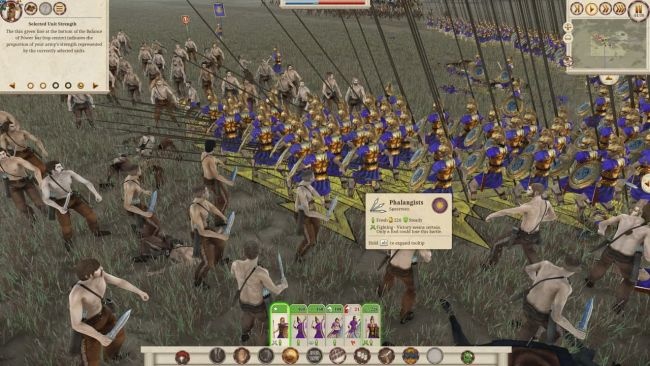
Rome: Total War invented a format the strategy genre is still running. The Creative Assembly combined empire management with real-time tactical battles. The campaign layer used turn-based strategy mechanics for movement and administration, while field battles were commanded in real time.
No game before it did both things simultaneously. That combination gave campaigns a sense of ownership neither pure strategy nor pure tactics could deliver on their own. When you flanked an enemy cavalry charge with a hidden forest unit and watched the formation collapse, you felt it. The Total War series has produced 15-plus entries since 2004 and is still iterating on what Rome got right.
Crusader Kings II (2012)
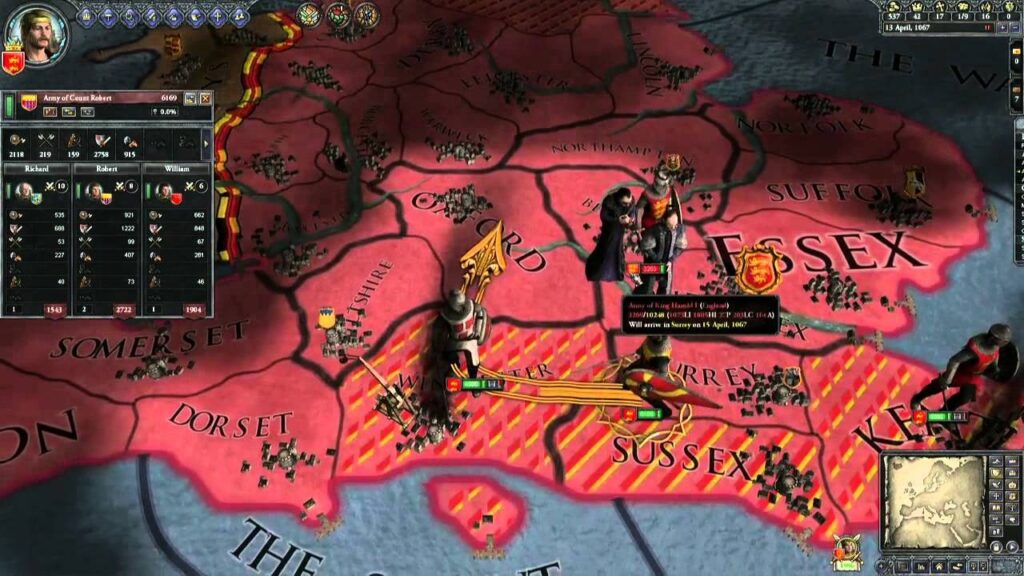
Paradox Development Studio makes detailed, systemic, occasionally overwhelming games. Crusader Kings II is their peak. You’re not managing an empire; you’re managing a dynasty. The person at the top matters as much as the territory they hold.
If your king dies with an incompetent heir, a carefully built kingdom unravels in a generation. If a scheming vassal assassinates your duke, the succession crisis feels earned rather than arbitrary. The game generates stories no designer could have scripted. For anyone serious about grand strategy, Crusader Kings II is required playing.
Crusader Kings III (2020) improved presentation and accessibility. CK2 went free-to-play in 2019 and remains the deeper game for players who want full systemic complexity.
XCOM: Enemy Unknown (2012)
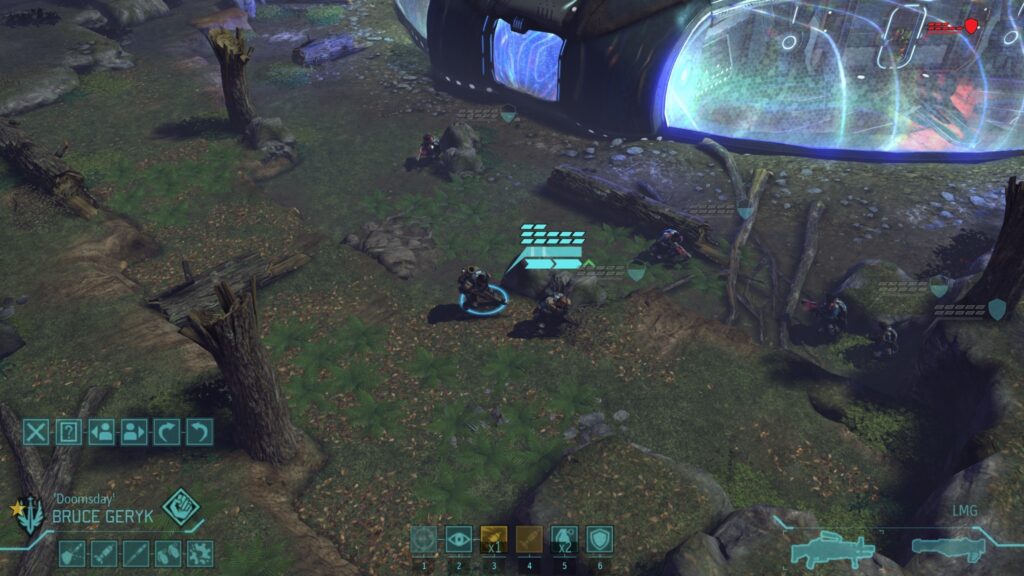
Firaxis took Julian Gollop’s 1994 UFO: Enemy Unknown and rebuilt it for modern audiences without losing the tension. You manage a global anti-alien defense agency, research captured technology, keep funding nations satisfied, and command soldiers in tight tactical missions where every call has real consequences.
Permanent death makes the stakes real. Watching a veteran soldier go down in a bad turn genuinely stings. That emotional investment separates XCOM from games where casualties are just numbers. XCOM: Enemy Unknown proved that turn-based tactics could pull mainstream audiences when the design was tight. It opened the door for a new generation of turn-based strategy games to find mainstream success. XCOM 2 is arguably better. The original made it possible.
One Standout Per Subgenre
These picks come from our subgenre roundup, folded in here so the whole spread sits on one page.
Real-Time Strategy
Two games define the current RTS tier: Tempest Rising and Age of Empires IV. They solve different problems and suit different players.
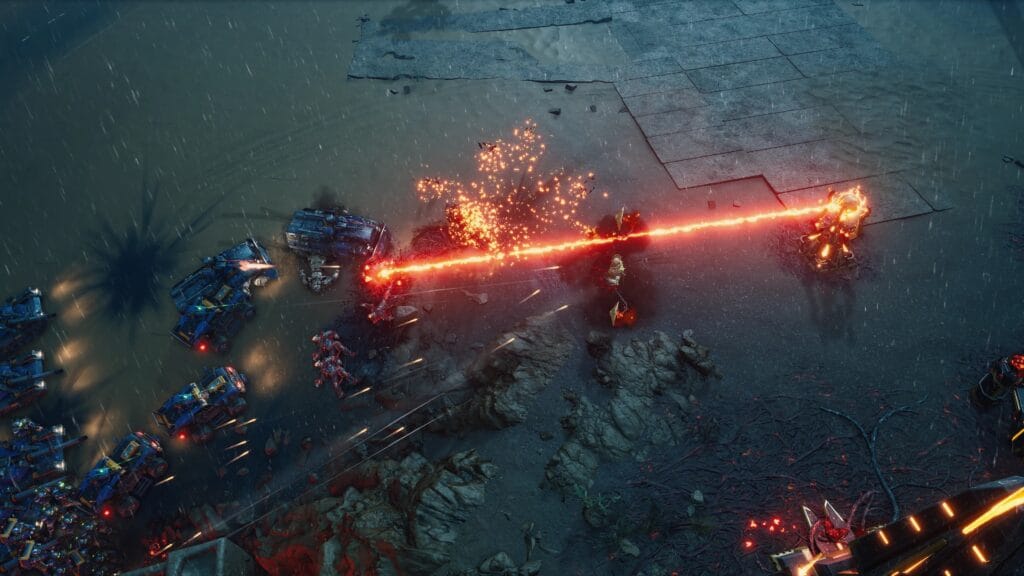
Tempest Rising is the better single-player experience. The campaign has structure, the two factions play asymmetrically in ways that actually change early-game decision-making, and the technical foundation is clean. If you want the spirit of classic Command and Conquer with modern production values, this is that game.
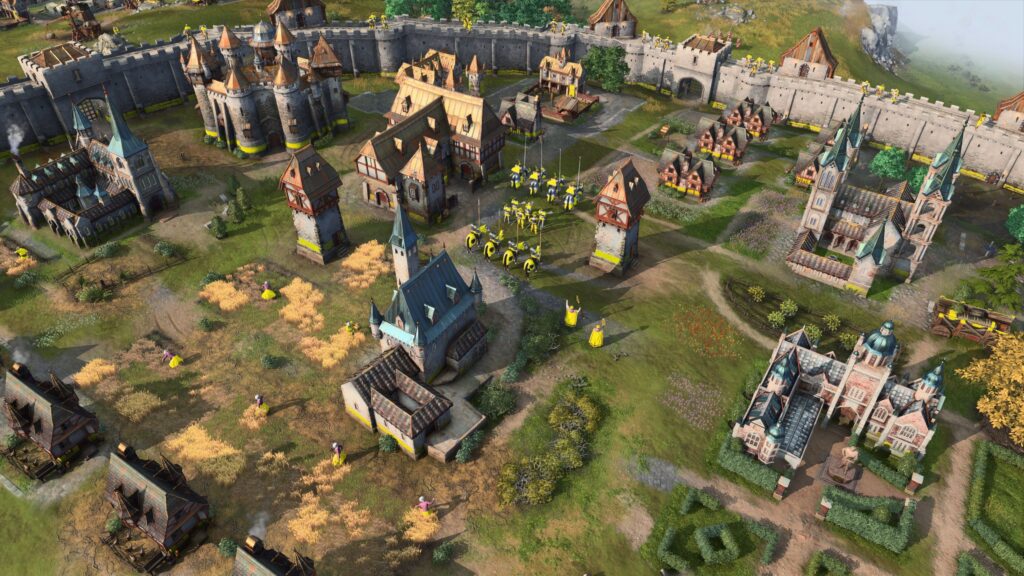
Age of Empires IV has been out since 2021 and is still receiving updates from Relic Entertainment. The 16-civilization roster has real mechanical variety, the tutorials are better than average for the genre, and the ranked ladder has a history. If you want a game with a more established community and a civilizations-based strategic framework, AoE IV is the call.
Our RTS genre guide breaks down how the subgenre’s mechanics work and covers both titles in more depth for players who want to understand the fundamentals before diving in.
Turn-Based 4X
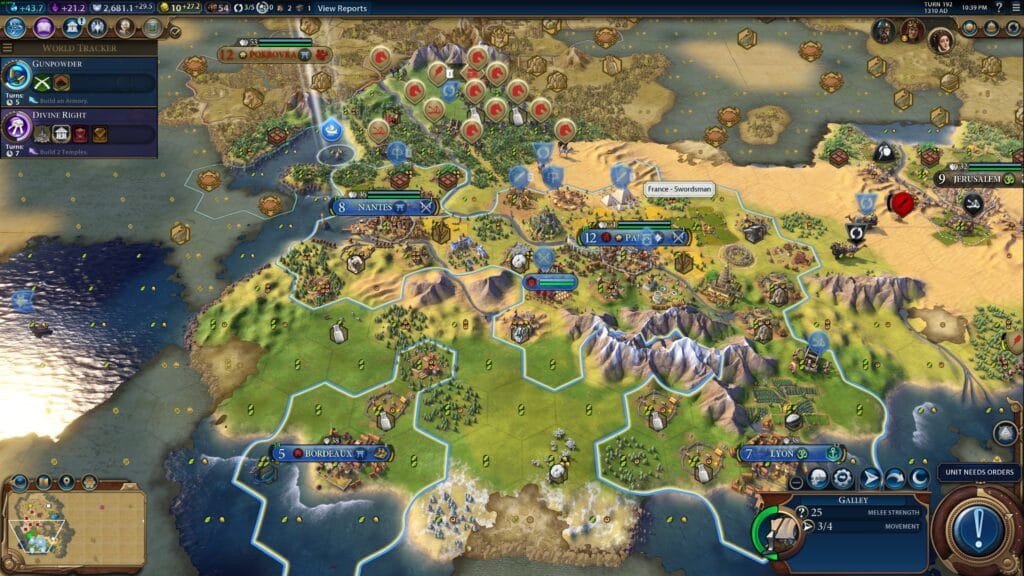
Civilization VII is the current entry point for turn-based 4X strategy. Firaxis redesigned the game’s era progression: each match advances through discrete historical periods, and transitioning between them resets some accumulated progress. That change divided the series fanbase. Players who adapt find the structure tighter and more focused than previous entries. Players who wanted Civ VI with better graphics will be frustrated with it until they stop comparing.
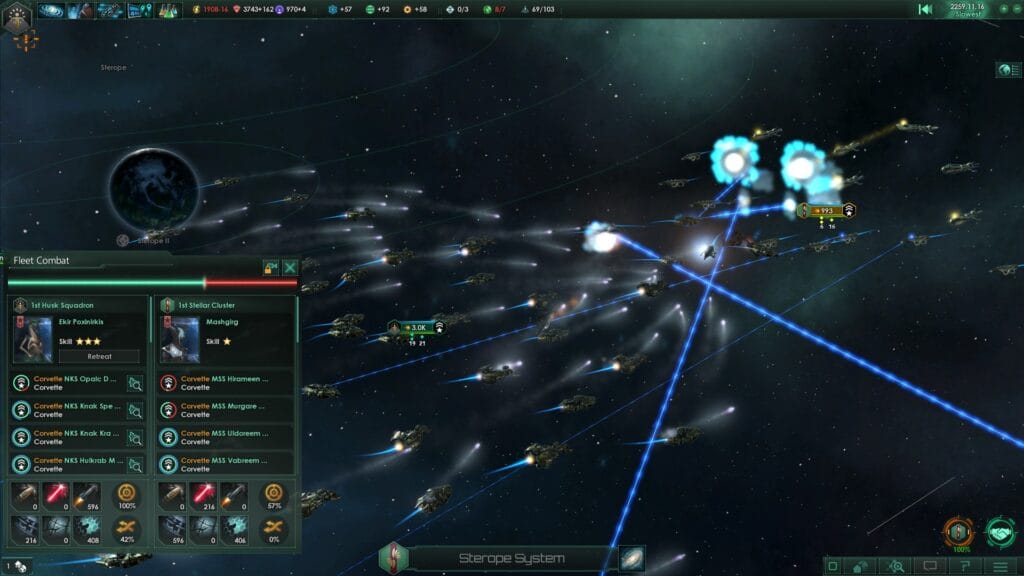
For players who want more complexity per decision, Stellaris is the right next step. Paradox Interactive has supported it for nearly a decade with expansions that have substantially reworked the mid-game and late-game multiple times. The Stellaris Steam page reflects an active player community and a modding scene with hundreds of hours of additional content available for free. If you want to understand why 4X games can consume 500 hours without feeling repetitive, Stellaris demonstrates why better than any other title.
PCGamesN maintains a regularly updated list of the best 4X games that covers more entries in the subgenre if these two aren’t quite the right fit. For a breakdown of what the 4X format actually demands from a player, our 4X strategy game explainer covers the core mechanics and what separates good 4X design from padded busywork.
Grand Strategy
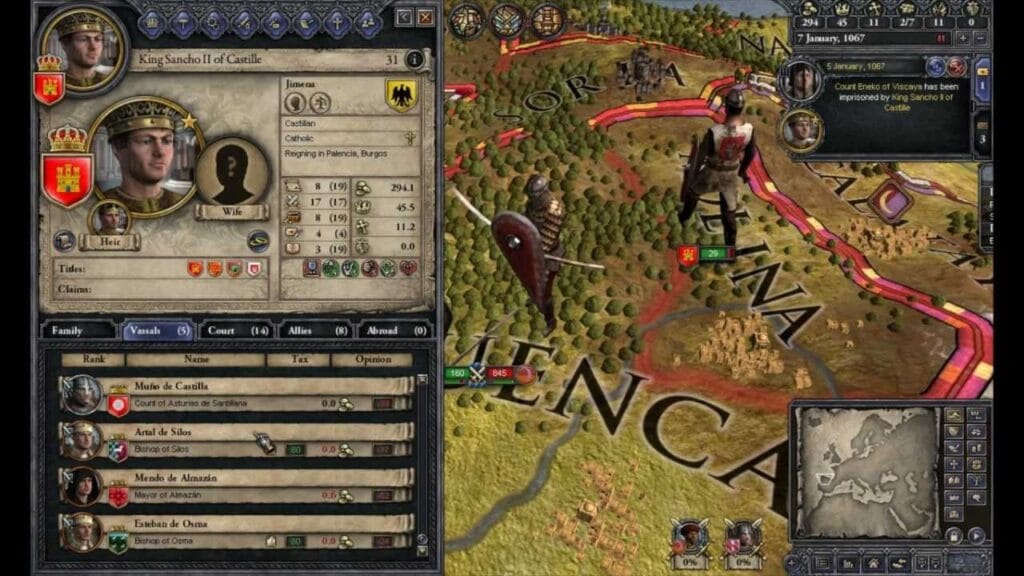
Crusader Kings III is the most accessible Paradox-style grand strategy game, which remains a relative statement , but it’s genuinely a better starting point than Hearts of Iron IV or Europa Universalis IV. You manage a medieval dynasty rather than a country: your character’s health, relationships, traits, rivals, and offspring matter as much as army positioning. The stories it generates are unlike what any other strategy game produces. Two hundred hours in, you’re still encountering situations you haven’t seen before.
The criticism worth hearing: the DLC model is aggressive. The base game is strong, but Paradox has locked meaningful content behind expansions consistently. Going in knowing that is better than discovering it later.
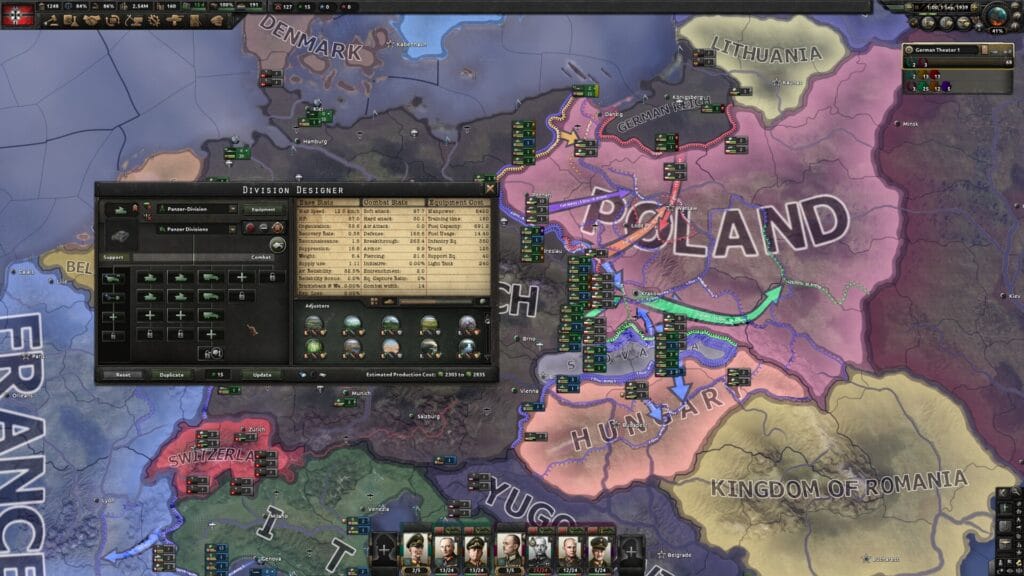
Hearts of Iron IV sits at the other end of the grand strategy spectrum. You manage an entire nation through World War II , supply lines, battle plans, research trees, division templates, political factions. Less storytelling, more logistics. Our guide to grand strategy games for experienced players covers both titles in depth for players who want a more detailed comparison.
Turn-Based Tactics
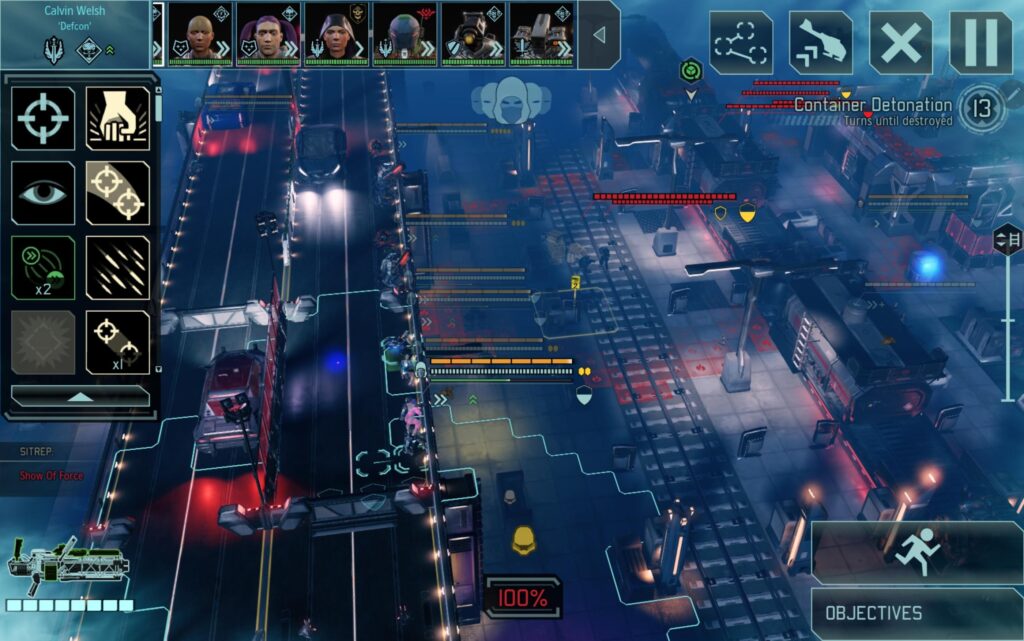
XCOM 2 remains the benchmark for squad-based tactics. Permadeath, persistent soldier customization, resource management between missions, procedurally generated maps, and a resistance narrative that gives the campaign direction. The difficulty modes span from manageable to genuinely punishing, and the hardest settings have supported a dedicated player community for years. The skill ceiling is higher than the early missions suggest.
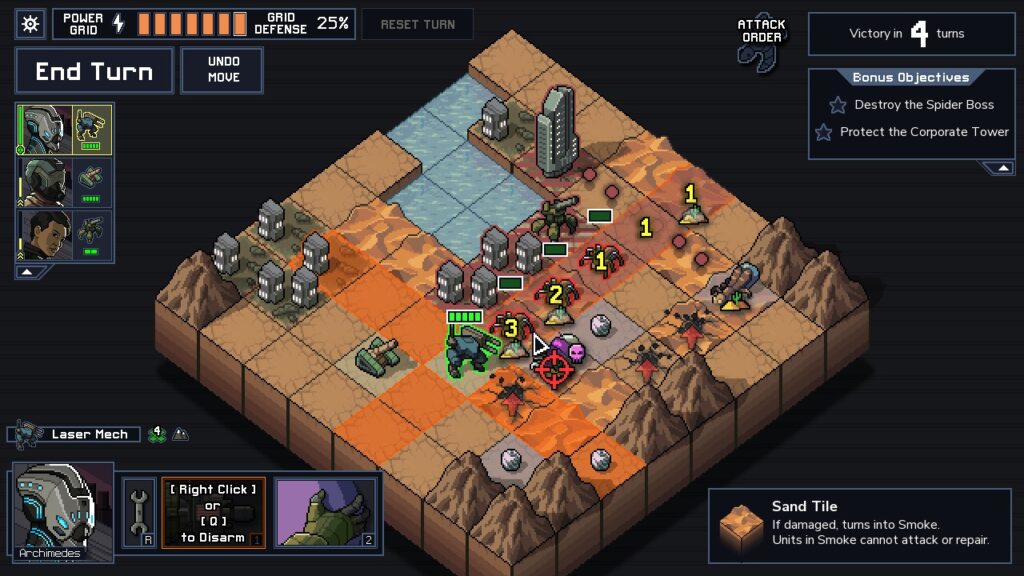
Into the Breach from Subset Games takes the opposite design approach. Boards are small, all enemy attacks are telegraphed before they resolve, and every turn is a logic puzzle with a visible solution. It removes uncertainty and replaces it with clarity: the challenge is finding the best move, not surviving chaos. They’re both worth playing. They cover entirely different territory despite sharing a genre label.
If you want character-driven tactical games with RPG progression layered in, our strategy RPG guide covers Fire Emblem Engage, Tactics Ogre: Reborn, Triangle Strategy, and Unicorn Overlord , the subgenre that sits at the intersection of tactics and character management.
Deck-Building Strategy
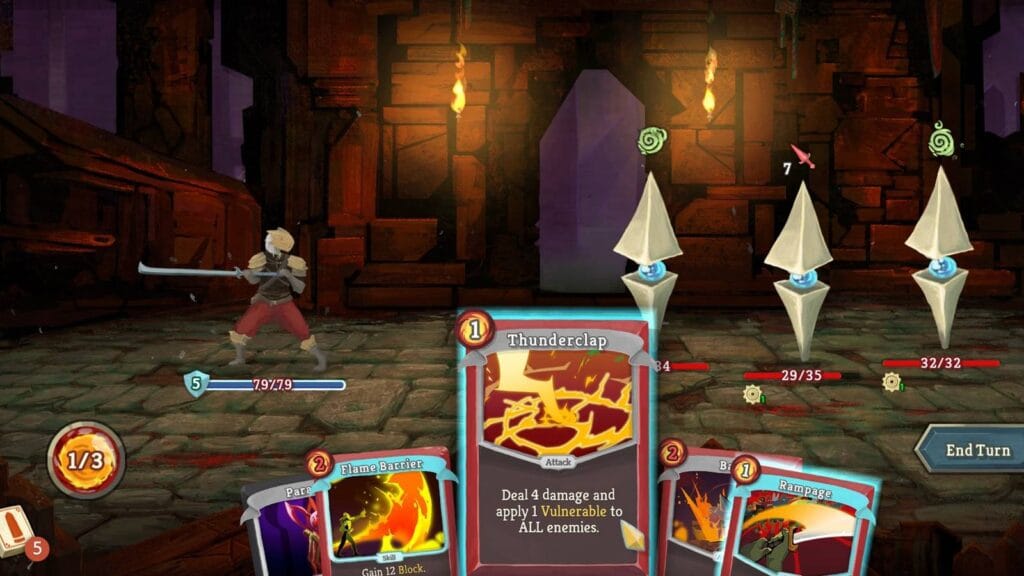
Slay the Spire defined the modern deck-building roguelike and is still the place to start if you haven’t played one. Each run has you drafting cards from a shared pool, building toward internal synergies, and climbing a branching path toward a boss sequence that will end your run multiple times before you understand why. The Slay the Spire Steam page still shows consistent player activity, and the modding community has added characters, mechanics, and content well beyond the base game’s four character runs.
For strategy card games that take the competitive rather than roguelike approach , games like Dominion, Arkham Horror: The Card Game, or Netrunner , our strategy card game guide covers that corner of the genre separately. The decision-making muscles transfer between them, but the experience is different enough to warrant its own discussion.
MOBA
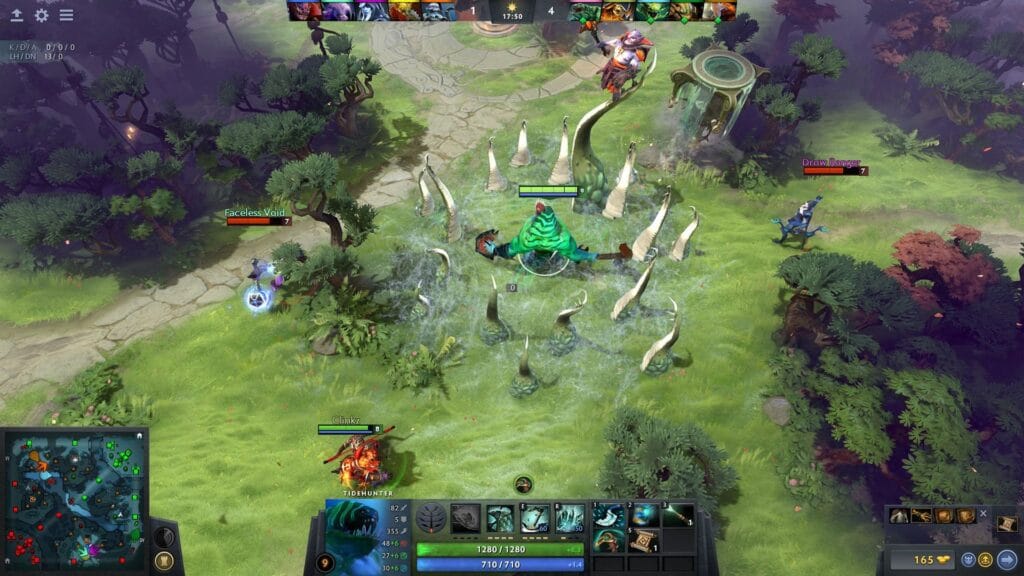
Dota 2 is free, runs on almost any hardware, and has the highest skill ceiling in the subgenre. The on-boarding is genuinely steep. The item system alone , over two hundred items with specific interaction rules , takes multiple sessions just to understand at a surface level. The Dota 2 Steam page has updated beginner guides, but learning from other players in-game tends to be faster than reading them. League of Legends is the more accessible entry point: the client is better, the tutorial system more functional, and the player pool larger. For players brand new to MOBAs, League first, Dota when you want the ceiling higher. (The transition from League to Dota is painful in a way that many returning players describe as clarifying.)
Approachable Picks That Still Reward Planning
Not every classic demands a weekend. These are the games that stay fair while you learn them.
Into the Breach , Full Information, No Excuses
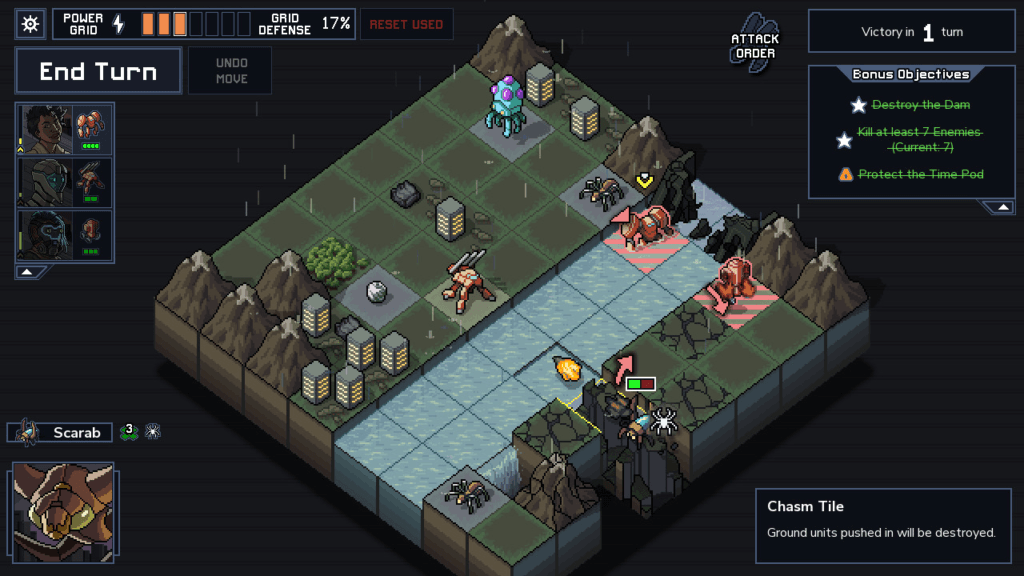
Into the Breach does something almost no other fun strategy game manages: it gives you complete information and still finds ways to make decisions hard. Every enemy shows its next attack before you move. You know exactly what’s coming. The challenge is figuring out how to minimize the damage given the tools you have that turn, and accepting that sometimes the best move still hurts.
Sessions run 20 to 45 minutes. You pick from distinct mech squads with different tactical identities, fight through procedurally varied scenarios, and either succeed or reset with new knowledge about where your approach broke down. The feedback loop is tight and the stakes feel real without the game ever becoming punishing in a way that feels unfair.
It’s one of the tactical turn-based strategy games most often recommended to players who bounced off the genre before, and for good reason. The design is honest about what it’s asking of you. GameSpot’s best turn-based strategy roundup consistently includes it, which reflects how well it’s held its reputation in the genre.
The Battle of Polytopia , 4X in the Time You Have
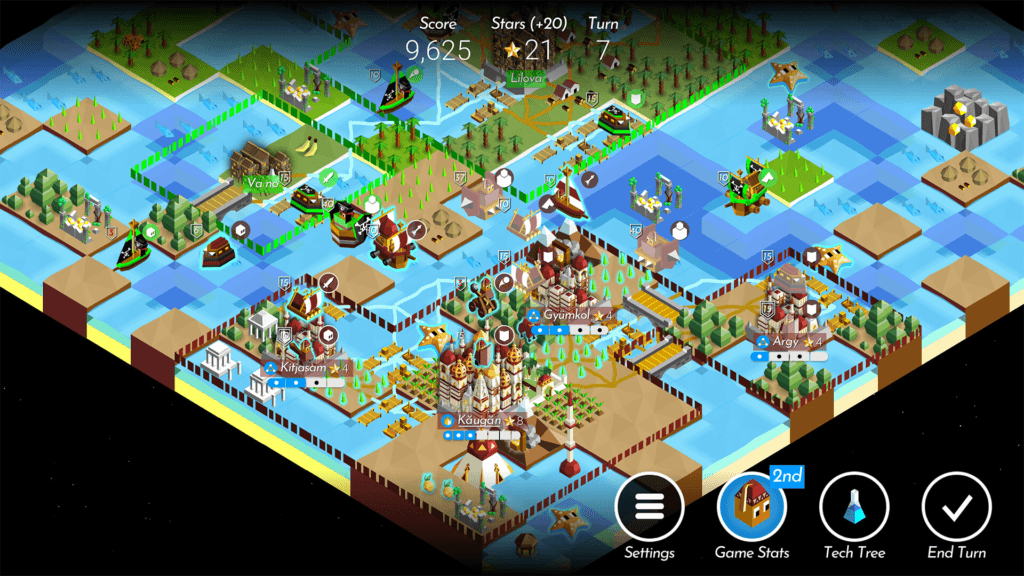
Polytopia takes the 4X structure , explore, expand, exploit, exterminate , and compresses it into something playable on a lunch break. Maps are small, turns are fast, and the tech tree is tight enough that every decision you make actually matters at the scale you’re playing. The game started as a mobile title and the design reflects that: it’s built around short sessions and direct decisions rather than grand five-hour campaigns.
Fifteen tribes are available, each with a distinct starting tech and playstyle that subtly reshapes how you approach the early game. The multiplayer is asynchronous, which means you can run multiple games simultaneously against different opponents and check in when you have a few minutes. It’s one of the better mobile strategy games available and the PC version carries the same quality. The Battle of Polytopia’s official page covers the full tribe roster and platform availability.
Polytopia doesn’t try to be Civilization. It’s doing something different at a different scale, and it’s excellent at what it’s doing. Players who want to explore the broader 4X space afterward will find the transition much smoother than jumping straight into a full Civ or Endless Space campaign.
Bad North , Small Islands, Real Consequences
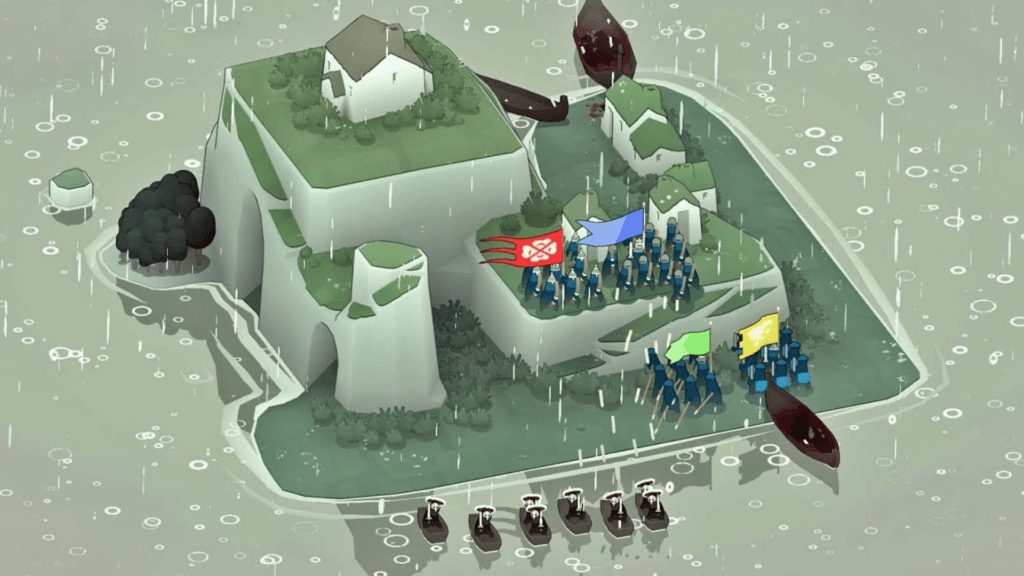
Bad North gives you a series of procedurally generated islands to defend against Viking raiders. You command small squads of fighters positioned on terrain features, and the visual design , bright colors, geometric landscapes, tiny detailed soldiers , makes every fight feel clean and readable. The tactical layer is simple: unit types counter specific threats, terrain shapes engagement angles, and knowing when to retreat is as important as knowing when to hold.
The roguelike structure means permanent losses accumulate across your run. You can lose units, which matters more in this game than most because the squad you’ve kept alive long enough to promote has actual value. The emotional weight from losing a veteran commander you’ve had since the early islands is genuine, which is an odd thing to say about such a minimalist game. GamesNGuide’s list of beginner-friendly strategy games includes Bad North for exactly this reason , the mechanics are transparent but the decisions carry weight.
It’s also one of the few approachable strategy games with a visual presentation so clean it passes as art. The game works as a surface-level experience and as a tactics game with actual depth. Both audiences find something worth returning to.
Slay the Spire , Deck-Building That Doesn’t Condescend
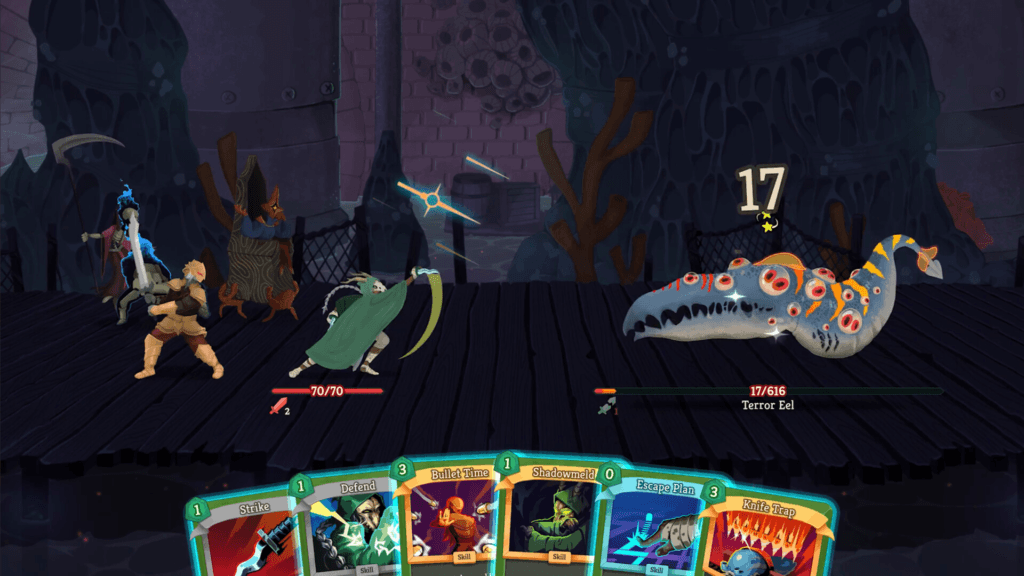
Slay the Spire is a deck-building roguelike where you construct a card hand from scratch each run and use it to fight through procedurally generated encounters on the way to the boss. The design asks you to make tradeoffs between short-term power and long-term coherence. A card that’s strong in isolation can break the synergy you’ve been building. Picking correctly means thinking several decisions ahead.
The four base characters each have distinct mechanics that reward different approaches to deck construction. The Ironclad blocks and attacks. The Silent poisons and evades. The Defect manipulates orbs. The Watcher enters stances that multiply damage at calculated risk. Each one teaches you something different about how the system works. The deck-building strategy games space has grown substantially since Slay the Spire launched, but most of what came after it is building on the foundation this game established.
Slay the Spire 2 launched in early access in 2026 and has already hit a monthly peak of over 362,000 concurrent players on Steam, which tells you something about how the player base feels about the franchise. The original remains the cleaner entry point for newcomers to the genre.
Mini Metro , Strategy Disguised as Calm
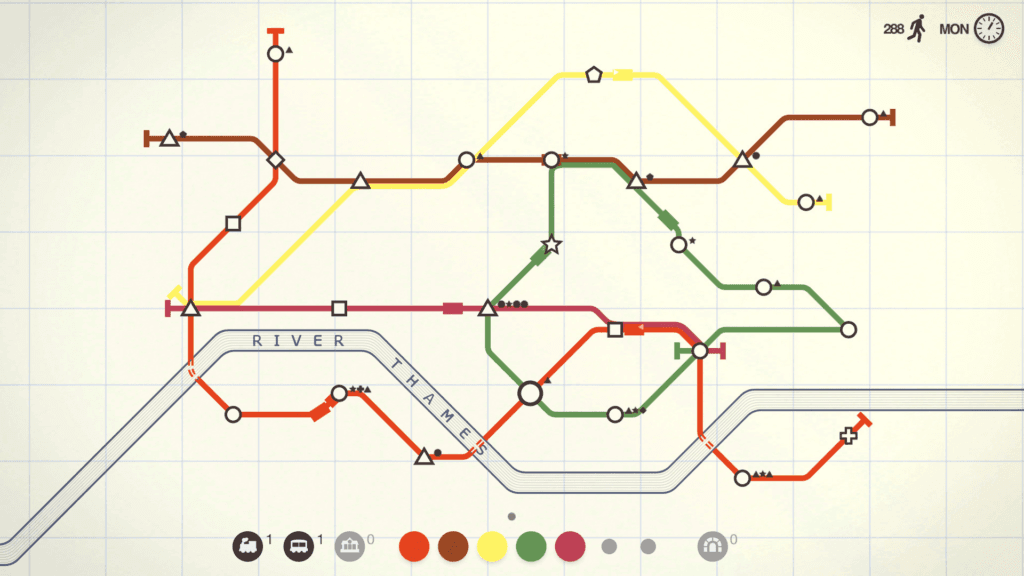
Mini Metro looks like a relaxation app. You draw subway lines between stations, manage passenger flow, and try to keep the system from overloading as new stations appear and demand increases. It has the visual language of a design portfolio piece. It will quietly destroy you if you let it.
The strategy is resource allocation under time pressure: limited lines, limited carriages, limited tunnel capacity, and a city that never stops adding problems for you to solve. The relaxing strategy games label fits in the sense that it doesn’t yell at you, but the underlying decisions are genuinely demanding once you’re past the early stages. The mobile version is one of the strongest strategy games that work across age groups , the concept is simple enough to explain in thirty seconds and deep enough to hold adult attention across multiple playthroughs.
What These Games Share
Every entry here created or perfected a format. Civilization II codified 4X design. Age of Empires II set the standard for accessible RTS. StarCraft defined competitive real-time play. Rome: Total War merged campaign and battle layers. Crusader Kings II made dynasty systems a genre. XCOM rebuilt tactics games for a new generation.
They’re all still playable. Not “great for their time” playable. Actually playable, right now, in 2026. That’s what earns a game the label of greatest strategy games of all time, not review scores from two decades ago.
Where to Go From Here
If you’re new to the genre, XCOM: Enemy Unknown and Age of Empires II: Definitive Edition are the best entry points on this list. Both are accessible without sacrificing depth, and both have active player communities.
For the current strategy landscape, our strategy game rankings cover what’s worth playing now. The strategy game guides section breaks each subgenre down in depth. For the tactics and RPG end of the genre specifically, the strategy RPG coverage is a solid next stop. Strategygame.org tracks the whole genre, classic and current.
