Quick Rundown
The term strategy rpg games covers a lot of ground. It includes classics that defined tactical gaming for a generation, modern entries that refined the formula without gutting it, and ambitious indie releases that finally let smaller studios compete with the genre’s biggest names. It also covers a long tail of games where the RPG label is mostly marketing — titles that dress up stat inflation as strategic depth and call it tactics. This list cuts through that.
The picks here earn their place through combat systems that actually demand decisions. Each one sits in our tactical role-playing guides because the strategic layer is genuine, not cosmetic.
What Separates Good SRPGs from the Rest
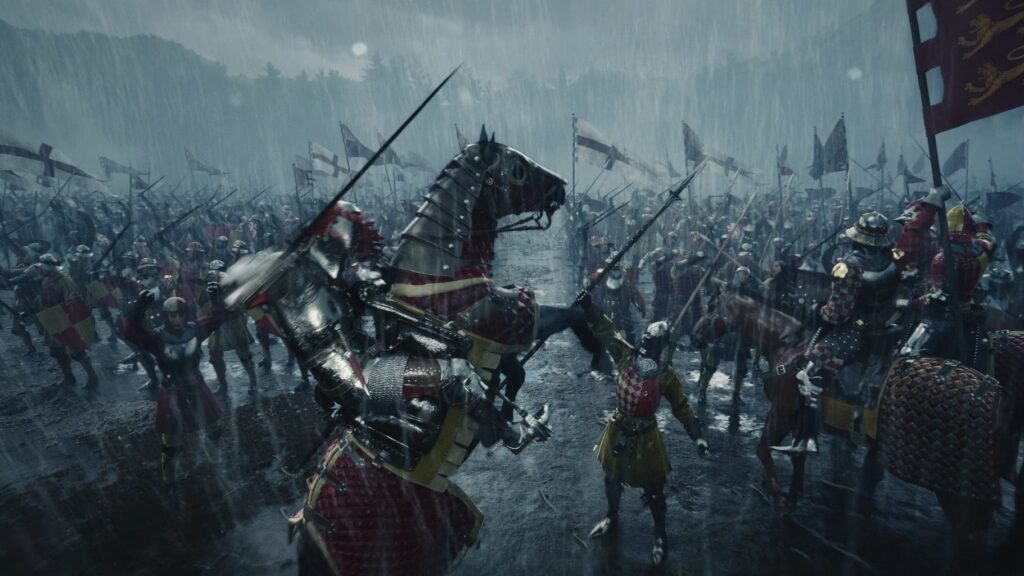
The best turn-based strategy games — and srpg games specifically — share one trait: every map is a puzzle with more than one valid solution. Enemy layout, terrain, unit movement ranges, and win conditions all interact. Good maps force trade-offs. Bad maps give you enough levels and gear to ignore the map design entirely, which is the genre’s most common failure mode.
That’s the filter this list runs through. High story weight is welcome, provided the combat justifies the time between cutscenes. Loot systems are fine, provided they don’t replace positioning and skill with raw stat gaps. Every game below passes that test in a way most SRPG releases don’t.
Fire Emblem: Engage
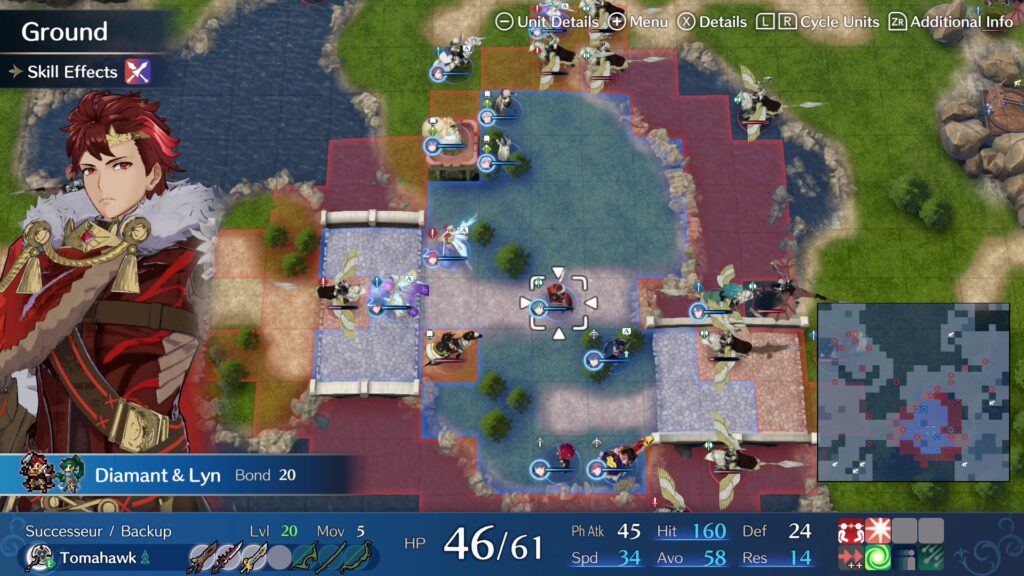
The Fire Emblem series spent several entries muddying its identity — more social simulation, lighter tactics, easier maps across the board. Engage pulled back toward the combat mechanics and delivered the most mechanically interesting entry in years. The Emblem Ring system lets you equip summoned heroes from past games, each granting different skills and abilities that fundamentally change how a unit performs on the map. Managing which rings to assign across your roster before each battle is a genuine strategic layer that previous entries in the franchise didn’t have.
Fire Emblem remains the most accessible entry point into tactical role playing games for players coming from other strategy genres. Three Houses is the fan favorite for story and character depth; Engage is the stronger recommendation if combat complexity is the priority. Both are Nintendo Switch exclusives, which keeps them underplayed among PC-first strategy players — and both deserve more attention than they get outside the Nintendo ecosystem.
Tactics Ogre: Reborn
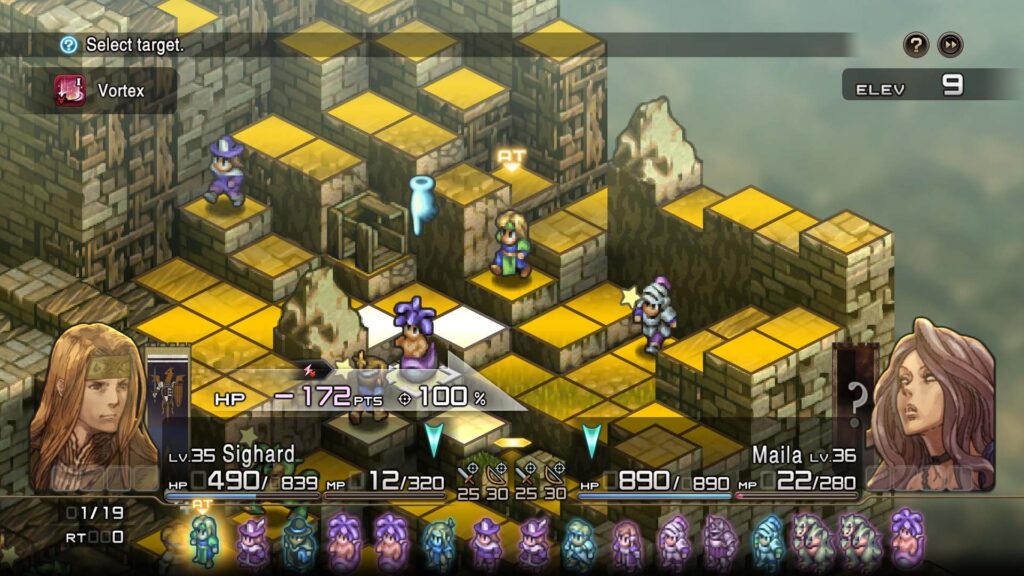
Tactics Ogre: Reborn is the 2022 remake of a 1995 game that influenced every SRPG released in the two decades after it. The fire emblem srpg lineage and the entire Japanese tactical RPG tradition owe a significant debt to the original Tactics Ogre. Reborn modernizes the systems, cleans up the interface, and adds a rewind mechanic that makes the notoriously punishing encounters more approachable without making them trivial.
The combat is the most positional on this list. Elevation matters. Flanking matters. Unit class and spell access matter more than raw levels. The story also branches based on decisions you make mid-battle, so replaying for a different route isn’t just narrative curiosity — it changes the tactical scenarios you face. Tactics Ogre: Reborn on Steam is the pick if you want the genre at its most demanding.
For context on the era this game emerged from, our PS1 turn-based strategy retrospective covers the late-90s tactics boom that Tactics Ogre helped create — including Final Fantasy Tactics, which shares its creative lineage.
Triangle Strategy
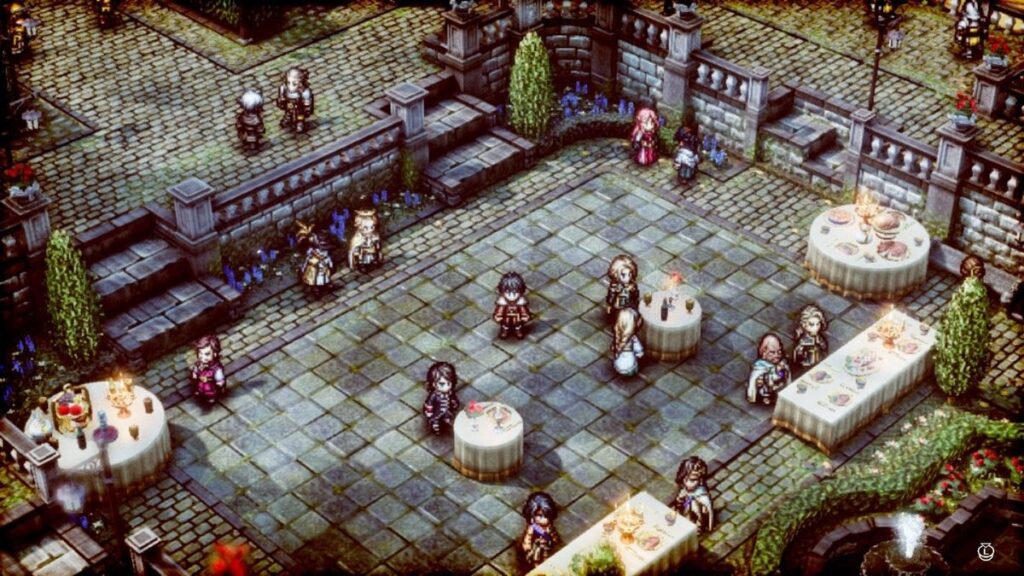
Triangle Strategy gets called slow by players who skip the political drama between battles. Those players are also playing the wrong game — if you want pure back-to-back combat with minimal story, Triangle Strategy will test your patience fast. For everyone else, it’s one of the most complete packages the genre has produced.
The HD-2D visual style looks exceptional on any screen. The branching political narrative — built around three rival nations and the ideological conflicts between them — carries real weight. The tactical combat requires more attention to unit positioning than most Fire Emblem entries in the last decade. And the Scales of Conviction system, where your party members vote on major decisions based on their personal values, produces genuine surprises that no amount of prior research fully prepares you for. Triangle Strategy on Steam is available for players who missed the Switch launch window.
Unicorn Overlord
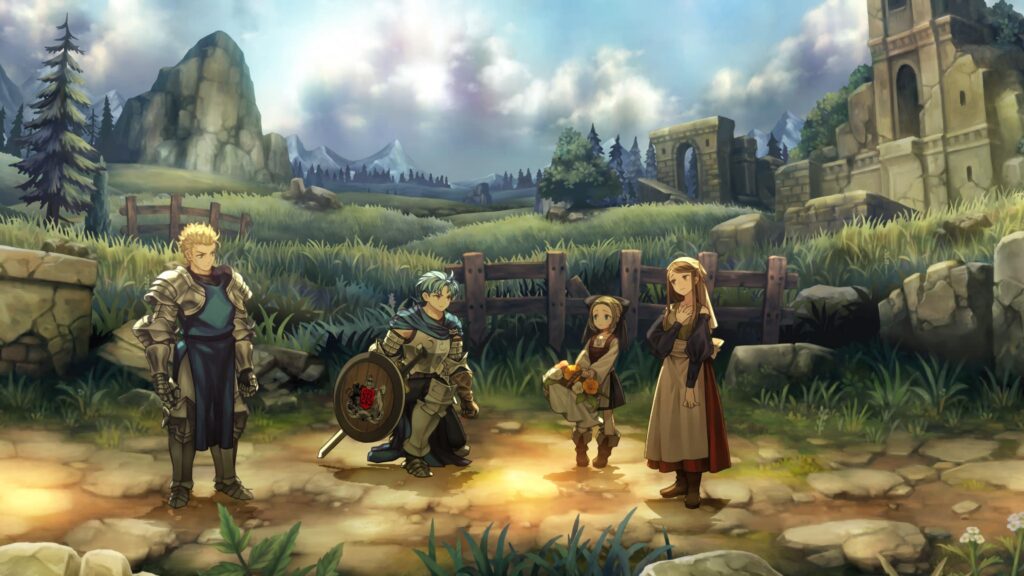
Unicorn Overlord, from Vanillaware, does something most strategy rpg games don’t attempt: it makes the overworld feel like a strategic game in its own right. You liberate towns, build supply routes, and recruit a growing coalition of factions across an open map before each formal engagement. The combat itself runs through a real-time auto-battle system where your pre-battle formation and unit composition do the strategic work rather than moment-to-moment positioning on a grid.
That makes it divisive among SRPG traditionalists, and the division is understandable. It’s not Tactics Ogre. But the depth buried in unit composition, passive ability stacking, and tactical synergy across squads is genuine — a competitive player community emerged specifically because of how much complexity lives in the formation system. It’s also Vanillaware at their visual best. Unicorn Overlord’s official site lists full platform availability across Switch, PlayStation, and PC.
Symphony of War: The Nephilim Saga
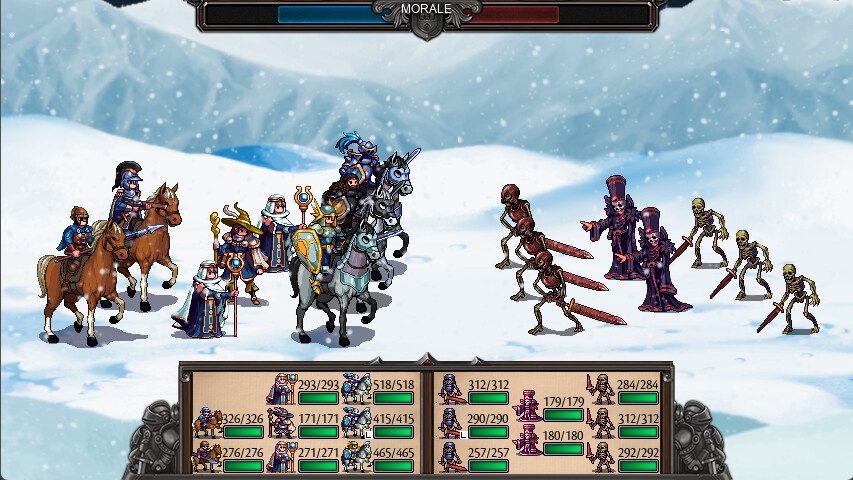
Symphony of War is an indie SRPG that punches well above its budget. The unit system — where each “unit” is actually a squad of multiple soldiers with different classes, morale states, and internal positioning — creates more tactical nuance than most AAA tactics releases manage. You’re building squads and managing morale under fire, not just positioning individual heroes, which changes the strategic calculus in ways that feel fresh next to the genre’s bigger names.
The production value is clearly indie-scale. The systems are not. Symphony of War: The Nephilim Saga on Steam is one of the best-value tactics purchases available right now and worth grabbing before the genre’s next major release steals the conversation.
Combat Depth vs Story Weight: How to Choose
Every game on this list has both a combat layer and a story layer, but the balance differs significantly. Here’s the honest breakdown:
- Story and characters first: Fire Emblem: Three Houses or Triangle Strategy
- Hardest maps, most demanding systems: Tactics Ogre: Reborn
- Unconventional combat design: Unicorn Overlord
- Depth at a lower price point: Symphony of War
One genre line worth drawing: srpg games are fundamentally different from grand strategy games even though both are turn-based and story-heavy. Grand strategy operates at the nation level over hundreds of in-game years. SRPGs operate at squad level over a single campaign. Both genres belong in a complete strategy collection — they scratch different parts of the same itch and don’t replace each other.
The contrast with real-time strategy games is just as useful: RTS rewards fast execution and split-second decision-making. SRPGs reward patient planning and precise positioning. Knowing which mental mode you’re in before starting a new game saves time and frustration.
A Few More Notes
The SRPG genre has a significant mobile presence. Fire Emblem Heroes has logged years of content updates, and there are strong tactical options available alongside it. Our mobile strategy games guide covers what’s genuinely worth your time on that platform, including which tactical RPGs translate well to touchscreen.
The genre also has growing overlap with deckbuilding — several newer releases blend grid tactics with card mechanics in ways that are worth tracking. Our strategy card games guide covers that adjacent space for players interested in the crossover territory.
For everything else across the genre, Strategygame.org tracks new releases and rankings across every strategy format. The turn-based strategy category has more active titles right now than any comparable window in the genre’s history — the pipeline for 2026 is worth watching.
