Quick Rundown
The best strategy games in 2026 span more ground than any one player has time to cover. Real-time base-building, turn-based empire management, grand strategy dynasty politics, deck-building roguelikes, and MOBA team play all fall under the strategy umbrella and share almost nothing except a demand that you think before you act. Most players master one subgenre and stay there. This list is for anyone ready to cross that line.
One or two picks per subgenre. One honest strength per game. One honest criticism. No recap padding at the end.
What Makes a Good Cross-Genre Pick
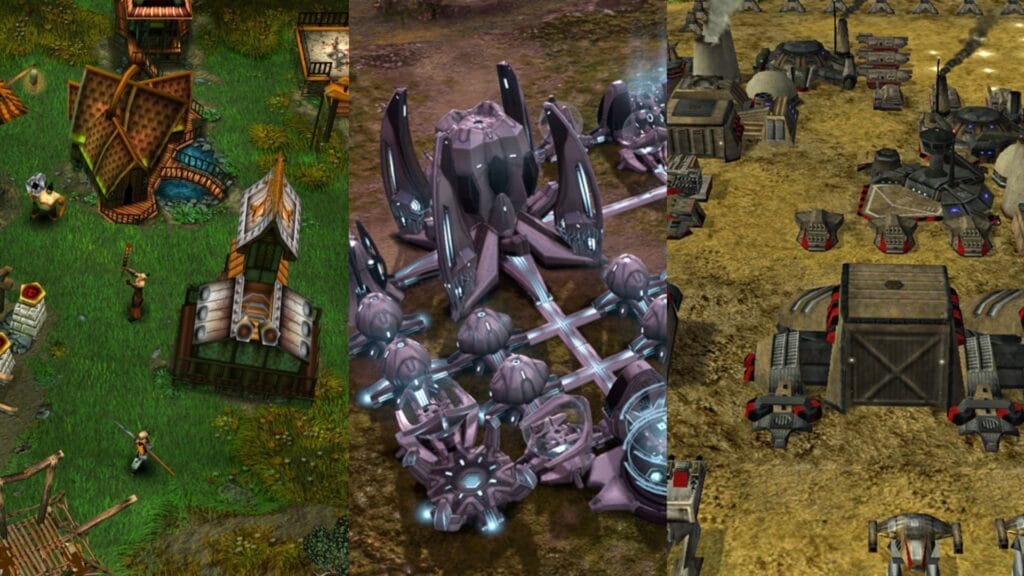
A top strategy games list that spans subgenres needs a consistent standard. The games here were chosen on three criteria: they represent their subgenre honestly (not as a dumbed-down version of it), they’re actively playable in 2026, and they have enough critical mass — review consensus, player base, or community support — to back the recommendation. That rules out hidden gems that require archaeology to install and overhyped new releases that haven’t held up long enough to evaluate fairly.
Real-Time Strategy
Two games define the current RTS tier: Tempest Rising and Age of Empires IV. They solve different problems and suit different players.
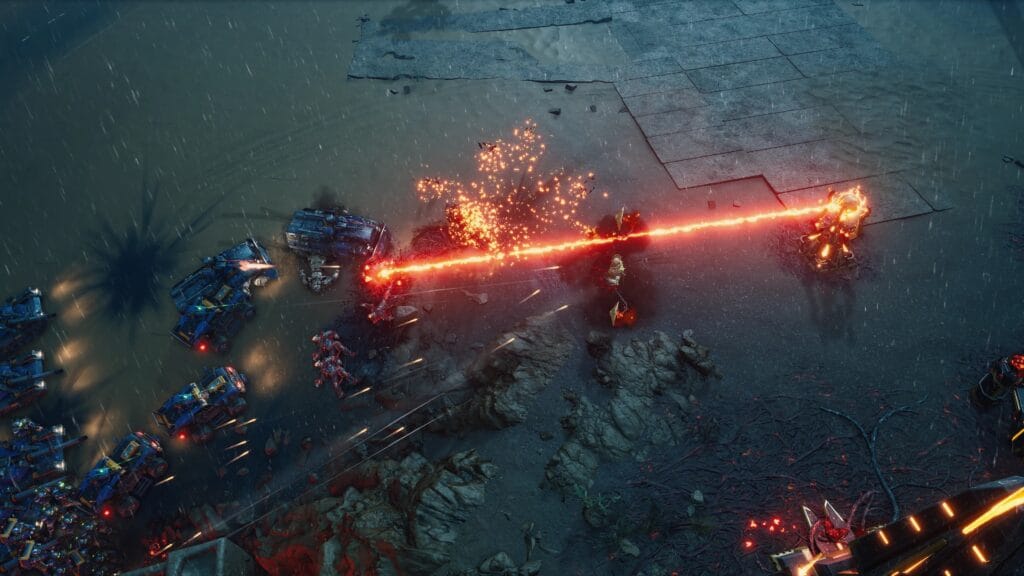
Tempest Rising is the better single-player experience. The campaign has structure, the two factions play asymmetrically in ways that actually change early-game decision-making, and the technical foundation is clean. If you want the spirit of classic Command and Conquer with modern production values, this is that game.
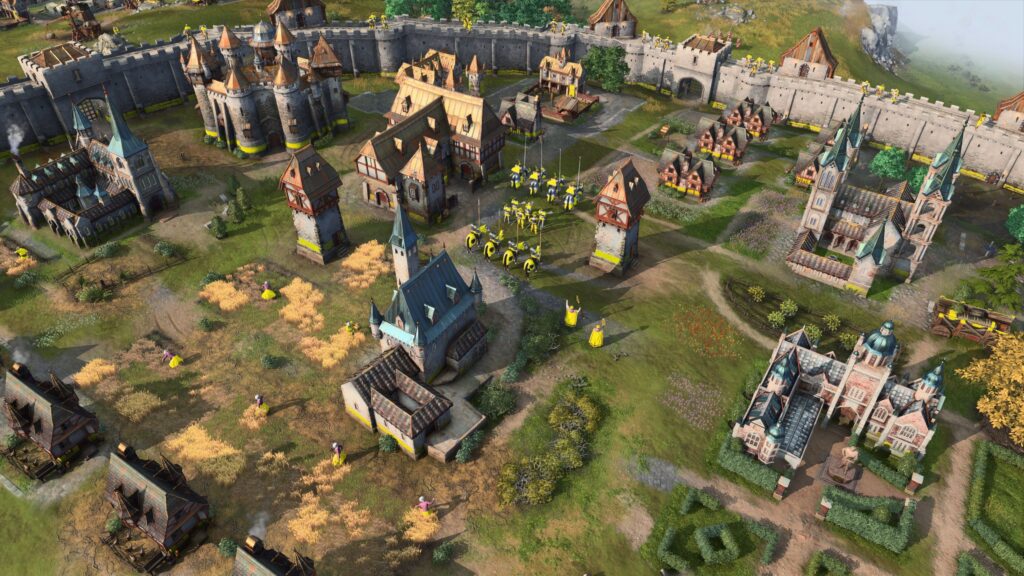
Age of Empires IV has been out since 2021 and is still receiving updates from Relic Entertainment. The 16-civilization roster has real mechanical variety, the tutorials are better than average for the genre, and the ranked ladder has a history. If you want a game with a more established community and a civilizations-based strategic framework, AoE IV is the call.
Our RTS genre guide breaks down how the subgenre’s mechanics work and covers both titles in more depth for players who want to understand the fundamentals before diving in.
Turn-Based 4X
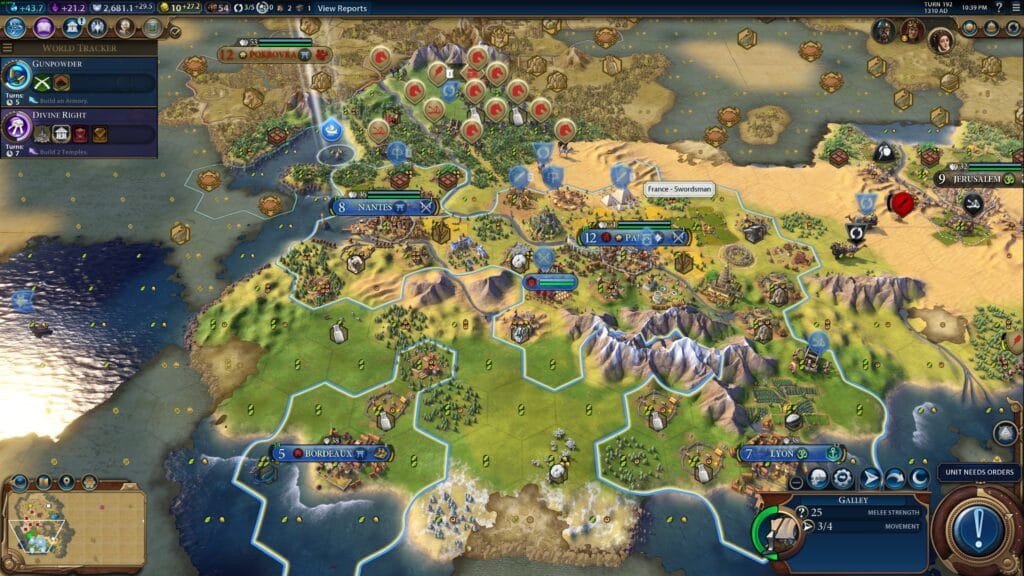
Civilization VII is the current entry point for turn-based 4X strategy. Firaxis redesigned the game’s era progression: each match advances through discrete historical periods, and transitioning between them resets some accumulated progress. That change divided the series fanbase. Players who adapt find the structure tighter and more focused than previous entries. Players who wanted Civ VI with better graphics will be frustrated with it until they stop comparing.
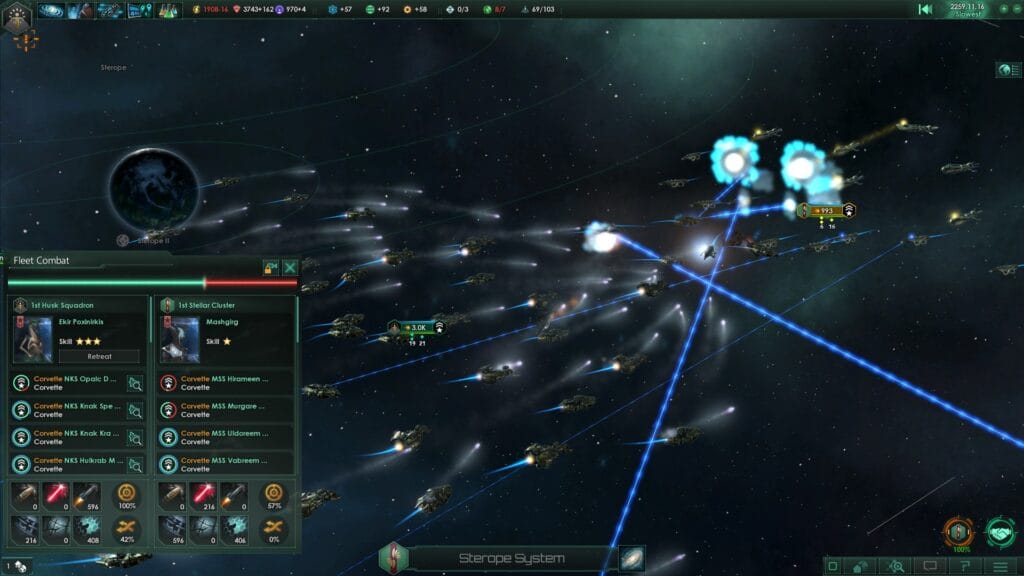
For players who want more complexity per decision, Stellaris is the right next step. Paradox Interactive has supported it for nearly a decade with expansions that have substantially reworked the mid-game and late-game multiple times. The Stellaris Steam page reflects an active player community and a modding scene with hundreds of hours of additional content available for free. If you want to understand why 4X games can consume 500 hours without feeling repetitive, Stellaris demonstrates why better than any other title.
PCGamesN maintains a regularly updated list of the best 4X games that covers more entries in the subgenre if these two aren’t quite the right fit. For a breakdown of what the 4X format actually demands from a player, our 4X strategy game explainer covers the core mechanics and what separates good 4X design from padded busywork.
Grand Strategy
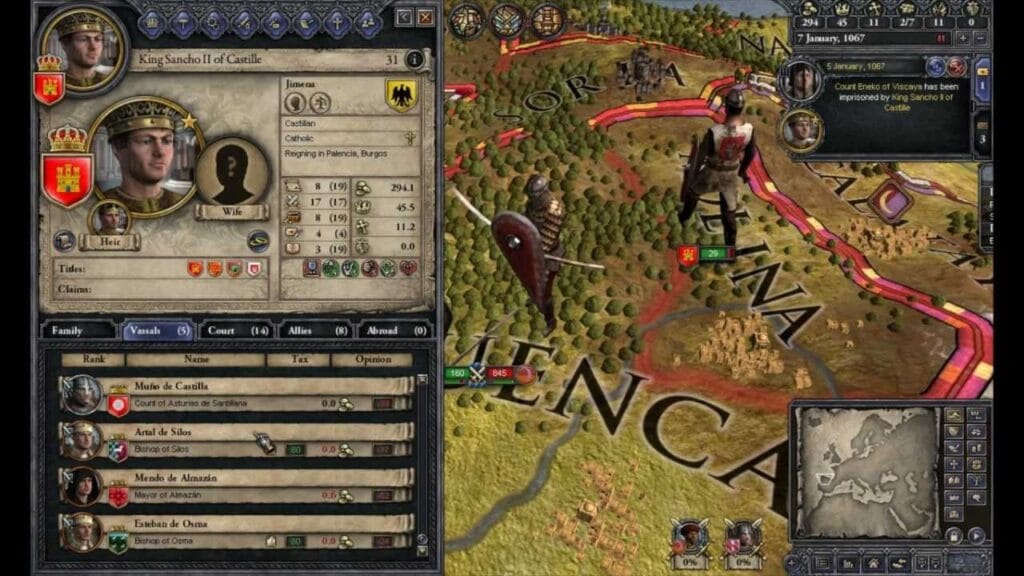
Crusader Kings III is the most accessible Paradox-style grand strategy game, which remains a relative statement — but it’s genuinely a better starting point than Hearts of Iron IV or Europa Universalis IV. You manage a medieval dynasty rather than a country: your character’s health, relationships, traits, rivals, and offspring matter as much as army positioning. The stories it generates are unlike what any other strategy game produces. Two hundred hours in, you’re still encountering situations you haven’t seen before.
The criticism worth hearing: the DLC model is aggressive. The base game is strong, but Paradox has locked meaningful content behind expansions consistently. Going in knowing that is better than discovering it later.
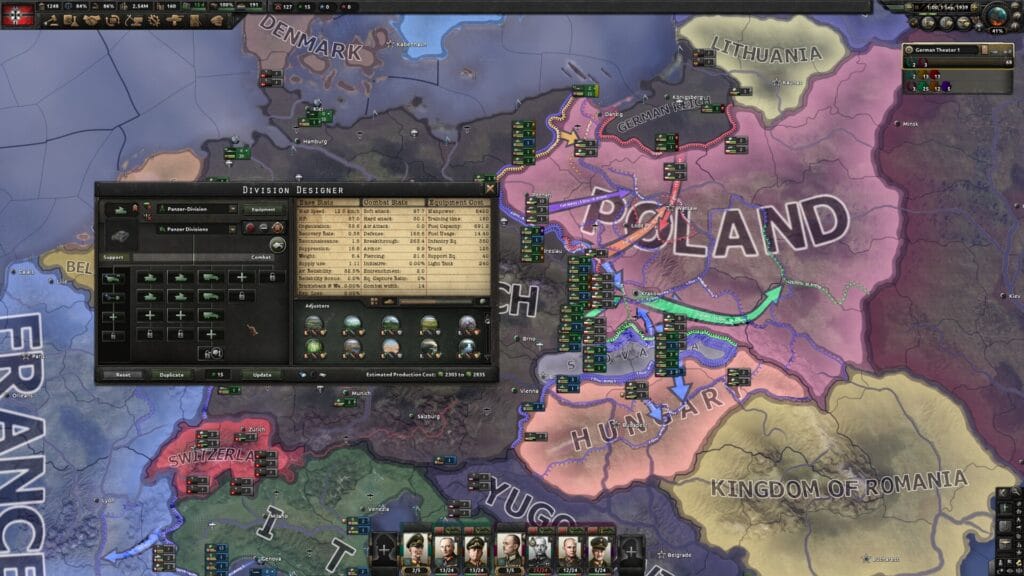
Hearts of Iron IV sits at the other end of the grand strategy spectrum. You manage an entire nation through World War II — supply lines, battle plans, research trees, division templates, political factions. Less storytelling, more logistics. Our guide to grand strategy games for experienced players covers both titles in depth for players who want a more detailed comparison.
Turn-Based Tactics
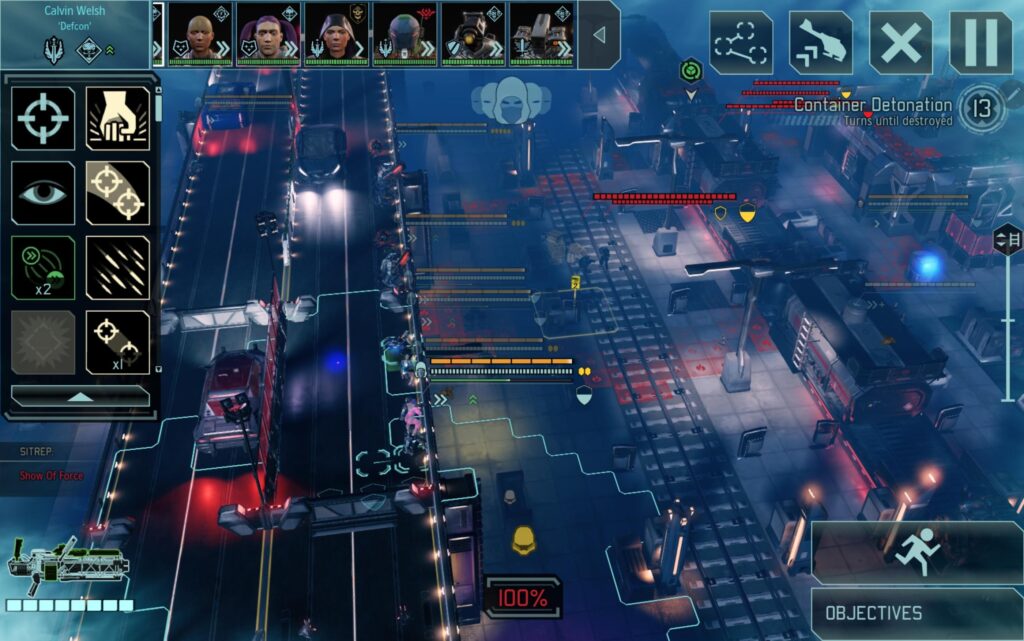
XCOM 2 remains the benchmark for squad-based tactics. Permadeath, persistent soldier customization, resource management between missions, procedurally generated maps, and a resistance narrative that gives the campaign direction. The difficulty modes span from manageable to genuinely punishing, and the hardest settings have supported a dedicated player community for years. The skill ceiling is higher than the early missions suggest.
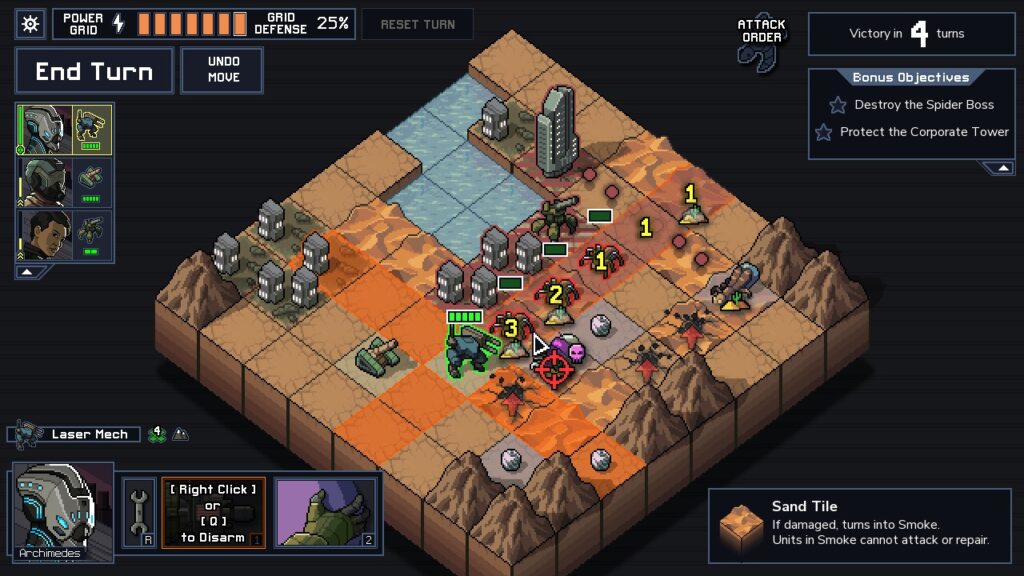
Into the Breach from Subset Games takes the opposite design approach. Boards are small, all enemy attacks are telegraphed before they resolve, and every turn is a logic puzzle with a visible solution. It removes uncertainty and replaces it with clarity: the challenge is finding the best move, not surviving chaos. They’re both worth playing. They cover entirely different territory despite sharing a genre label.
If you want character-driven tactical games with RPG progression layered in, our strategy RPG guide covers Fire Emblem Engage, Tactics Ogre: Reborn, Triangle Strategy, and Unicorn Overlord — the subgenre that sits at the intersection of tactics and character management.
Deck-Building Strategy
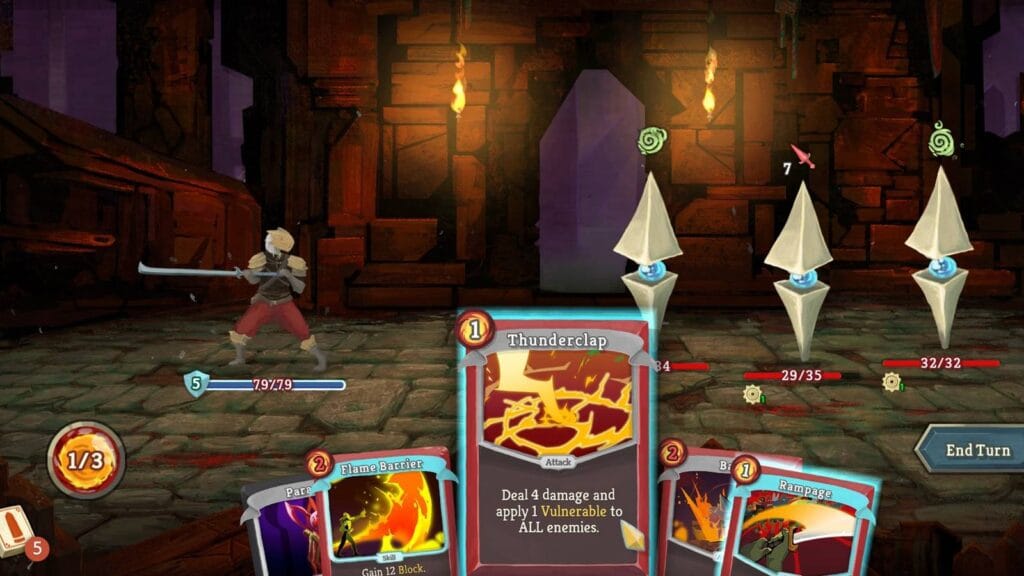
Slay the Spire defined the modern deck-building roguelike and is still the place to start if you haven’t played one. Each run has you drafting cards from a shared pool, building toward internal synergies, and climbing a branching path toward a boss sequence that will end your run multiple times before you understand why. The Slay the Spire Steam page still shows consistent player activity, and the modding community has added characters, mechanics, and content well beyond the base game’s four character runs.
For strategy card games that take the competitive rather than roguelike approach — games like Dominion, Arkham Horror: The Card Game, or Netrunner — our strategy card game guide covers that corner of the genre separately. The decision-making muscles transfer between them, but the experience is different enough to warrant its own discussion.
MOBA
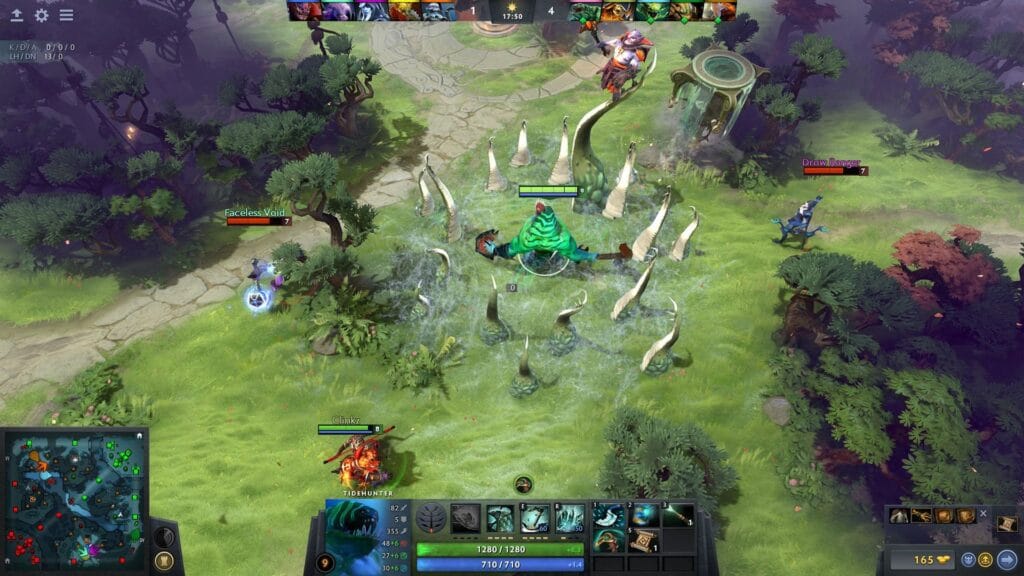
Dota 2 is free, runs on almost any hardware, and has the highest skill ceiling in the subgenre. The on-boarding is genuinely steep. The item system alone — over two hundred items with specific interaction rules — takes multiple sessions just to understand at a surface level. The Dota 2 Steam page has updated beginner guides, but learning from other players in-game tends to be faster than reading them. League of Legends is the more accessible entry point: the client is better, the tutorial system more functional, and the player pool larger. For players brand new to MOBAs, League first, Dota when you want the ceiling higher. (The transition from League to Dota is painful in a way that many returning players describe as clarifying.)
The Full Picture
The greatest strategy games reward the same underlying skill across all of these subgenres: the ability to build a mental model of a complex system and update it when new information changes what you thought you knew. The format changes. The depth doesn’t.
Our full turn-based strategy games list has more entries for the TBS tier than this overview covers. StrategyGame organizes all of these subgenres in one place — rankings, guides, and news across PC, mobile, console, and tabletop. Our strategy game rankings list the top titles per subgenre in more depth when a single recommendation per category isn’t enough. And our strategy game guides go into the mechanics — build orders, opening strategies, faction primers — for most of the titles on this list.