The best MOBA games all charge the same entry fee: a stretch of matches where you’re the weakest player in the lobby and everyone lets you know it. What you get back depends entirely on which game you pick. Some pay out in depth, some in convenience, some in friends who still talk to you after a 40-minute loss.
This ranking covers the six MOBAs worth that fee in 2026, plus two worth watching. The genre slot in our cross-genre ranking only had room for one pick. This is the full picture.
How We Ranked the Best MOBA Games
Four things matter more than hero counts or graphics. Population, because matchmaking quality is a function of queue size. Time-to-competence, meaning how many hours before you stop being a liability. Monetization, specifically whether money buys power or just cosmetics. And ladder mood, the polite term for how miserable your teammates will make you. The same criteria run through our rankings across every genre, but in MOBAs they’re the whole game.
Population numbers below lean on the same sources as our player-count roundup, updated for mid-2026.
1. League of Legends
Still the biggest competitive game on the planet, and that fact does a lot of quiet work. Queues pop in seconds at every skill level in every region. The new-player experience has been sanded down for fifteen years. The champion roster passed 170 and somehow most of them see play.
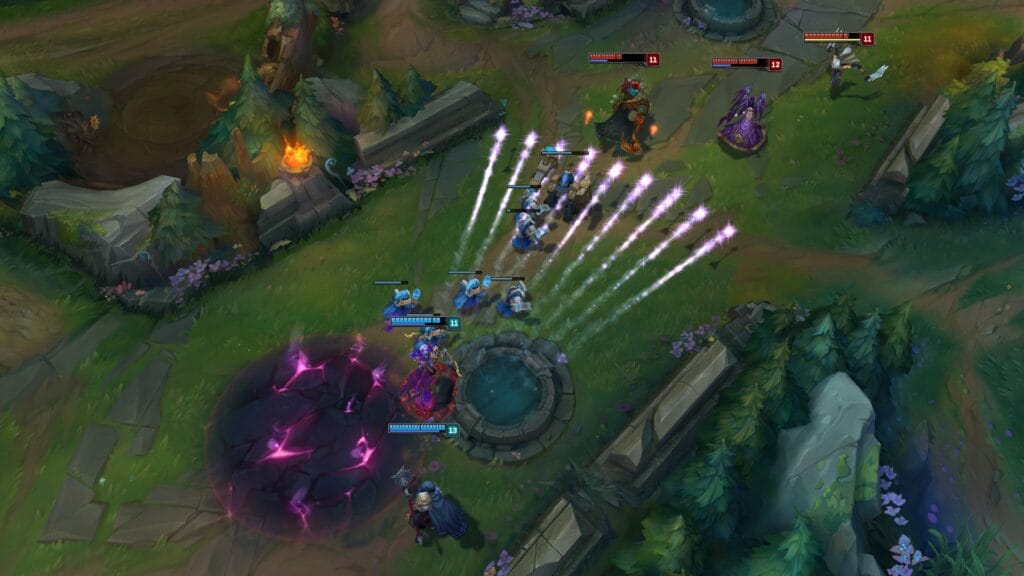
The honest costs: League of Legends has the most refined toxicity in gaming, the kind that arrives in your first match and never fully leaves. And Riot balances around pro play, so your favorite champion will eventually be patched out from under you. Play it because everyone plays it. That’s not a dig. In a genre where population is gameplay, it’s the strongest argument there is.
2. Dota 2
Dota 2 is the deep end. Every hero free from match one, mechanics the tutorial doesn’t even attempt to explain, and a community that treats the learning curve as a rite of passage. It’s also the most generous competitive game ever made: nothing that affects gameplay costs money, ever.
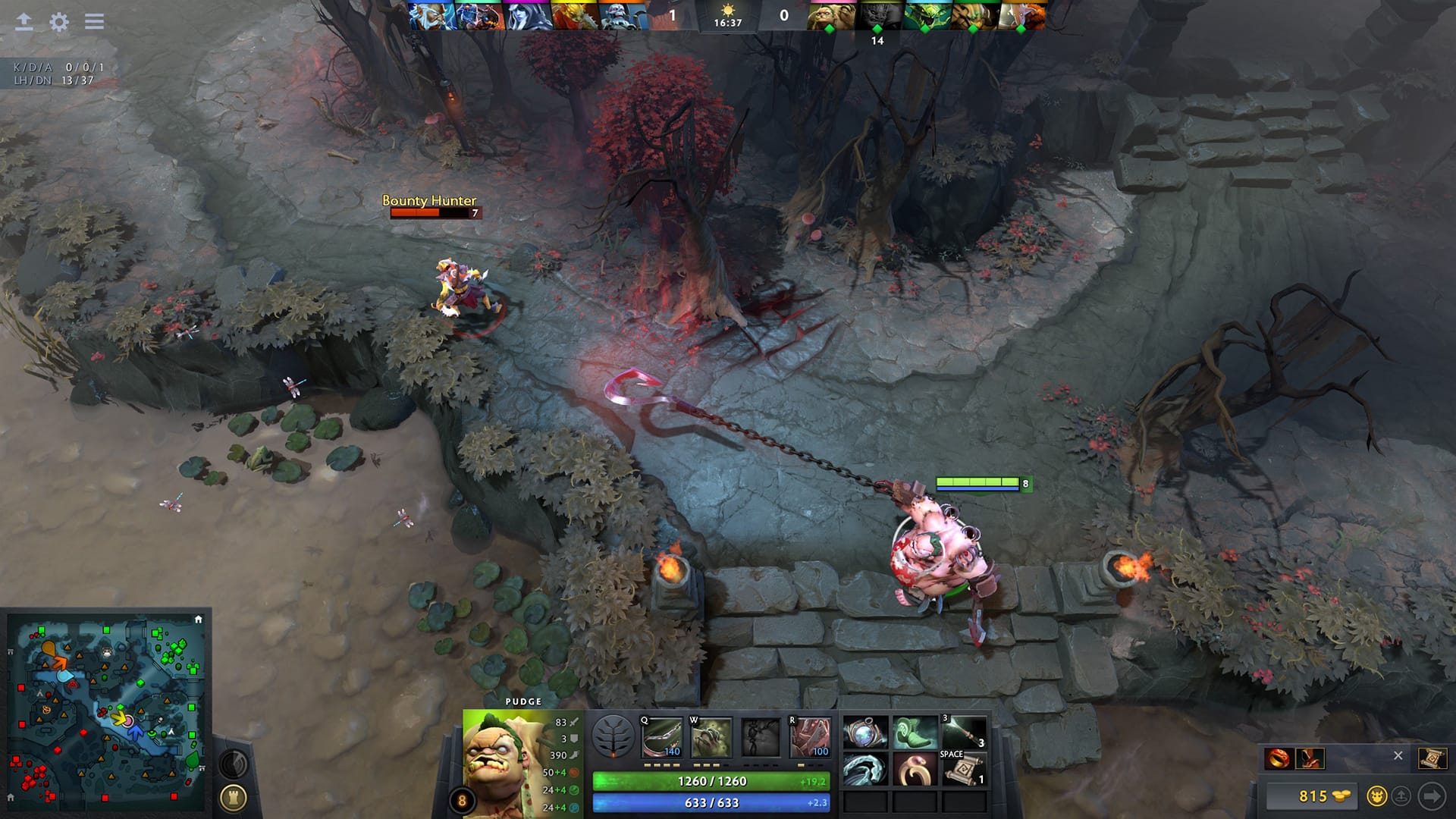
The genre’s RTS roots show clearest here. Denying creeps, couriers, day-night cycles, trees you can eat. Dota 2 kept every sharp edge League filed off. Pick it if you want the version of the genre where knowledge compounds for a decade. Avoid it if you want to have fun this month.
3. Deadlock
Valve’s shooter-MOBA hybrid sits this high without a marketing campaign, a finished release, or by some readings a release date at all. Lanes, creep farming, an item shop, and a souls economy straight out of Dota, except you aim everything yourself in third person.
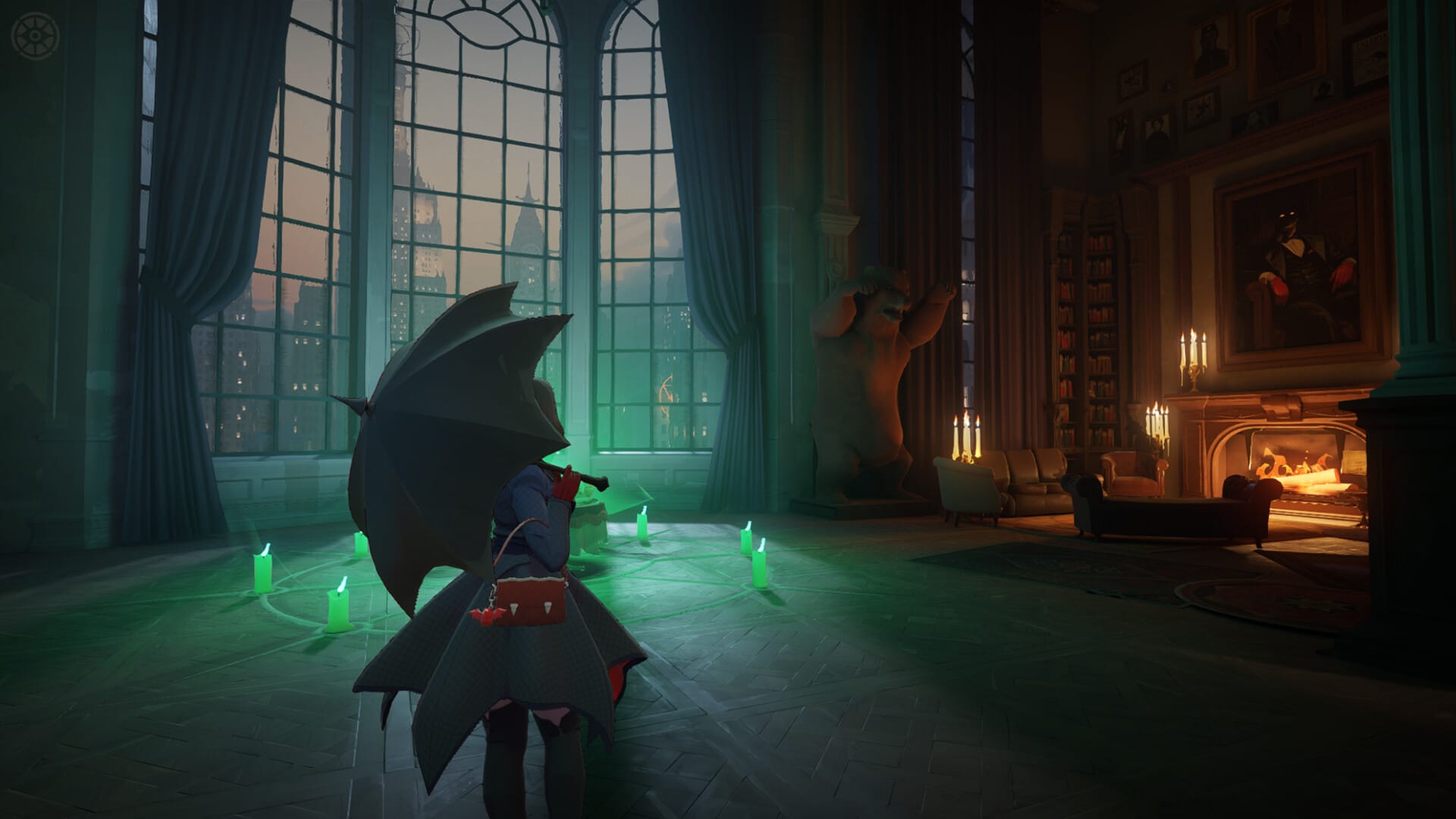
It earns the slot because it solved the genre’s oldest problem: mechanical skill and strategic skill finally pull equal weight. The caveats are real, though. Hero balance swings hard between patches, and Valve’s update cadence is famously moody. Treat it as the genre’s future, currently in rough cut.
4. SMITE 2
The Unreal Engine 5 rebuild gave the god-brawler MOBA a second life. Everything is a skillshot from a third-person camera, which changes what information you have mid-fight. You can’t see behind you. Isometric MOBAs can’t replicate that tension.
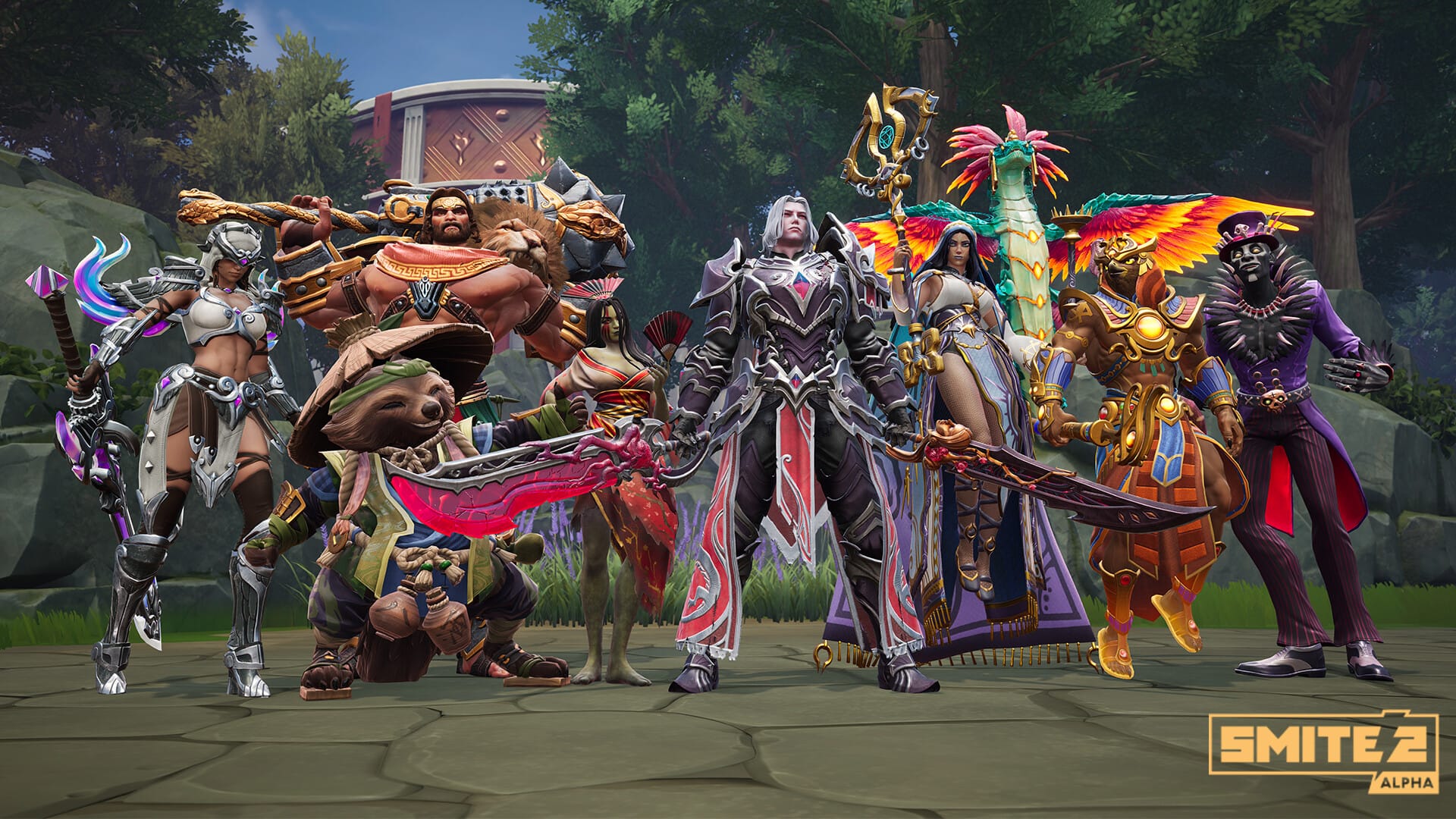
SMITE 2 is also the only entry here that treats console players as first-class citizens, with full crossplay and controller support that doesn’t feel like an apology. It’s the natural pick for a five-stack of friends on mixed hardware, the same crowd our voice-chat strategy roundup was written for. The downside is population. Healthy, growing, but a fraction of the big two, and off-peak queues at high ranks show it.
5. Mobile Legends: Bang Bang
Easy to dismiss from a PC chair, impossible to dismiss from the numbers. Mobile Legends owns Southeast Asia, fills arenas for its M-series world championship, and delivers a competent full MOBA in matches that fit inside a lunch break. Queues are instant at any hour because somewhere it’s always peak time.
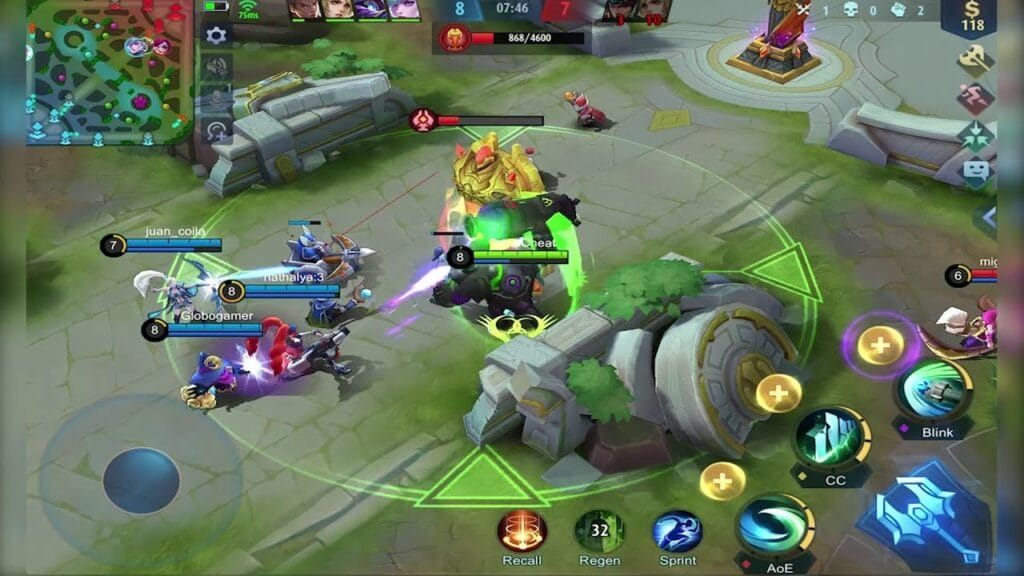
The criticisms are also real. Hero acquisition is a grind tuned to sell skins and starlight passes, and the emblem system flirts with pay-for-convenience. As a strategy game it’s shallower than Wild Rift. As a habit that fits a phone and fifteen free minutes, it’s the genre’s most efficient package, and it pairs naturally with the rest of our mobile strategy picks.
6. Pokemon Unite
The friendliest front door the genre has. Ten-minute matches, scoring zones instead of base-racing, and a license that means your kid, your partner, or your MOBA-skeptic friend will actually try it.
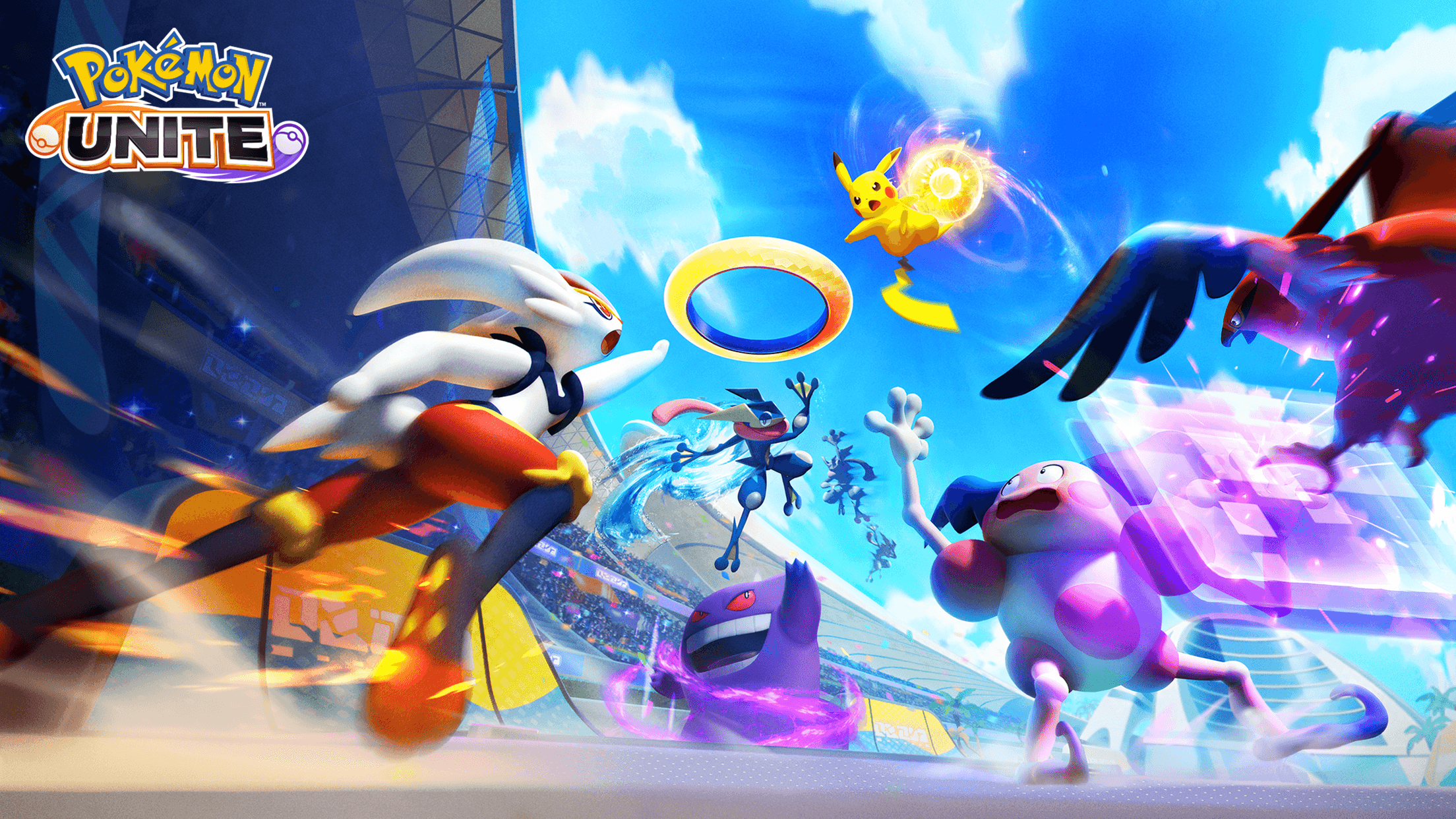
Pokemon Unite still carries its old reputation for pay-to-win held items, which years of rebalancing have softened but never fully erased. Rank it by what it does well: teaching the genre’s actual skills, rotations, objective timing, and fight selection, in a package that doesn’t punish you for learning.
Worth Watching: Predecessor and Honor of Kings
Predecessor keeps Paragon’s third-person MOBA vision alive on Unreal Engine 5 and plays better than its modest population suggests. The matchmaking pays the price for that population, which is the whole problem with recommending it. Honor of Kings, the biggest MOBA on earth by raw players, keeps pushing its global rollout. If either breaks through, next year’s edition of this list looks different. Both already earn a spot on a watch list alongside the top strategy games of 2026.
MOBA Games Like League of Legends
If you already play League and want something adjacent, here is what carries over and where to land.
What Actually Transfers When You Switch
More than you’d think. Wave management, rotation timing, objective trading, and vision discipline are genre skills, not League skills. If you understand what makes a MOBA a MOBA, you understand all of these games at the macro level on day one.
What doesn’t transfer: champion-specific mechanics, item builds, and your rank. Every game below will place you lower than your ego expects for the first few weeks. Population matters too, since queue health varies wildly outside the big two. The numbers in our player-count roundup are worth a look before you commit.
Wild Rift: The Lateral Move
The most muscle memory transfers here, because it’s literally the same champions. Wild Rift rebuilds League for phones with twin-stick controls and 15-to-20-minute matches.
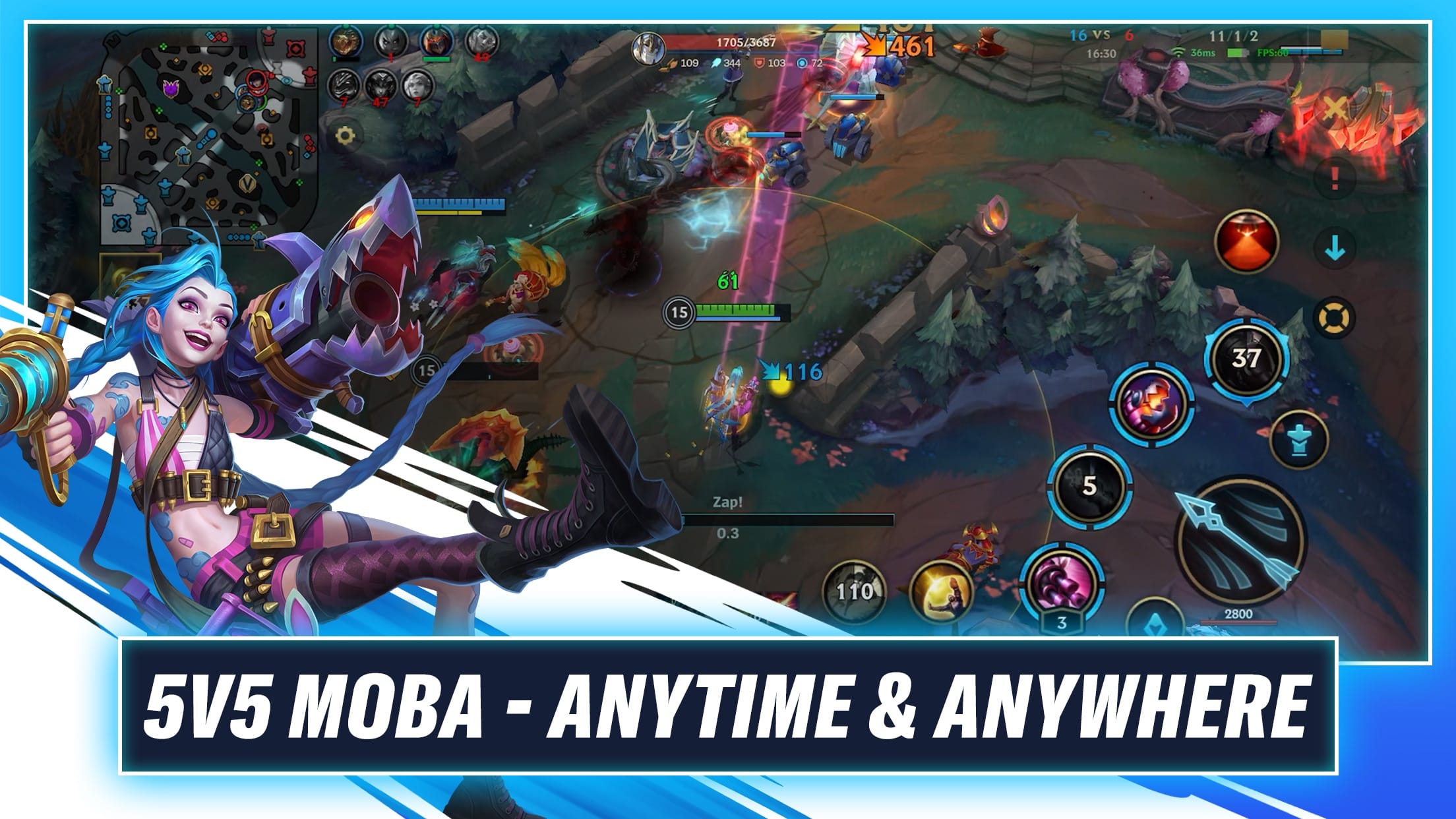
What it fixes: the time commitment. A full ranked session fits in the gap where one PC game used to live. What it loses: roster depth and some mechanical ceiling, since the touch version trails PC by design. If the phone format appeals on its own, our mobile MOBA ranking covers the full field.
New MOBA Games Worth Queuing For
The newer end of the genre, beyond the ranked picks above.
Project ZETA: The Wildcard in Testing
KRAFTON has been quietly running closed tests for Project ZETA through 2026, with a China test in late March and a Korean weekly test in May. It’s the most format-curious of the upcoming MOBA games in active development: five teams of three, third-person action, and a shared map where the objective is racing to extract Prisms rather than pushing a base.
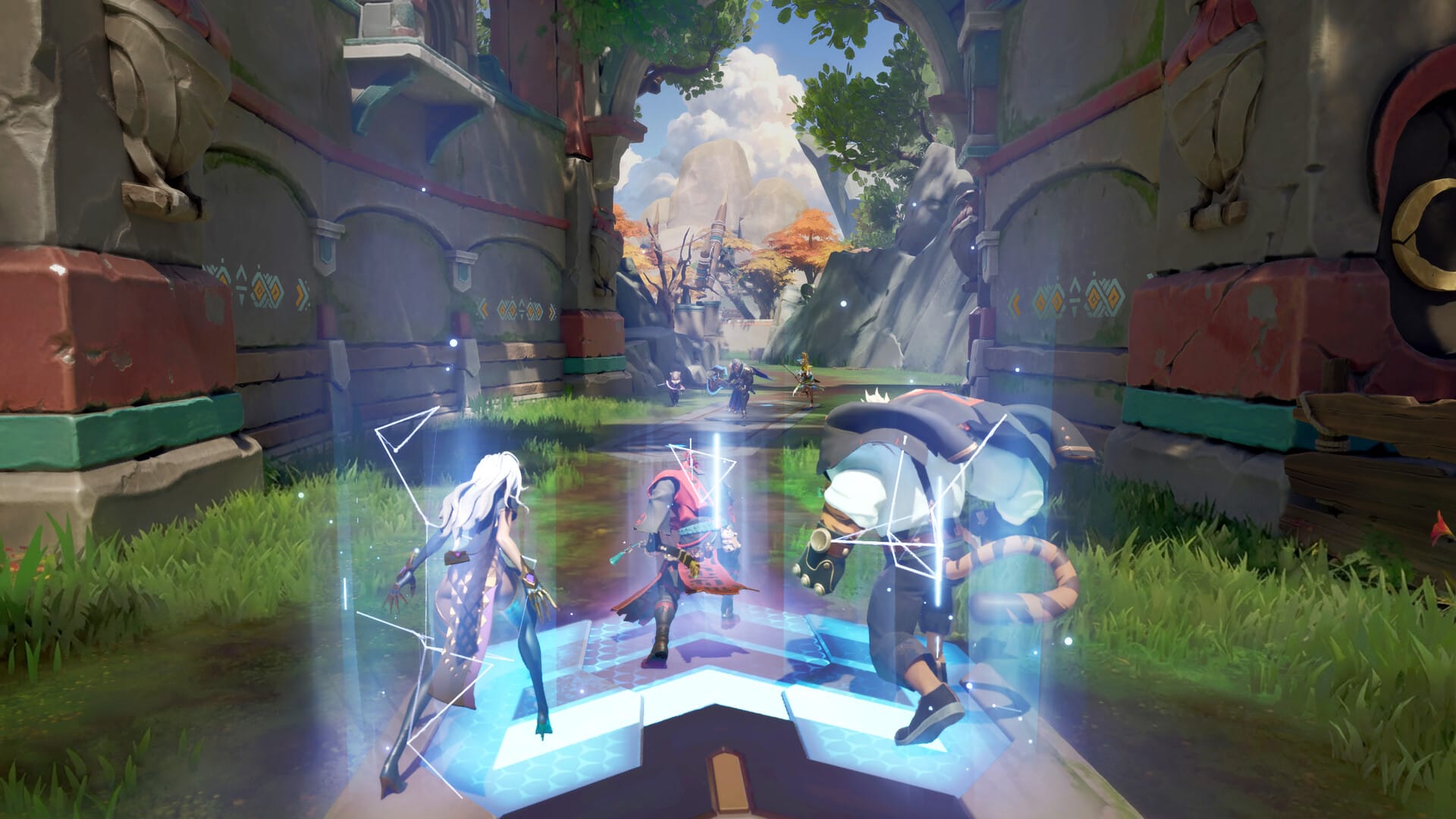
Whether that holds together as a competitive design is the open question. Three-player teams compress the role split that makes traditional MOBAs work, and a five-team free-for-all changes the math on rotations, ganks, and team-fighting in ways nobody has stress-tested at scale. Krafton has the PUBG money to keep development going long enough to find out. No public Western release window yet, only test waves.
Player base verdict: Too early to call. Watch for an open beta announcement.
Worth Watching: Supervive, Honor of Kings, and the Genre-Bender Wave
A handful of borderline cases deserve a heads-up rather than a ranking slot. Supervive shipped a 40-player MOBA-battle-royale mashup that found a small dedicated audience and is still patching toward a sustainable mode mix. Honor of Kings keeps expanding its global rollout from the largest mobile MOBA on earth, and any year now the Western numbers might actually justify a spot on the main list. Sparkball, Last Flag, and StoneHold are all in pre-release pitch territory with concept-trailer energy and zero player-base data. Each could matter in 2027. None of them belong in a 2026 ranking yet. The pattern echoes the RTS revival of 2025, where new entries finally started landing finished and ambitious rather than half-baked and free-to-play.
Which MOBA Should You Actually Pick?
Match the game to your tolerance, not to the rankings. Population and polish, League. Depth and zero spending pressure, Dota 2. Aim-first hybrid, Deadlock. Friends on console, SMITE 2. Phone-first life, Mobile Legends. Easing in or playing with family, Unite.
Whichever ladder you pick, climb it with intent: one role, a five-hero pool, and a habit of watching the map between fights. The MOBA guides section here on Strategygame.org is being built out through this cluster, and ranked seasons are long. Losing week one means nothing by week six.
Frequently Asked Questions
What is the best MOBA game in 2026?
There is no single best MOBA, because the right pick depends on what you want. League of Legends wins on population and polish, Dota 2 on depth and zero spending pressure, Deadlock on aim-first hybrid play, SMITE 2 for console groups, Mobile Legends for phones, and Pokemon Unite for easing in.
What is the best MOBA for beginners?
League of Legends and its mobile build Wild Rift give you the biggest queues and the most polished onboarding, while Pokemon Unite is the gentlest entry with ten-minute matches and a familiar license. Avoid starting with Dota 2, which is the deepest and least forgiving option.
Which MOBA has the most players?
League of Legends remains the biggest on PC, while Honor of Kings and Mobile Legends post the largest mobile numbers globally. Because matchmaking quality scales with queue size, population is one of the most important factors when picking a MOBA to commit to.
Is Dota 2 or League of Legends better?
Neither is strictly better, they make different trades. Dota 2 hands you every hero for free and rewards deep, compounding knowledge, but it is harder and slower. League of Legends has a larger population, faster matches, and a gentler learning curve, at the cost of some mechanical complexity.
Are there good console or third-person MOBAs?
Yes. SMITE 2 is the standout, with third-person skillshot combat, full crossplay, and proper controller support. Predecessor is the other third-person option, keeping Paragon’s vision alive, though its smaller population leans on console crossplay to keep queues healthy.
