Ask what are MOBA games and you’ll usually get an acronym instead of an answer. Multiplayer Online Battle Arena. Technically correct, completely unhelpful. Here’s the real version: two teams of five fight across a map with three lanes, each player controls a single hero, and the first team to break the enemy base wins. No base building, no unit production, no managing an economy from above. Just you, four teammates, and forty minutes of decisions.
That single-hero focus is what separates MOBAs from every other strategy subgenre, and it’s why the genre produces both the biggest esports audiences in the world and the most famously grumpy player bases in gaming. This primer covers where MOBAs came from, how a match actually works, and whether you should bother starting one in 2026.
The Short Answer: What Are MOBA Games?
Search for a MOBA games definition and the textbook line goes something like this: a team-based competitive game where players control individual heroes with unique abilities and fight to destroy the opposing team’s base. Every match starts everyone at level one. Heroes earn gold and experience during the game, buy items, and grow stronger. When the match ends, the power resets. Progress lives inside each game, never across games.
If a friend asks what is a MOBA game in practice, the better answer is a comparison. It plays like the hero unit from a strategy game got promoted to main character. Which is, historically, exactly what happened.
Where MOBAs Came From: A Mod That Outgrew Its Game
The genre wasn’t designed. It was modded into existence. Aeon of Strife, a custom StarCraft map from the late 90s, stripped out base management and left players controlling one powerful unit against waves of enemies. Then came Defense of the Ancients, a Warcraft III mod that added hero progression, items, and the three-lane map the genre still uses today.
DotA became more popular than most retail games while remaining a free mod. Riot built League of Legends around its ideas in 2009. Valve hired DotA’s lead designer and shipped Dota 2 in 2013. Both are still running, still massive, and still effectively free. The genre’s roots explain a lot about how it plays: MOBAs kept the unit control and map pressure of real-time strategy and threw away everything that happened back at base.
Lanes, Roles, and Minions: How the Map Works
Nearly every MOBA map is the same drawing. Three lanes connect two bases, defensive towers guard each lane, and a jungle full of neutral monsters fills the space between. Waves of computer-controlled minions march down each lane and crash into each other forever. Killing them is the genre’s basic income.
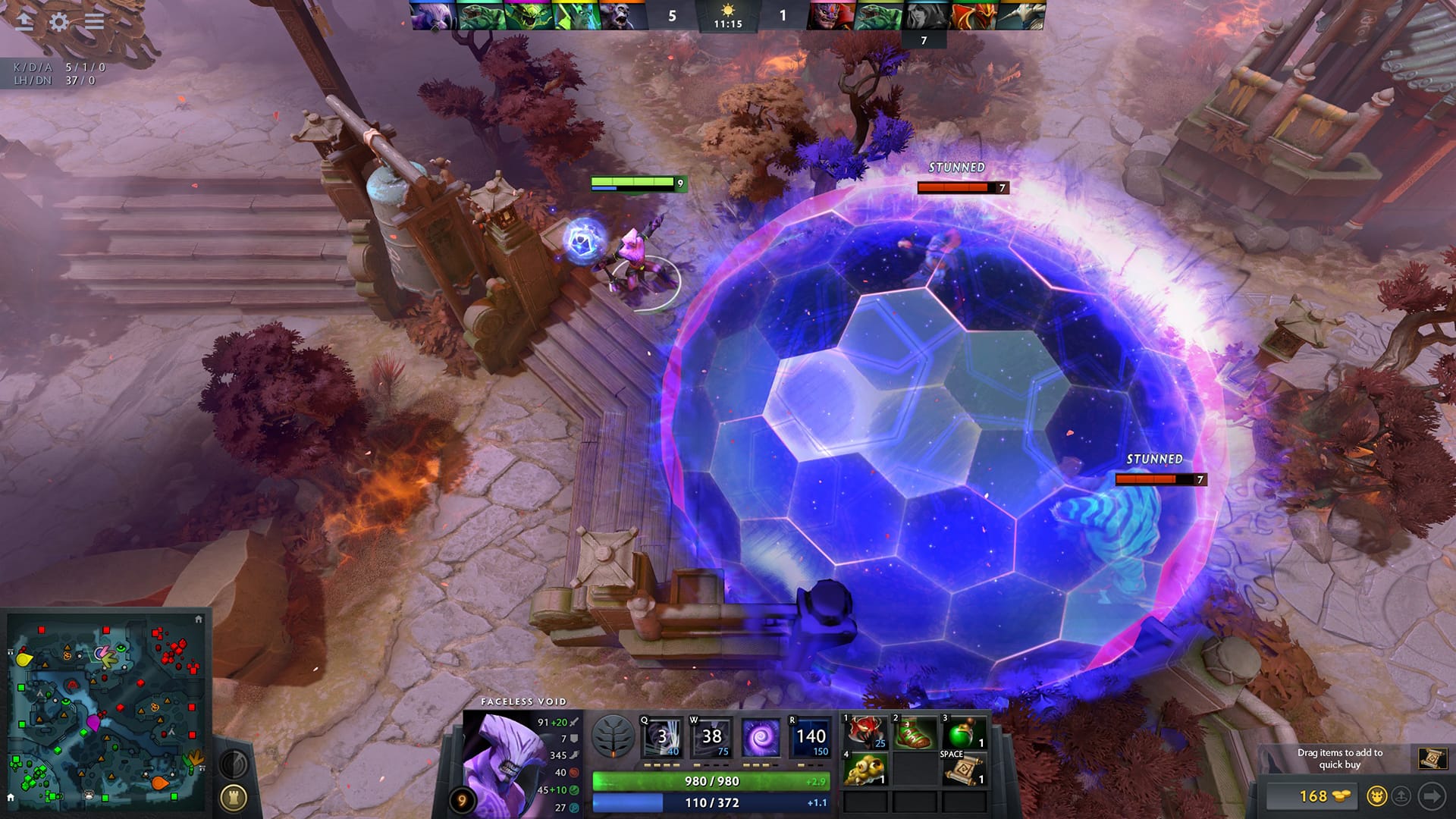
Roles exist because the map does. Someone has to soak up damage in the toughest lane. Someone has to scale into the late-game damage dealer, which means farming gold in relative safety. Someone roams the jungle, appearing in lanes to create two-on-one fights. And someone plays support, spending their game making everyone else’s game work. No hero is built to win alone, which is why MOBAs sit closer to multiplayer strategy games than to action games, whatever the fights look like from a distance.
Why a MOBA Match Feels Nothing Like an RTS
A strategy veteran’s first MOBA match is usually humbling in a specific way. All the macro instincts still matter. Map awareness, timing windows, knowing when a fight is worth taking. What changes is that you can no longer fix a mistake by out-producing the opponent. You have one hero, one death timer, and four other people whose decisions you don’t control.
That dependency is the genre’s whole personality. It’s why a 25-minute comeback feels better than almost anything in gaming, and why the genre’s reputation for toxicity is earned. Your worst games aren’t the ones you lose. They’re the ones you lose while playing well.
The Big Three, and the Games Orbiting Them
League of Legends remains the biggest PC game in the world by most measures. Dota 2 is the deeper, crueler sibling, the one that hands you a hundred mechanics on day one and trusts you to cope. Mobile Legends: Bang Bang owns much of Asia’s mobile scene and fills stadiums for its world championship. Those three carry the genre, and the gap between them and everyone else shows up clearly in active player counts.
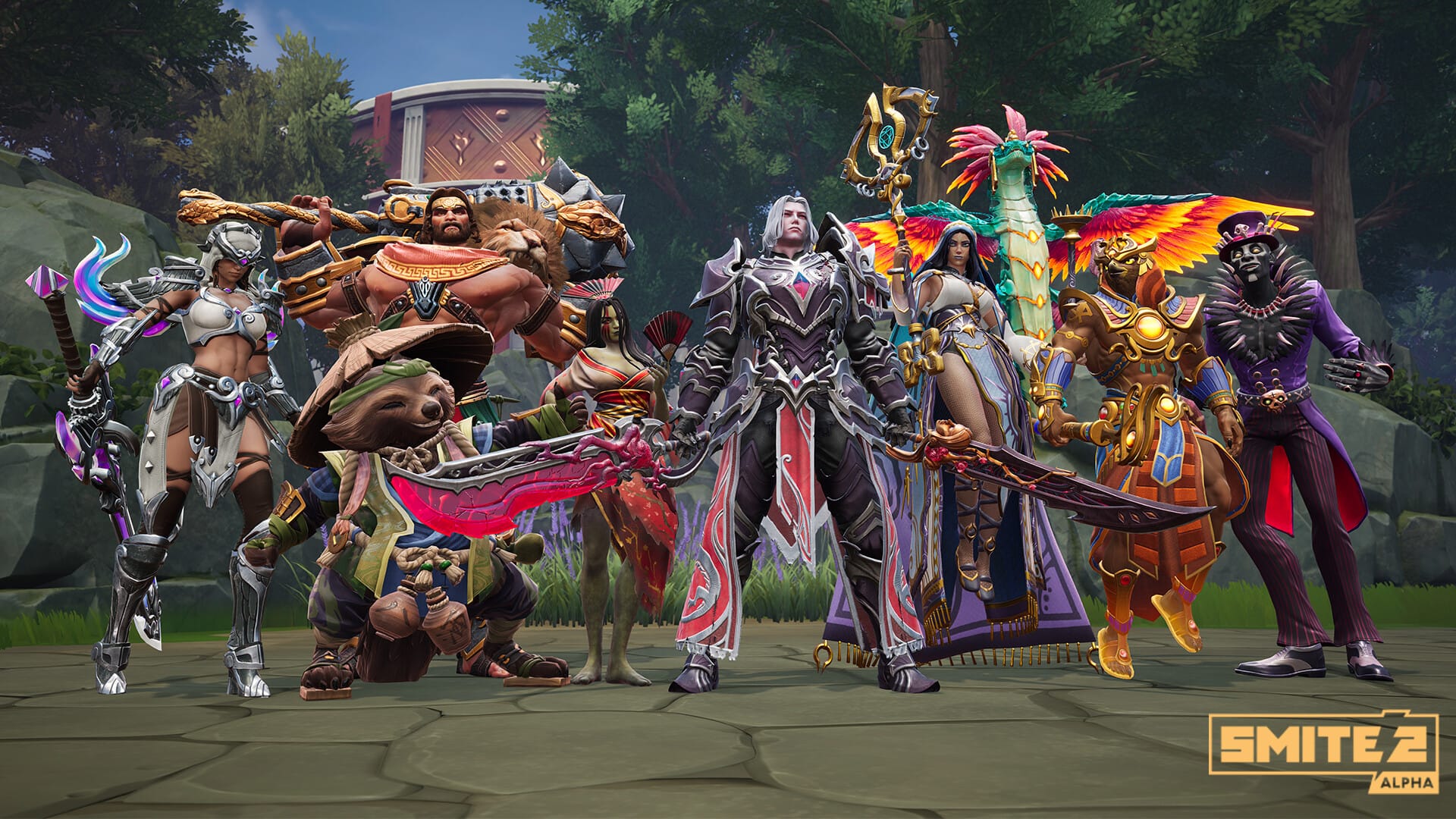
The orbiting games are where the genre experiments. SMITE 2 plays the whole formula in third person with gods swinging hammers at each other. Pokemon Unite compresses matches to ten minutes for Switch and phones. Deadlock bolts MOBA lanes onto shooter mechanics. None of them threaten the big three, but they’re often friendlier places to learn.
MOBA Games on Mobile
Mobile is where the genre’s center of gravity has been shifting for years. League of Legends: Wild Rift rebuilds League for touch controls with 15-to-20-minute matches. Mobile Legends got there first and never let go of its lead in Southeast Asia. Honor of Kings, the Chinese giant, posts player numbers that embarrass most PC games.
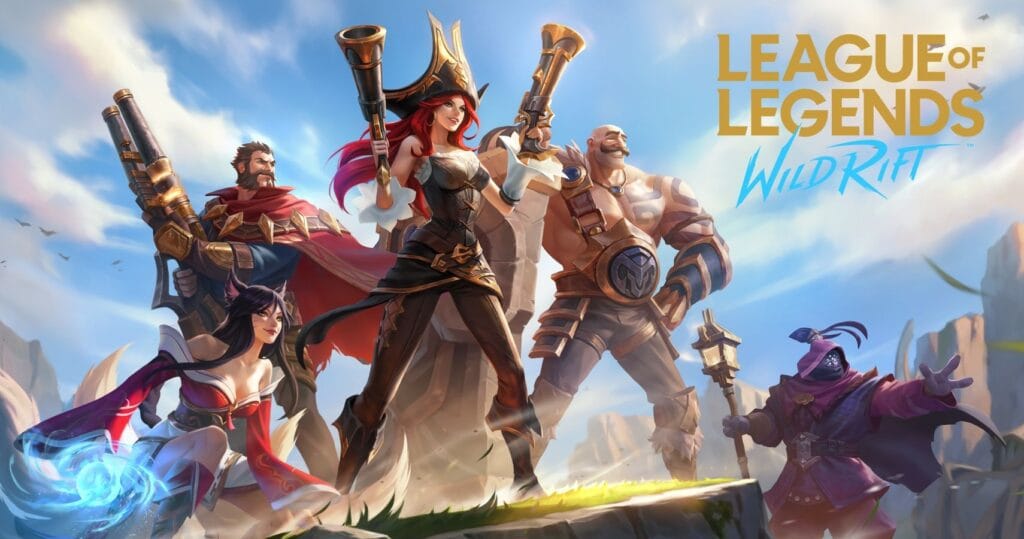
The mobile versions aren’t lesser copies. Shorter matches change the strategy, since there’s no 40-minute scaling game to hide in. If your play time lives on a phone anyway, the genre fits alongside the rest of the best mobile strategy games better than you’d expect.
Should You Start Playing a MOBA in 2026?
Honest answer: only if you’re ready to be bad at something for a month. The MOBA game meaning hides in that learning curve. The genre frontloads its misery and pays you back with the highest decision-density in competitive gaming.
Picking a first game is simple. Coming from RTS and want depth? Dota 2. Want the biggest population and the gentlest on-ramp the genre offers? League of Legends or Wild Rift. Console or third-person preference? SMITE 2. Ten-minute sessions? Pokemon Unite. Wherever you land, our MOBA guides will grow alongside this cluster, and the rest of the strategy game guides on Strategygame.org cover the genres MOBAs borrowed from. Start with one habit borrowed from strategy proper: watch the map more than your hero. It’s the one skill that survives the genre switch intact.
Frequently Asked Questions
What is a MOBA game?
A MOBA is a team-based competitive game where each player controls a single hero on a three-lane map, and the first team to destroy the enemy base wins. There is no base building or unit production. Heroes earn gold and experience during the match, buy items, and grow stronger, then everything resets when the game ends.
What does MOBA stand for?
MOBA stands for Multiplayer Online Battle Arena. The name is accurate but not very descriptive. In practice it means two teams of five, each player on one hero, fighting down three lanes to break the other side’s base.
What was the first MOBA game?
The genre grew out of custom maps: Aeon of Strife on StarCraft, then Defense of the Ancients on Warcraft III, which added hero progression, items, and the three-lane layout still used today. League of Legends and Dota 2 later turned that mod formula into standalone games.
What is the best MOBA for beginners?
League of Legends or its mobile version Wild Rift offer the biggest population and the gentlest on-ramp, while Pokemon Unite is the easiest entry of all with ten-minute matches. Dota 2 is the deepest but the least forgiving, so save it for when you want the hardest version of the genre.
Are MOBAs hard to learn?
Yes, the learning curve is steep, and you should expect to be bad for around a month. The upside is that macro skills from other strategy games, like map awareness and timing, carry straight over. The single most useful habit for a newcomer is to watch the map more than your own hero.
