Most fantasy RPGs treat magic as damage numbers wearing a robe. You pick the biggest spell you can afford, you cast it, the number appears. A good turn-based fantasy RPG does something harder. It gives magic a rule set you can read, predict, and then break on purpose, and the moment you find the seam in that rule set is the moment the game gets good. These five all pass that test. They are ranked by how much the magic system rewards a player who actually thinks about it, not by budget or review score.
1. Divinity: Original Sin 2
Nothing else models magic as physical stuff sitting on the floor. Rain leaves water, water conducts lightning, fire turns water to steam, steam blocks line of sight, and a poison cloud plus any fire source removes a room. Every one of those interactions is consistent, which means you can plan three turns out.

The armor system is the tax you pay for that clarity. Stuns, freezes, and knockdowns do nothing until magic or physical armor is stripped first, so parties that split damage types get punished hard. Build one or the other and commit. Once it clicks, this is still the high-water mark for systemic spellcasting.
2. Baldur’s Gate 3
Larian’s follow-up trades surface chemistry for spell economy, and the economy is the game. Fifth edition rules mean slots are finite, concentration lets you hold exactly one big effect at a time, and dropping concentration to cast something flashier is a real decision rather than a menu click.

Counterspell turns enemy casters into a bluffing game, and shove plus height turns a level 2 spell into a kill. The honest weakness is the long rest button. You can refill every slot almost whenever you like, which quietly removes the resource pressure the rules were built around. Play with a self-imposed rest limit and the whole system tightens up.
3. Metaphor: ReFantazio
Atlus builds magic as a weakness chart, and Metaphor is the cleanest version they have shipped. Hit the right element, the enemy staggers and you get more actions. Hit the wrong one, you lose a turn outright. Combat becomes an information problem, and the first round of any boss is spent buying knowledge with wasted turns.

The Archetype system on top is where the depth lives. Skills carry between classes once inherited, so a late-game Archetype can hold spells it was never meant to have. One caution for subscribers, it left Xbox Game Pass on May 31, 2026, so this one is a purchase now rather than a free trial.
4. Tactics Ogre: Reborn
The strictest magic rules on this list. Reborn folded the old Tactical Points gauge into MP, and every unit starts a battle at zero. MP builds as time passes and as your unit deals or takes physical damage, which means your mage is useless in round one and terrifying by round five if you kept it alive.
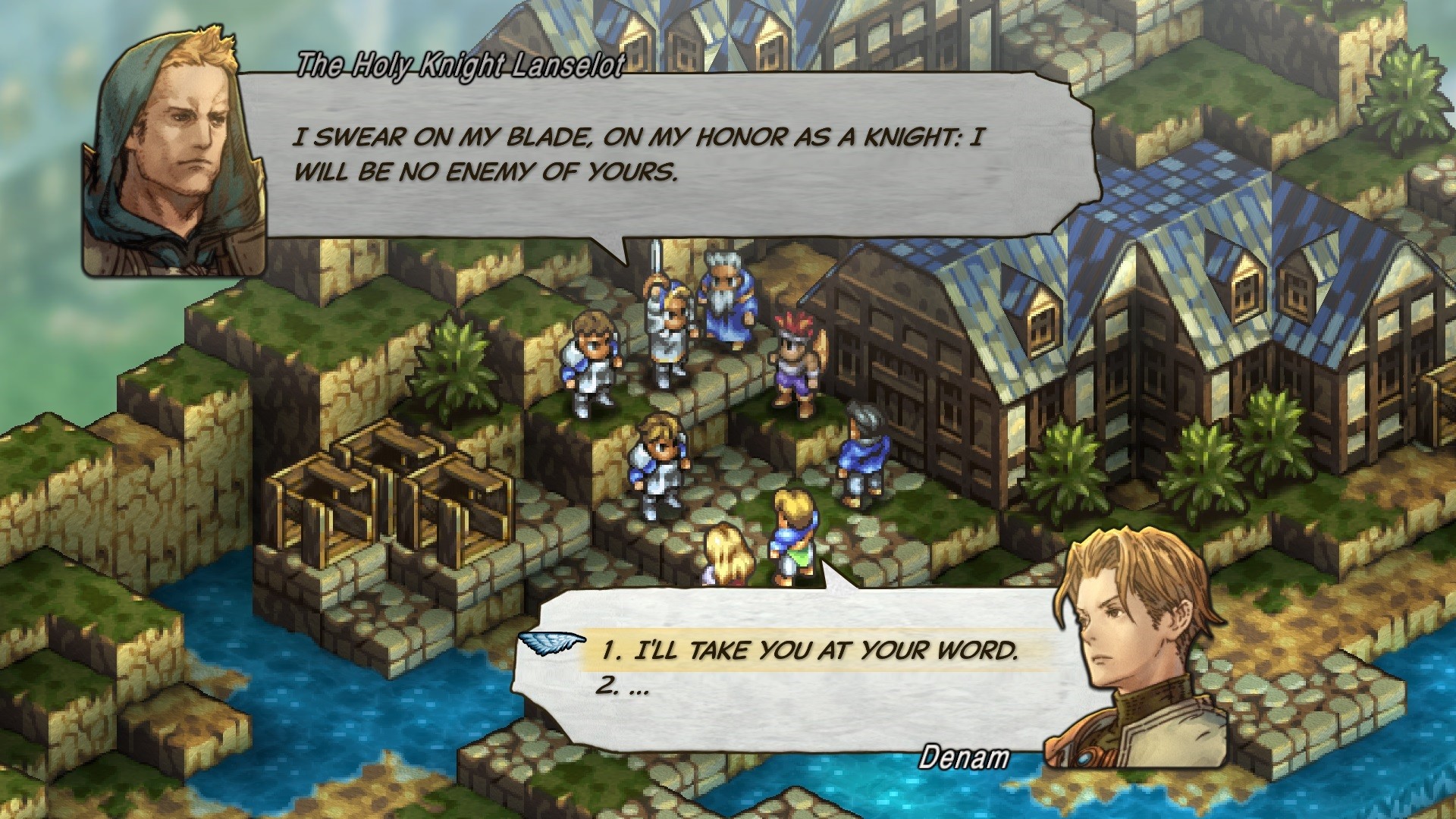
That single change rewires the whole battle. You cannot open with your best spell, so positioning your casters behind a wall for three turns becomes the actual opening move. Meditate running as an auto skill softens it slightly. The criticism is the interface, which still buries elemental affinities and buff cards under more menus than a 2022 remake should need.
5. Dragon Quest XI S
The traditionalist pick, and it belongs here because its rules are old rather than shallow. One MP pool per character, no free refills outside inns and items, and spells that stay useful because the game never power-creeps them into irrelevance. Buffs and debuffs actually change fights, which is rarer than it should be.

Pep Powers are the wrinkle. Characters randomly enter a charged state, and pairing the right two at the right moment triggers combination attacks, which adds a light gambling layer to an otherwise orderly system. The Definitive Edition adds a Draconian mode that turns off the safety rails. Use it. On default difficulty the magic rules never get to bite.
Three More With Honest Spellbooks
Wizardry: Proving Grounds of the Mad Overlord is the purest version of this idea. Spell slots by level, no regeneration, and a dungeon that will end your party for a bad third-floor decision. Octopath Traveler II ties magic to a boost system that lets you bank actions for one enormous turn. Sea of Stars keeps its spell list tiny and makes every cast a timed input. If you want fantasy turn-based strategy games rather than party RPGs, that is a separate shelf and it starts with the Fire Emblem and Wargroove side of the genre.
Picking a Turn-Based Fantasy RPG by How Its Magic Works
If you want to experiment and watch the world react, Divinity: Original Sin 2. If you want rules you can lawyer, Baldur’s Gate 3. If you want combat as a puzzle of enemy weaknesses, Metaphor: ReFantazio. If you want your resource management to hurt, Tactics Ogre: Reborn.
And if you want eighty hours of a system that never lies to you, Dragon Quest XI S on Draconian settings. For how these stack against the rest of the genre, our ranking by tactical depth is the wider view, and the combat systems primer explains the vocabulary. Grid tactics fans should read our tactical picks where every move counts, and handheld players our Switch rotation. More tactical role-playing guides are on Strategygame.org.
Frequently Asked Questions
What is the best turn-based fantasy RPG for systemic magic?
Divinity: Original Sin 2. Its surfaces persist on the battlefield and interact consistently, so you can chain rain into lightning into steam and predict the result every time. Nothing else models magic as physical material this well.
Is Baldur’s Gate 3 harder than Divinity: Original Sin 2?
No, and mostly because of long rests. Baldur’s Gate 3 lets you refill spell slots almost freely, which removes the resource pressure fifth edition rules assume. Divinity: Original Sin 2 has no equivalent release valve, so its fights stay tighter.
Are any of these turn-based fantasy RPGs free or on a subscription?
None are free. Metaphor: ReFantazio left Xbox Game Pass on May 31, 2026, so it is a purchase now. Divinity: Original Sin 2 and Dragon Quest XI S both discount steeply during major Steam sales, which is the cheapest honest route in.
How should a beginner start with magic-heavy turn-based combat?
Start with Dragon Quest XI S. One MP pool per character and clearly labeled buffs teach you resource management without punishing mistakes. Move to Divinity: Original Sin 2 once you want spells that change the terrain rather than just the health bar.
What games are like Tactics Ogre: Reborn?
Final Fantasy Tactics: The Ivalice Chronicles is the closest match, sharing the same isometric grid and job-driven design. Triangle Strategy and Fire Emblem Engage scratch a similar itch on Switch, though both are more forgiving about how quickly your casters come online.
