A Switch turn-based RPG has one advantage nothing on PC can match. You close the lid mid-battle, the console sleeps, and three days later the same enemy is still standing there waiting for your input. No launcher, no shader compilation, no forty seconds of logos. For a genre built on stopping to think, that is the whole argument.
Several of these run at higher framerates on other hardware. They are still worth owning here, because the version you actually finish beats the version that looks better. Below are five that fit real handheld sessions, judged on chapter length as much as combat. Our broader turn-based RPG ranking covers the platform-agnostic view.
What Makes a Switch Turn-Based RPG Work in Handheld
Chapter length matters more than anything else. A game that needs a 90-minute block before it reaches a save point is a docked game wearing a handheld costume. The good ones break into 20 to 40 minute units that end somewhere sensible.
Text size is the second filter, and it eliminates more ports than framerate ever does. Menus designed for a television turn into eye strain on a seven-inch screen, which is why several excellent tactics games are miserable undocked.
Sleep-mode behavior is the last one. Every game here resumes cleanly from sleep, including mid-battle, which sounds basic until you meet one that does not. If you want the wider tactics shelf on this hardware, our Switch strategy shortlist covers the non-RPG side.
1. Octopath Traveler II
The best-structured handheld RPG on the system, because it was built out of chapters rather than cut into them. Eight protagonists, each with a story you take in self-contained pieces, and a Break and Boost combat system that turns every fight into a small resource puzzle. You strip an enemy’s shield with the right damage type, then dump stored Boost points into the opening.
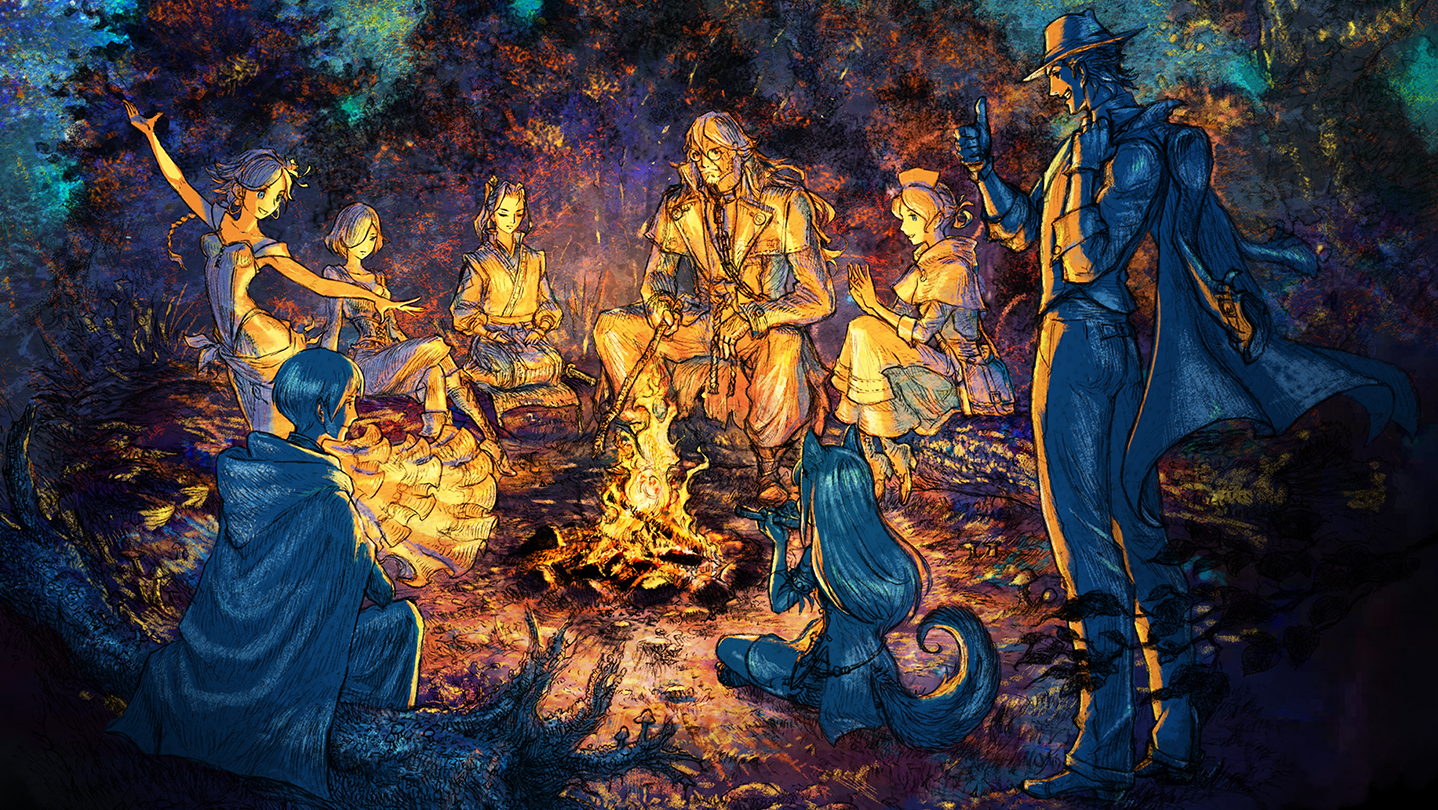
The day and night Path Actions give each character two ways to interact with any townsperson, which quietly doubles how much of the world reacts to you.
The fair complaint is that the eight stories barely touch until very late, so it can feel like eight short games sharing a save file. The Square Enix listing also undersells how much side content the difficulty curve assumes you have cleared.
2. Triangle Strategy
The deepest tactics combat on the platform. Elevation changes hit rates and damage, positioning behind an enemy grants follow-up attacks, and terrain is a weapon, because you can soak a corridor in oil and set it alight or freeze water to open a flanking route.
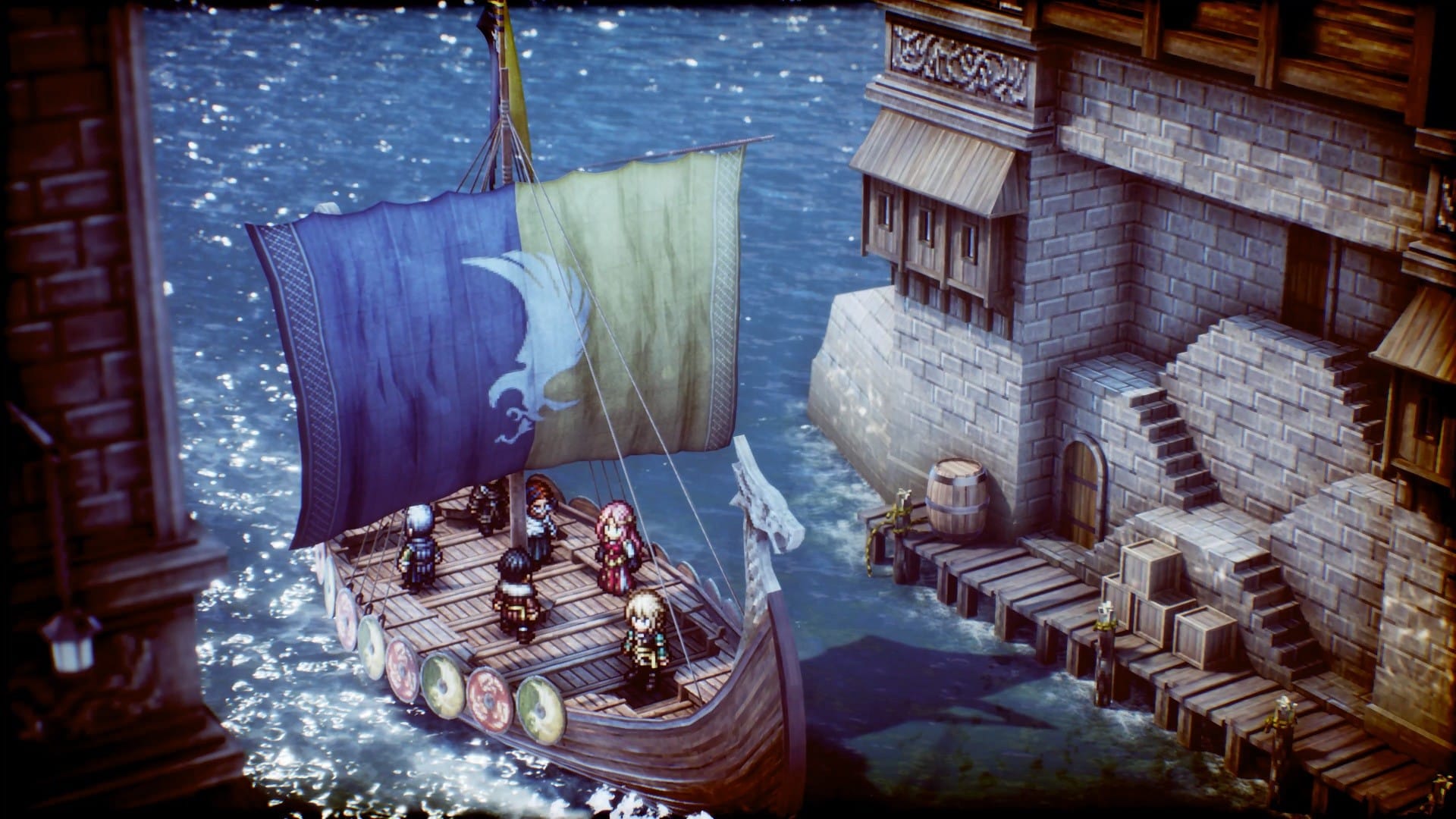
The Scales of Conviction system makes your party vote on major decisions, and you lobby them individually beforehand. Branch points are real, and a full route takes multiple playthroughs to see.
Now the handheld warning, and it is a serious one. The talking-to-fighting ratio is brutal. Some chapters run forty minutes of dialogue before a battle starts, which makes this the worst pick here for short sessions and the best one for a long train ride.
3. Fire Emblem Engage
Pure combat, and the best of it the series has produced. The weapon triangle is back and it matters, Break leaves enemies without a counterattack, and the Emblem Rings graft a past protagonist onto a unit for a few turns of borrowed abilities. Maps are tight and rarely waste your time.
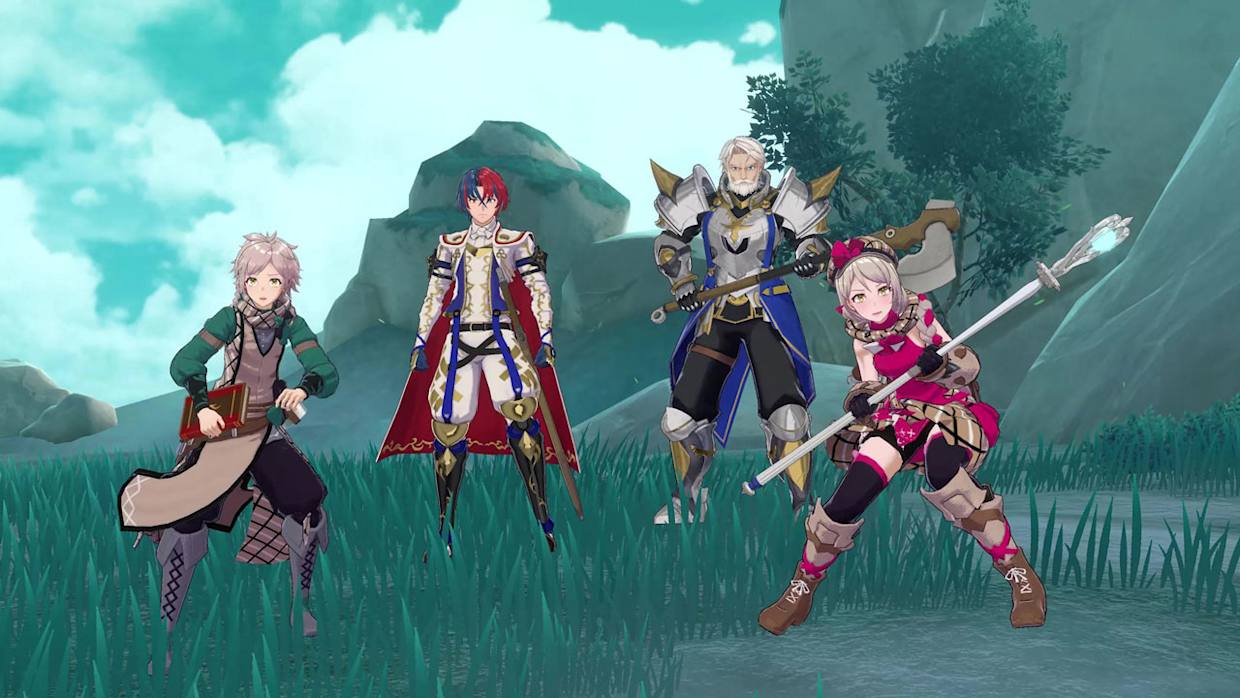
Chapters land around half an hour, and you can skip the between-mission base activities entirely without falling behind. That combination is why it survives a commute better than Three Houses ever did.
The story is thin and the writing is a clear step down from its predecessor. Buy it for the maps and treat the cutscenes as loading screens. New to grid tactics? Our primer on how turn order actually works is a five-minute read.
4. Shin Megami Tensei V: Vengeance
The hardest game on this list and the most rewarding to solve. The Press Turn system gives you extra actions for hitting weaknesses and takes them away for wasted moves, so a single misread can hand a boss four turns in a row. Demon negotiation and fusion are the real progression system.
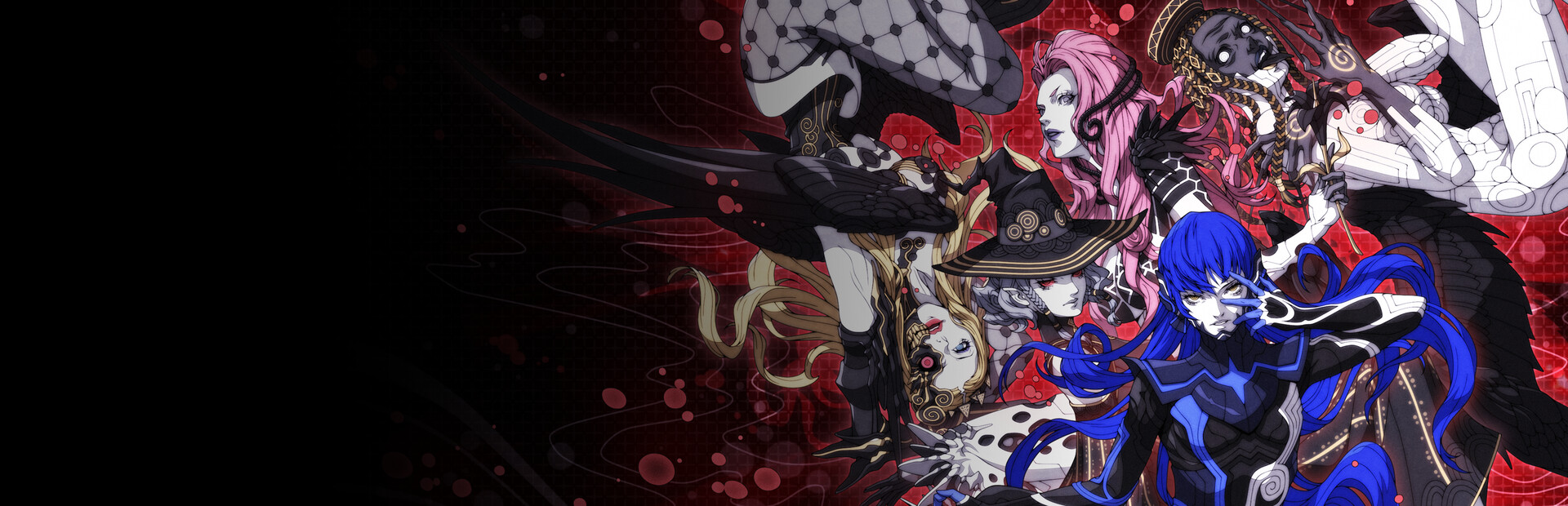
The 2024 Vengeance release added a second full story route alongside the original, which is a lot of game for one purchase.
Two honest warnings. Difficulty spikes arrive without notice and expect fusion homework between them, and the Switch build drops frames in the wide open areas in a way the versions on other platforms do not.
5. Dragon Quest XI S: Echoes of an Elusive Age
The Definitive Edition is the version to own, and its 2D mode is the single best handheld feature on this list. The whole game redrawn in sprite form runs lighter, loads faster, and sips battery, which turns a hundred-hour RPG into something you can actually carry.
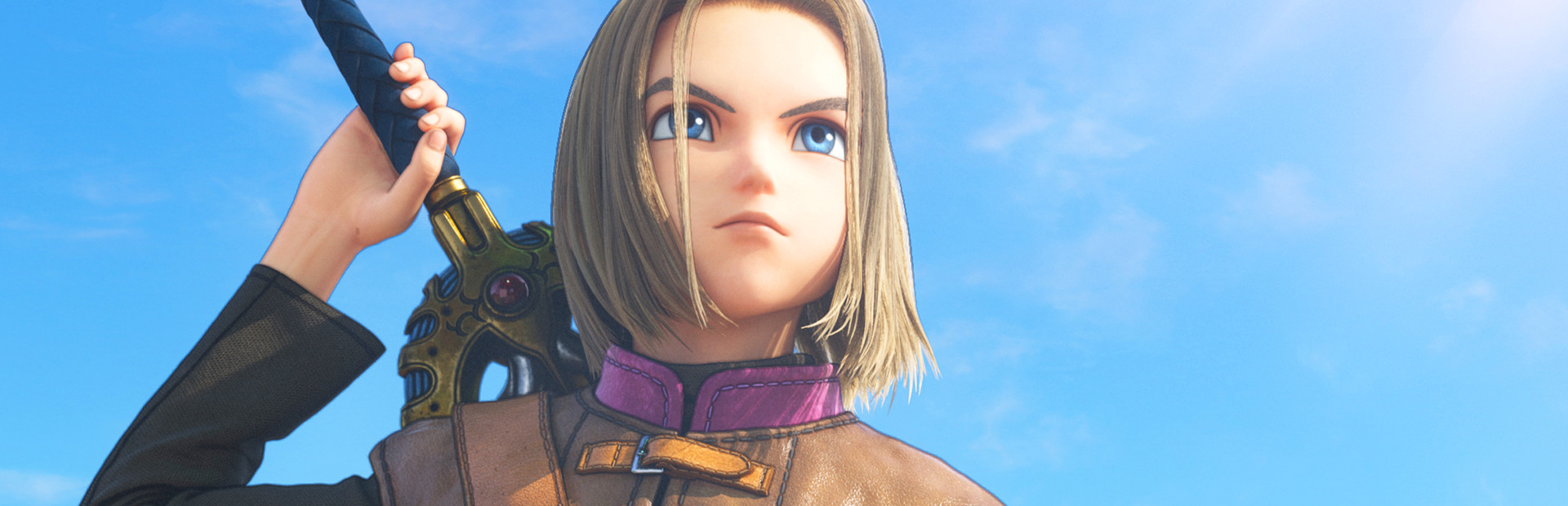
Combat is classical and clean, the Pep Power system gives party members timed windows for combination attacks, and it sits at 91 percent positive across roughly 4,000 Steam reviews.
It is traditional to a fault. The first fifteen hours ask almost nothing of you, and swapping between 2D and 3D mid-game sends you back to the last town rather than continuing where you stood. Pick a mode early and stay in it.
Honorable Mentions
Mario + Rabbids Sparks of Hope is the most approachable tactics game on the console and the one to hand someone who bounced off Fire Emblem. Movement is free-form rather than grid-locked, dash attacks chain off teammates, and missions land in tidy twenty-minute pieces.
Live A Live and Tactics Ogre: Reborn both belong on a longer list, and Sea of Stars is the pick if you want timed hits with your menus. For older tactics on the same hardware, our guide to the Switch Online catalog is honest about what is actually in there.
Where to Start
If your sessions are twenty minutes on a train, start with Octopath Traveler II or Fire Emblem Engage, because both end cleanly on a schedule. If you get long uninterrupted evenings, Triangle Strategy rewards that more than anything else here. Dragon Quest XI S in 2D mode is the pick for a long trip with no charger.
Come to Shin Megami Tensei V last, once you want a game that fights back. More tactical role-playing guides sit in the same corner of the site. The rest of our handheld coverage lives over on Strategygame.org.
Frequently Asked Questions
What is the best turn based RPG Switch owners can buy right now?
Octopath Traveler II for most people, because its chapter structure fits handheld play better than anything else on the system. Triangle Strategy wins on pure tactical depth if you have longer sessions to give it.
Do these turn based RPG Nintendo Switch games work on Switch 2?
Yes. Switch 2 launched on June 5, 2025 with backward compatibility covering nearly the entire Switch library, and Nintendo runs a search page for checking specific titles. The flagged incompatible list is short and does not include any of these five.
Which turn based RPGs Switch beginners should try first?
Dragon Quest XI S. It teaches the classical format gently, the difficulty stays fair for the first stretch, and the 2D mode makes it easy on the battery. Mario + Rabbids Sparks of Hope is the softer landing for grid tactics specifically.
How long is an average Switch turn based RPG session?
Aim for twenty to forty minutes, which is roughly one chapter in Octopath Traveler II or one map in Fire Emblem Engage. Triangle Strategy is the exception and often wants closer to an hour before it reaches a natural stopping point.
Can you sleep the console during a battle?
All five resume cleanly from sleep mode, including mid-combat, and that is the main practical reason to own them here rather than on PC. Battery drain in sleep is negligible over a few days.
