The MOBA release calendar reads like an obituary draft most years. New MOBA games launch, draw a respectable launch-day spike, then watch the population evaporate inside six months because nobody can pry League and Dota players off their main accounts. The last two years have actually produced some exceptions. A few entries are pulling real numbers without a public release. A couple are in beta that already feels finished. One or two are still vaporware dressed in concept trailers. This ranking covers the new MOBA games worth your queue time in 2026, with honest notes on which have the player base to survive past launch year and which probably won’t.
The established giants got the full treatment in our best MOBA games ranking. This is the companion piece for the front of the release shelf.
The Ranked Picks
1. Deadlock: Valve’s Breakout Candidate
Valve’s shooter-MOBA sits at the top of any honest new-releases list, despite being invite-only and missing a real launch date. Steam concurrents brushed 125,000 after the Old Gods, New Blood update in February 2026 and have averaged in the 60K to 100K range since. By spring 2026, Deadlock was the most wishlisted game on Steam. That happened without a marketing push, an open beta, or a publisher willing to commit to a quarter.
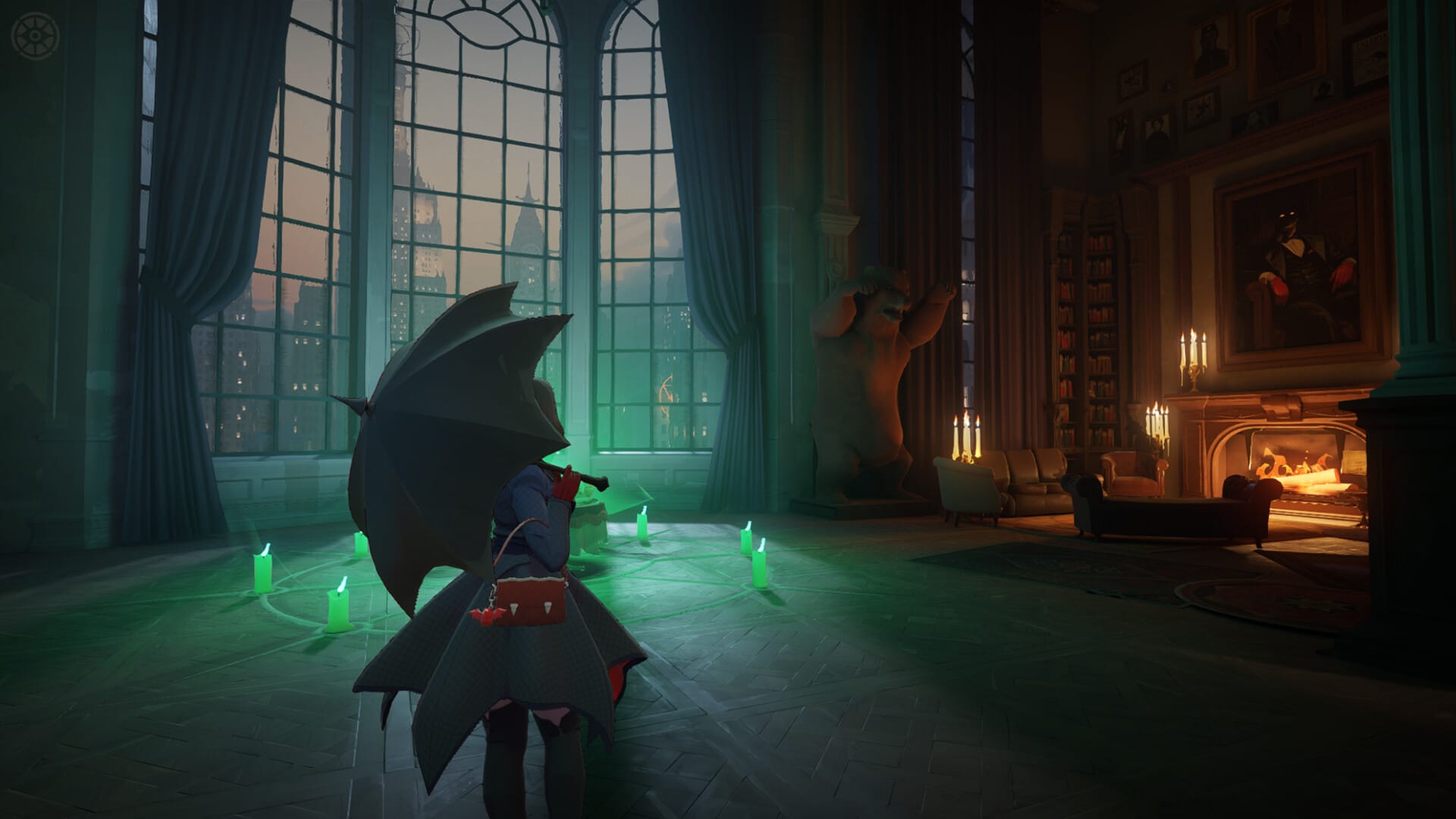
The pitch holds up. Six-versus-six lanes with creep economies and an item shop pulled straight from Dota, except every ability and every shot is aimed in third person. The genre’s old split between mechanical skill and strategic reading finally evens out. Hero balance still swings hard between patches, and the build is rough in the way only a perpetual Valve playtest can be, but the floor and the ceiling are both higher than anything else new shipping right now.
Player base verdict: Will survive launch year. Already has, technically without one.
2. Smite 2: A Sequel Pulling From Its Predecessor
Hi-Rez’s Unreal Engine 5 rebuild of Smite is the messiest case on the list. The launch went out in January 2025 with a strong test cycle, peaks around 8K to 12K on Steam, then settled into the 2K to 6K range that has the community nervously refreshing charts. Smite 1 was hitting 14K to 18K before the sequel was announced. The combined population today doesn’t reach what the original was holding alone.
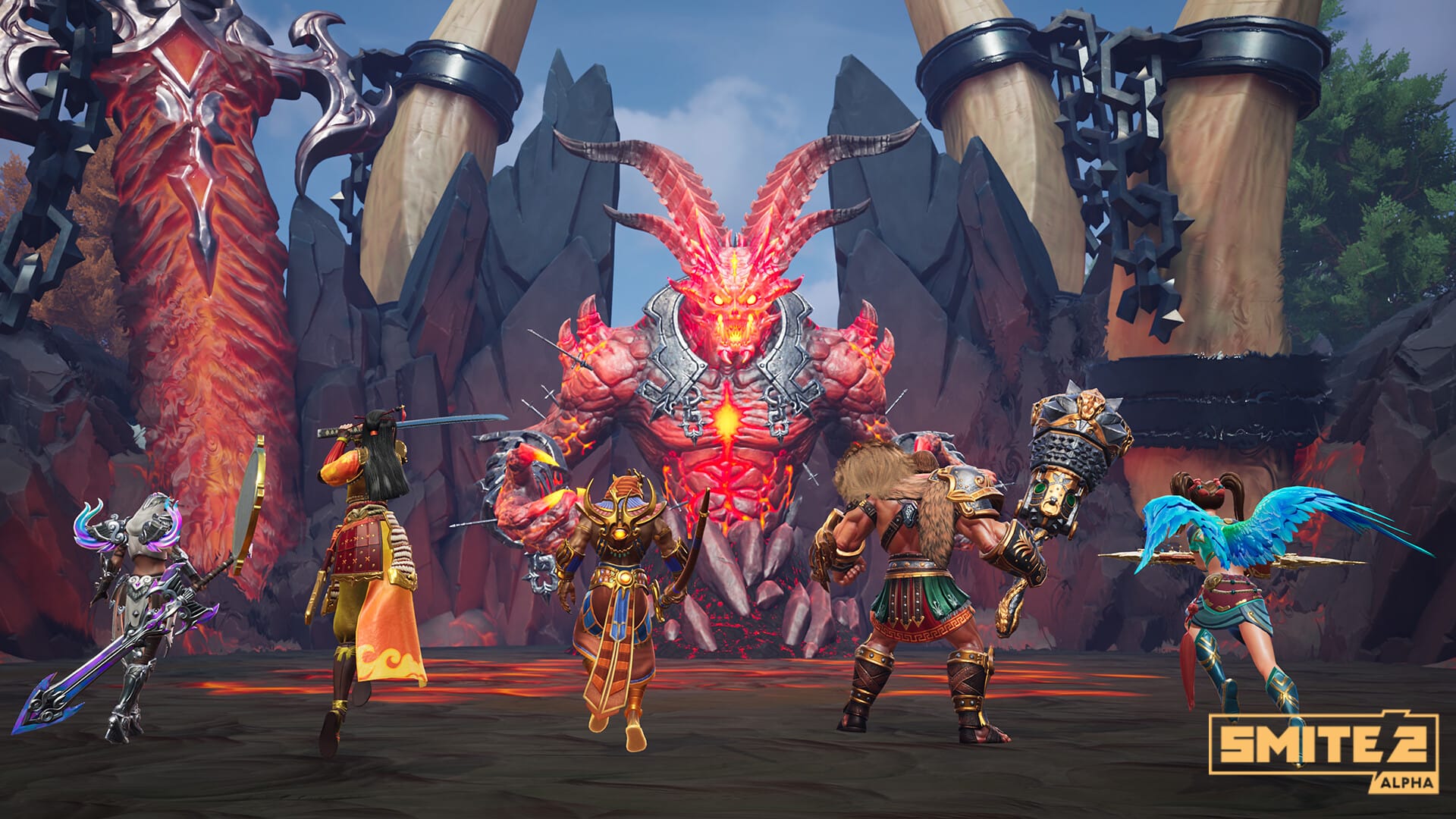
That said, the game itself works. Third-person skillshots, proper crossplay, console parity that doesn’t feel like an apology. It’s the natural pick for a five-stack on mixed hardware, the same crowd our voice-chat strategy roundup was built around. The open question is whether Hi-Rez can hold the audience through the next two content seasons, given how fast they treated the original as no longer sustainable at higher numbers.
Player base verdict: Survives the year. Long-term odds are a coin flip.
3. Predecessor: Paragon’s Quiet Survivor
Omeda Studios shipped Predecessor 1.0 in late August 2024 and crossed two million cumulative players by March 2025. The Steam chart looks bleak in isolation, with peaks around 1,500 and dailies in the high hundreds, but roughly 80 percent of the Predecessor base plays on PlayStation or Xbox. The Steam number isn’t the real number.
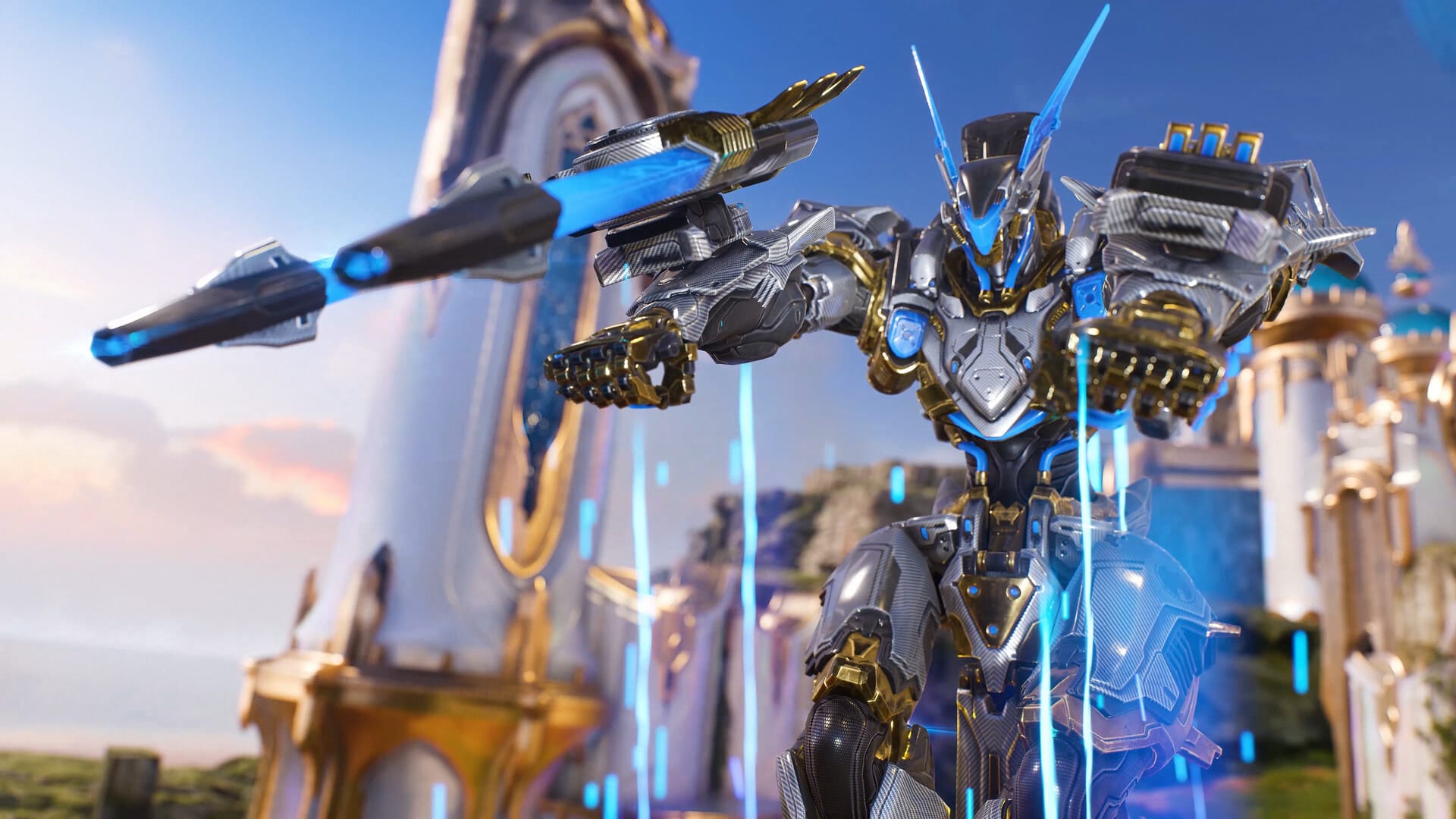
The game itself is the closest thing to a finished Paragon left standing. Unreal Engine 5, third-person camera, lane structure and item system that map onto League habits almost one to one. Reviews land at 72 percent positive lifetime and 64 percent over the last month, with most criticism aimed at matchmaking quality rather than the underlying design. Console crossplay keeps queues moving where Steam alone would stall out.
Player base verdict: Survives the year on console. PC alone is touch and go.
4. Project ZETA: The Wildcard in Testing
KRAFTON has been quietly running closed tests for Project ZETA through 2026, with a China test in late March and a Korean weekly test in May. It’s the most format-curious of the upcoming MOBA games in active development: five teams of three, third-person action, and a shared map where the objective is racing to extract Prisms rather than pushing a base.
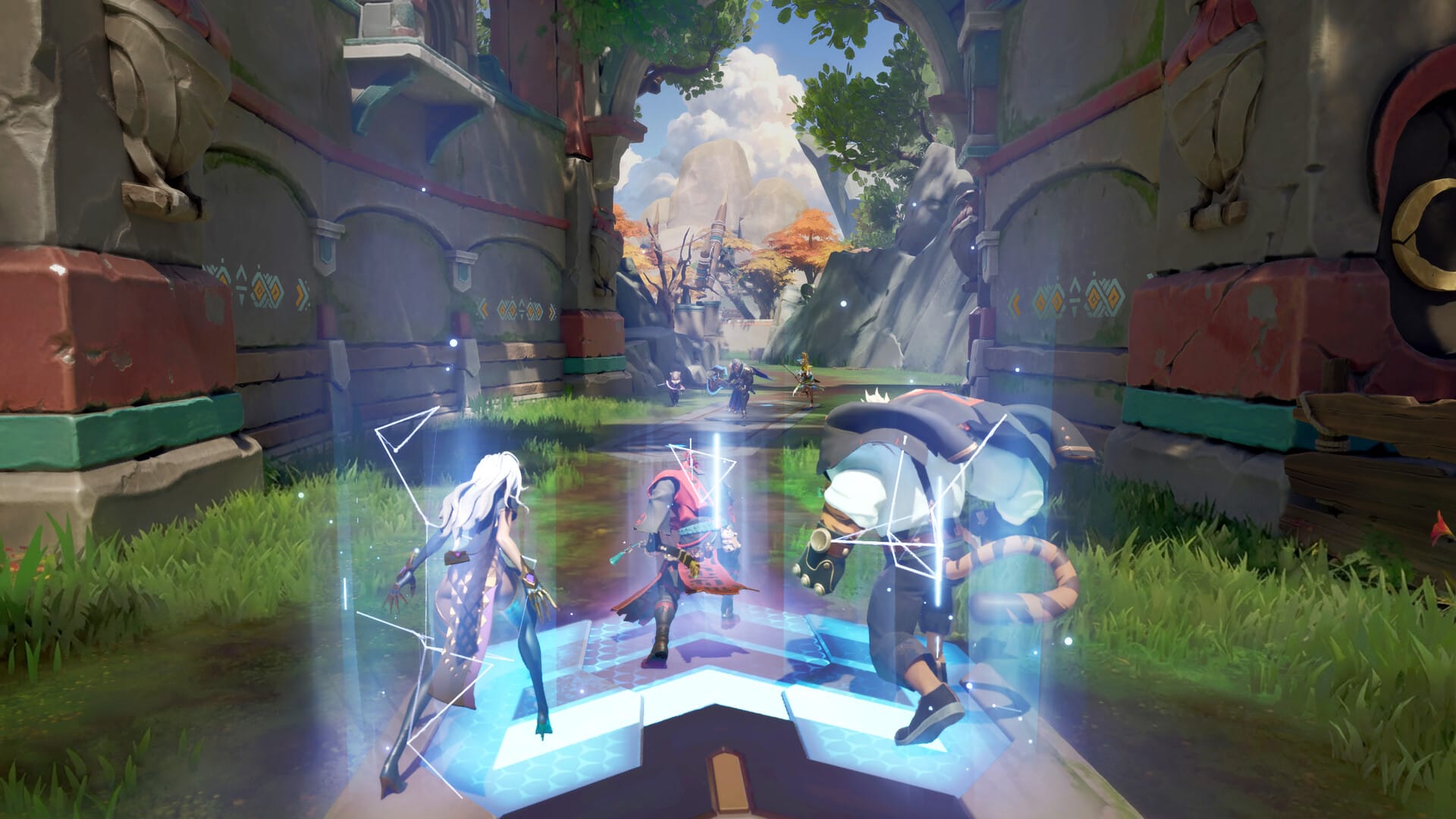
Whether that holds together as a competitive design is the open question. Three-player teams compress the role split that makes traditional MOBAs work, and a five-team free-for-all changes the math on rotations, ganks, and team-fighting in ways nobody has stress-tested at scale. Krafton has the PUBG money to keep development going long enough to find out. No public Western release window yet, only test waves.
Player base verdict: Too early to call. Watch for an open beta announcement.
Worth Watching: Supervive, Honor of Kings, and the Genre-Bender Wave
A handful of borderline cases deserve a heads-up rather than a ranking slot. Supervive shipped a 40-player MOBA-battle-royale mashup that found a small dedicated audience and is still patching toward a sustainable mode mix. Honor of Kings keeps expanding its global rollout from the largest mobile MOBA on earth, and any year now the Western numbers might actually justify a spot on the main list. Sparkball, Last Flag, and StoneHold are all in pre-release pitch territory with concept-trailer energy and zero player-base data. Each could matter in 2027. None of them belong in a 2026 ranking yet. The pattern echoes the RTS revival of 2025, where new entries finally started landing finished and ambitious rather than half-baked and free-to-play.
Which New MOBA Game Survives Launch Year?
The honest scorecard: Deadlock already won the survival question and is now competing for genre dominance. Smite 2 is alive but in a slow fight with its own predecessor for the same audience. Predecessor is healthy where the publicly visible charts don’t look. Project ZETA is interesting enough to warrant another check at open beta. Everything else on the announcement reel is a wishlist add, not a queue commitment.
If you’re picking one of the 2026 MOBA games to commit to, Deadlock is the answer for PC. If you play across PC and console with a regular group, Predecessor and Smite 2 both deliver. Our player-count roundup gets refreshed when new beta numbers come in, and the MOBA guides hub on Strategygame.org tracks each of these as updates land.
Frequently Asked Questions
What new MOBA games are worth playing in 2026?
Deadlock is the standout, followed by Smite 2 and Predecessor, with Project ZETA still in closed testing. Deadlock leads on raw numbers and design, Smite 2 and Predecessor both deliver across PC and console, and Project ZETA is the experimental wildcard worth watching for an open beta.
Is Deadlock released yet?
Not officially. As of 2026 Deadlock is still an invite-only Steam playtest with no public launch date, yet it regularly draws 60,000 to 100,000 concurrent players and spiked past 125,000 on update days. It is effectively the genre’s healthiest new game without a formal release.
Did Smite 2 succeed?
It is alive but fighting its own predecessor for players. Steam concurrents settled into the 2K to 6K range after the January 2025 launch, below where Smite 1 sat before the sequel. The game itself plays well with crossplay and console parity, but its long-term odds are a coin flip.
Which new MOBA is most likely to survive?
Deadlock has already answered the survival question and is now competing for genre dominance. Predecessor is healthy thanks to a console-heavy player base that the Steam charts understate, while Smite 2 survives the year but faces an uncertain future. Project ZETA is too early to call.
What is Project ZETA?
Project ZETA is KRAFTON’s experimental MOBA, currently in closed testing. It runs five teams of three in third-person action on a shared map, where the goal is racing to extract Prisms rather than destroying a base. It is the most format-curious new entry, but there is no Western release window yet.