Searching for MOBA games like League of Legends usually means one of two things. Either you’ve hit the burnout wall after a few thousand games, or the ranked grind finally soured and you want the genre without the baggage. The good news is that your skills aren’t trapped. We covered how the genre’s giants stack up in our MOBA ranking. This piece answers the narrower question: where does a League player actually land softly?
The four picks below are ordered by how much of your muscle memory transfers, with an honest line on what each fixes about League and what it loses.
What Actually Transfers When You Switch
More than you’d think. Wave management, rotation timing, objective trading, and vision discipline are genre skills, not League skills. If you understand what makes a MOBA a MOBA, you understand all of these games at the macro level on day one.
What doesn’t transfer: champion-specific mechanics, item builds, and your rank. Every game below will place you lower than your ego expects for the first few weeks. Population matters too, since queue health varies wildly outside the big two. The numbers in our player-count roundup are worth a look before you commit.
Wild Rift: The Lateral Move
The most muscle memory transfers here, because it’s literally the same champions. Wild Rift rebuilds League for phones with twin-stick controls and 15-to-20-minute matches.
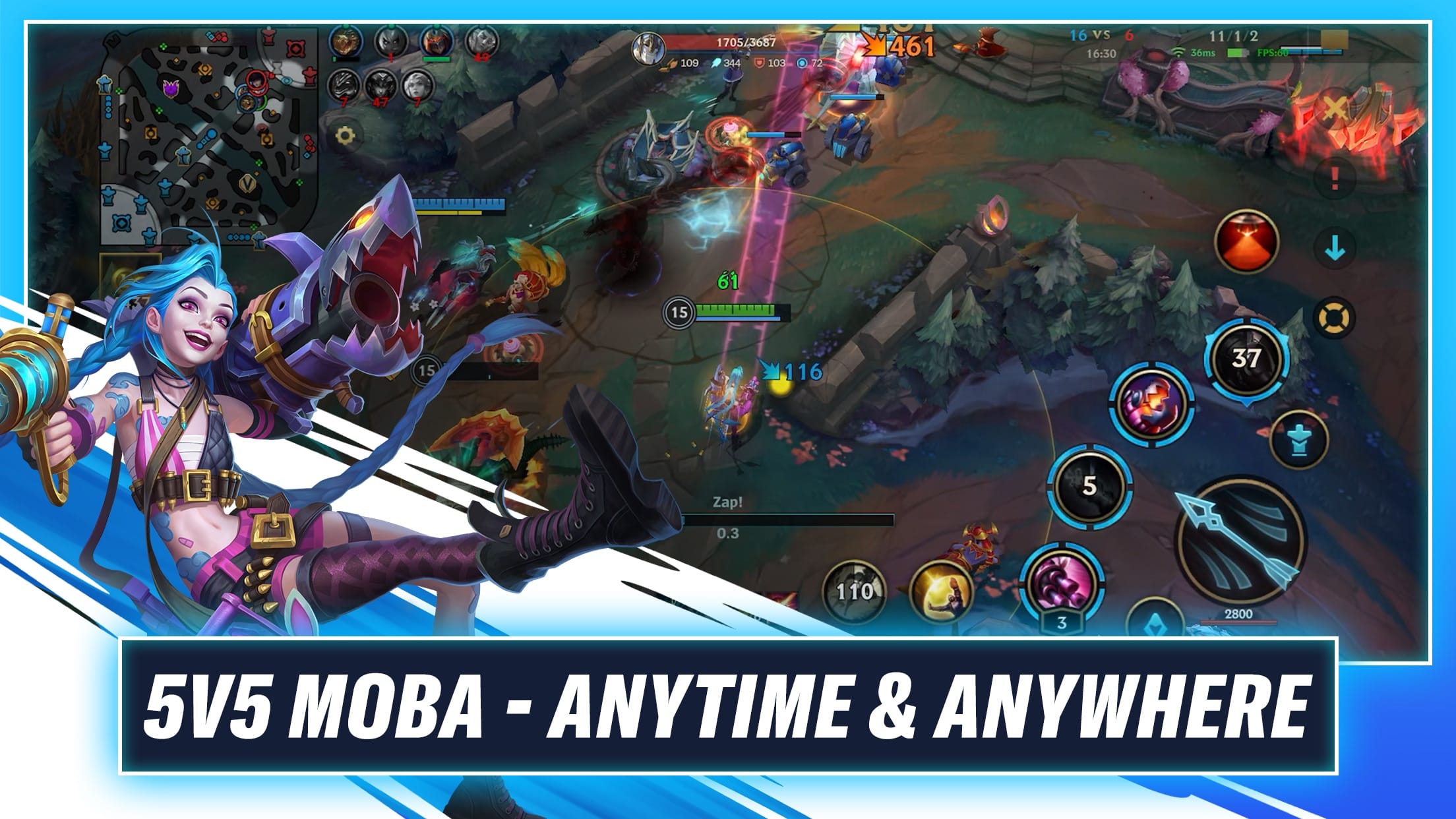
What it fixes: the time commitment. A full ranked session fits in the gap where one PC game used to live. What it loses: roster depth and some mechanical ceiling, since the touch version trails PC by design. If the phone format appeals on its own, our mobile MOBA ranking covers the full field.
Dota 2: The Deep End Next Door
The obvious rival, and the least gentle landing. Your macro knowledge transfers almost completely. Your mechanics arrive at about 60 percent, because Dota 2 adds turn rates, denying, day-night cycles, and courier logistics on top of everything you already juggle.
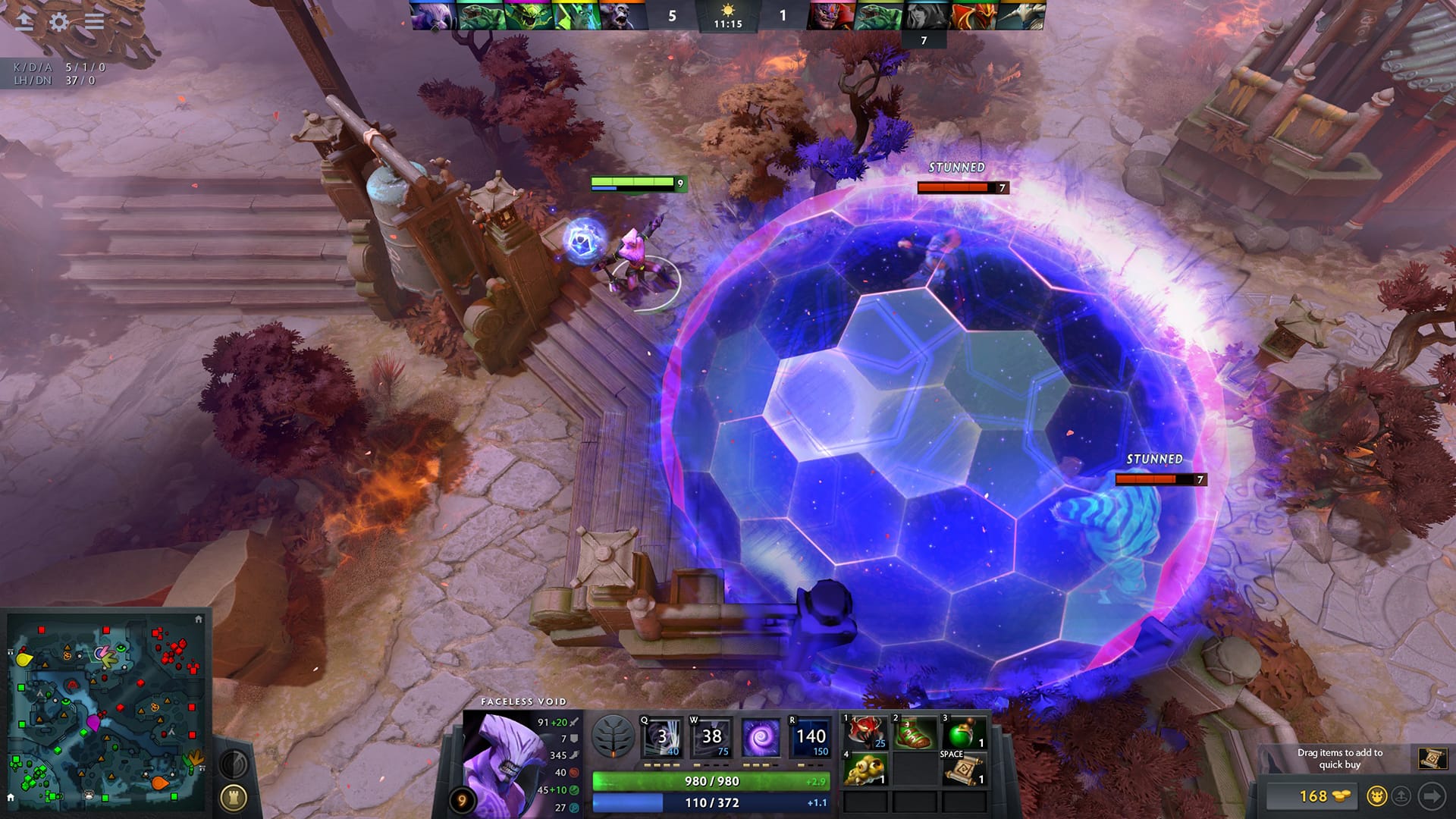
What it fixes: monetization (every hero free, forever) and strategic variety, since item builds genuinely change what a hero is. What it loses: speed and polish. Matches run longer, comebacks drag, and the client feels like a workshop rather than a product. Pick it if your complaint about League was depth, not time.
SMITE 2: The Perspective Reset
If the complaint is staleness rather than the genre itself, changing the camera works better than changing the map. SMITE 2 plays the full MOBA loop in third person, every ability a skillshot, with a rebuilt Unreal Engine 5 client and proper console crossplay.
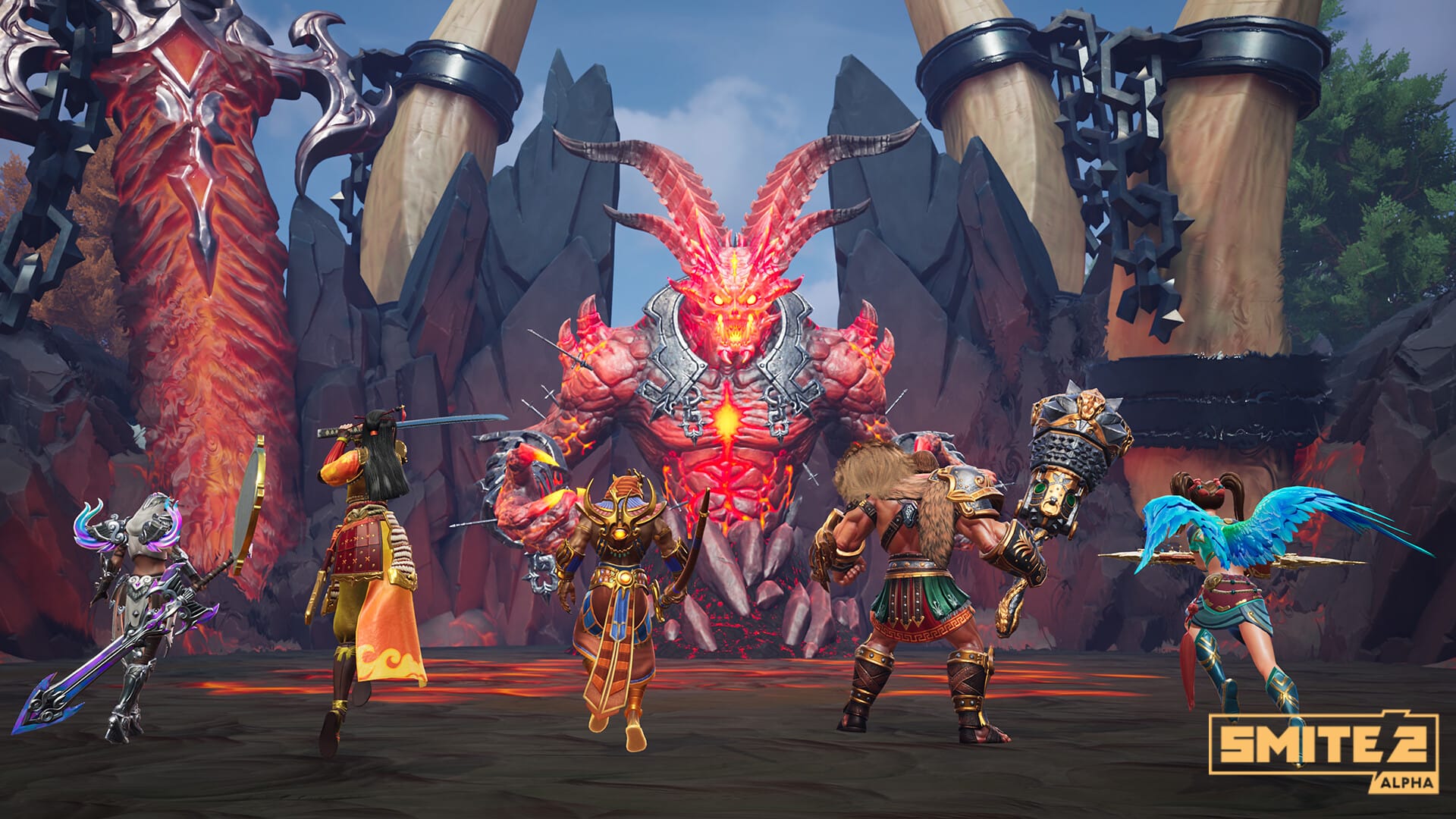
What it fixes: the feeling that you’ve seen every fight before. Information works differently when you can’t see behind you, so even familiar situations read fresh. What it loses: population. Queues are healthy at peak hours and thinner at the edges, a real downgrade from League’s instant matchmaking.
Predecessor: The Paragon Revival
The purest “League but third person” experience on the list. Predecessor rebuilds Epic’s canceled Paragon on Unreal Engine 5, and its lane structure, item system, and role assignments map onto League habits almost one to one.
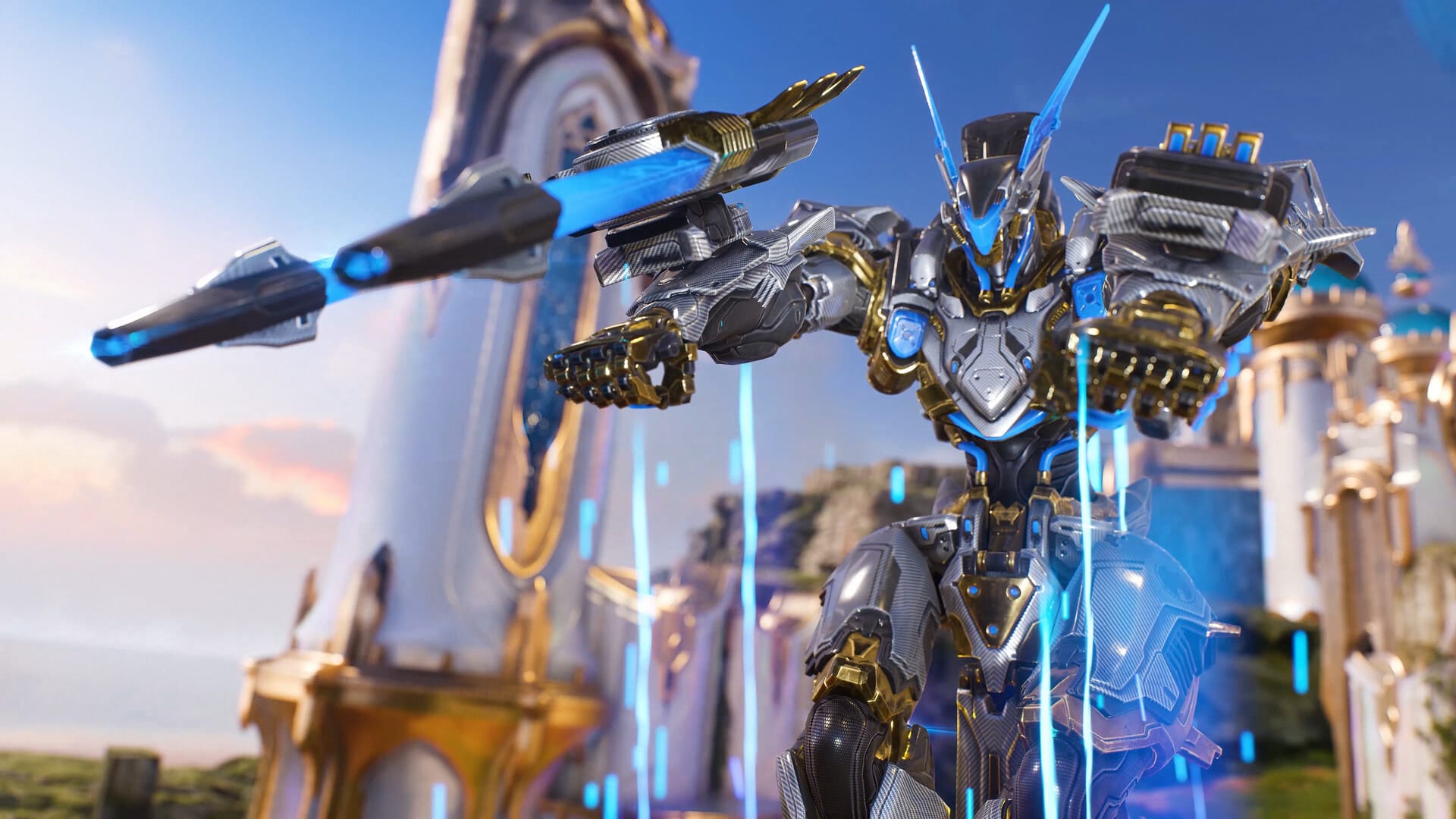
What it fixes: pace and spectacle. Fights feel physical in a way isometric MOBAs can’t manage. What it loses: matchmaking quality, because the player base is the smallest here and skill spreads inside a single lobby can get wide. Go in for the experience, not the ladder.
Pick Your Exit
Short on time, Wild Rift. Hungry for depth, Dota 2. Bored of the camera, SMITE 2. Missing Paragon or just craving spectacle, Predecessor. And if the honest answer is that you don’t miss League at all, the genre next door might fit better than another MOBA. Plenty of players burned out on ranked ladders end up happier in slower strategy games entirely.
Whichever exit you take, take the skills with you. The MOBA guides hub on Strategygame.org keeps growing alongside this cluster, and rotations learned in one lane pay rent in all of them.
Frequently Asked Questions
What MOBA is most like League of Legends?
Wild Rift is the closest, since it is literally League rebuilt for phones with the same champions and shorter matches. If you want a third-person take that still maps onto League habits, Predecessor is the next closest, with near one-to-one lane structure, items, and roles.
Do my League of Legends skills transfer to other MOBAs?
The macro ones do. Wave management, rotation timing, objective trading, and vision discipline are genre skills that work on day one in any MOBA. What does not transfer is champion-specific mechanics, item builds, and your rank, so expect to place lower than your ego wants for a few weeks.
Is Dota 2 similar to League of Legends?
They share the same genre core, so your macro knowledge carries over almost completely, but Dota 2 is deeper and less forgiving. It adds turn rates, denying, day-night cycles, and courier logistics, so your mechanics arrive at roughly 60 percent. Pick it if your complaint about League was depth, not time.
What is a good League of Legends alternative on console?
SMITE 2 and Predecessor are the two best console options, both third-person MOBAs with full crossplay and proper controller support. SMITE 2 has the larger population, while Predecessor is the purer League-style experience for players who want that lane structure on a pad.
Should I switch from League if I’m burned out?
If the problem is time, Wild Rift gives you the same game in shorter sessions. If it is staleness, SMITE 2’s camera change makes familiar fights feel new. And if you do not actually miss League at all, a slower strategy genre may suit you better than another MOBA ladder.