Quick Rundown
Some tabletop strategy games earn their box weight in pure decision density. Others end up under a coffee table after two sessions because nobody wanted to re-read the rulebook. This list covers five games that reward setup time and is honest about what each one actually costs you in money, hours, and patience.
If you’re newer to physical strategy and want a broader entry point, Strategy Board Games Worth Your Shelf in 2026 has accessible picks across every weight tier. Come back here when you want the serious end of the shelf.
Twilight Imperium (4th Edition)
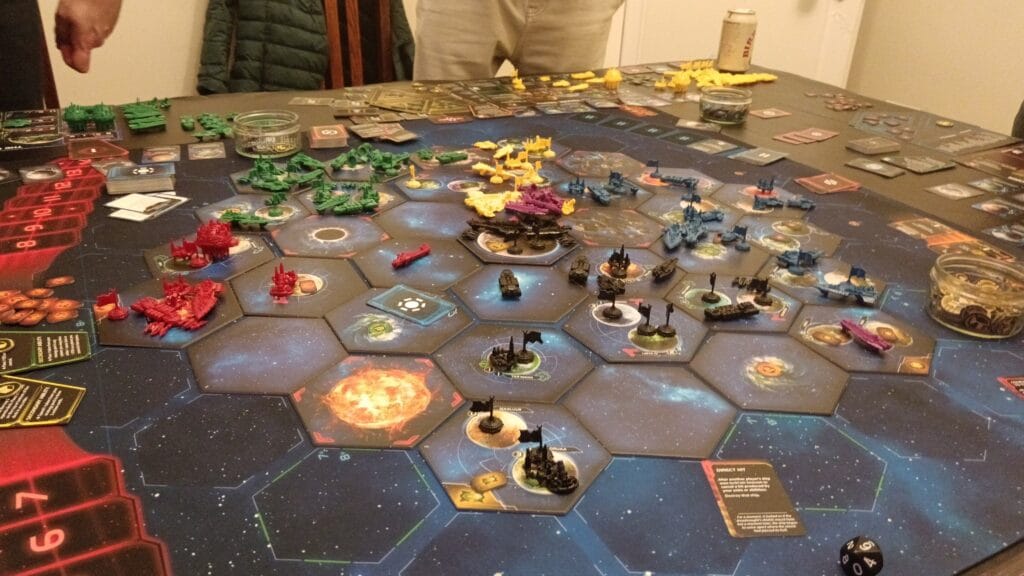
There’s no subtle way to describe Twilight Imperium: it’s a 4-to-8-hour intergalactic civilization game that needs snacks, a cleared schedule, and at least one player who genuinely enjoys rulebooks. Fantasy Flight’s flagship is unmatched in political weight. Every faction negotiates, backstabs, and sprawls for control of Mecatol Rex. The 4th edition trimmed the worst pacing problems from its predecessor without gutting the depth that makes the game worth playing.
Barrier is high. You need 4 to 6 players and most of a day. But no digital strategy game replicates the feeling of a faction deal going sideways in real time across a physical table. BoardGameGeek’s Twilight Imperium 4E page has faction tier lists, variant rules, and honest setup time estimates by player count.
Play time: 4–8 hours | Group size: 4–6 | Barrier: High
Warhammer 40,000
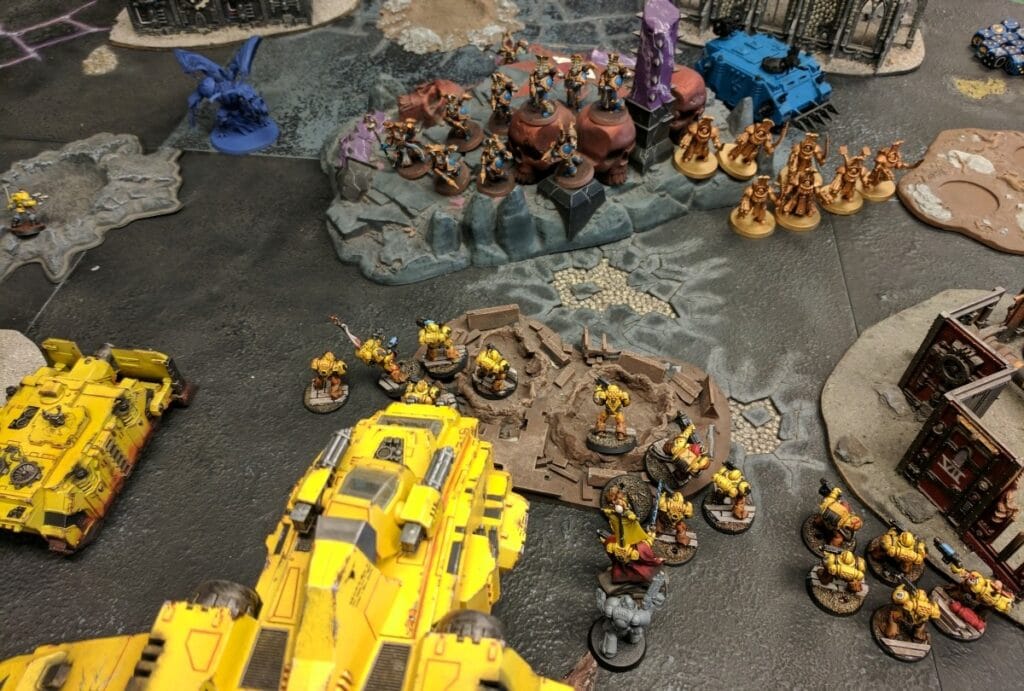
Warhammer 40K is a miniatures wargames system first and a strategy game second, but the strategy runs deep once you’re past the assembly phase. Army construction follows a points economy where every unit choice carries a tactical tradeoff. The meta shifts with each Codex release, which keeps even veteran players reworking their lists every few months.
Cost is the real barrier. A competitive army runs $200 to $500 before you prime a single model. Whether that’s justified depends entirely on how much you enjoy the hobby layer alongside the game. For strategy tabletop games at this investment level, you’re buying a game and a community. Both are active and deep, so the math usually works out for the right player.
Play time: 2–3 hours per match | Group size: 2 | Barrier: Very High
Star Wars: Legion
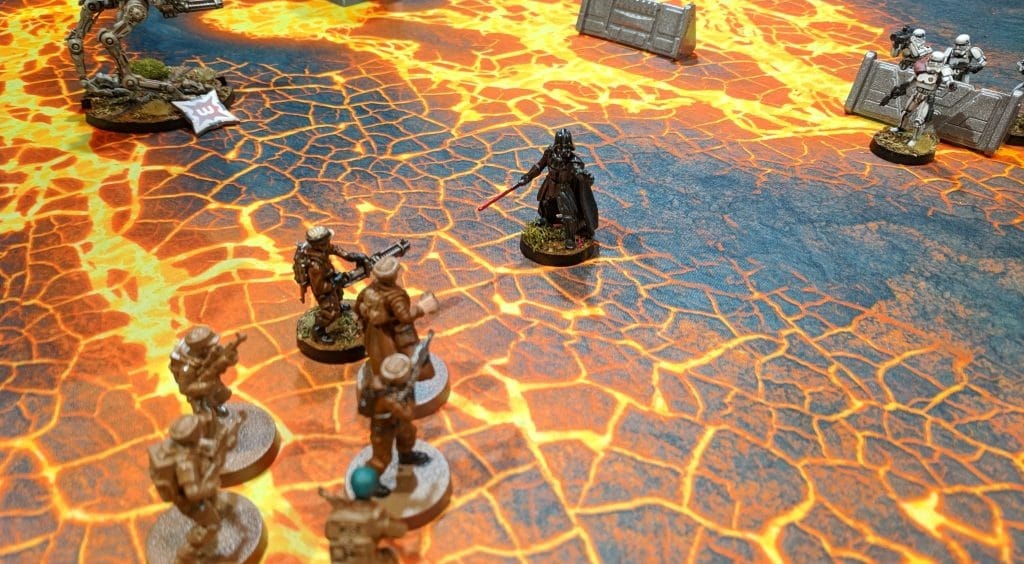
Star Wars: Legion sits in a more accessible tier of miniatures wargames than 40K in both cost and rule complexity. The two-player format keeps sessions between 90 and 120 minutes. Squads activate in alternating order, which means both players stay engaged the entire game rather than watching one side move everything uncontested.
Legion rewards positioning and objective control over raw firepower, a deliberate design choice worth appreciating. It’s among the better miniatures wargames entry points for players who want genuine tactical depth without the 40K commitment. BoardGameGeek’s Star Wars: Legion page tracks faction updates and the current competitive meta.
Play time: 90–120 minutes | Group size: 2 | Barrier: Medium
Brass: Birmingham
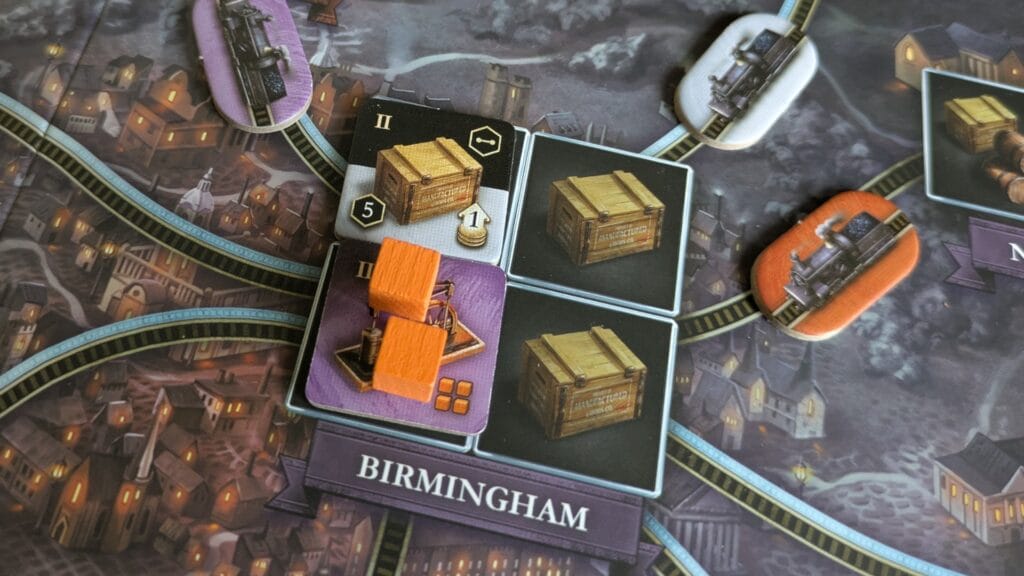
Brass: Birmingham is not a wargame. Nobody builds armies, nobody conquers anything. It belongs on this list because its decision density per session-hour beats most of what else is here.
Two to four players compete across canal and rail eras, building industries and managing network connections in Industrial Revolution England. Every card serves two functions. Every build blocks a competitor somewhere on the board. The game clicks in about 20 minutes of play and the depth reveals itself over the next ten. BoardGameGeek’s Brass: Birmingham page has community consensus on strategy, player count comparisons, and the best variants for experienced groups.
Sessions run 60 to 120 minutes depending on player count. Rulebook is lean. Barrier is low by the standards of this list, which makes it the easiest recommendation here for groups who want serious strategy without the miniatures overhead.
Play time: 60–120 minutes | Group size: 2–4 | Barrier: Low
Spirit Island
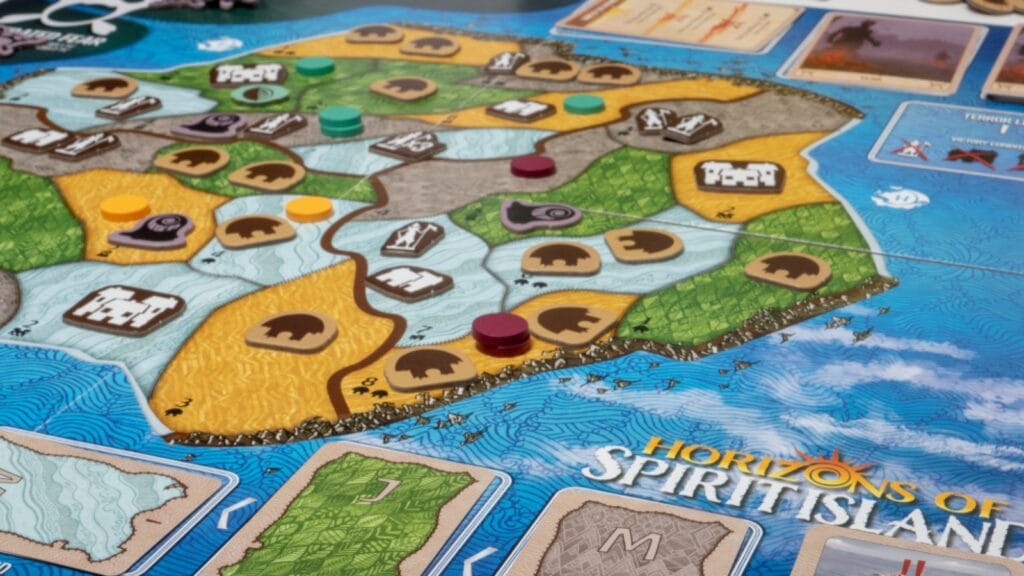
Spirit Island rounds out the list as the cooperative option for groups that prefer not to compete directly. Players control elemental spirits defending an island against colonizing invaders. The difficulty scaling is unusually well-designed: beginner settings are genuinely accessible, and advanced scenarios punish experienced players who stop paying attention.
For more cooperative picks and a breakdown of how Spirit Island handles the classic quarterbacking problem (one player quietly driving everyone else), Co-op Strategy Board Games That Don’t Devolve Into Quarterbacking covers it in detail. Short answer: the design mostly solves it.
Play time: 90–120 minutes | Group size: 1–4 | Barrier: Medium
Play Time and Barrier at a Glance
| Game | Play Time | Barrier | Group Size |
|---|---|---|---|
| Twilight Imperium 4E | 4–8 hours | High | 4–6 |
| Warhammer 40K | 2–3 hours | Very High | 2 |
| Star Wars: Legion | 90–120 min | Medium | 2 |
| Brass: Birmingham | 60–120 min | Low | 2–4 |
| Spirit Island | 90–120 min | Medium | 1–4 |
Where to Go Next
Every game here makes a defensible case. Twilight Imperium justifies its setup with a scope no digital game matches. Warhammer 40K justifies its cost if the hobby dimension appeals to you. Legion earns its place through relative accessibility. Brass: Birmingham earns everything by being a flat-out excellent design. Spirit Island fills the cooperative slot without compromise.
If you want to compare how asymmetric strategy board games stack up, the faction differentiation in Legion and Twilight Imperium is a natural connection. For how these tabletop picks fit into the broader strategy landscape, the best strategy games across every subgenre maps the full terrain. And for ongoing rankings and roundups across formats, Strategygame.org covers both sides of the physical and digital divide.