
Quick Rundown
Not every game should hand everyone the same rulebook. Asymmetric strategy board games are built on the opposite premise: each player runs a different faction with different mechanics, different resources, and often different victory conditions. One side commands overwhelming military force. Another works through political manipulation. A third survives by being everywhere at once. Same board, completely different machinery under the hood.
If your group has burned out on games where memorizing the rulebook is 90% of the win condition, asymmetric design fixes that problem. It also comes with real downsides worth understanding before spending $80 on a box. For a broader look at the tabletop strategy landscape, our strategy board games roundup covers everything from gateway titles to serious hobby investments.
What Real Asymmetry Looks Like
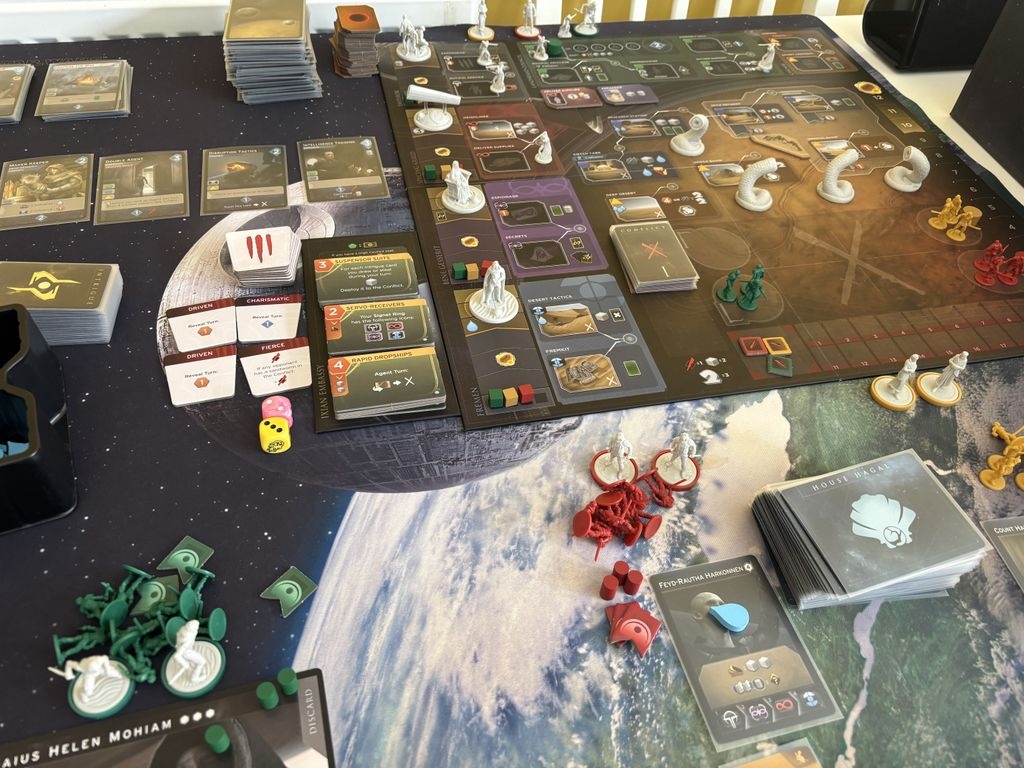
Genuine asymmetric design means each faction has a meaningfully different action structure, resource economy, or win condition. Ideally all three. The best examples create what designers call perceivable difference: at a glance, you should be able to see that the player across the table is running a completely different system.
That creates two hard design problems. Factions have to be balanced without being identical. And each faction has to be learnable without requiring the player to understand every other faction first. Root solves both. The COIN series solves the first at the cost of the second. That distinction matters more than most reviews make clear.
If you want to see how the design thinking behind tabletop asymmetry translates to digital games, our breakdown of turn-based strategy games covers the mechanics that connect both worlds.
The Best Asymmetric Strategy Board Games Right Now
Root
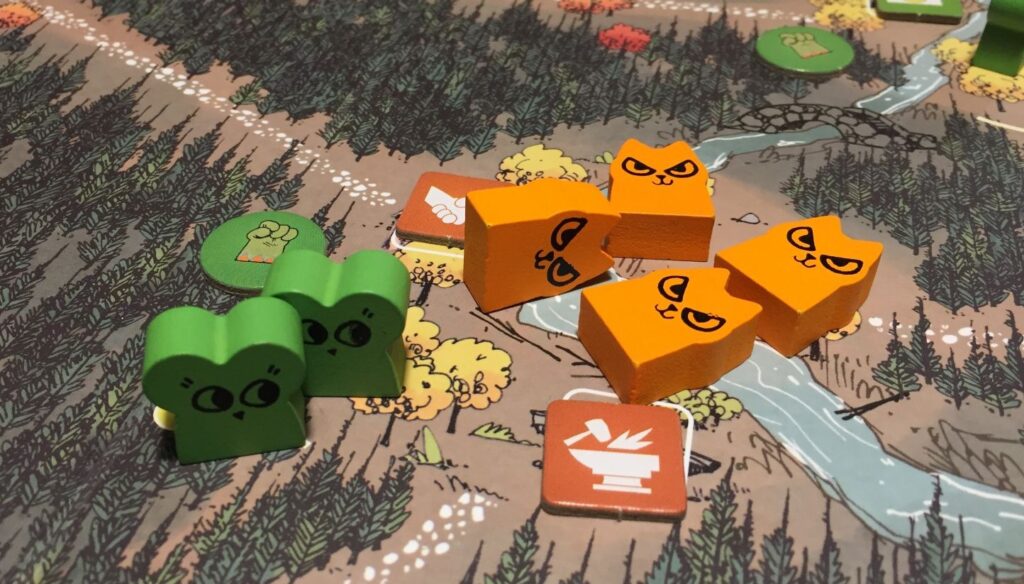
Root is the first recommendation for anyone new to asymmetric board games. The Marquise de Cat builds industrial infrastructure across the woodland. The Eyrie Dynasties execute rigid combat programs that spiral if disrupted. The Woodland Alliance grows sympathy tokens and stages revolts. The Vagabond quests and picks alliances based on opportunity. Each faction requires a different mental model, and the woodland aesthetic hides how ruthless the politics actually get.
Root works at two to four players, but three or four is where the game breathes. The root board game also has a solid digital version on Steam if you want to test factions before tabling it with your group.
Goonhammer’s breakdown of Root and the COIN design tradition is worth reading if you’re trying to decide between Root and something heavier before you commit to a purchase.
The COIN Series
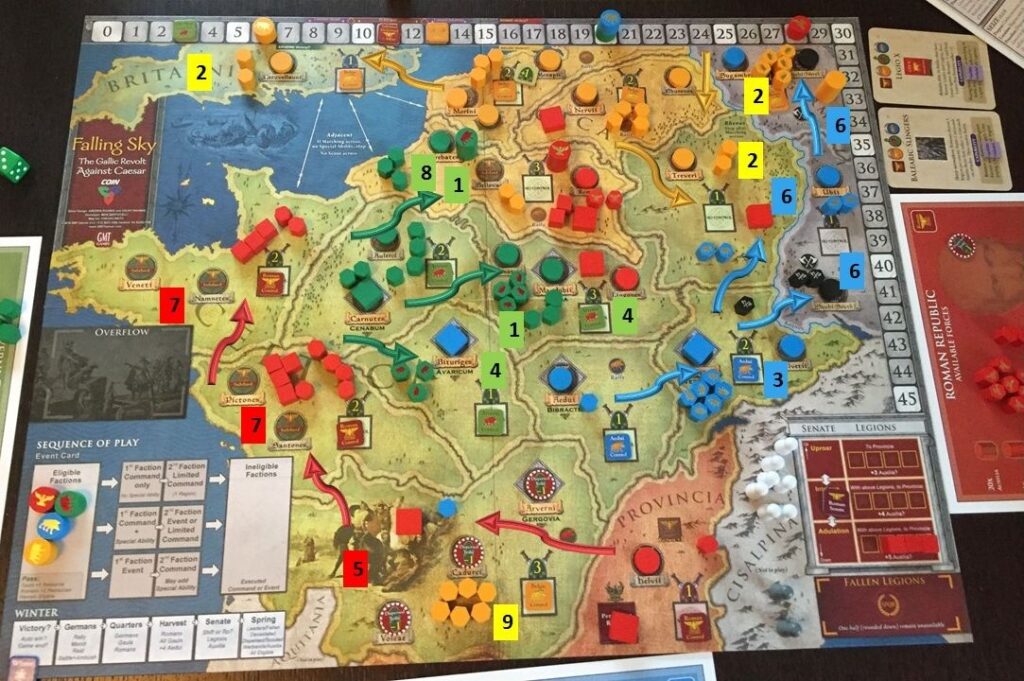
Volko Ruhnke’s COunter-INsurgency series is where asymmetric tabletop gets serious. Cuba Libre covers the Cuban Revolution. Fire in the Lake covers Vietnam. A Distant Plain covers Afghanistan. Each game gives four factions genuinely different agendas: government forces pacify territory, guerrillas undermine control, outside powers exploit the conflict, local factions pursue their own survival.
These are heavy games. The faction reference charts take several plays to internalize. The Players’ Aid rates COIN games among the strongest asymmetric designs available, and the argument holds up. No other system captures multi-party conflict with this kind of historical authenticity. Start with Cuba Libre: it’s the shortest and the asymmetry is the easiest to track across all four factions.
War of the Ring
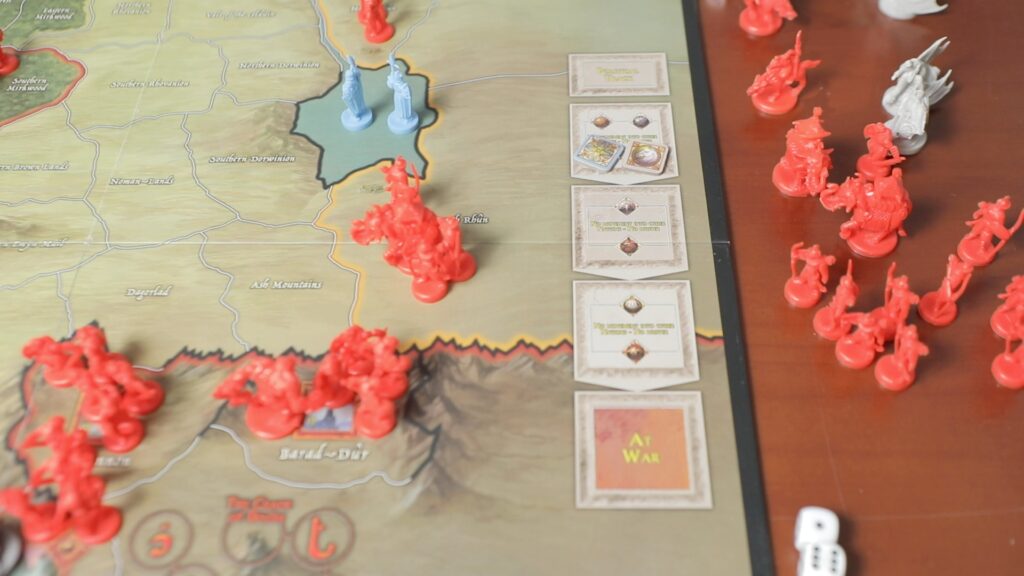
War of the Ring splits the Lord of the Rings conflict into two different games on one board. The Free Peoples player manages the Fellowship’s journey while holding back Sauron’s military advances. The Shadow player commands overwhelming armies and has to use them efficiently before the Ring reaches its destination.
The structural asymmetry is clean. Different objectives, different action economies, different decisions at every turn. The game holds up to repeated play because the action card distribution shifts based on how both sides commit their resources, so the same opening never leads to the same mid-game twice.
Vast: The Mysterious Manor
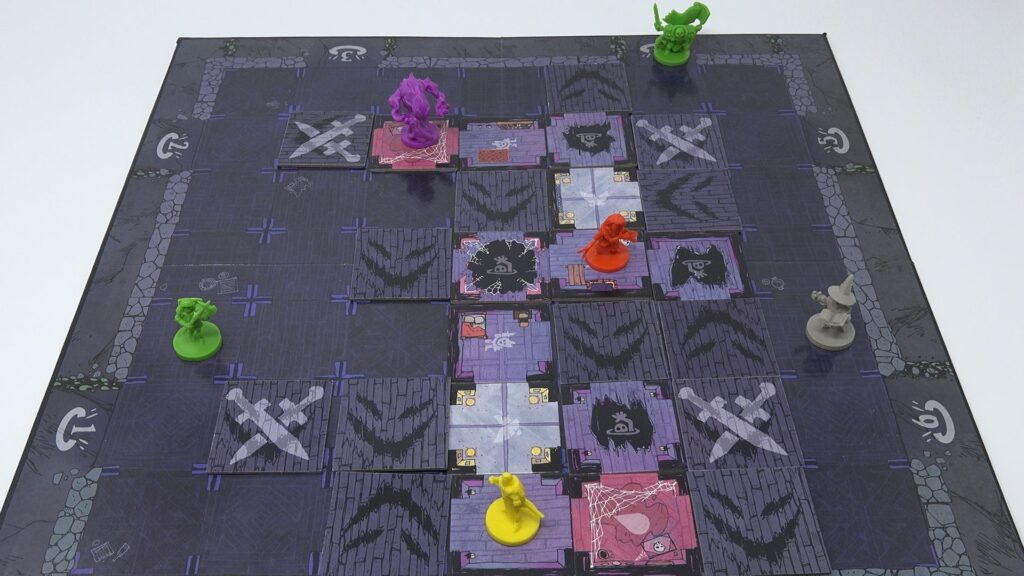
Vast takes asymmetric board games into genuinely unusual territory. One player explores the manor. Another plays the manor itself, shifting rooms and deploying hazards. A third controls skeleton forces. A fourth might be a ghost with entirely different interaction rules. Every role operates on different movement mechanics, objectives, and board relationships.
It’s harder to learn than anything else on this list. Groups who’ve exhausted Root and want something that takes multiple sessions just to understand will find that challenge here. But go in knowing what you’re signing up for.
For more on what the strategy game rankings look like across the hobby, StrategyGame covers both digital and tabletop formats.
Where Asymmetric Games Fall Short
The knowledge gap is the core structural problem. In symmetric games, a new player is just slower. In asymmetric games, a new player might not understand what their faction is supposed to be doing at all while an experienced player runs their familiar role on muscle memory.
The Thoughtful Gamer’s analysis of asymmetry classification is useful for understanding the spectrum from mild faction differences to complete mechanical separation, which helps you match complexity to what your group can actually handle.
Players who regularly tackle abstract strategy board games tend to adapt faster to new asymmetric factions. They’re already used to reading unfamiliar rule structures without a genre template to lean on. Groups coming from cooperative games or party games should plan for a slower ramp-up.
Which Game Should You Start With
Two rules worth following. First: match complexity to your group’s actual patience, not their stated ambition. People consistently overestimate how much rulebook they’ll tolerate before the box goes on a shelf. Second: have at least one person willing to become the faction expert for each role during the first few plays.
- New to asymmetric games: Root at three or four players.
- Experienced groups who want historical depth: Cuba Libre or Fire in the Lake.
- Tolkien fans who want genuine tactical weight: War of the Ring.
- Groups who want to break the genre completely: Vast.
If you’d rather have strategic depth without the faction homework, our picks for strategy card games offer a different kind of mental challenge at a much lower entry cost.
Once you’ve played Root twelve times and start explaining everyone else’s factions mid-game, congratulations. You’ve become the exact problem this article warned your new players about. It happens to everyone. Find more strategy game coverage at Strategygame.org.