A turn-based RPG is a role-playing game where combat pauses for you. Characters and enemies act in a fixed order, one at a time, and the fight waits while you decide what to do. Nothing happens until you commit. That single design choice separates the format from action RPGs, where hesitation gets you hit, and it is the reason these games can carry systems far too complicated to manage in real time.
The label covers a wide range. Some of these games look like a menu and four portraits. Others look like a chessboard with elevation and line of sight. What they share is the turn structure underneath, and once you understand how turn order, action economy, and the ATB variants work, every game in the category becomes easier to read.
Turn Order and Initiative
Every turn-based RPG needs a rule for who acts first. Classic Japanese RPGs roll it invisibly from a speed stat each round, which is why a fast character sometimes acts twice in a row across a round boundary. Tabletop-derived games roll initiative once at the start of combat and keep that order for the whole fight, so a bad roll shapes an entire encounter.
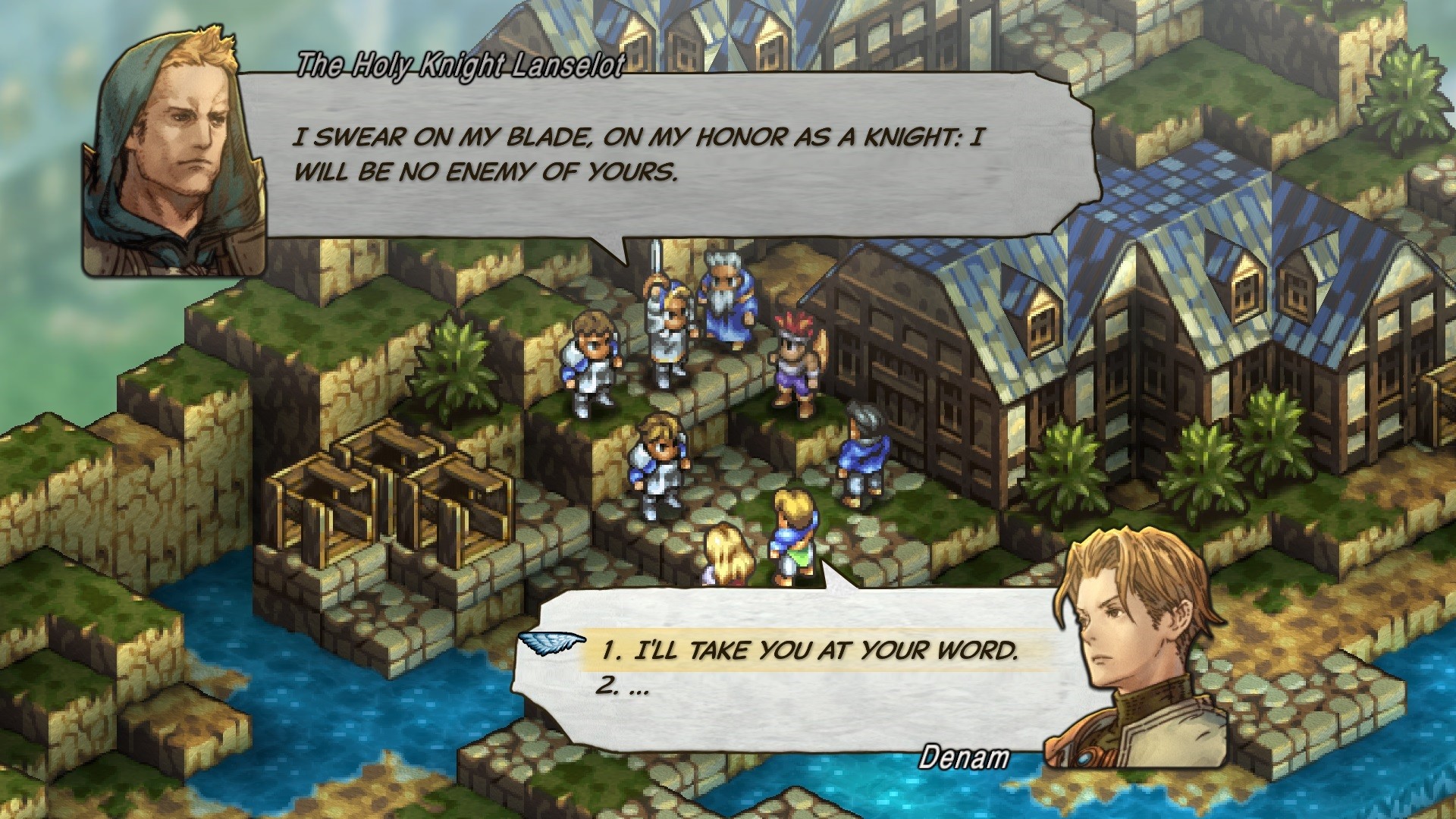
Tactics games usually display the queue on screen. Once you can see that three enemies act before your healer does, positioning stops being guesswork. Games that hide the order are asking you to hold it in your head instead, and older titles did this mostly because screen space was expensive. If you want the wider family tree, our guide to turn-based mechanics covers how the same ideas work outside role-playing.
Action Economy Is the Real Game
Action economy means how many things each side gets to do. A four-character party facing six enemies is losing the exchange before anyone rolls damage, because the enemy gets six actions per round and you get four. Almost every winning strategy in the genre comes down to fixing that ratio.
There are three ways to fix it. Remove enemy actions by stunning, sleeping, or killing something outright. Add your own actions through haste effects, extra attacks, or abilities that let one character grant a turn to another. Or make each action worth more, which is what area damage and multi-target buffs do. Once you start counting actions instead of hit points, hard fights stop feeling random.
Modern games make this explicit. Press-turn systems hand you bonus actions for hitting an enemy weakness and take them away when you miss, so a single wrong guess can cost half a round. Action point systems let you spend a turn’s budget on one big move or several small ones, which is the model most of our tactical picks use.
ATB and the Semi-Real-Time Middle Ground
Active Time Battle sits between turn-based and real-time. Each character fills a gauge, and when it fills they can act. The clock keeps running while you read the menu, so slow decisions cost you. Square popularized it in the early 1990s and versions of it still show up today, sometimes with a setting that freezes the gauge while menus are open.
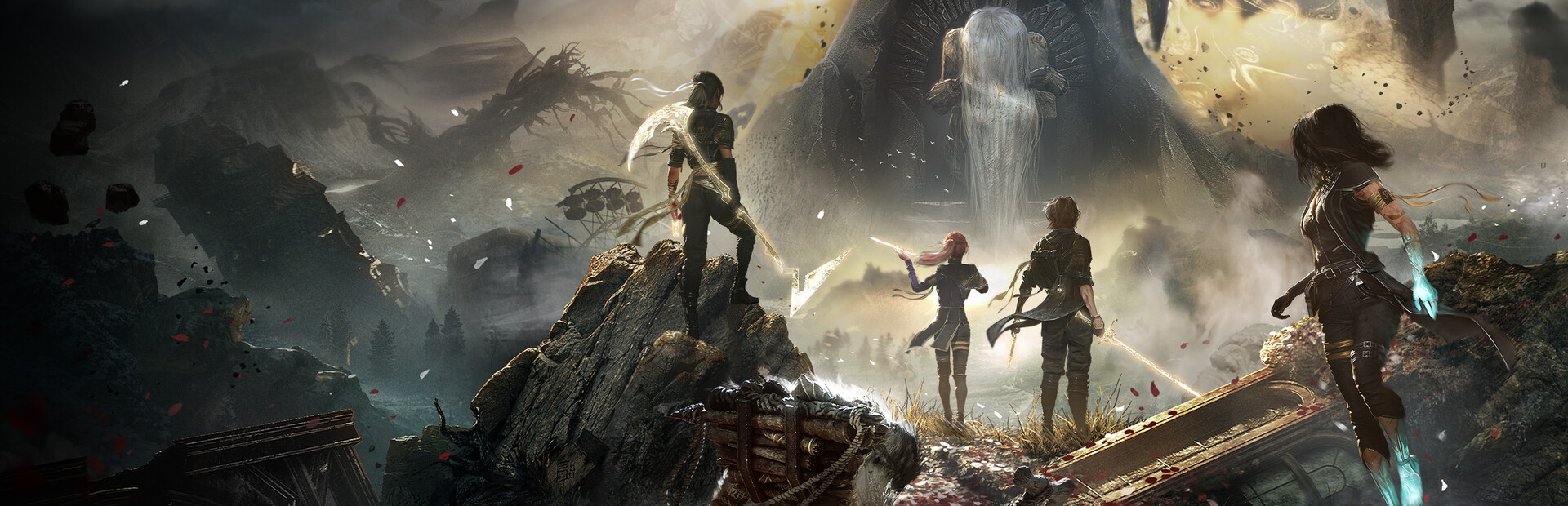
A newer variant keeps the turn structure but hands you something to do during the enemy’s turn. Clair Obscur: Expedition 33 asks for a parry or dodge input every time you are attacked, which means the defensive half of combat is a skill test rather than a wait. Purists argue this is no longer turn-based. In practice the planning layer is untouched, and only the reaction layer changed.
A Short History, From Wizardry Onward
The format started on mainframes. Dungeon crawlers written for the PLATO system in the mid-1970s already had party combat resolved one action at a time, borrowed straight from tabletop Dungeons and Dragons. Those games reached almost nobody outside university terminals, but they set the template.
Wizardry: Proving Grounds of the Mad Overlord arrived on home computers in 1981 and made the six-character party, the first-person dungeon view, and the menu-driven fight into a standard. Its influence ran straight through Japan, where Dragon Quest simplified the idea for consoles in 1986 and gave the format the shape most players still picture. The 2024 remake is the easiest way to see how little the core has changed.
Western development went the other way, toward simulation. Games like Divinity: Original Sin 2 kept the turn structure and layered surfaces, elevation, and elemental reactions on top, which is why a Western party RPG can take twenty minutes to finish one fight.
Why the Format Came Back
For most of the 2000s the genre was treated as outdated, and big publishers pushed everything toward real-time action. Two things reversed that. Independent studios proved the audience never left, and hardware stopped being the constraint on how many systems a fight could hold.
There is also a practical reason. Turn-based combat suits how adults play now, in interrupted sessions, on handhelds, with a phone in the other hand. A fight that waits for you is easier to fit into thirty minutes than one that punishes you for looking away. That is the same reason the format dominates our 2026 turn-based rankings and much of the tactical role-playing coverage across Strategygame.org.
Where to Start
If you have never played one, pick a game that shows its turn order on screen. Watching the queue teaches action economy faster than any tutorial. From there, decide which half of the genre you want. Party-driven games with heavy character systems pull toward role-playing, while grid-first games pull toward tactics, and our strategy RPG breakdown maps that split in detail. Anything else you need is over at Strategygame.org.
Frequently Asked Questions
What is a turn based rpg in simple terms?
It is a role-playing game where combat stops and waits for your input. Each character and enemy acts in sequence rather than all at once, so you can take as long as you need to plan a move. Everything else, from story to character builds, works the way it does in any other RPG.
What was the first turn based rpg?
Dungeon crawlers written for the PLATO mainframe system in the mid-1970s came first, though almost nobody could play them. Wizardry: Proving Grounds of the Mad Overlord, released in 1981, is the one that reached home computers and set the party-based standard everything after it copied.
What is turn based rpg combat like compared to real time with pause?
Real time with pause runs continuously and lets you freeze the action to issue orders. Turn-based combat never runs on its own, so there is no clock pressure at all. The tradeoff is pacing, since turn-based fights take longer in real minutes but ask for sharper decisions.
Is the turn based rpg meaning the same as a tactics game?
Not quite. Tactics games put grid movement and unit placement at the center and treat story as a wrapper. A turn-based RPG leads with character progression, party building, and exploration. Plenty of games sit on the line, and Tactics Ogre is the usual example.
Are turn-based RPGs still being made in 2026?
Yes, and the genre is in its strongest stretch in two decades. Clair Obscur: Expedition 33 sold well enough to make publishers pay attention, and both Japanese and Western studios have new projects in development. The format is no longer treated as a nostalgia play.