Most lists of the best turn-based RPGs rank by story, art direction, and how hard the ending lands. That is a fine way to pick a Saturday night game and a poor way to pick a combat system you will live inside for eighty hours. This ranking flips the order. Every game below earns its place on what the fights actually ask of you, how many live options a single turn contains, and whether the difficulty comes from sharp enemy design or from padded health bars.
The genre is in better shape than it has been since the early 2000s. A turn-based RPG no longer means four portraits, a menu, and a wait timer. It can mean a full tabletop ruleset with physics attached, an elemental simulation that reacts to its own weather, or a parry window bolted onto a command list. If you want the wider view of where these games sit next to tactics titles and 4X campaigns, our primer on the turn-based form covers the vocabulary.
How We Ranked Tactical Depth
Four things decided the order. Decision density, meaning how many meaningful choices sit inside one turn rather than one obvious button and three traps. Counterplay, meaning whether enemies punish a bad plan in ways you can read and answer next time. Build expression, meaning how far two players can diverge and both still win. And honest difficulty, meaning the hard fights are hard because of design rather than inflated numbers.
Story quality broke ties and nothing more. A few beloved games slid down the list because their combat resolves to one optimal loop by the twenty hour mark. Readers who want the pure tactics end of the spectrum instead of party-driven role-playing should start with our tactical turn-based picks, and the broader turn-based guides here at Strategygame.org fill in the rest.
A few categories were left out on purpose. Gacha titles run on stamina bars and roster economics rather than encounter design, so they belong in their own conversation. Action RPGs with a pause button did not qualify either, because pausing a real-time fight is a different skill from committing to a full turn and living with it. Everything here resolves in discrete turns, runs offline, and can be finished without spending a second time.
1. Baldur’s Gate 3
Nothing else in the genre gives you this many verbs. Larian built Dungeons and Dragons fifth edition into a sandbox where surfaces, elevation, shove, throw, and improvised weapons all resolve against the same rules the enemies use. A fight you lost three times becomes trivial once you notice the chandelier, the grease barrel, or the ledge behind the archer.
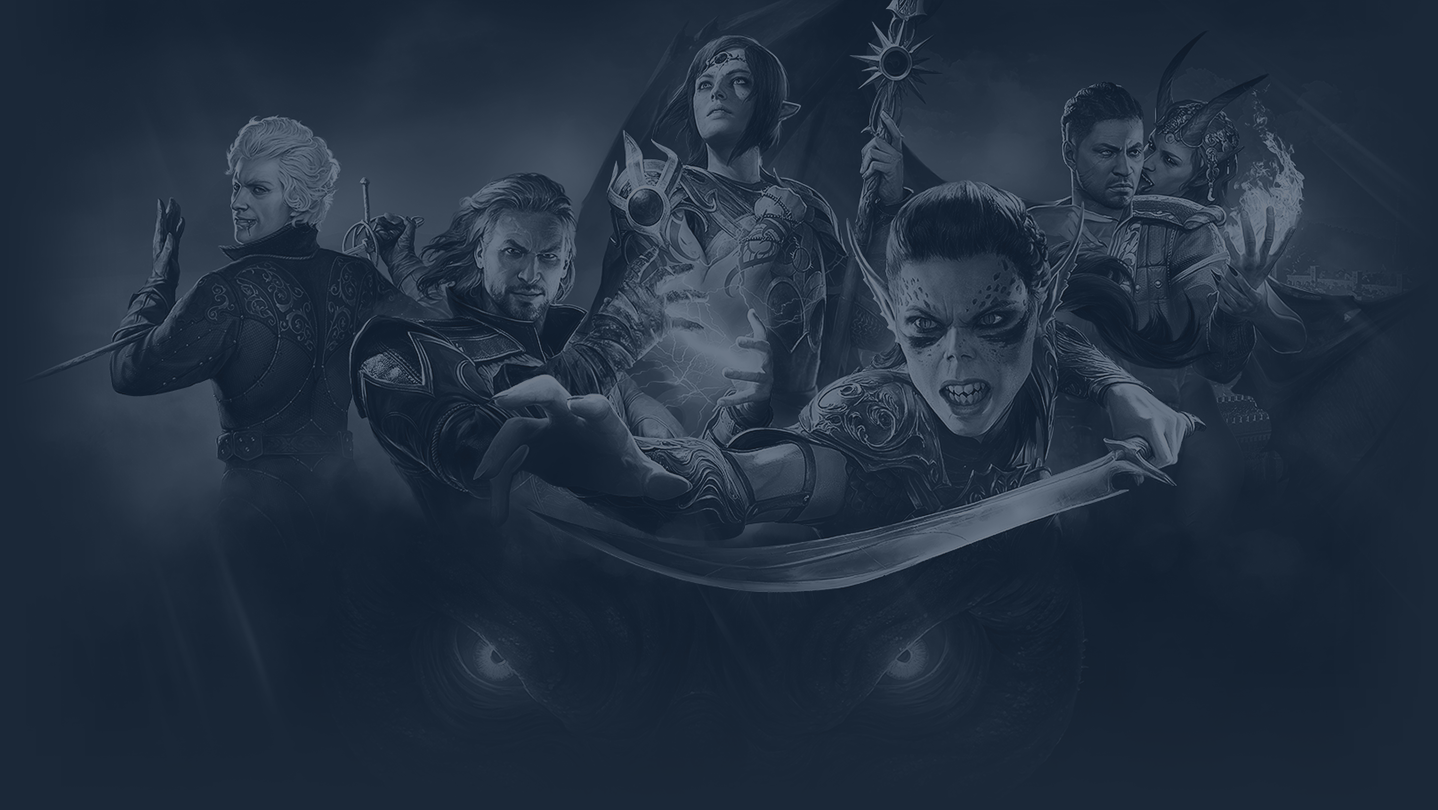
The depth is real rather than decorative. Action economy is the whole game, and the classes that look weak on paper win fights by denying enemies their turns entirely. Honor mode remains one of the better difficulty modes ever shipped because it changes boss scripts instead of doubling their hit points.
Build expression is the other reason it holds the top spot. Multiclassing lets two players run the same party composition and arrive at completely different answers, one stacking concentration spells and battlefield control, the other building a single hasted damage dealer who ends encounters before they start. Both work. Very few games in this genre survive that much player creativity without falling apart.
The fair criticism is pacing. Act three still sprawls, and the sheer number of systems means the first ten hours are a reading assignment. Anyone allergic to dice math will bounce. Everyone else gets the deepest turn-based role playing game currently on the market, and the Steam listing is the version with the most active mod scene.
2. Divinity: Original Sin 2
Larian’s previous game is still the purest expression of combat as chemistry. Rain conducts lightning. Blood freezes into ice that drops anyone who walks it. Fire eats poison clouds and turns them into an explosion large enough to end your own party. Almost every spell interacts with almost every surface, and the enemy AI knows all of it.
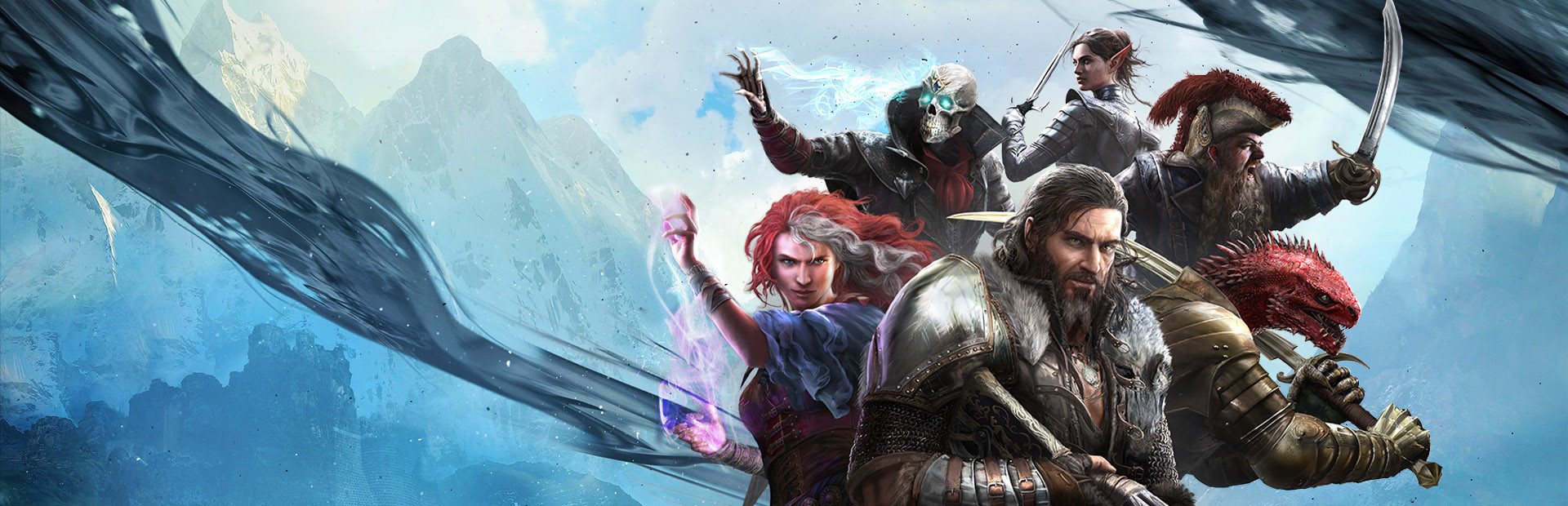
The armor system is the divisive part and also the reason the tactics run so deep. Crowd control only lands after you strip the matching armor bar, which turns every fight into a focus-fire math problem rather than a stun lottery. Once that clicks, the game opens up completely. Teleport becomes the strongest spell in the game, not because it does damage, but because moving an enemy is usually better than hitting one.
It is also harsher than its successor. Level scaling is brutal, a two level gap can end a run, and the writing wanders in the back third. The Definitive Edition fixes most of the balance complaints and goes on sale constantly, which makes it the easiest recommendation on this list to justify financially.
3. Warhammer 40,000: Rogue Trader
Owlcat built the most extreme build math in the genre. Late-game characters chain turns, generate free attacks off allied actions, and produce damage numbers that look like typos. Getting there requires reading tooltips like a contract lawyer, and that is the appeal.
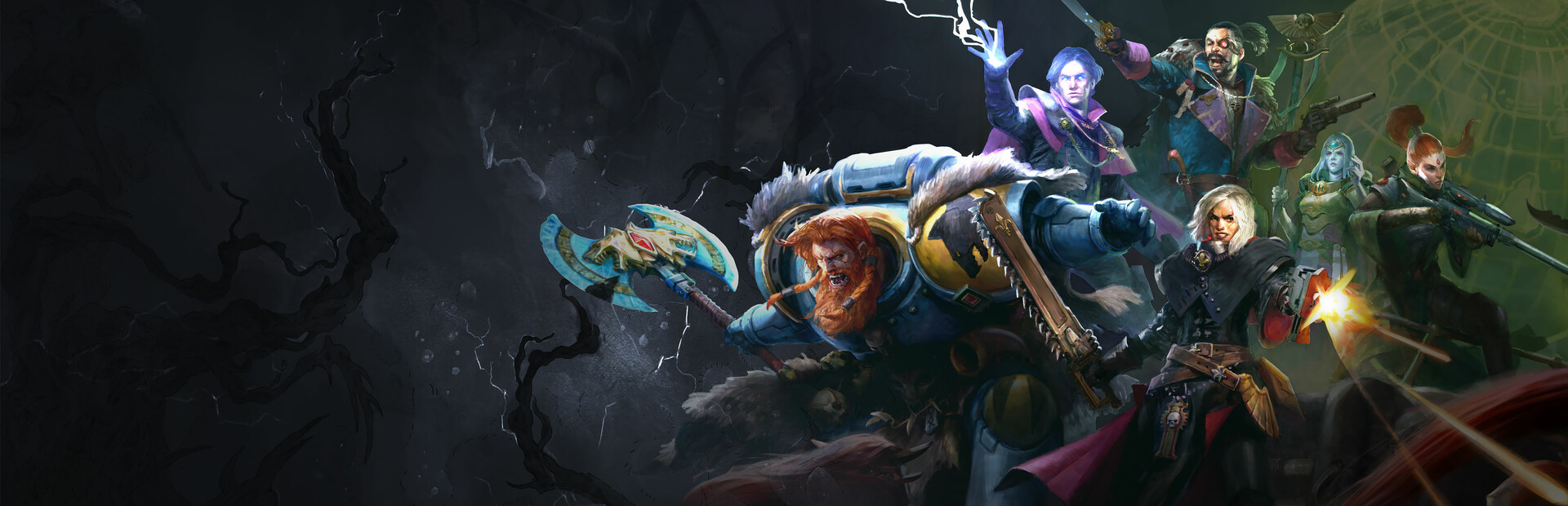
Combat runs on cover, momentum, and a heroic act economy that lets a well-built officer hand extra turns to the party’s biggest gun. Positioning matters more than in most cover shooters because destructible terrain shifts sightlines mid-fight. The archetype system supports genuinely different parties, from psyker artillery to melee assassins who never let an enemy act.
It shipped rough and the patches took a year to land. Even now the balance is wild at the top end, and the setting assumes you already know what a Navigator does. If that does not scare you, the current build is a far steadier game than the launch version, and it is regularly the deepest thing on our Steam strategy rankings.
4. Clair Obscur: Expedition 33
Sandfall’s debut is the reason a lot of players came back to the genre in the first place. It takes the classic command menu and adds a real-time defensive layer, so enemy turns become parry and dodge tests rather than dead air where you watch numbers appear.
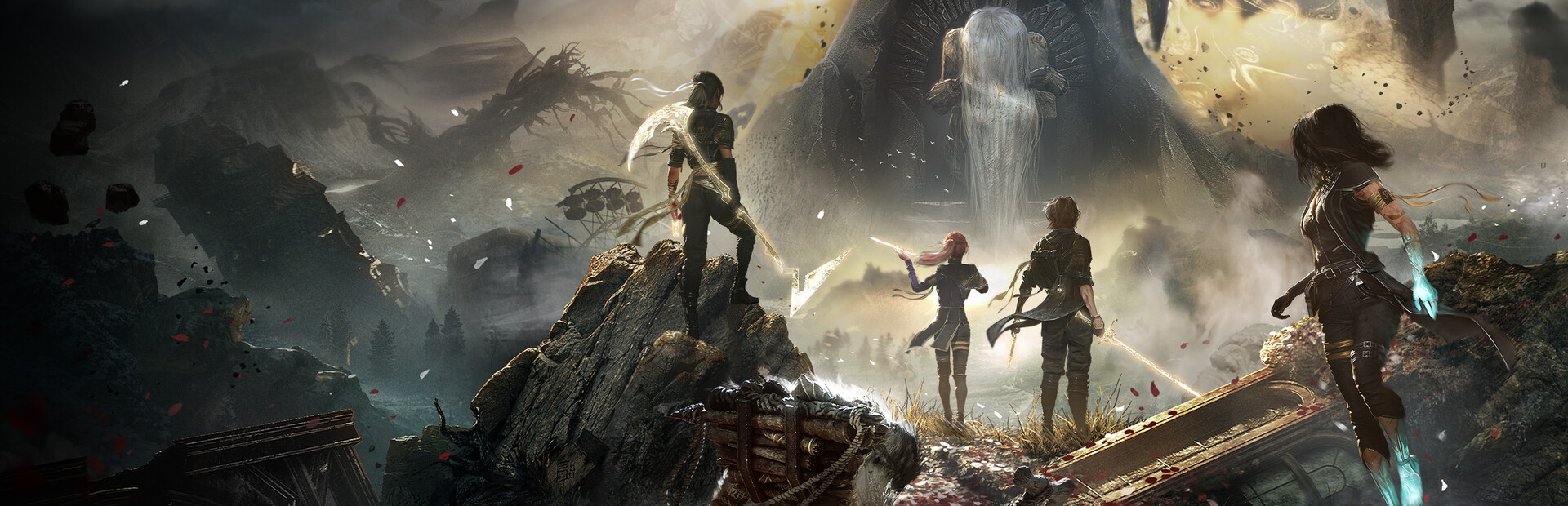
The offensive side has more going on than the marketing suggested. Picto and Lumina loadouts let you rewrite characters wholesale, stacking free aim shots, burn effects, or counterattack builds that punish every enemy swing. A perfect parry run can clear a boss that would otherwise flatten an underleveled party, which means skill substitutes for grinding in a way the genre rarely allows.
The catch is that the reaction layer is not optional at higher difficulties, and players with slower reflexes lose access to the best defensive tools. Some late encounters also lean on gimmick timings rather than tactics. Still, the Steam version runs well on modest hardware, and console players will find it covered in our PS5 strategy roundup.
5. Metaphor: ReFantazio
Atlus took the press turn system that made Shin Megami Tensei famous and gave it a job class layer. Hitting a weakness grants extra actions, missing one burns them, and boss fights become a scouting problem where the first two rounds exist to find the exploit.

Archetypes inherit skills across classes, so a healer can carry a warrior’s counterattack and a mage can pick up party-wide buffs. That crossover is where the build depth lives, and the calendar system forces real cost into every side activity you choose. Weaker enemies die in a real-time overworld swing, which keeps trash encounters from eating the clock. The synthesis skills, which fire only when two specific archetypes act together, are the closest the game gets to the combo puzzles at the top of this list.
It sits fifth because the difficulty curve softens badly once the inheritance system opens. The last third rarely threatens a prepared party, and the social calendar will annoy anyone who came only for the combat. As a bridge between classic Japanese role-playing and Western tactics, though, it has no real competition, and it anchors much of our tactical role-playing coverage.
Honorable Mentions
Several games came close enough to argue about. Tactics Ogre: Reborn has sharper grid combat than anything in the top five, but its card-based buff system and story branches place it closer to pure tactics than party role-playing. Wasteland 3 delivers excellent cover shooting and the best written companions of the bunch, held back by a shallow late game. Persona 5 Royal remains the style benchmark and the smoothest entry point, though its combat resolves early.
On the classic side, Dragon Quest XI S is the finest traditional take of the last decade and Shin Megami Tensei V: Vengeance is meaner than anything Atlus has shipped in years. Sea of Stars earns a mention for making timed hits feel worthwhile on a small budget. Handheld players should also check our Switch tactics list, and Xbox owners can find the console picks in our XCOM-style Xbox ranking.
Which Turn-Based RPG Should You Install First
If you have never finished one of these and want the version of the genre everybody is talking about, start with Clair Obscur. It is the shortest, the most forgiving of a first run, and its reaction layer keeps you awake through the learning curve.
If you already own a dice-heavy RPG and want the deepest fights available, take Baldur’s Gate 3 and set it to tactician from the start. If you want the same depth for the price of a lunch, Divinity: Original Sin 2 is the answer, and if you want a build system you can break in half, Rogue Trader is waiting. Players who prefer campaign maps to party screens should look at our 2026 turn-based strategy ranking or the wider rankings archive, and anyone chasing the grid-tactics side can compare notes with our strategy RPG picks. Everything else lives at Strategygame.org.
Frequently Asked Questions
What is the best turn based rpg to start with in 2026?
Clair Obscur: Expedition 33 is the friendliest entry point. It runs around 30 hours on a focused route, its parry system keeps enemy turns engaging, and it does not expect you to know tabletop rules. Move to Baldur’s Gate 3 once you want more systems to juggle.
Do the best turn based rpgs run well on Steam Deck?
Most of them do. Divinity: Original Sin 2 and Baldur’s Gate 3 both play well with the community control layouts, though Baldur’s Gate 3 needs settings turned down in act three. Clair Obscur is the smoothest of the group on handheld hardware.
What makes a turn based role playing game different from a tactics game?
Tactics games are built around grid movement and unit placement, with story wrapped around the battles. A turn-based role-playing game puts character progression, party building, and exploration first, and the combat serves that. Games like Tactics Ogre sit right on the border.
Are any of the best turn based rpg games free to play?
None of the five ranked here are free, but they discount aggressively. Divinity: Original Sin 2 regularly drops below ten dollars, and Metaphor: ReFantazio has a free prologue demo on Steam whose save data carries into the full release.
What should I play after finishing Baldur’s Gate 3?
Divinity: Original Sin 2 is the natural next step since it shares Larian’s design language with a harsher edge. If you want something further from tabletop rules, Warhammer 40,000: Rogue Trader offers a wilder build system, and Metaphor: ReFantazio swaps dice for weakness exploitation.
