If you want world building games that work at planetary scale instead of street scale, start with Terraformers. It is the one that actually makes you think about a whole planet as a single system, and it finishes a campaign in an evening.
The distinction matters more than the search results suggest. A city builder asks where the road goes. A world builder asks whether there is enough atmosphere for anyone to walk on it. The four games below all sit on the second side of that line, and they get there by four different routes: turn-based colony strategy, first-person survival, a god game with giants, and a sandbox with no goal at all.
1. Terraformers
This is the pick if you want planetary scale with actual strategy attached. You land on Mars, place cities, and spend the rest of the run choosing which terraforming projects to fund against a leader who dies and gets replaced. Oxygen, heat and pressure are three separate tracks, and pushing one without the others wastes decades of game time.
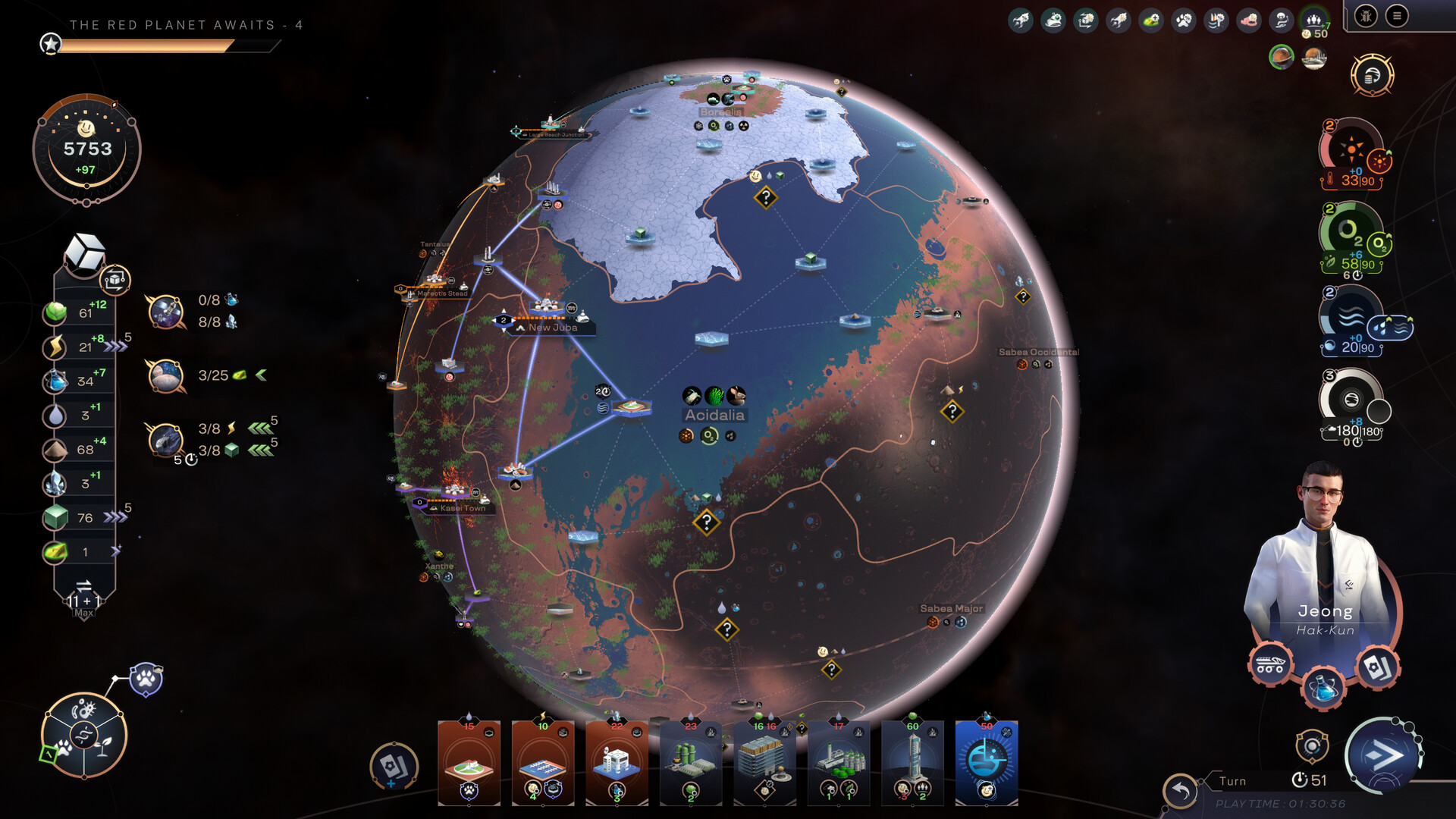
Asteroid Lab took it out of early access on March 9, 2023, and added moon cities with the 1.0 build. The weakness is the roguelike layer. Projects arrive as a random draw, so a run can hand you three water schemes and no heat, and there is not much you can do except lose gracefully. It is also on Xbox, which is rare for this corner of the genre. Check the Steam page for the current edition before you buy on console.
2. The Planet Crafter
Play this one if you want to stand on the planet you are changing. It is a first-person survival game where the win condition is a breathable atmosphere, and the terraforming index in the corner of the screen goes up while you sleep. Watching the sky turn from orange to blue over forty hours is the entire appeal, and it lands.

It left early access in April 2024 and got a 2.0 update in April 2026 that added a new biome, more portal locations and a third-person camera. Miju Games has also confirmed a free Moon expansion and a paid one later this year, which you can track through the 2.0 announcement post. The catch is that the strategy is thin. Once you know the build order there is no opponent, no failure state and no reason to plan, which makes it the least strategic entry here.
3. Reus 2
Take this one if you want a god game that is really a puzzle. You control giants who drop forests, oceans and mountains onto a strip of planet, then arrange plants and animals so their adjacency bonuses multiply. Humans settle whatever you make and eventually go to war over it, which is not something you control directly.
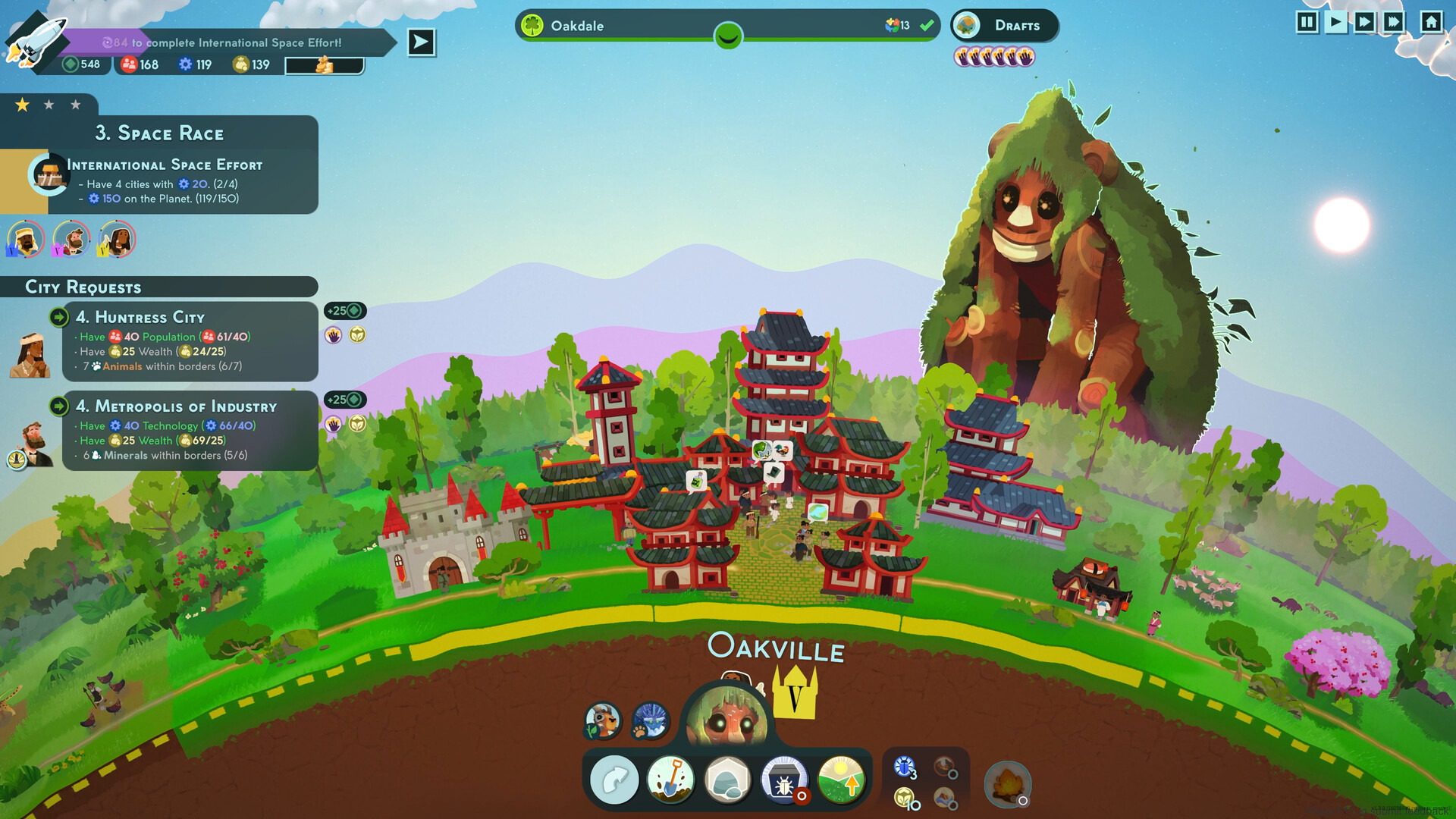
It arrived in May 2024 and picked up an Ice Age expansion on January 22, 2026 for around eight dollars. The honest criticism is that the tutorial is not enough. Reus 2 hides a genuinely deep combination system behind an interface that explains almost none of it, and the first three hours feel like guessing. Push through and it becomes the smartest game on this list. The store page undersells how much of it is optimization.
4. WorldBox
This is the one to grab if you want no objective whatsoever. WorldBox hands you a pixel world, a set of races and a toolbar that includes both rain and meteors, then lets civilizations rise and collapse while you interfere. It is the purest of the world builder games in the sense that nobody is scoring you.
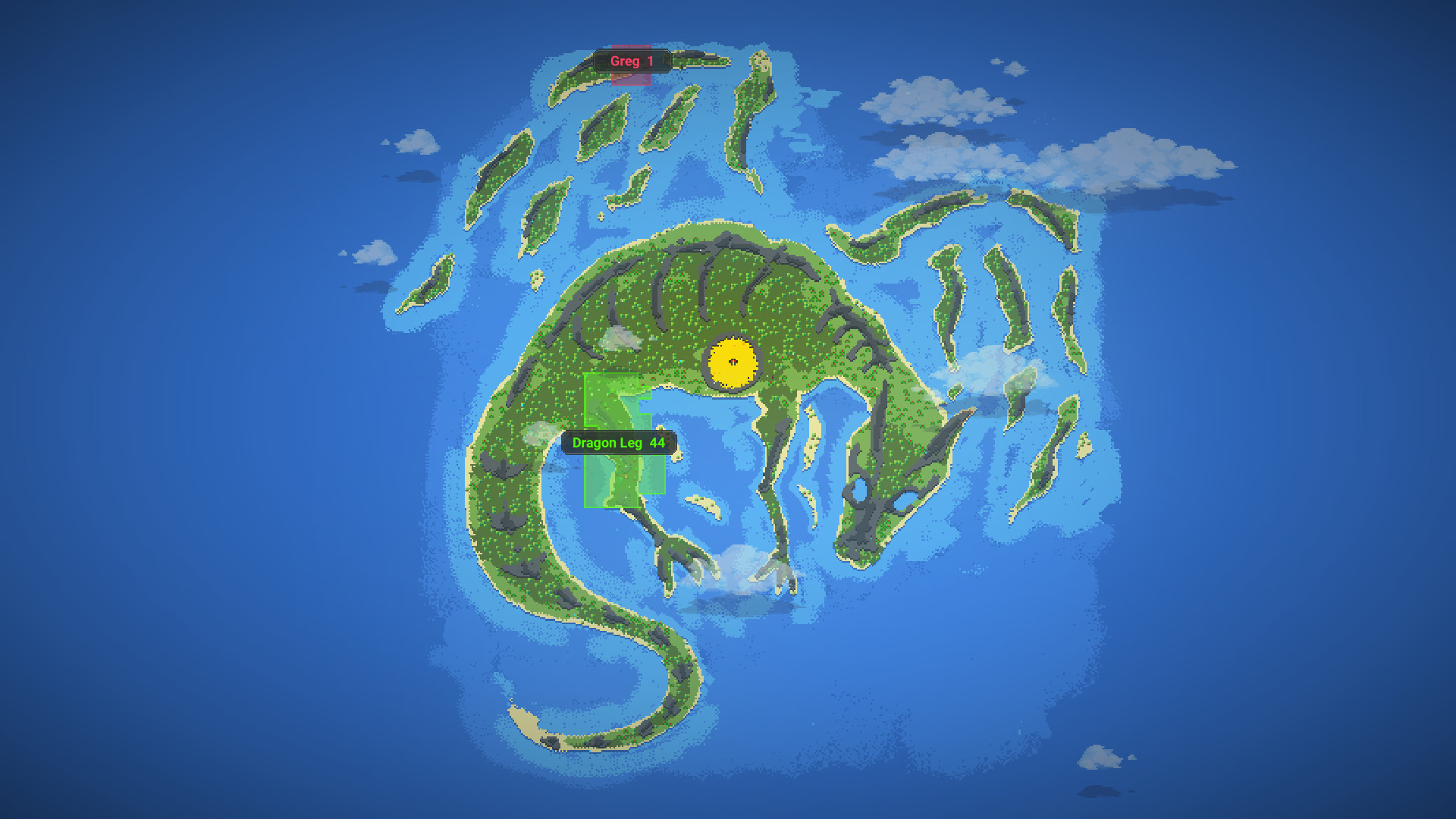
It is also the cheapest way in, and it runs on a phone as well as a desktop. The problem is pace of development. Updates land rarely enough that the community treats delays as a running joke, and the June 2026 dev post on meta control and ChessBox was the first substantial news in a long stretch. Buy it for what is in the box today, not the roadmap.
What the Extra Scope Costs You
Scope buys you scale and costs you resolution. None of these games will let you place an individual house the way a city builder does, because the unit you are pushing around is a biome or an atmosphere. If that trade sounds bad, you want a builder, not a world game. A search for world building games PC will mostly hand you city builders anyway, which is the wrong shelf for what these four do.
The second thing to expect is a softer failure state. Only Terraformers can really beat you. The other three are systems to poke rather than problems to solve, which is why they sit closer to the simulation side of the family than to strategy proper. If you want the empire-scale version of this itch with an opponent attached, 4X strategy is the genre to look at, and space strategy games cover the same planets with fleets on top.
Which One to Buy First
Sort them by the time you have rather than by the screenshots. Terraformers is an evening. The Planet Crafter is forty hours and expects you to keep showing up. Reus 2 is the one you will still be learning in week two. WorldBox is the one you open for ten minutes while waiting for something else to install.
If none of that lands, the honest answer is that this subgenre is small and you may be after management depth instead of scale, in which case the economic simulation shelf is the better place to spend the money. More lists like this one live in our rankings, and everything else is at Strategygame.org.
Frequently Asked Questions
What is the best world building game?
Terraformers, if you want strategy with your planet. It is the only one of these where you can genuinely lose, and a full Mars run fits into an evening. The Planet Crafter is the better pick if you would rather walk around the world you are changing than manage it from above.
Are world building games the same as city builders?
No. A city builder gives you streets and zoning at human scale. A world builder gives you biomes, atmospheres and continents, and usually takes away the fine control. Games like Reus 2 do not let you place a single building at all.
Are any of these free?
None of the four are free, though WorldBox is the cheapest and also runs on phones. The Planet Crafter is on Xbox Game Pass, which is the closest thing to a free route into the genre if you already subscribe.
Which world builder games work on a laptop?
WorldBox and Reus 2 both run on almost anything, since neither is rendering a 3D planet. Terraformers is also light. The Planet Crafter is the demanding one because it is a full first-person world.
What should I play if I liked Black and White?
Reus 2 is the closest in spirit, since you shape the land and the people react without taking orders. WorldBox scratches the same itch in a much looser way, with no objectives and a lot more meteors.
