The short version of any Whiteout Survival guide is this: your Furnace level gates almost everything, so upgrade it first and treat every other building as a prerequisite for the next Furnace tier. Join an active alliance on day one, funnel hero shards into three or four heroes instead of spreading them, and save your speedups for scoring events rather than spending them the moment you get them.
Updated September 2026. Checked against the live build after Century Games shipped the Fire Crystal Age expansion and the July 6, 2026 update that added the Winter Siege alliance mode. Whiteout Survival changes monthly, so anything below tied to a specific event or hero generation is dated on purpose. Patch notes land first on the official Century Games site.
Most Whiteout Survival tips floating around the internet are either three patches stale or copied from an account that spends more per month than you spend on groceries. Treat what follows as a Whiteout Survival beginner guide for your first few weeks and as a checklist after that, because the priorities barely change between Furnace 10 and Furnace 30. What changes is how expensive each mistake gets.
Furnace First, Everything Else Second
If you only remember one rule, make it this one. The Furnace caps your other buildings, your troop tiers, and most of the systems you actually want, so any resource spent on something the Furnace does not require is a resource spent late. Chief Gear, for example, does not open until Furnace 22, and the extra formation slots the 2026 updates added arrive at Furnace 26 and Furnace 30.
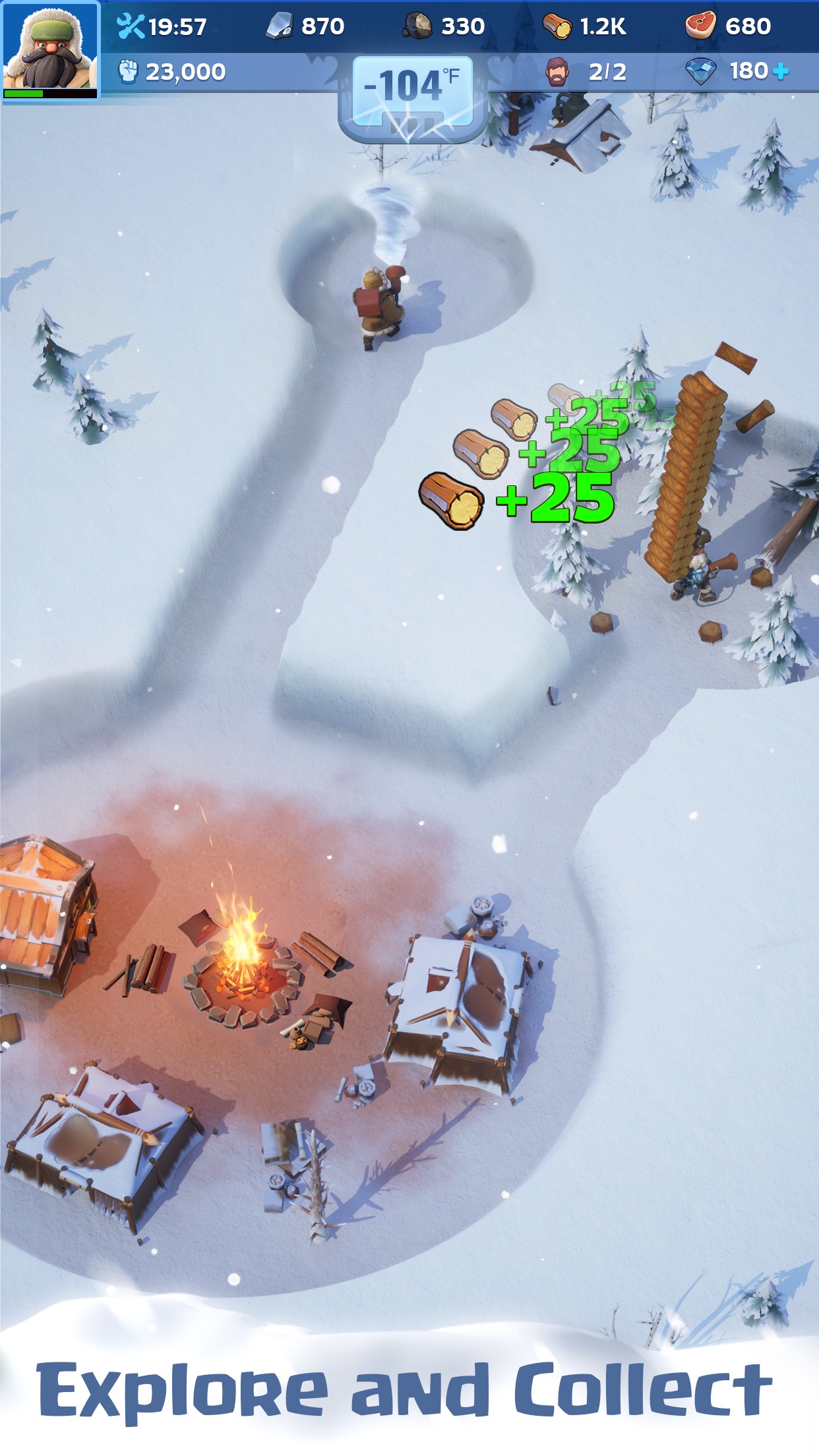
The practical loop looks like this. Check what the next Furnace upgrade needs, raise only those prerequisite buildings to the minimum level, then bank the rest. Keep one construction queue busy at all times, since idle build time is the only resource in this game you can never buy back. Meat and wood run out constantly in the early game, so keep gatherers on the map and take every free resource crate the events hand you.
Once your Furnace reaches Fire Crystal Level 1, the city enters the Fire Crystal Age, the old Mailbox becomes the Wish Station, and a new set of Chief Orders such as Crunch Time and Advanced Training replaces some of the early ones. It is a real shift in pacing, and it is where most quitters quit, because upgrade costs stop being casual. Players who want that scale without the timers usually end up on the real-time 4X hybrids on PC instead.
Join a Real Alliance on Day One
An active alliance is worth more than any purchase in the store, and you should leave a dead one the same day you notice it is dead. Alliance help cuts construction and research timers by a meaningful chunk every time teammates click it, which compounds across hundreds of upgrades. A quiet alliance means every timer runs at full length.
Judge candidates by three things: how fast help requests get answered, whether they rally the Bear Trap on schedule, and whether leadership posts event plans at all. Ask before you join. Anyone running a serious alliance will answer in minutes, and the ones who do not answer are telling you something. This is the same social math that decides whether a war-planning alliance actually wins wars in any of these games.
Which Heroes Deserve Your Shards
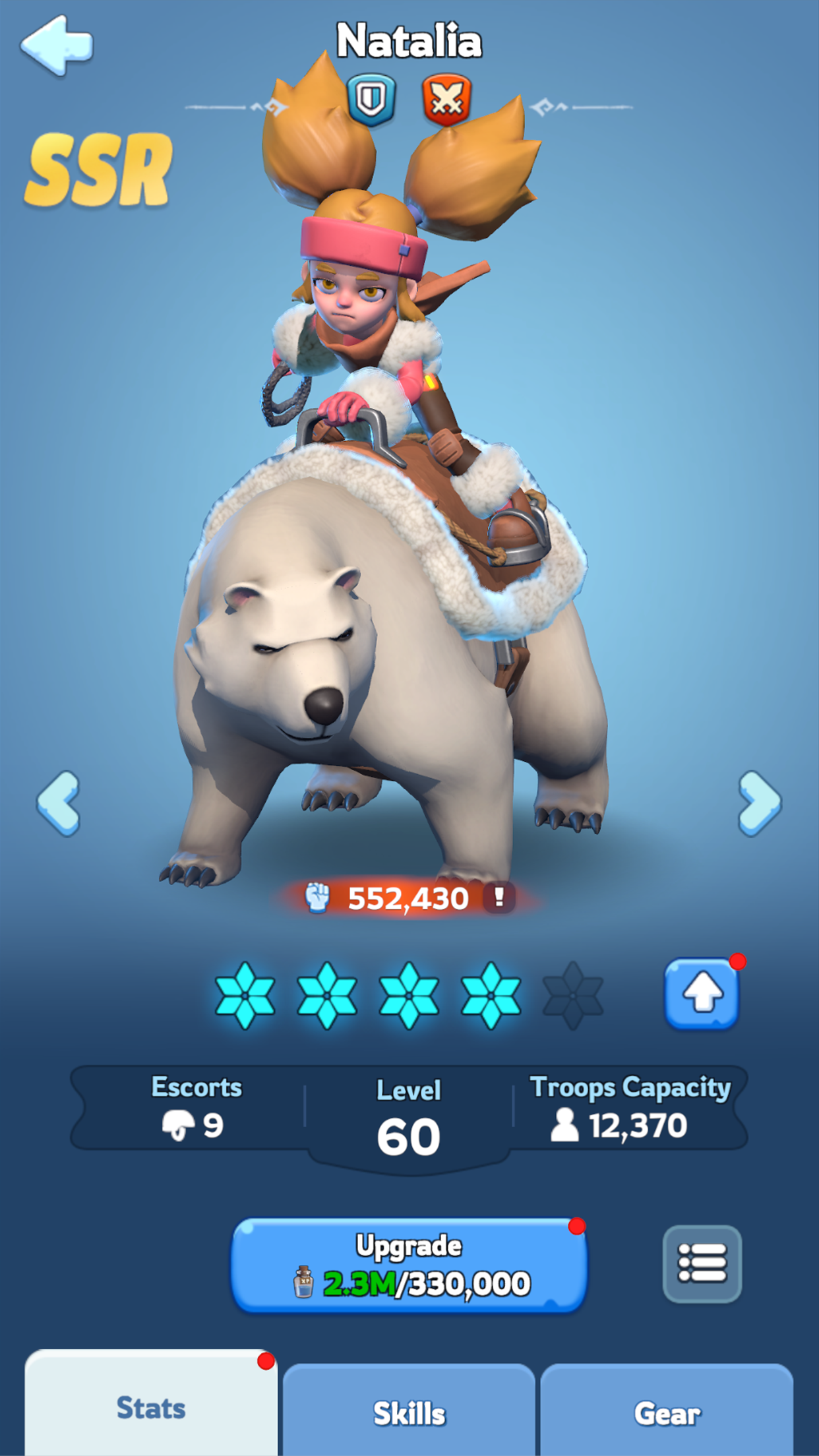
Pick three or four heroes and commit. Spreading shards across a wide bench is the most common way new chiefs stall out, because hero power in this game scales off concentration rather than roster size. Molly, Sergey, and Bahiti carry most players through the early stretch, and Gina is the F2P favorite for beast hunting because she keeps stamina costs down.
The generation ladder matters more than any single hero. Century Games has been shipping a new generation every few months, and the Generation 9 group of Magnus, Xura, and Fred landed in 2026 as an infantry tank, a marksman, and a lancer debuffer respectively. Newer generations outclass older ones at equal investment, so the honest F2P plan is to skip most generations entirely and save recruitment currency for the one you can actually build.
Expedition heroes are a separate track and easy to neglect. Agnes is the clearest example, since her Project Management skill now adds research speed after the July update, which is a passive gain you get whether or not you ever field her in combat.
Chief Gear, Charms, and Where Materials Should Go
Push Chief Gear evenly rather than perfecting one piece, because the set bonuses are what move your numbers. Chief Gear arrives at Furnace 22 and quickly becomes the largest single source of troop stat gains available to a mid-game account, which is why hoarding upgrade materials for a rainy day is a mistake here.
Match your investment to the troop type you actually field. If your marches lean infantry, gear and charms that buff infantry defense return more than a balanced spread that helps nothing in particular. New players routinely dump materials into whichever piece the interface shows first, then wonder why their rally results did not move. If you want the wider version of this argument about specialization, our breakdown of failed raids makes the same case in a different game. Charms follow the rule too, so level the ones attached to gear you already field and leave the rest alone until materials are genuinely spare.
The Events That Actually Pay
Bear Trap is the one to never miss. It runs roughly every 47 to 48 hours as an alliance damage race, the rewards are personal and scale with the total damage you deal rather than your placement, and showing up with the wrong formation still beats not showing up. Bring your highest-damage lineup, join the rally rather than soloing, and let the alliance leadership stagger rallies so nobody wastes troops.
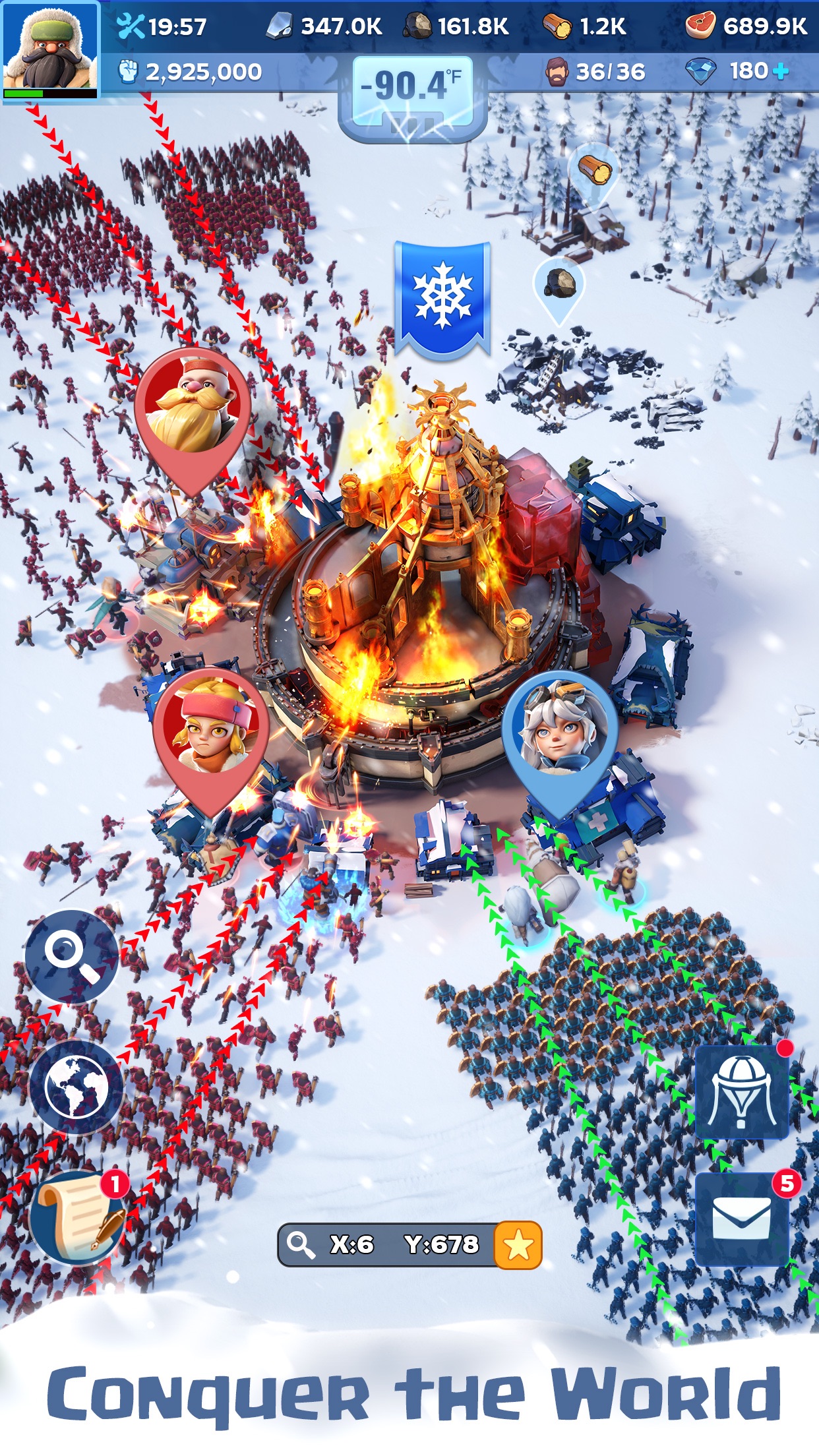
State versus State is the calendar that governs your spending. The cycle gives you a five-day preparation stretch with a different scoring category each day, then the Saturday castle battle. The trap is obvious once you have been burned: spending speedups on a Tuesday for nothing when the same speedups on prep day would have scored points. Bank first, spend on the scoring day.
Winter Siege is the newest addition, introduced in the July 6, 2026 update, and it is built around alliance stronghold fights where you deploy a garrison squad and attack enemy strongholds for alliance rewards. Endless Trials arrived alongside the Fire Crystal Age and works differently again, capping you at 30 solo attacks per day against the barbarian Wulfgar and ranking players by their single highest damage hit. If large-scale map warfare is the part you enjoy, the MMORTS games built around one shared map are the neighboring genre worth knowing.
Pets, Treks, and the Systems People Ignore
Set pet skills on cooldown rotation and never let them idle. Pet skill cooldowns came down from 24 hours to 20 in the 2026 updates, which sounds minor and turns into an extra activation most weeks. Treat the pet system as a daily chore with real output rather than a side attraction.
Idle Trek and the Fishing Tournament are the other two most players underuse. Trek progress is now visible in a status popup before you enter exploration stages, so there is no excuse for leaving it parked. Fishing became far less tedious once the game added a 10x fishing option after the Seaweed Guide, which turns a fiddly minigame into something you can clear during a coffee break. The pattern across these small systems is consistent: anything with a daily cap quietly out-earns whatever you can grind in one long sitting.
Exploration stages stall for everyone eventually. When they do, the fix is usually formation rather than power, and swapping a healer in or moving your tank to the front row clears stages your raw stats say you should lose. Players coming from mobile city builders often expect this to be a pure numbers check and it is not.
Spending Without Regret
If you spend at all, buy the cheapest recurring value packs before anything flashy. The daily and monthly value items return more per dollar than the large bundles that appear during events, and the calculus does not change no matter how good the event art looks. Whiteout Survival is free on the App Store and Google Play, and it is entirely playable without paying, but the game is designed to make patience the price instead of money.
F2P chiefs should accept one thing early: you will not out-power a whale in your own state, and trying to is how people burn out by month three. What you can do is be the account nobody wants to attack, which means troop tiers over troop count, gear over cosmetics, and an alliance that answers rally calls. That is a different win condition than the leaderboard, and it lasts longer. If the monetization sours you entirely, the Clash of Clans alternatives include base builders with gentler economies.
Also accept the always-online part. There is no offline mode, and a bad connection during a castle battle costs real progress, so if you want strategy you can play on a plane, the offline mobile picks are a separate shelf entirely.
What to Do With Your Next Seven Days
If your Furnace is under 20, ignore almost everything above except the alliance advice and push the Furnace. If you are between 22 and 30, your priority is Chief Gear parity with your main troop type and hitting every Bear Trap. Past Fire Crystal, the game becomes a scheduling problem, and your job is banking speedups for prep days and picking one hero generation to build properly.
Whiteout Survival sits in the same design family as the base builders and the map-wide empire games. Nation-scale builders are the natural step up on PC when one city stops being enough.
Strategygame.org covers the rest of this genre. The single-game work sits in our guides section. Empire-scale material lives under 4X. The ranked lists sit in rankings.
Frequently Asked Questions
What should I upgrade first in Whiteout Survival?
The Furnace, every time. It caps your other buildings, troop tiers, and most systems, so raise prerequisite buildings only to the level the next Furnace upgrade demands and put everything else into the Furnace itself.
Is Whiteout Survival free to play?
Yes, it is free on iOS and Android with optional purchases. You can compete without spending, but the ceiling is real: F2P accounts win by being efficient and hard to attack, not by matching a whale’s power in the same state.
Which heroes should a beginner build?
Concentrate on three or four rather than spreading shards. Molly, Sergey, and Bahiti cover most early needs, and Gina is the standard F2P pick for beast hunting. Newer hero generations outclass older ones at equal investment, so save recruitment currency for a generation you can actually finish.
How often does the Bear Trap event run?
Roughly every 47 to 48 hours. Everyone in the alliance hits the same bear for 30 minutes, and rewards are personal, scaling with the total damage you deal across that window.
Can you play Whiteout Survival offline?
No. It is an always-online game, and losing connection during a State versus State castle battle can cost you real progress. If you want strategy that runs without a signal, look at dedicated offline mobile games instead.
