
The best strategy puzzle games give you every piece of information you need and still make you feel stupid for twenty minutes. No hidden rolls, no fog of war, no bad luck to blame. The answer is sitting there on the board, and the only thing between you and it is that you have not thought hard enough yet.
That is a very different pleasure from winning a battle in a big strategy game, and the storefront category is polluted with match-three titles wearing a tactics costume. These four are the real thing.
What Actually Counts as a Strategy Puzzle Game
People type puzzle strategy games, strategy puzzle games, and logic strategy games into search bars and mean roughly the same thing, but stores treat all three as a dumping ground. Search any of them and you get gem-swappers with a leaderboard.
The line that matters is whether you are being asked to find the solution or to execute one. A puzzle has a correct answer. A strategy game has tradeoffs. Games that sit in the overlap give you a solvable board where the solution requires you to give something up, and that combination is rarer than the category size suggests.
There is a second filter worth applying, which is whether the game trusts you to be stuck. Mobile puzzle design has spent a decade engineering the stuck feeling into a purchase, offering a hint or an extra move at the exact moment frustration peaks. The games here let you sit in it, and that is why the payoff lands.
Everything below respects your time and your intelligence. None of them have energy timers, and none of them sell you the answer.
1. Into the Breach
The purest example of the form. Subset Games shipped it in 2018, and it earned a 93 from PC Gamer alongside 90s from GameSpot and IGN by doing one radical thing: it tells you exactly what every enemy will do on its next turn.
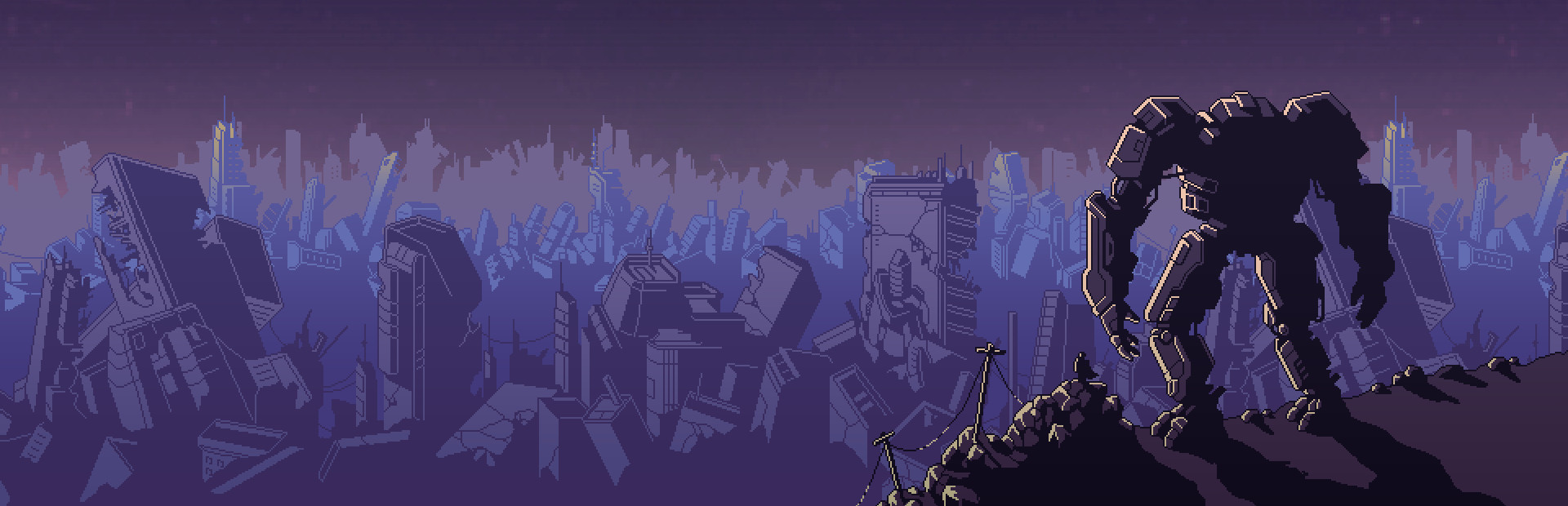
There is no luck to hide behind. Every turn on that eight-by-eight grid is a small closed problem, and losing means you missed the answer rather than rolled badly. Shoving a bug into another bug’s attack line is the whole game, and it never stops feeling clever.
The tradeoff layer is what pushes it past pure puzzle. You are protecting buildings, not killing everything, so you constantly choose which loss hurts least. The free Advanced Edition update added squads, pilots, and weapons that keep the math fresh long after you have seen the base content.
Fair criticism: runs are short and the difficulty curve flattens once you find two or three squads you trust. Its run-based structure puts it close to the turn-based roguelike shelf, and it is arguably the best game on either list.
2. Baba Is You
The rules of the level are physical blocks sitting on the level, and you can push them around. Arvi Teikari released it in 2019 and it sits at 97 percent positive across more than 12,000 Steam reviews, which is close to the ceiling for any game.

Break the sentence that says WALL IS STOP and walls stop stopping you. Build one that says ROCK IS YOU and you are now a rock. The puzzles are not about dexterity or search depth, they are about noticing an assumption you did not know you were making.
What earns it a place on a strategy list rather than a pure puzzle list is that the blocks are a shared resource. There are only so many words on the board, and using IS to make yourself a rock means it is not available to make the flag winnable. You are budgeting, which is a strategic act even without an opponent.
Be warned that the difficulty spike is real and unapologetic. Somewhere around the third world it stops holding your hand entirely, and a single level can eat an evening. That is either the appeal or the reason you refund it.
3. Opus Magnum
Zachtronics built a career on this shape and Opus Magnum from 2017 is the most approachable version of it. You design alchemical machines that assemble compounds, and it sits at 97 percent positive on Steam.

The genius is that there is no single correct answer. Once your machine works, the game shows you a histogram of how every other player scored on cost, cycles, and area, and you immediately want to go back and rebuild it. Optimizing for one of those three always makes the others worse.
That is a genuine strategic tradeoff living inside a puzzle game, which is exactly what this category should be. If you like it, SpaceChem and SHENZHEN I/O go deeper and get considerably less friendly.
The honest downside is that the story is skippable filler between machines, and the late-game puzzles reward patience more than insight. The histogram can also curdle into busywork if you are the sort of person who cannot leave a percentile alone, so decide early whether you are playing to finish or to compete.
4. Mini Metro
The only real-time entry here, and it belongs. Dinosaur Polo Club released it in 2015, and you draw subway lines between stations, then redraw them as the city grows and your elegant plan turns into a knot.

Scarcity does the strategic work. You get a small number of trains, carriages, and tunnels each week and you must choose, which means the game is really about deciding where to accept congestion rather than eliminating it.
The real-time pressure is gentler than it sounds because the failure state creeps rather than pounces. A station backs up, then two, and you get a long warning window to reroute before the game ends. That gives you room to think even while the clock runs.
It is also the most forgiving pick here, which makes it the right first purchase if the others sound exhausting. Sessions run fifteen minutes and it looks lovely doing it. The limitation is depth, since once you understand interchange placement most maps stop surprising you.
Worth Knowing About
Hexcells and its sequels are superb ambient deduction, closer to a refined minesweeper than anything strategic, so treat them as a palate cleanser rather than a ranked pick. Dorfromantik is the relaxing tile-laying option, and Islanders does something similar with city placement scoring.
Tower defense also sits in the overlap of puzzle and strategy games more honestly than most people admit, since a fixed map with fixed waves is a solvable board. Our full tower defense ranking covers the ones that reward planning over reflexes.
Which Strategy Puzzle Game Fits Your Brain?
Want tactical combat with the luck removed? Into the Breach, and it is not close. Want to be genuinely stuck in a good way? Baba Is You. Want to build something and then obsess over making it faster? Opus Magnum. Want something calm you can play with a coffee? Mini Metro.
All four are excellent in handheld form, and they show up throughout our Switch strategy picks. Three of the four run natively on Apple silicon too, which the Mac strategy shortlist goes into.
If Into the Breach leaves you wanting longer campaigns with the same clean tactical math, the XCOM-style tactics list is the next step up, and the turn-based RPG ranking adds characters to it. Strategygame.org files everything by subgenre, so the rankings archive and the turn-based guides are the places to keep browsing.
Frequently Asked Questions
What is the best strategy puzzle game?
Into the Breach, for most people. It removes randomness entirely by showing you every enemy move before you commit, so each turn becomes a solvable problem with a real cost attached. Baba Is You is the better pick if you want pure lateral thinking with no combat at all.
Are any of these free?
None of them are free, but all four go on deep discount regularly and none use energy timers or in-app purchases. Into the Breach has been included with Netflix Games on mobile, and several of these rotate through subscription services, so check what you already pay for before buying.
What is the difference between a puzzle game and a strategy game?
A puzzle has one correct solution you are trying to find. A strategy game gives you tradeoffs with no single right answer. The games on this list sit in the overlap, offering solvable boards where reaching the solution still forces you to give something up.
Which of these works best on a phone or handheld?
Mini Metro is the strongest mobile version because the touch controls suit drawing lines. Into the Breach and Baba Is You both play well on Switch and Steam Deck. Opus Magnum wants a mouse and a larger screen, so it is the one to keep on a desktop.
I want something like Into the Breach. What should I play?
Try Opus Magnum for the same perfect-information satisfaction in a very different form, or look at tactics games like Invisible Inc. and Wargroove that keep grids small and information visible. Tower defense games with fixed waves scratch a similar planning itch.
