Category: Guides
-

Four survival games that actually attack the base you built, from scheduled horde nights in 7 Days to Die to raiders with a sulfur budget in Rust.
-
Valheim just left Early Access and takes the top spot, but the right base builder depends on whether you want to defend a fort, run a colony, or automate a factory.
-
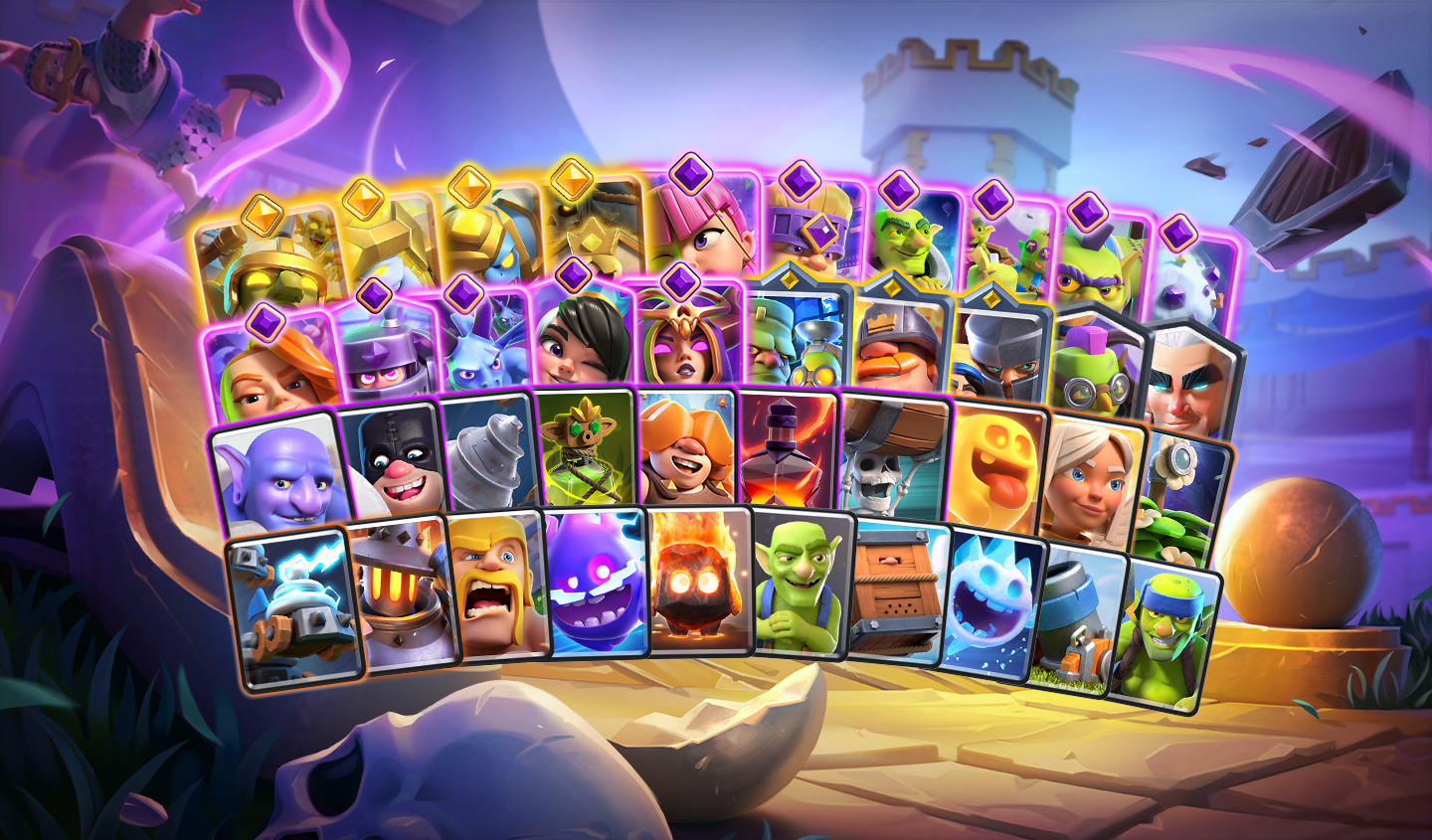
Two decks carry you from Arena 4 to Arena 19, and the card pool closes at Arena 18. Here is what each arena actually adds, checked against the September 8 balance patch.
-
Four 2v2 decks built for the mode’s real constraint, a partner you cannot coordinate with, plus what the September patch changed for splash and Freeze.
-
The five Clash Royale archetypes worth playing in Season 87, with deck lists, swaps, and what the September 8 balance patch did to each one.
-
Four talent build patterns for Rise of Kingdoms, sorted by the job the march actually does. Updated for the February 2026 talent rework and checked against client 1.1.11.28.
-
Gems go to VIP levels and books of covenant, in that order, and nothing else until VIP 10. The free spending order, the farm account setup, and an honest look at the ceiling.
-
Seasons are won in the prep month, not on the map. City Hall gates, honor rates, Pass 4 timing, and the three things that kill troops outright instead of hospitalizing them.
-
One finished pairing beats four half-built commanders. The sculpture math, the slot rules, and the pairings worth building toward in the current Season of Conquest.
-
City Hall first, one commander pairing, and an alliance that actually plays. A first-60-days guide to the Rise of Kingdoms systems that compound, and the ones that waste your month.