
7 Days to Die is the best base building survival game for players who want their walls tested, because the horde arrives on a schedule and it brings the building down if you built it badly. Project Zomboid is the better pick if you prefer a siege you can hear coming for ten minutes, and Rust is the one where the thing breaking your wall has a username.
Most survival base building games fail one simple test. Nothing ever comes for the base. You spend forty hours on a fortress, a wolf bounces off it twice, and the walls were never anything but furniture. The four below all pass, and they pass in different ways, which is the part worth knowing before you commit a hundred hours.
1. 7 Days to Die, the Genre’s Actual Answer
Start here. Every seventh in-game night, a horde spawns and walks straight at you, and the game is openly a tower defense built inside a survival sandbox. Its own Steam page describes it as a combination of first-person shooter, survival horror, tower defense and RPG, which is an unusually honest summary.
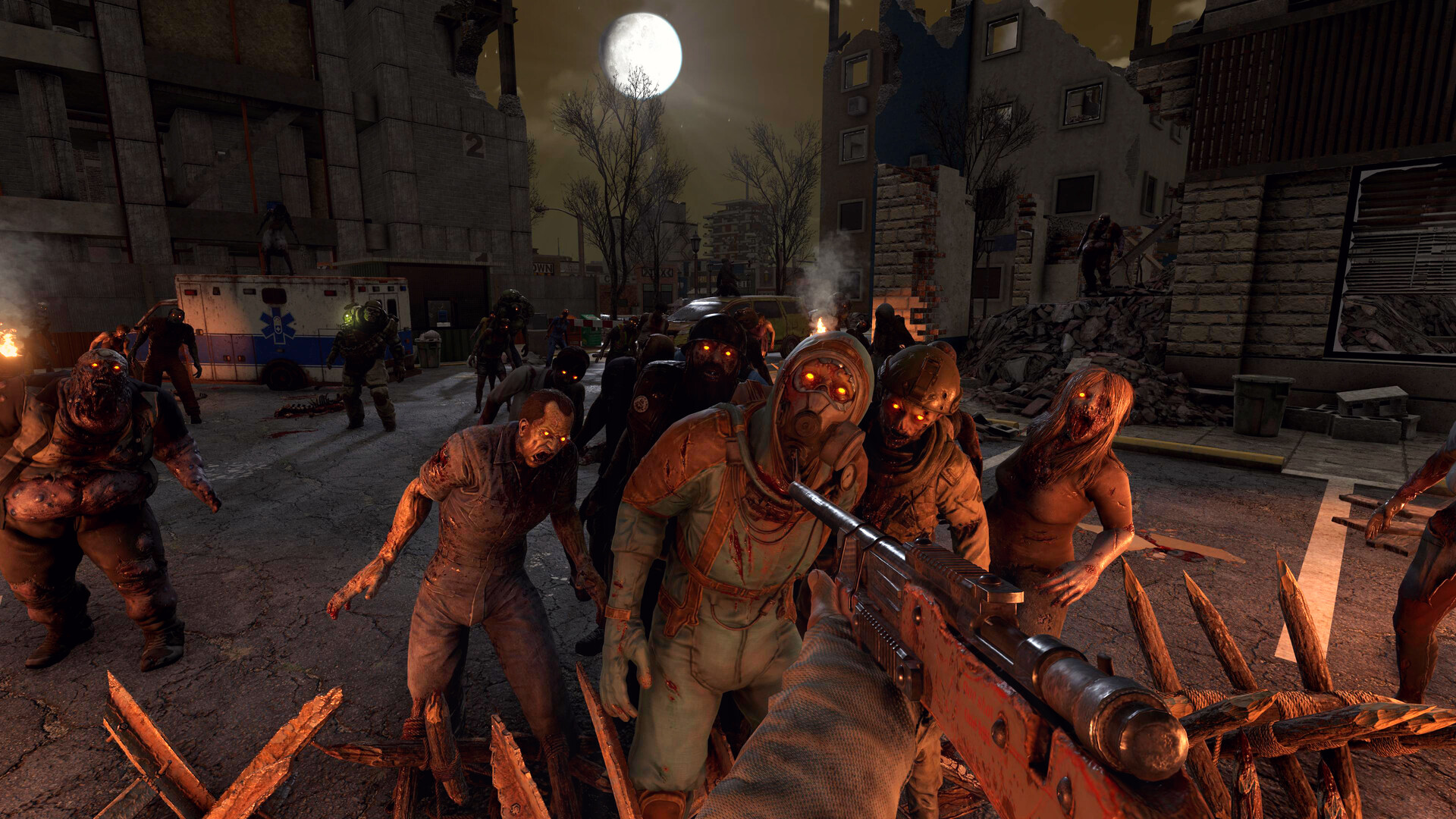
What makes the walls matter is that the world is voxel-based and zombies dig, climb and target supports. A base that looks impregnable collapses when they chew through the pillar holding the second floor. You end up learning load paths and funnel design, which is a strange thing for a zombie game to teach and the main reason it has outlasted every imitator.
The fair criticism is that it spent more than a decade in Early Access and still carries the scars. The current stable build is V3.2.0 as of late August 2026, V3.0 brought PC, Xbox Series X and S and PS5 onto the same version with crossplay in June, and the interface remains rough in the way only a very long-running project can be. Play it anyway, then read our zombie tower defense picks if the horde-night rhythm is the part you liked.
2. Project Zomboid, for the Slow Siege
Project Zomboid is the pick if you want fortification to be a survival decision rather than a construction project. You board windows, hang sheets, kill the lights and hope the horde outside follows a noise somewhere else, because fighting it is almost never the plan.
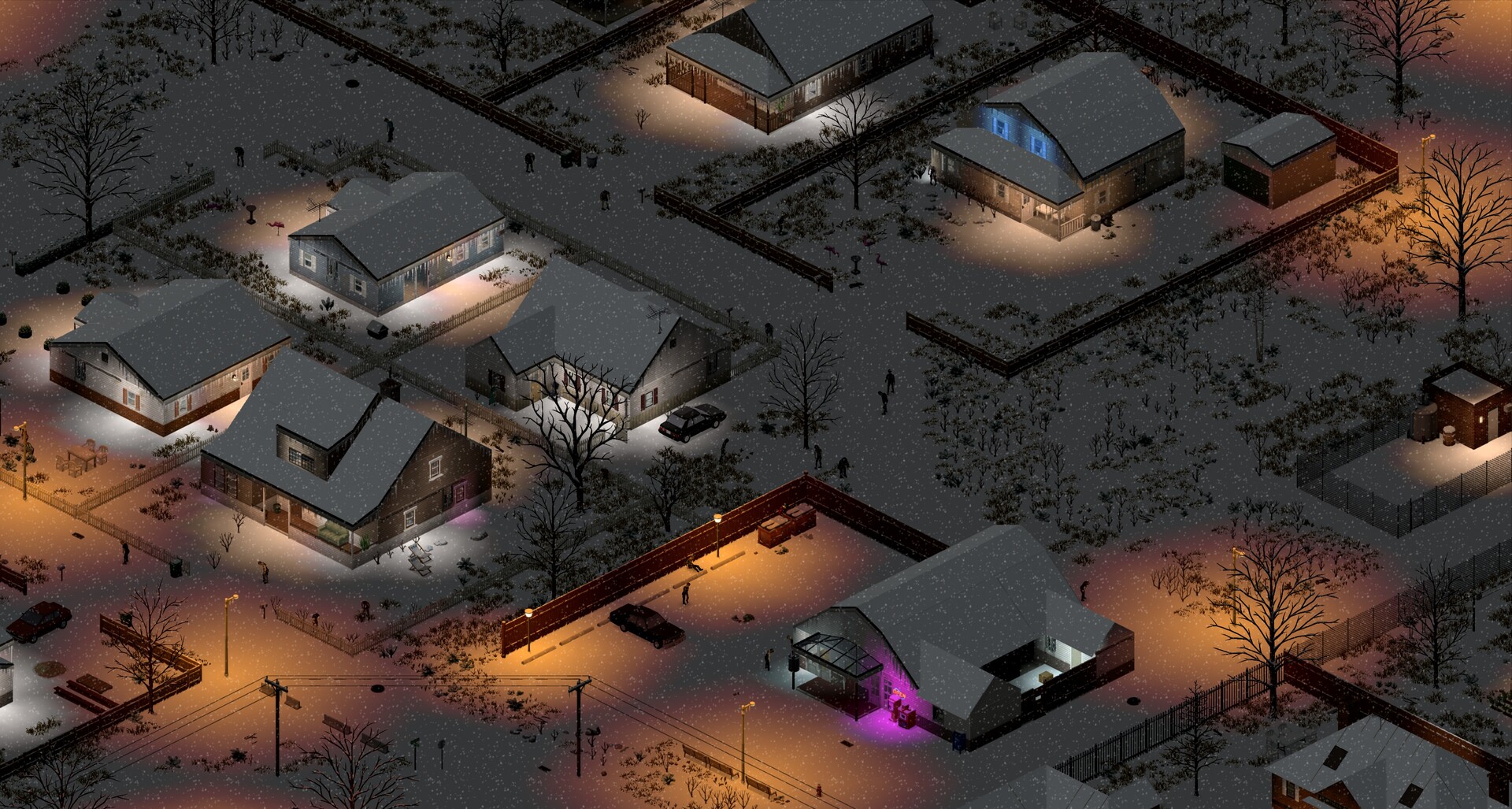
The sight and hearing systems are what elevate it. Zombies swarm toward sound, so a generator, a smashed window or a car alarm reroutes the entire map toward your front door. Your walls are only as good as your noise discipline, which is a more interesting defensive problem than stacking thicker blocks. Build 42 reached stable on July 29, 2026, adding animals, deeper crafting and a reworked map, and the developer post lays out what shipped.
The honest warning is the death clock. The game asks how you will die, not whether, and losing a character at month six costs you everything that character knew. That permanence is the appeal for some people and an immediate refund for others. There is no middle ground, and no difficulty slider that really fixes it.
3. State of Decay 2, for Apocalypse Logistics
Of the apocalypse base building games here, this is the one about running a community rather than a building. You claim a site, staff it, assign beds and infirmaries and watch morale drop when food runs short, and the base is a budget you balance instead of a wall you thicken.
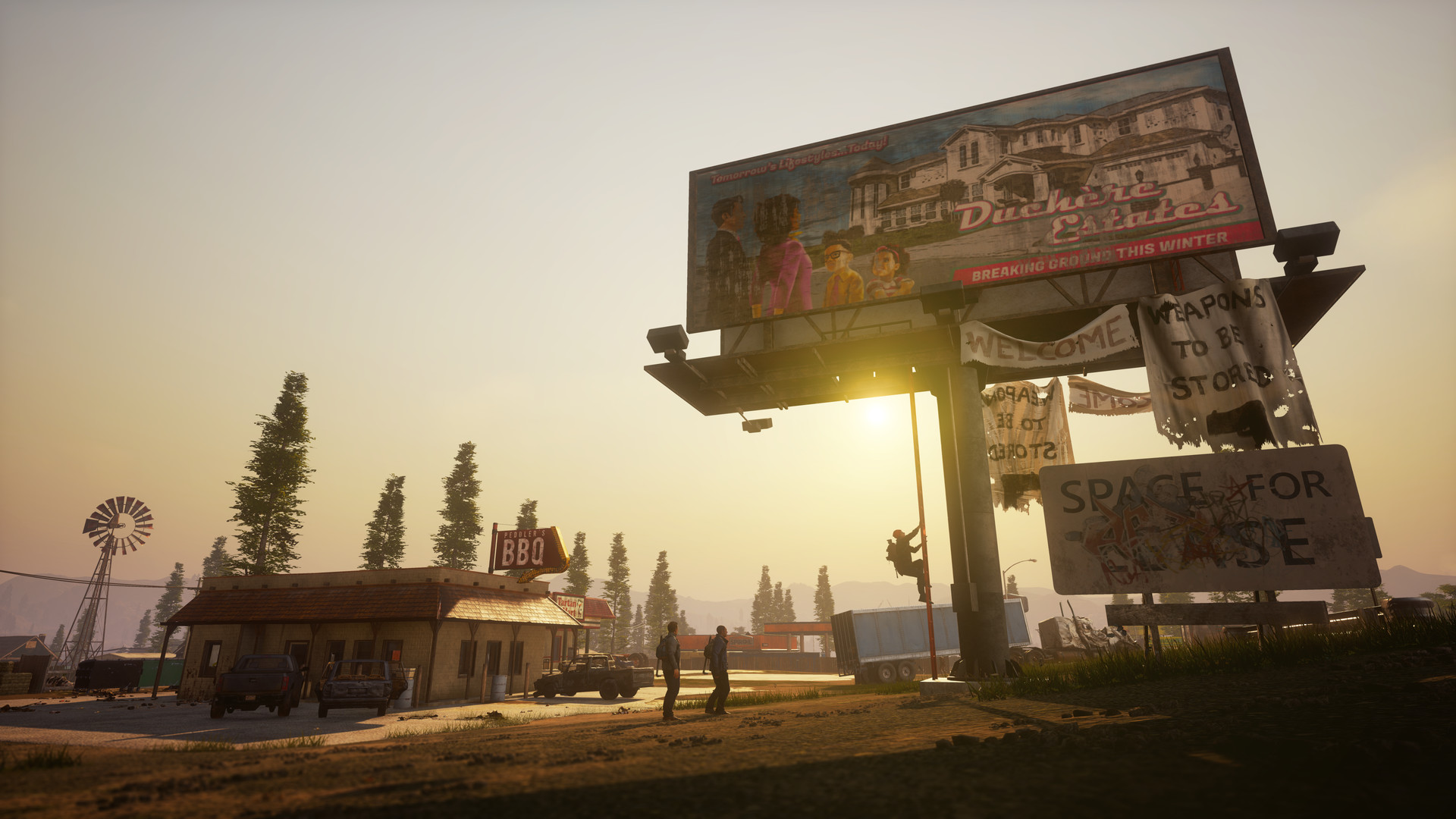
Juggernaut Edition bundles the base game with three add-on packs, and the Daybreak Pack is explicitly siege-style horde defense, so the wall-testing is there if you want it isolated from the management layer. The Heartland campaign is the better content, and Homecoming rebuilt Trumbull Valley as a full open world for the core game.
Its weakness is that the base sites are fixed locations with fixed slots, so you are furnishing a floor plan somebody else drew rather than designing defenses. Anyone coming for freeform construction will find it restrictive within an hour. If the community-management layer is what appeals, the colony sims in our RimWorld roundup go considerably deeper.
4. Rust, When the Threat Is Other People
Rust is the only game here where your base is attacked by somebody who thought about it first. Raiding is a costed, planned operation with explosives and timings, so your walls are being evaluated by an opponent who learns, which no scripted horde does.
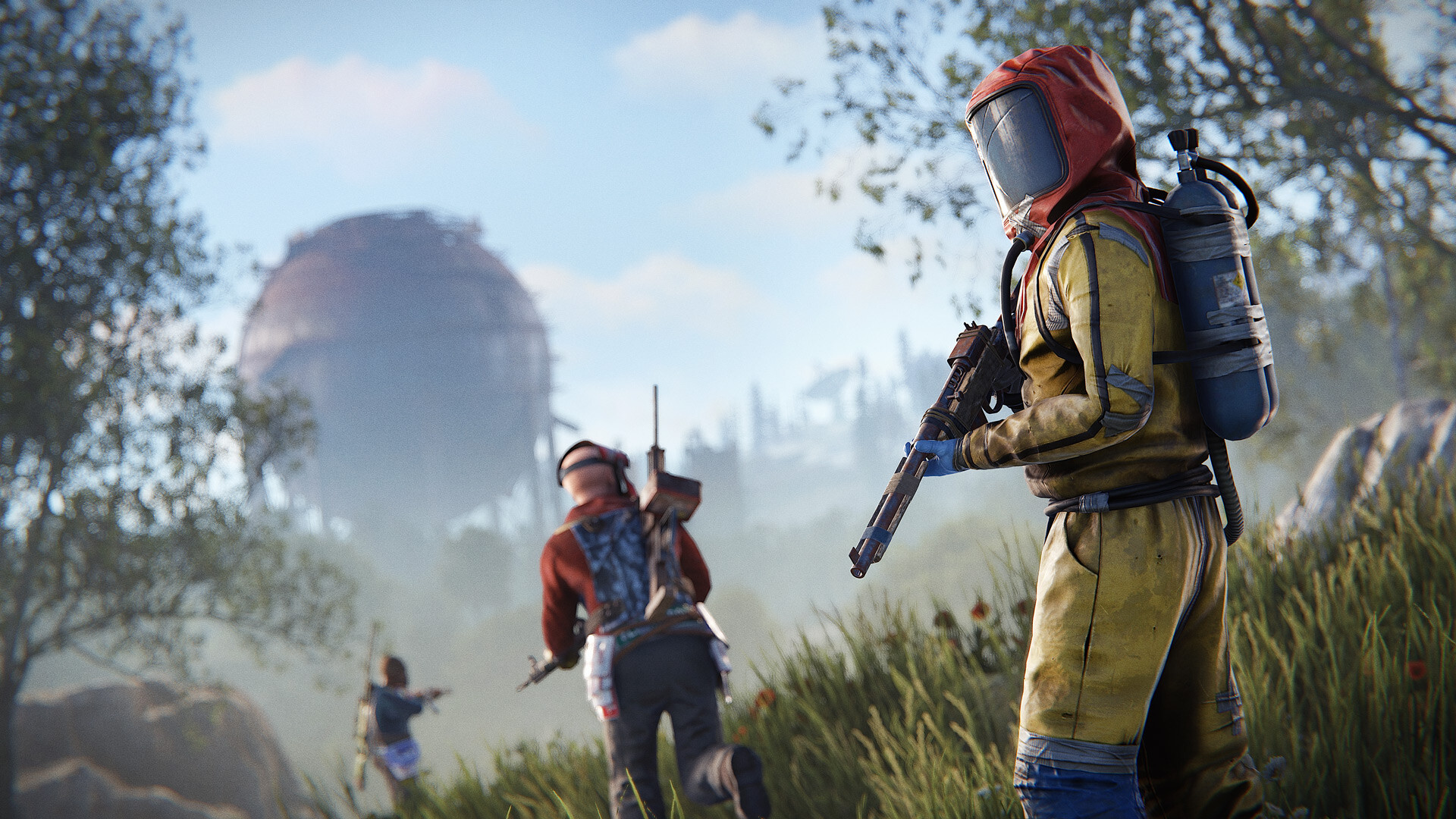
Base design here is a genuine discipline, built around honeycombing, airlocks and loot rooms placed so that breaking in costs more than what is inside. Facepunch is now in its thirteenth year of monthly updates with more than 395 content patches behind it, and the store page commits to another every month. Console players get a separate build on PS5 and Xbox Series X and S, last updated in June 2026.
The criticism is unavoidable and well known. Servers wipe, usually monthly, so everything you built is deleted on a schedule, and the social environment is openly hostile to new players. Play it on a modded PvE or low-population server first, or accept that your first week is tuition.
Which One Fits How You Want to Be Attacked
Base building survival games are easy to rank badly, because the building tools all look much the same in screenshots. Pick by the threat instead. Want a deadline and an engineering puzzle, take 7 Days to Die. Want tension and consequence, take Project Zomboid. Want to manage people through an apocalypse, take State of Decay 2. Want a thinking enemy, take Rust and budget for losing everything.
Worth knowing beyond the four: Sons of the Forest for cannibal raids on a freeform base, V Rising if you want a castle and scheduled PvP, and Valheim if structural integrity appeals more than zombies do. Console buyers should check our PS5 strategy picks before committing, since this genre ports unevenly. And if the siege itself is the appeal rather than the survival wrapper, the colony defense in our swarm survival picks delivers it without the looting and the hunger bars. Everything else we play sits on Strategygame.org and in the full rankings.
Frequently Asked Questions
What is the best base building survival game right now?
7 Days to Die, because the horde night gives your base a scheduled test and the voxel world means a badly built structure genuinely falls down. The current stable build is V3.2.0 as of late August 2026, and PC, PS5 and Xbox Series X and S have been on matching versions with crossplay since June.
What are the best zombie base building games?
7 Days to Die for scheduled horde defense, Project Zomboid for barricading and noise management, and State of Decay 2 for running a survivor community. All three treat the undead as a pressure on your base rather than as scenery, which is what separates them from survival games where building is decoration.
Can you play these on PS5 or Xbox?
Three of the four. 7 Days to Die is on PS5 and Xbox Series X and S with crossplay, State of Decay 2 is on Xbox and PC including Game Pass, and Rust has a separate console build for PS5 and Xbox Series X and S. Project Zomboid is PC only.
Which one is best for co-op with friends?
7 Days to Die is the easiest group game, since a horde night gives four people an obvious shared job. Project Zomboid supports online servers and four-player split-screen, and Rust is effectively built around groups, though it puts you against other groups rather than alongside them.
Do your bases get destroyed permanently in these games?
In Rust, yes, and on a schedule, because most servers wipe monthly and delete everything built on them. The other three keep your base as long as your save survives, though a failed horde night in 7 Days to Die or a character death in Project Zomboid can cost you most of the work anyway.
