
Quick Rundown
Most cooperative game lists pad their picks with titles where “co-op” means a mode bolted on after launch. You play alongside another person, but the game was never designed to require it. True coop strategy games make coordination the actual mechanic. Your decisions don’t just overlap with your teammate’s decisions. They depend on them.
This list covers five games where working together is the point, not an afterthought. Some scale to large groups. Some work best at two. Some are digital. One started on a tabletop. All of them actually require you to coordinate to win.
Foxhole: Coordination at Genuine Scale
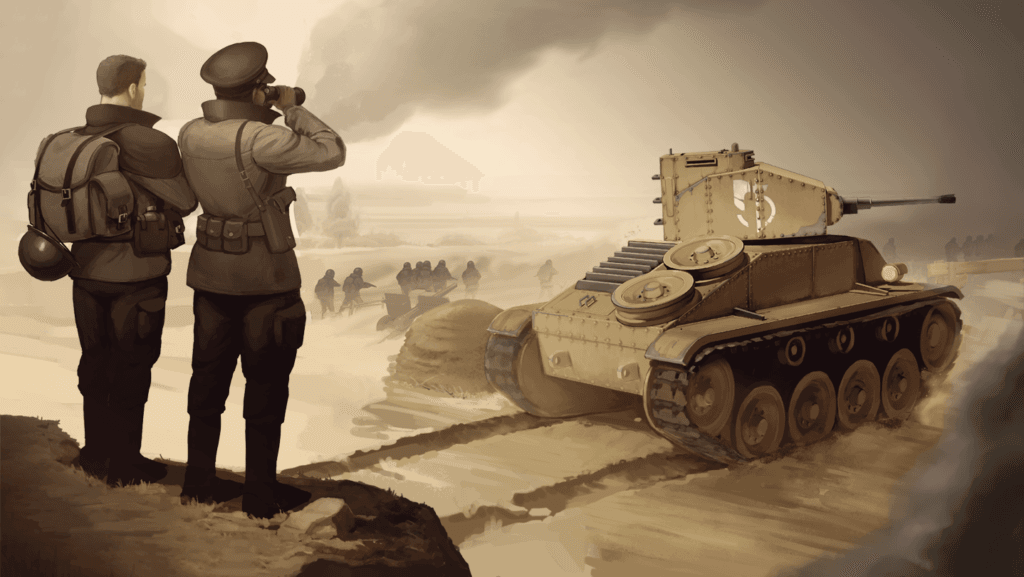
Foxhole operates at a scale most strategy games don’t approach. It’s a persistent massively multiplayer war game where supply chains require a dedicated logistics corps, frontlines need infantry and support in active communication, and nothing functions in isolation. Your squad fills one operational role in a conflict that runs continuously, whether you’re online or not.
The cooperative structure isn’t a mode. It’s the architecture. An unsupplied frontline collapses. A logistics route with no defenders gets cut. Players naturally specialize because the game mechanically demands it. If your group wants the experience of building something functional together under sustained pressure, Foxhole delivers it at a level nothing else on this list matches.
The tradeoff is a steep learning curve. The game is deliberately opaque in places, and it takes real sessions before a new squad contributes productively. Budget time for the learning phase. Some players won’t make it through it, which is worth knowing before you pitch the game to your group.
Frostpunk 2: Shared Decisions Under Pressure
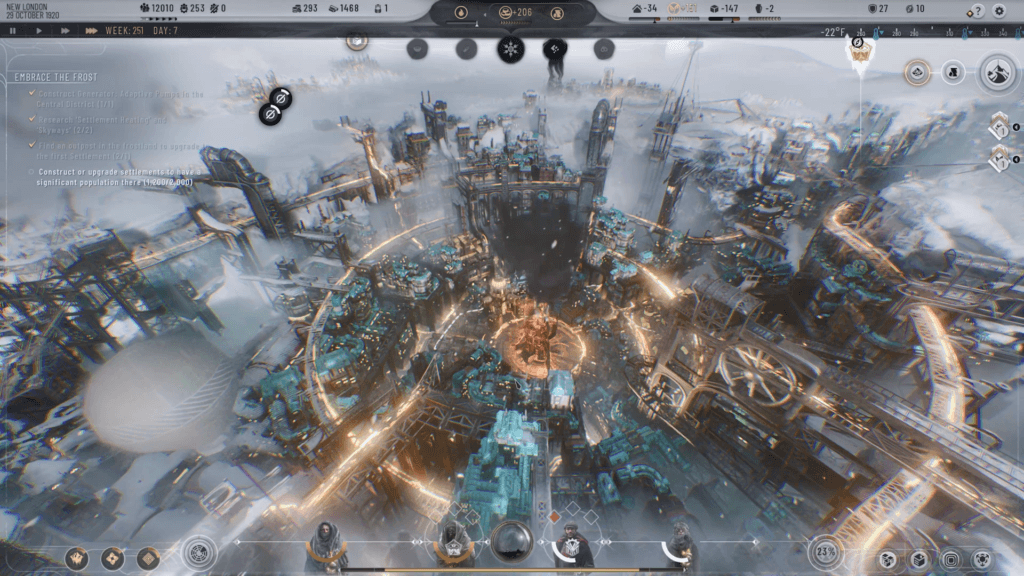
Frostpunk 2 brings co-op to the survival city builder format in a way that changes the decision-making dynamic in interesting ways. Managing heat output, resource allocation, and civic stability is already demanding for one player. Sharing those decisions with a partner adds friction that’s genuinely productive rather than just frustrating.
The game’s central tension is between survival and social order. Two players who disagree on policy priorities will see those disagreements reflected in the city’s stability over time. That kind of emergent conflict through cooperation, where the challenge isn’t just the environment but the coordination itself, is rare in strategy games and makes Frostpunk 2 co-op worth revisiting even if you’ve already completed the solo campaign.
For a look at the mechanics that separate good cooperative design from games that just added a second cursor, the co-op strategy board games breakdown covers the core principles in useful detail.
Phoenix Point: Tactical Co-op with Shared Command
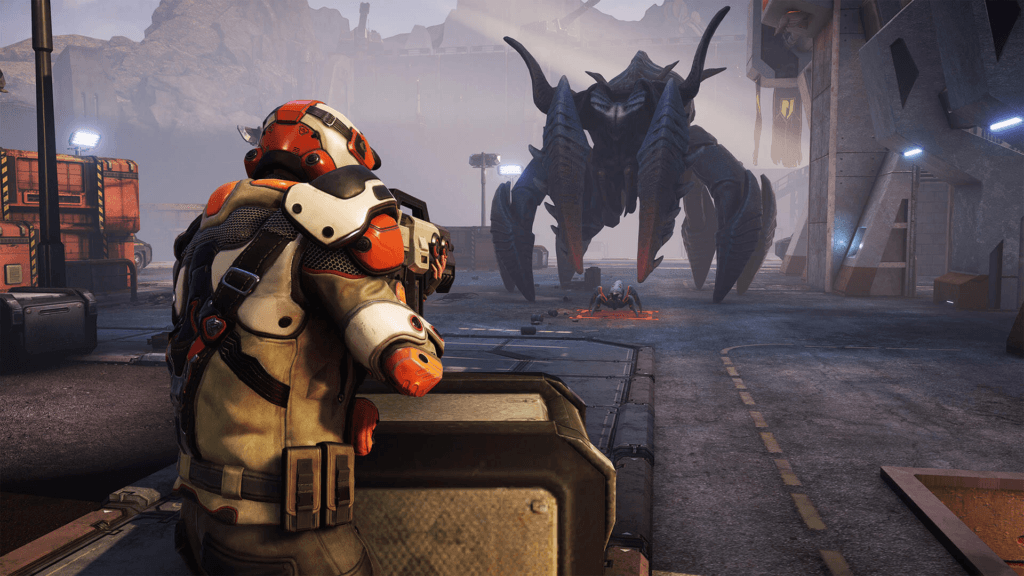
Phoenix Point is a turn-based tactical strategy game built in the tradition of X-COM, centered on squad management, base operations, and an escalating alien threat. Its multiplayer modes let two players share strategic responsibilities, dividing the management load across both base operations and tactical missions.
The game’s faction diplomacy, research tree, and resource management create enough simultaneous complexity that splitting it genuinely helps. One player focuses on base development and research; the other manages field operations. It doesn’t feel like sharing a single-player game. It feels like actual division of labor between two commanders, which is what co-op strategy should accomplish.
Hearts of Iron IV: Co-op Grand Strategy
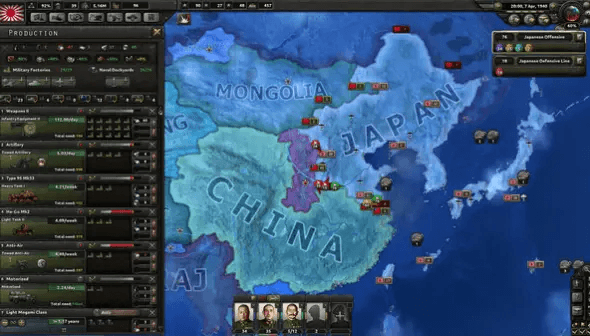
Hearts of Iron IV’s multiplayer lets each player control a separate nation in the same historical campaign. Technically competitive, but groups who commit to playing as genuine allies get something closer to true co-op grand strategy: each person managing their own front, coordinating troop movements, sharing intelligence, and collectively navigating the pressures of a world war.
The scale is substantial. A full multiplayer campaign spans the years leading into and through World War II, with each player responsible for a distinct national economy and military command structure. An Allied group that’s actually coordinating joint offensives, dividing research priorities, and covering each other’s flanks is playing a fundamentally different game than four people who happen to be in the same lobby.
Hearts of Iron IV is consistently cited among the top strategy games worth playing in 2026, and its longevity in multiplayer circles is part of why that reputation holds.
Spirit Island: The Cooperative Strategy Benchmark
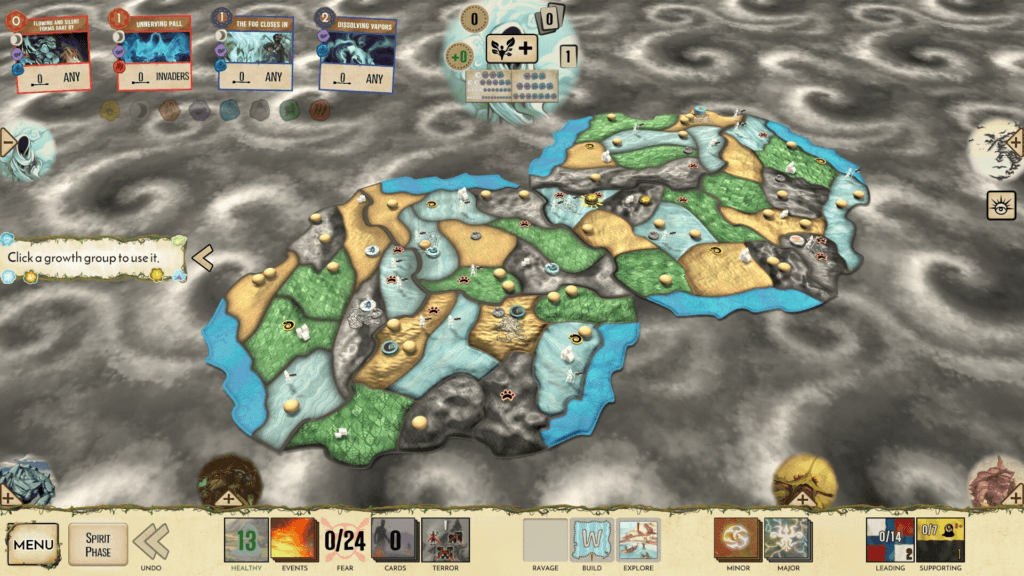
Spirit Island is the clearest example on this list of a game designed from the ground up as a cooperative experience. Players are island spirits, each with distinct powers and mechanics, defending against colonial expansion. The game wins or loses collectively. There’s no traitor mechanic, no hidden agenda, no one player who benefits from another’s failure. You stop the invaders together or you don’t.
The strategic depth is high. Powers must be combined across spirits to handle threats efficiently, and the wide range of spirits and scenario options keeps the game interesting well past the point where most cooperative games run out of ideas. The digital version makes it accessible to groups who can’t gather around a table, and it runs cleanly in async formats for groups with scheduling constraints.
If your group is already into tabletop cooperative games, Spirit Island belongs on the list. The tabletop strategy games breakdown covers what makes cooperative design succeed at the table, and Spirit Island is a consistent reference point throughout.
What Separates Real Co-op Strategy from the Rest
The common thread across these five games is that coordination is mechanically required, not optional. In Foxhole, an unsupplied squad dies. In Spirit Island, mismatched power timing creates gaps the invaders exploit. In Hearts of Iron IV, an ally who isn’t holding their front costs the entire coalition.
Compare that to games that advertise “co-op mode” as a feature but don’t change what the game fundamentally demands. The difference is real. Once you’ve played a game where cooperation is built into the core mechanics, games that treat it as an addition feel like they’re missing something.
The best 2-player strategy games list covers more options for smaller groups who want deep cooperative play without the overhead of larger coordination.
Strategygame.org covers cooperative and multiplayer strategy across digital and tabletop formats.
The rankings section has more co-op picks sorted by format, group size, and complexity if these five don’t cover your specific situation.
