Quick Rundown
World War I doesn’t get the strategy game treatment it deserves. The Second World War has a dedicated Paradox franchise, a Slitherine catalog the size of a shelf, and more standalone operational titles than you can reasonably play in a year. The First World War gets a handful of games, most of which require some searching to find. The good ones are worth finding. The best WW1 strategy games here cover what’s available from the free-to-play end of the spectrum to deep historical simulation, with an honest take on each.
The trench warfare setting creates a different design challenge than most strategy games face. Frontal assaults are catastrophic by definition. Flanking is geographically constrained. The operational problem isn’t how to advance quickly. It’s how to break through a defensive line specifically engineered to make breakthrough nearly impossible. Each game here answers that problem differently.
The Great War: Western Front
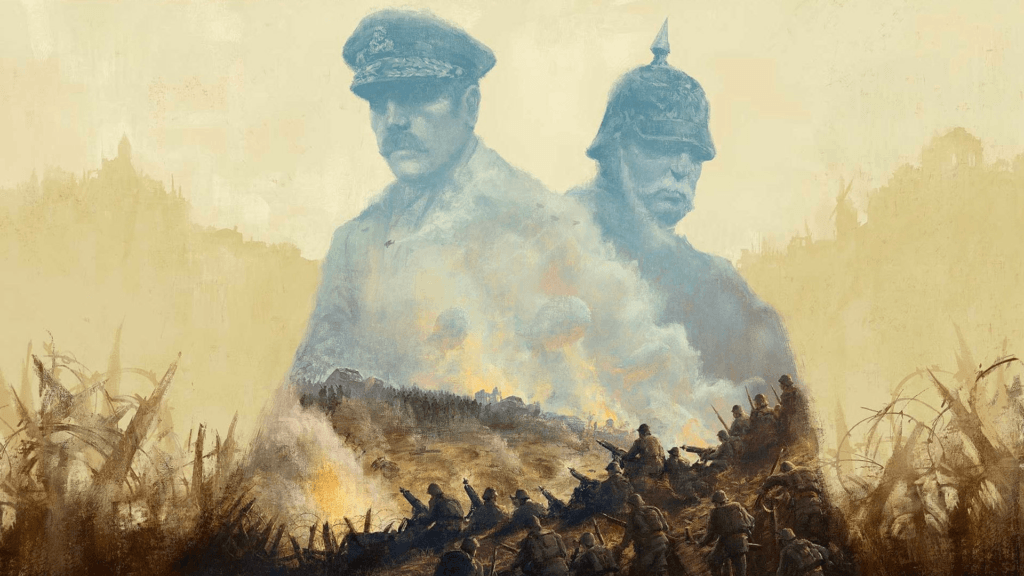
Petroglyph Games, a studio founded by veterans of the original Command and Conquer development team, released The Great War: Western Front in 2023. It’s the most complete single-player WW1 strategy experience currently on the market. The game operates on two levels simultaneously. As Theater Commander, you manage the Western Front across turn-based strategic phases: troop allocation, research priorities, morale management, and the strategic conditions that determine which battles you fight. As Field Commander in individual engagements, you’re running real-time tactical battles where terrain, artillery timing, and unit routing determine the outcome.
The combination works better than most hybrid designs. The strategic layer gives individual battles operational context that purely tactical WW1 games lack. The tactical layer gives the strategic decisions tangible stakes that pure grand strategy misses. Attacking across open ground toward entrenched positions is as costly in the game as it was historically. Trench systems have genuine defensive value. Gas attacks and tanks arrive in the right periods and change the tactical calculus in ways that feel historically earned rather than just being stat upgrades on a tech tree.
The Steam page notes the campaign covers 1914 to 1919 across both Allied and German perspectives, with each side having distinct strategic constraints. It’s the game to start with for most players approaching the WW1 setting. Players who enjoy its real-time combat layer will find the genre’s broader tactical options covered in our real-time strategy games guide.
Developer: Petroglyph Games. Platform: PC (Steam). Verdict: The best single-entry point for WW1 strategy gaming right now.
Supremacy 1914
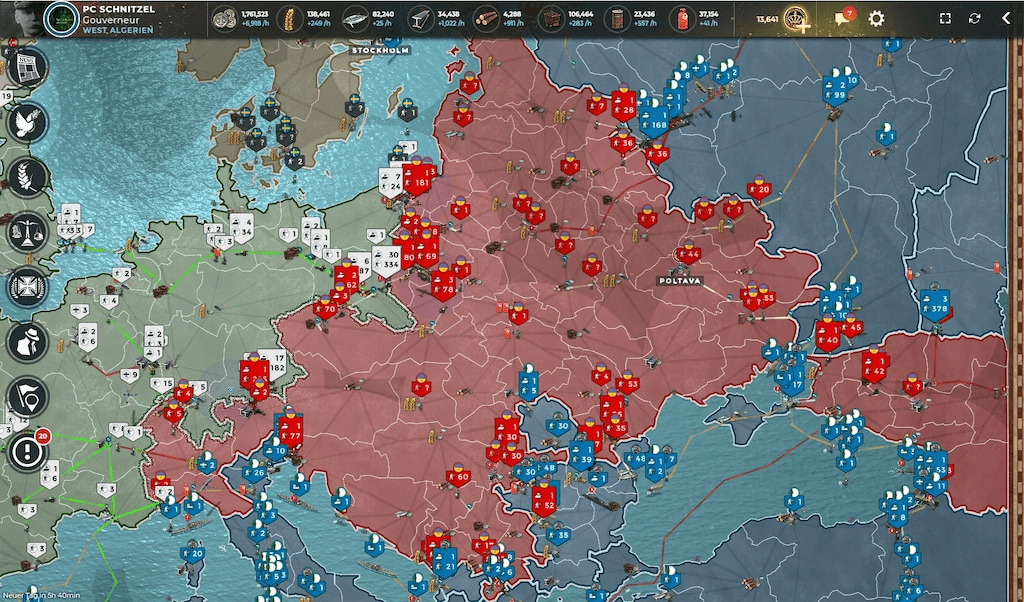
Supremacy 1914 is the WW1 strategy game you can play in a browser for free, right now, without any installation. Bytro Labs has kept it running since 2009, and its active multiplayer base means real opponents are always available. You choose a nation, join an ongoing game with players representing other major powers, and manage diplomacy, production, and military campaigns in real time against actual humans.
The historical dynamics of the 1914 opening are reasonably well represented. The alliance pressures, mobilization races, and cascading diplomatic failures that turned a regional conflict into a continental war are driven here by real player decisions, which makes them unpredictable in ways that single-player grand strategy games can’t fully replicate. You can find yourself facing a coalition you didn’t anticipate, fighting on fronts you didn’t plan for, because another player made a decision that seemed rational from their own position. That captures something authentic about the period.
The monetization is real, and premium players have advantages. The official site is transparent about the model, and the community has developed norms around premium use that experienced players understand. The Gamer’s WW1 game overview identifies it as the most accessible active WW1 multiplayer option currently running. For players who want the genre’s deeper simulation options, our military strategy games coverage covers where to go next.
Developer: Bytro Labs. Platform: Browser, iOS, Android (free-to-play). Verdict: The best free WW1 option with an active multiplayer community.
Order of Battle: WWI
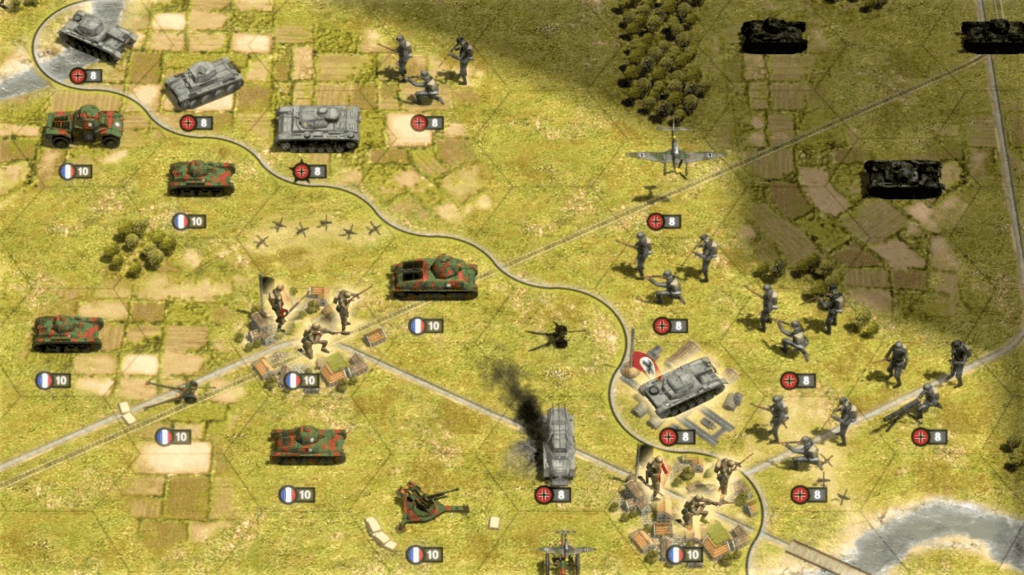
Order of Battle: WWI is part of The Aristocrats’ operational strategy series, covering the First World War across multiple campaign packs. The Western Front, Eastern Front, Gallipoli, and Middle Eastern theater each receive dedicated campaign content. The core system is turn-based hex-based operational strategy: move units, manage supply lines, take objectives, hold flanks.
The WW1 setting fits the Order of Battle engine better than you might expect. The series’ supply mechanics, which punish over-extension, map naturally onto the logistical realities of 1914-1918 warfare. Units degrade without replacement and resupply. Breakthrough exploitation is possible but difficult to sustain. The historical battles appear as scenarios with period-accurate force compositions: Verdun, the Somme, Tannenberg, Megiddo, Gallipoli.
It’s not the deepest WW1 simulation on this list, but it’s the most approachable operational-level option in the genre. Players who want something between Supremacy’s grand strategic sweep and the full complexity of To End All Wars will find the right balance here. The Players’ Aid’s WW1 games breakdown covers the broader WW1 game scene alongside the digital options. It complements the range of titles in our turn-based strategy games guide well.
Developer: The Aristocrats / Slitherine. Platform: PC. Verdict: The most approachable operational-level WW1 game across multiple theaters.
To End All Wars
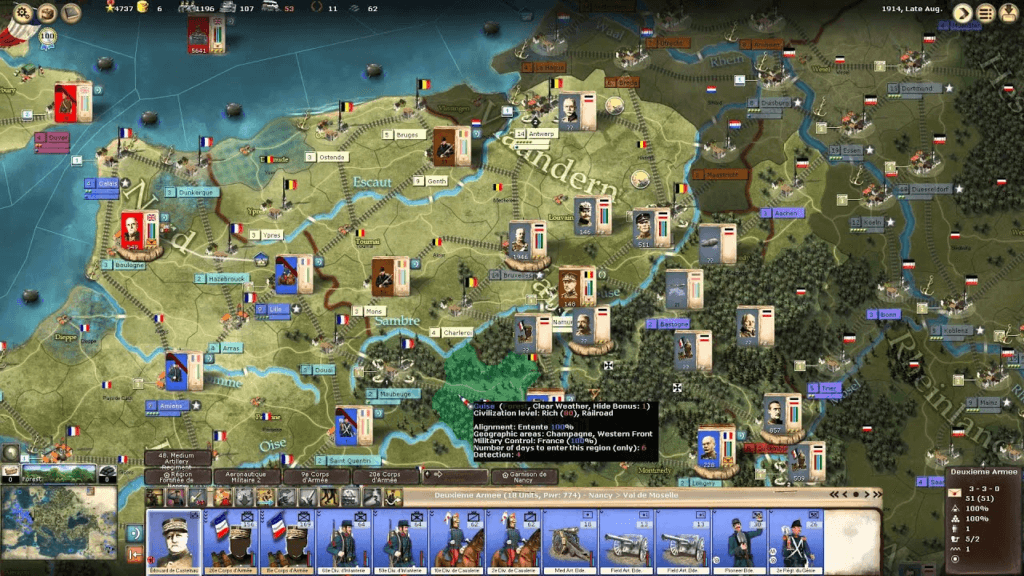
To End All Wars is AGEOD’s grand strategy simulation of the First World War, and it remains the deepest PC grand strategy game built specifically for the 1914-1918 conflict. AGEOD’s engine models supply, attrition, morale, and regional control at a level of fidelity that places it closer to wargame simulation than to conventional strategy. It isn’t easy. It also isn’t easy to find fault with once you understand it.
All the major fronts are present: Western, Eastern, Italian, Balkan, Salonika, the Middle East. Each has distinct terrain, logistical constraints, and operational patterns. Managing the Austro-Hungarian army on the Eastern Front while keeping Germany’s western position stable and coordinating with Ottoman operations in the Levant is not a trivial problem. It’s also a kind of operational challenge that doesn’t exist in any other WW1 game at this scope.
AGEOD’s system for representing command limitations is particularly well-executed. Units don’t execute orders immediately and perfectly. Reliability, supply, terrain, and the quality of your command chain all affect outcomes. This models the same friction that made WW1 armies such blunt instruments even when well-commanded. Players who’ve exhausted Hearts of Iron IV’s WW1 mods and want something built specifically for the period will find this the most rewarding destination. It belongs with the grand strategy games for experienced players that reward historical knowledge above all. Our historical strategy guide covers it in the context of the broader field.
Developer: AGEOD / Matrix Games. Platform: PC. Verdict: The most historically detailed WW1 grand strategy available, for patient players.
How to Approach the Genre
WW1 strategy games are a smaller genre than WW2 strategy, but less crowded too, which means the standouts are easier to identify. Here’s a quick guide by player type:
- You want a single-player WW1 experience covering strategic and tactical layers: The Great War: Western Front.
- You want free-to-play multiplayer against real opponents: Supremacy 1914.
- You want accessible operational-level WW1 play across multiple theaters: Order of Battle: WWI.
- You want the most historically rigorous grand strategy simulation: To End All Wars.
Start with The Great War: Western Front unless you specifically want multiplayer, in which case Supremacy 1914 is the natural entry point. To End All Wars is where you end up after exhausting the other options. War strategy games covering adjacent settings and eras are a natural extension once you’ve worked through the WW1 genre.
Strategygame.org covers strategy games across all platforms and eras. Browse the strategy rankings for broader historical strategy coverage. The grand strategy guides section covers the simulation-adjacent titles in the genre in more depth.
