
Quick Rundown
Most multiplayer strategy games aren’t actually built for groups. They’re designed for ladder matches between two players or clean 2v2 setups where coordination requirements stay manageable. Put five or six people in a voice channel and the cracks show fast: someone’s out of sync, someone rolled a faction nobody asked for, and whoever’s most experienced just dominates while the rest watch.
These picks work differently. Each one either shines specifically with four to eight players or has built a genuine group-play reputation through years of use. Session length and player count notes are included throughout, because those variables matter more than review scores when you’re coordinating schedules with real people.
Age of Empires IV: The Group Standard
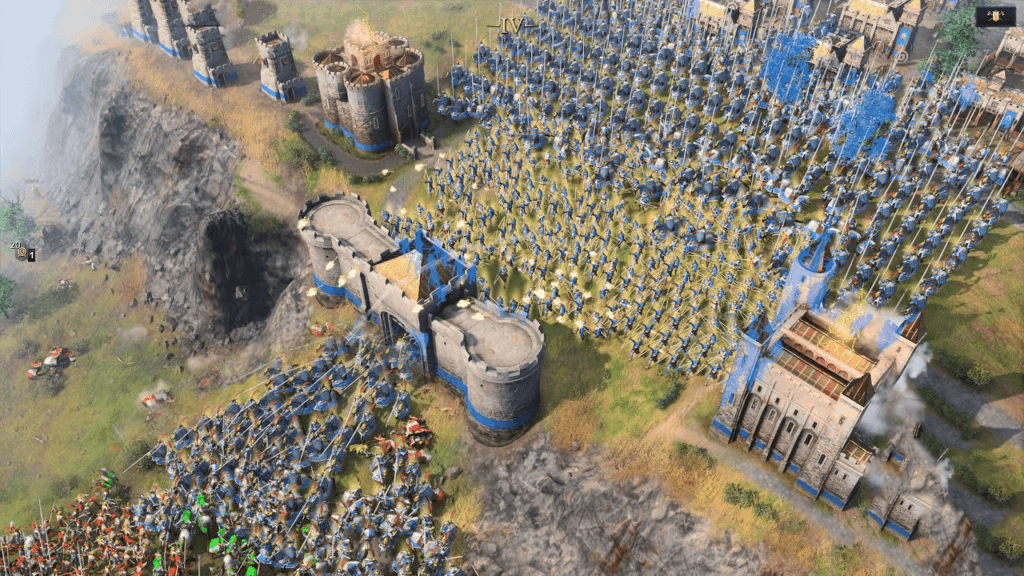
Age of Empires IV handles team multiplayer as cleanly as any real-time strategy game available. The 2v2 and 4v4 modes are well-balanced, matches run 20 to 40 minutes in most team formats, and the eight civilizations give players enough variation that no two teammates feel redundant. That predictable session length is a meaningful part of the appeal. Your group can run three matches in an evening without anyone losing track of time.
Voice communication pays off in ways the game actively rewards. Resource calls, push timing, and raid warnings all need real coordination. A team where everyone’s running their own plan will collapse against anyone who actually coordinates. Once a group builds its shorthand over a few sessions, match quality improves noticeably and fast.
The rise of team-focused play is part of why the RTS genre has been showing real momentum. Age of Empires IV has been a consistent part of that story.
Northgard: Compact Maps, High Coordination Ceiling
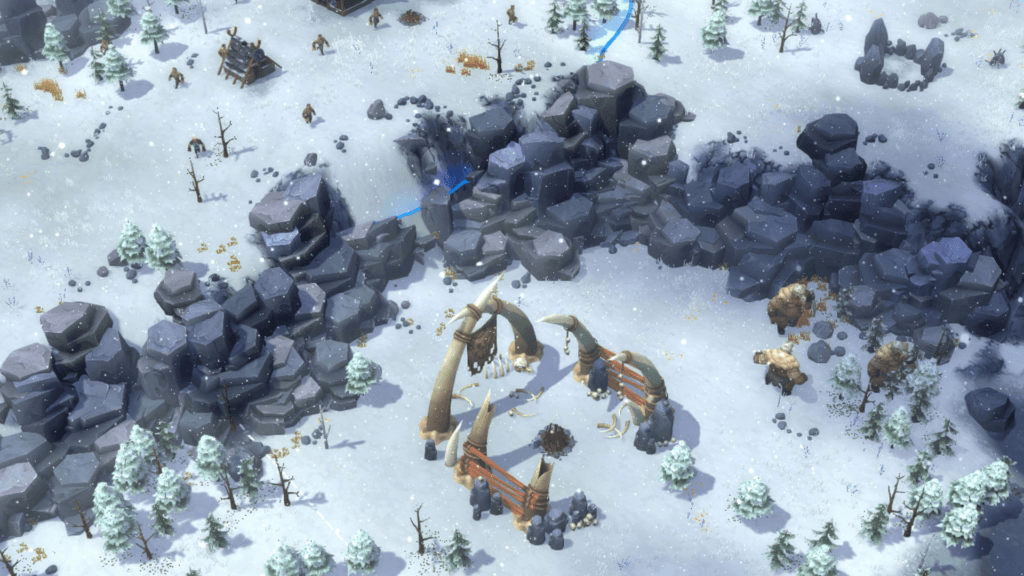
Northgard does something clever for group play: clan selection before the match naturally pushes players into complementary roles. One clan handles military pressure, another manages food production, another leans into trade routes or lore accumulation. Nobody has to draft a strategy document before the session. The mechanics handle role assignment implicitly, and the result is a session where everyone has a function without anyone needing to call it out.
Groups of three to four hit the sweet spot. Maps get congested at five or six, and sessions stretch accordingly. At the right size, a Northgard match runs 45 minutes to an hour. Long enough to feel like an accomplishment, short enough to play twice in a night. Northgard belongs in the conversation for the best real-time strategy games available right now, and its group mode is a significant reason why.
Civilization VII: Commitment Required, Payoff Real
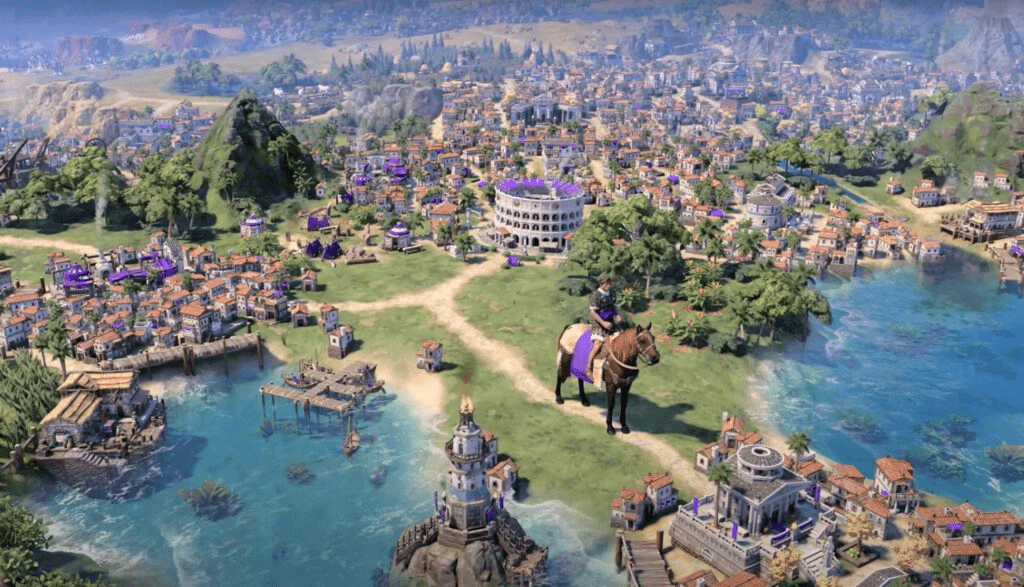
Civilization VII is the most accessible Civ entry for multiplayer newcomers, which carries real weight given how unfriendly the series has historically been in online play. The Age structure divides the game into three distinct historical periods, each with a natural pause point. For groups that can’t block six hours in a single sitting, those checkpoints make multi-session campaigns actually workable.
Multiplayer Civ is a different experience than the solo version. Diplomacy with real people who will see you next session carries actual social weight. The word “backstab” will come up in at least one campaign. That’s not a warning. That’s a guarantee.
For context on where Civ VII sits in the current genre landscape, the top strategy games of 2026 breakdown provides a useful frame.
Foxhole: Built for Groups, Not for Drop-Ins
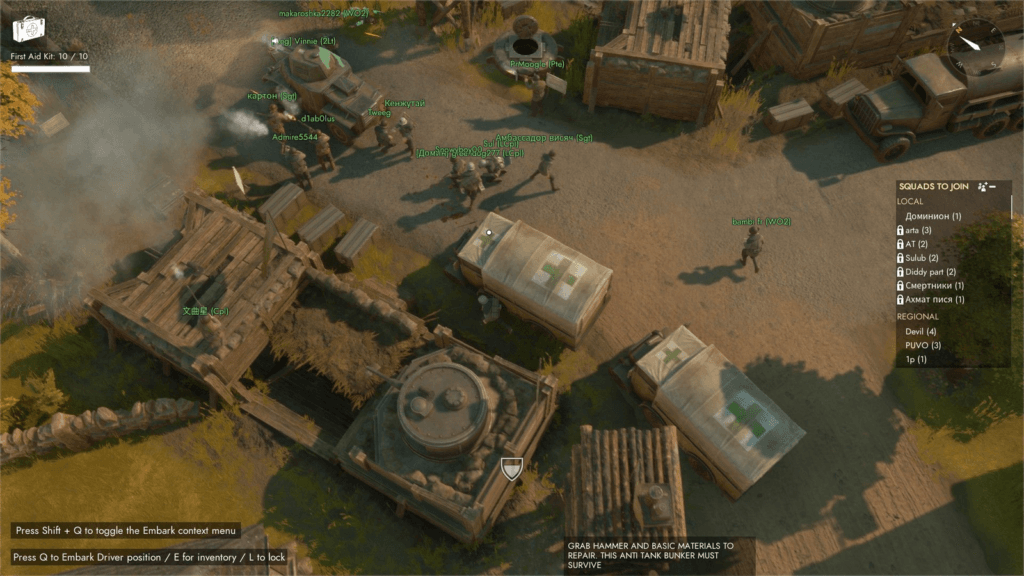
Foxhole is the far end of the coordination spectrum. It’s a persistent massively multiplayer war game where every supply line, fortification, and frontline push requires sustained human effort to build and maintain. Your squad isn’t playing a session. You’re one operational node in an ongoing conflict that continues while you’re offline.
The learning curve is steep and deliberately dense. Players who want to contribute meaningfully in the first hour will struggle. But for groups willing to commit to the learning process, Foxhole delivers a scale of collaborative accomplishment that nothing else on this list matches. Set expectations early with your group. One frustrated player can pull an entire squad out before it finds its footing.
Where Foxhole sits in broader genre history is covered in the best strategy games of all time roundup, which gives its ambitions useful historical context.
Conflict of Nations: For Groups That Can’t Schedule a Block
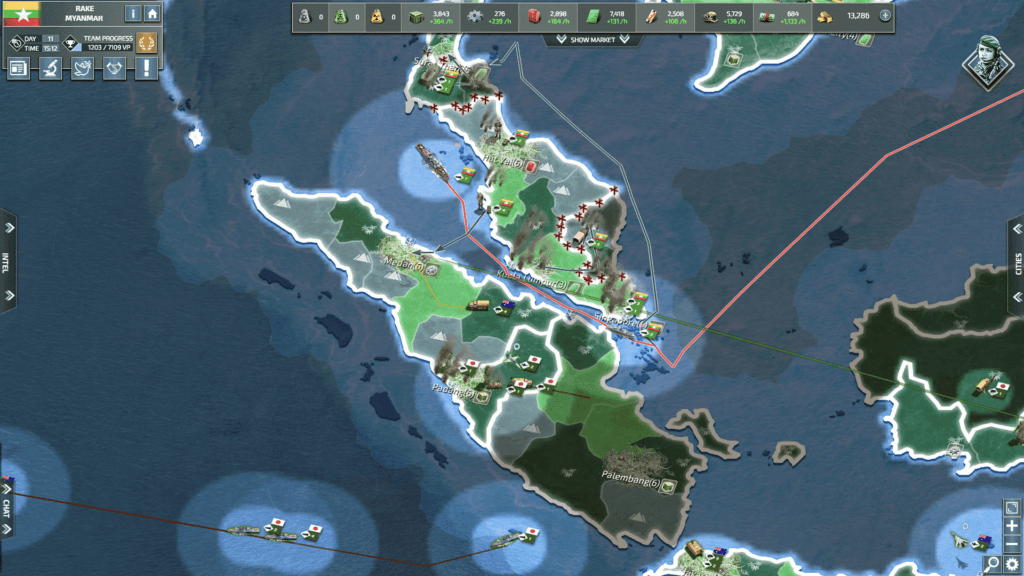
Some groups have three players across two time zones and a combined gaming window of four hours per week. Conflict of Nations exists for that situation. It’s a browser-based grand strategy game with turns that advance in real time. You log in, issue orders, and check back hours later. Campaigns run for days or weeks at a pace that accommodates real schedules.
The experience trades adrenaline for strategic depth. Supply chains, diplomatic relationships, research timelines, and military positioning all play out across an extended campaign. For groups that want ongoing strategic competition without a three-hour scheduling negotiation, Conflict of Nations fills a niche none of the other games here attempt.
Matching the Game to Your Group
Session length and group size are the real selection criteria. Great game plus wrong session format equals a lobby that doesn’t load a second time.
- Under 1 hour per session: Age of Empires IV team modes, Northgard
- Multi-session campaign: Civilization VII
- Async, check in when available: Conflict of Nations
- Persistent, long-haul: Foxhole
Player count matters equally. Age of Empires IV and Northgard work best at five or six players. Foxhole and Conflict of Nations scale further, though coordination gets looser as group size grows.
Strategygame.org covers the full strategy genre across formats and platforms.
The strategy game rankings section has breakdowns by subgenre and platform if none of these fit your group’s specific situation.
