Quick Rundown
Most strategy games borrow the vocabulary of military command. Military strategy games actually try to model how armies work. They care about flanking as doctrine, not just as a mechanic. They model supply lines, unit cohesion, and the difference between a battalion acting on solid orders and a panicked one. The best military strategy games reward players who think about war the way commanders have to, not just players who can click faster. These four do exactly that.
Combat Mission
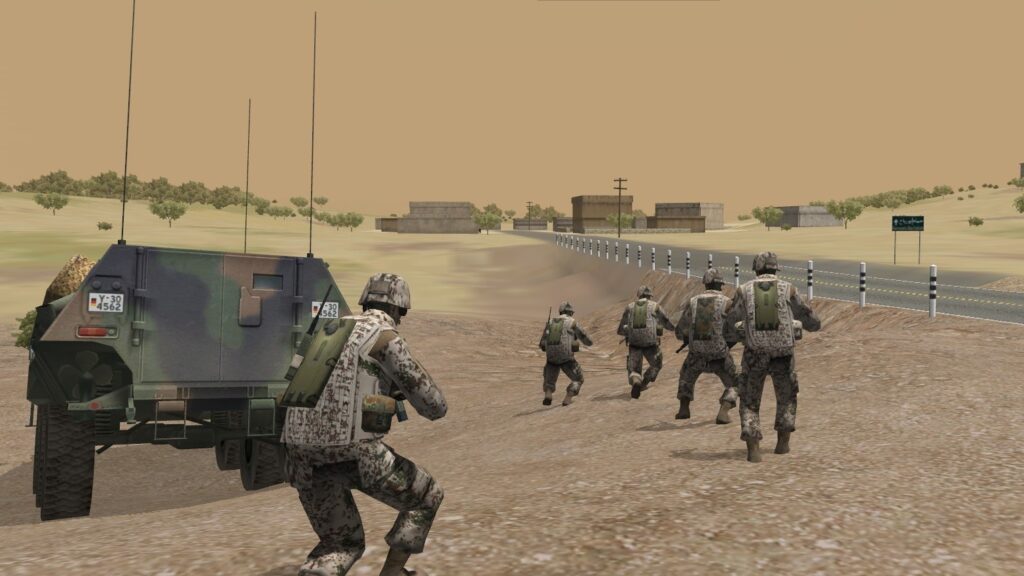
Combat Mission is the gold standard for squad-level WWII simulation. Developed by Battlefront.com, the series uses a WEGO (simultaneous turn) system: both sides issue orders, then watch 60 seconds of action play out in real time before issuing new orders. It sounds manageable. It isn’t.
Every unit has modeled suppression, fatigue, morale, and individual soldier experience. A green squad and a veteran squad with identical equipment fight completely differently. Line of sight is calculated realistically, so concealment actually works. Terrain matters the way it matters in field manuals, not just as a movement penalty. Combat Mission: Battle for Normandy is the most-cited entry, but the modern-combat titles are equally demanding for players interested in contemporary conflicts.
The interface is dated and the learning curve is steep. None of that diminishes what the game accomplishes at the simulation level, which is more than anything else in the turn-based strategy space has attempted at this scale.
Command: Modern Operations
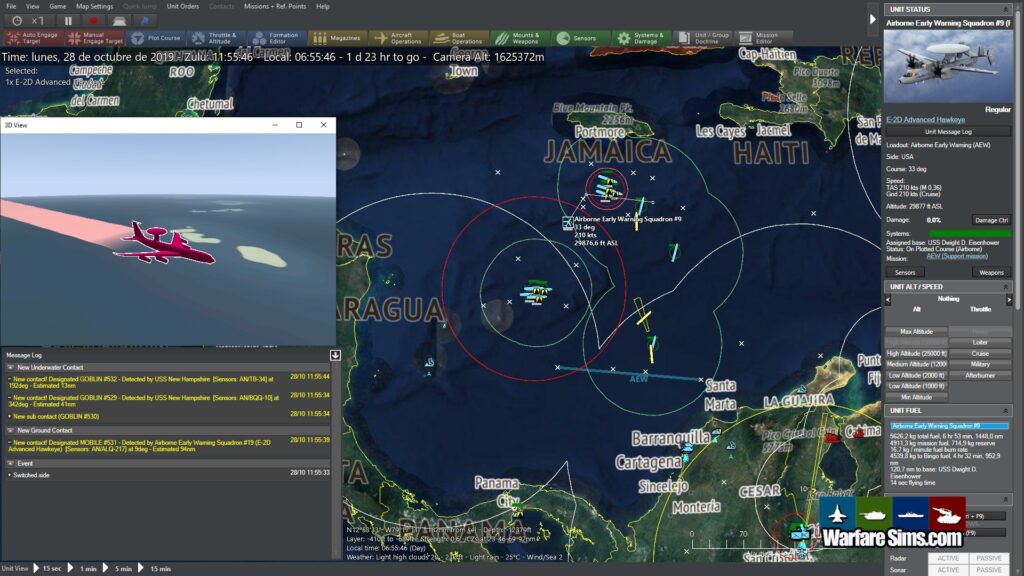
If Combat Mission covers squad tactics, Command: Modern Operations covers everything above it. Naval task forces, air wings, submarine patrols, cruise missile salvos, satellite coverage windows. The game models modern military conflict from single-platform engagements up to theater-level scenarios involving hundreds of assets across thousands of miles.
Matrix Games and Slitherine released Command: Modern Operations in 2019 as an upgraded successor to the original 2013 CMANO release. Military professionals and defense analysts have used it to wargame actual geopolitical scenarios. That’s not marketing language; that’s how deep the simulation runs. For players coming from grand strategy games who want something with more operational specificity and real-world doctrine, Command is the logical escalation.
It’s not a game you pick up casually. It’s a game you study. The payoff is genuine command authority over a level of modern warfare no other title comes close to modeling.
Steel Division 2
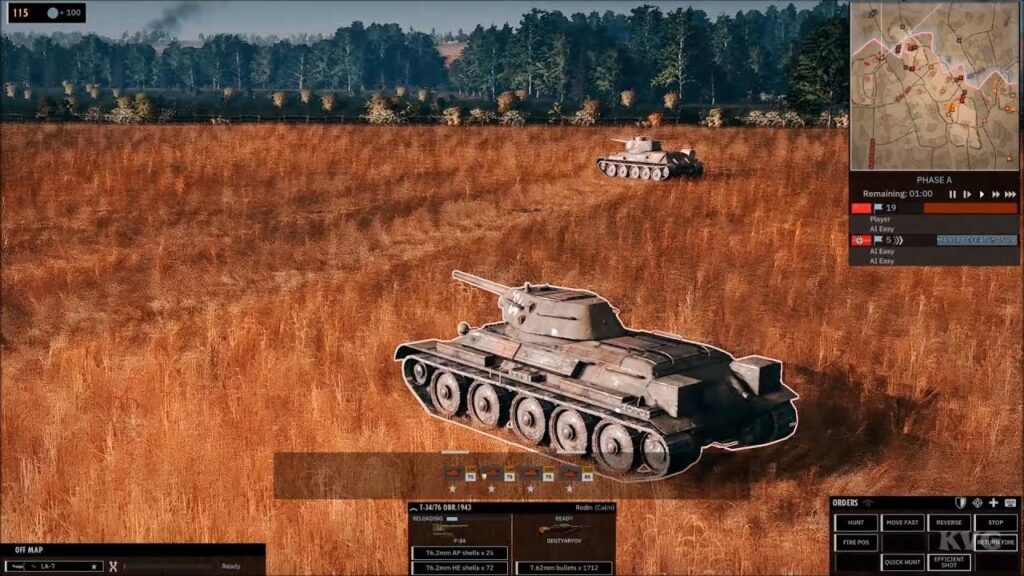
Steel Division 2 covers the Eastern Front of 1944 in a real-time operational format with a smart deck-building layer. Before each battle you build a division from historical units, balancing your force composition across three timed phases of the engagement. Then you fight it out on maps that span multiple kilometers of historically researched terrain.
The game sits between a serious historical wargame and a competitive real-time strategy game. The unit roster is extensive and grounded in period records. The combat feels weighty and consequences carry over the engagement. Of the four games here, Steel Division 2 is the most accessible starting point for players coming from mainstream strategy without prior wargaming experience.
Wargame: Red Dragon
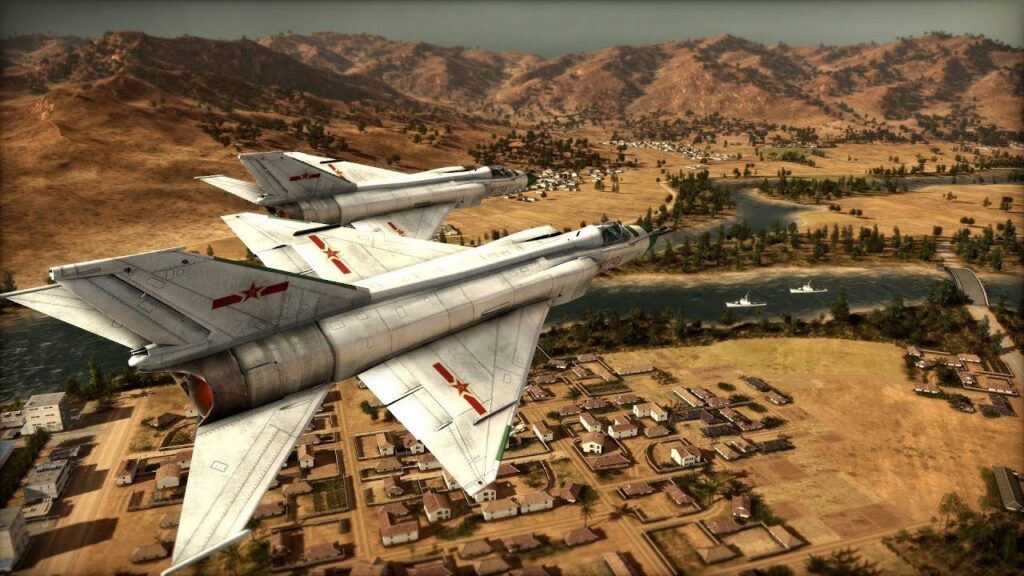
Wargame: Red Dragon covers Cold War combined-arms conflict across the Asia-Pacific theater. Released in 2014 by Eugen Systems, it models land, naval, and air warfare simultaneously, with a unit roster spanning hundreds of historically sourced military assets from NATO and Warsaw Pact nations across multiple Cold War-era conflicts.
What distinguishes Wargame from a standard RTS is the emphasis on combined arms coordination. Tanks alone lose. Infantry alone loses. Air support, anti-air coverage, logistics, and reconnaissance all matter in ways most real-time strategy titles ignore. Players who like deliberate, methodical decision-making will find Wargame demanding but rewarding once the unit roster clicks.
Who These Games Are For
Not everyone, and that’s fine. Military strategy games at this tier are for players who want the doctrine and not just the aesthetics of command. If you’ve finished every campaign in a mainstream franchise and wanted the game to be harder, more realistic, and more demanding of actual military thinking, these are the games that fill that gap.
All four have active communities, strong mod support, and scenario libraries that extend replayability well beyond the base content. The investment in learning them is real. So is the return.
Where to Start
Steel Division 2 is the most accessible of the four. Start there if you’re coming from mainstream strategy with no wargaming background. If you already have wargaming experience, Combat Mission and Wargame: Red Dragon are both strong entry points depending on whether you prefer slow-burn simulation or a faster operational tempo.
For a wider look at what’s competitive in strategy right now, our strategy game rankings cover the full landscape. Strategygame.org covers military strategy games alongside everything else the genre has to offer.
