Quick Rundown
Most co-op games have a quarterbacking problem. One player, usually the one who read the rulebook twice, ends up directing everyone else’s turns while the group follows along. It’s technically cooperative. It doesn’t feel cooperative to anyone who isn’t the quarterback. Cooperative strategy board games solve this differently, and the best ones do it through structure rather than social policing.
This list focuses specifically on coop board games that distribute decision-making by design. Not games where you have to house-rule “no telling other players what to do.” Games where the mechanics themselves prevent any single player from running the show. For a broader look at what’s worth owning in the tabletop space, our strategy board games roundup covers both cooperative and competitive titles.
Why Quarterbacking Is a Design Problem, Not a People Problem
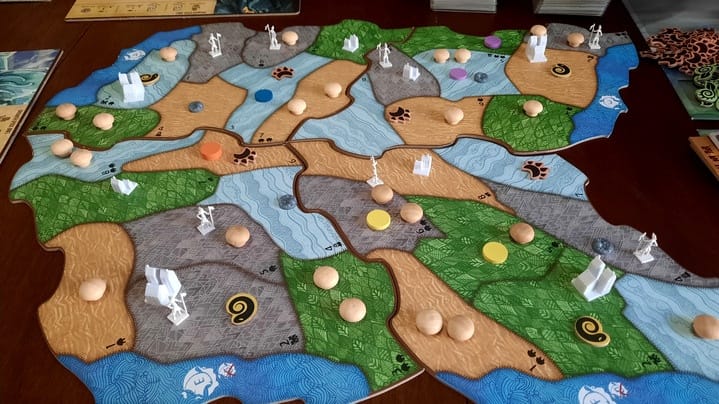
Quarterbacking happens when a game gives one player enough visibility into the full board state and enough cognitive bandwidth to optimize for everyone. The solution isn’t to tell your experienced friend to stop helping. The solution is to pick games that make comprehensive optimization impossible.
Two mechanics do this reliably. First: asymmetry. If each player runs a completely different role with different rules, no single person can be expert enough in all of them to direct the whole group. Second: limited communication. If players can’t fully share what they know, they have to make independent decisions. Love Thy Nerd’s breakdown of cooperative games that resist quarterbacking is a good primer on how different designs handle this mechanically.
The same logic applies in digital formats. Our guide to turn-based strategy games covers how information flow and action sequencing shape the decision-making experience across both worlds.
The Best Co-op Strategy Board Games That Hold Up
Spirit Island
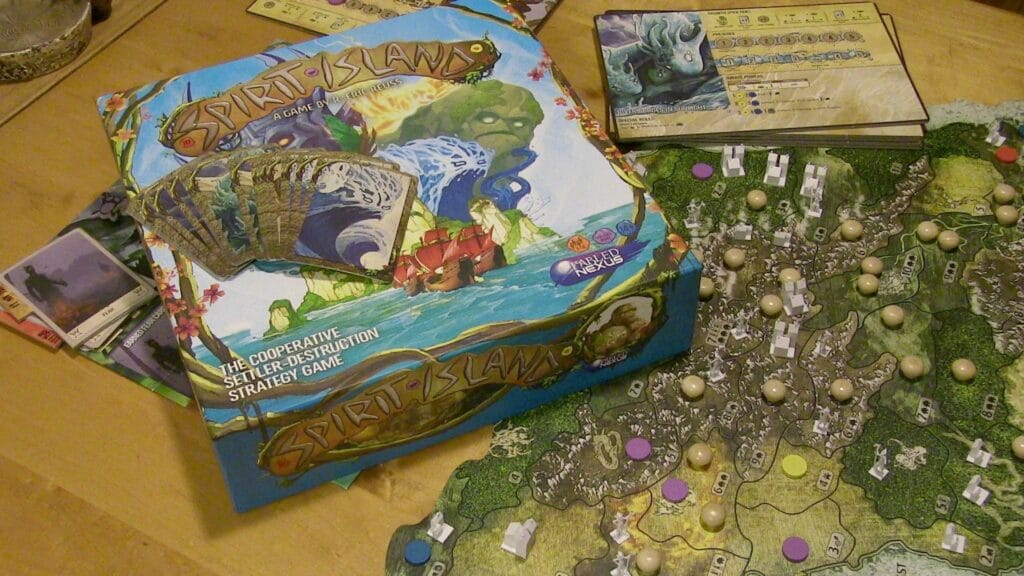
Spirit Island is the graduate program of cooperative strategy board games. Each player controls a different spirit defending an island from colonial settlers, and every spirit has such a unique power suite that no single person at the table can comprehend optimal play for the whole group simultaneously. You have to trust your partners because you literally cannot quarterback for them.
The game scales from two to four players and has a difficulty modifier system that lets experienced groups push complexity far past the base box. The setup takes time, but the payoff is a cooperative experience where every player is genuinely indispensable.
Co-op Board Games’ full Spirit Island review covers the mechanical depth in detail. Short version: spirit island is the best answer when your group includes both experienced strategists and newer players who need to feel like their decisions matter.
Pandemic Legacy
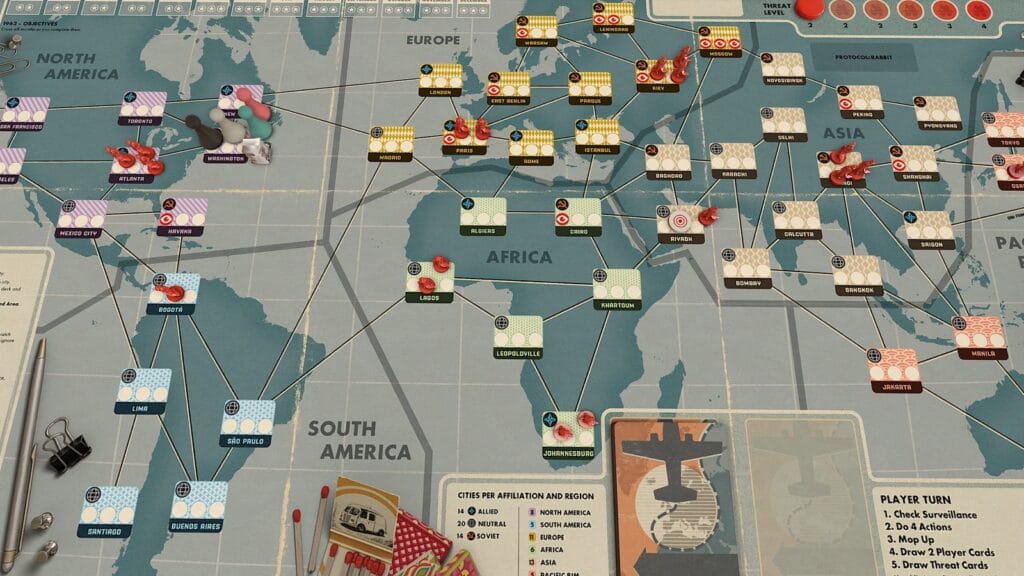
Here’s the honest take: the base version of Pandemic is a quarterbacking game. One experienced player can run the whole board if they’re allowed to. Pandemic Legacy fixes this partly through persistent consequences that keep even experienced players off-balance, and partly through role specialization that genuinely compounds across a 12-month campaign.
If your group is new to coop board games, start here. The rules are light enough to learn in one session, the stakes escalate naturally, and the legacy format creates shared ownership over decisions in a way that flat co-op games can’t replicate.
The Crew: Mission Deep Sea
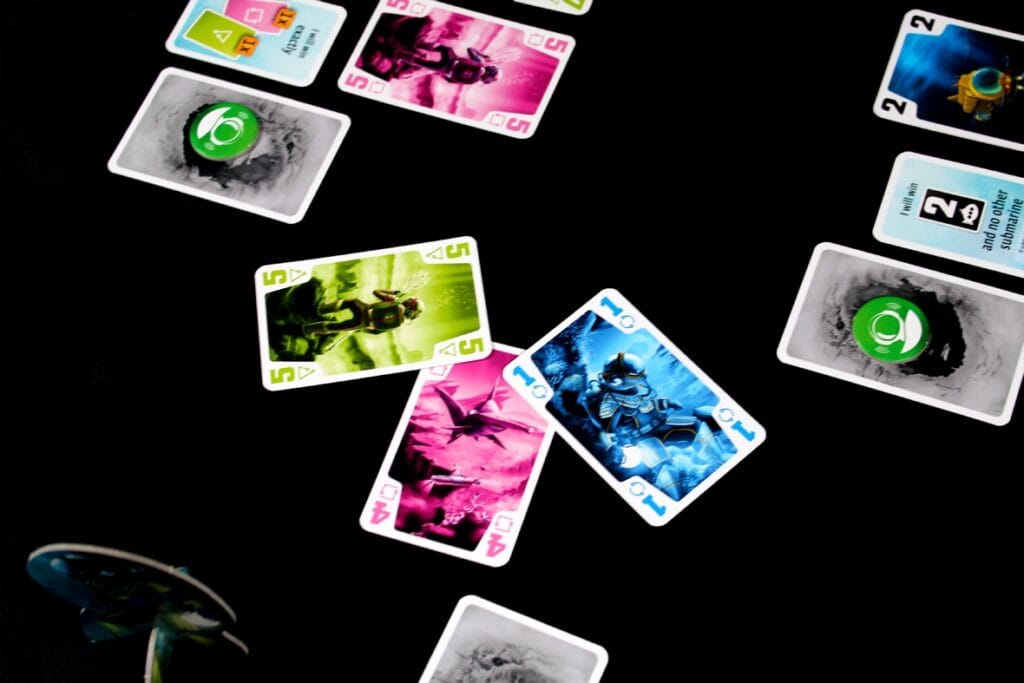
The Crew runs a communication restriction so tight it makes quarterbacking structurally impossible. Players are assigned secret mission objectives, can only give one piece of information per round using a specific token system, and have to coordinate a trick-taking mission without open discussion.
It plays in 20 minutes. You’ll fail the mission in 18 and argue about the critical trick for 45. That ratio is the whole appeal. The cooperative tension generated from those limits is disproportionate to how simple the card rules actually are.
Aeon’s End
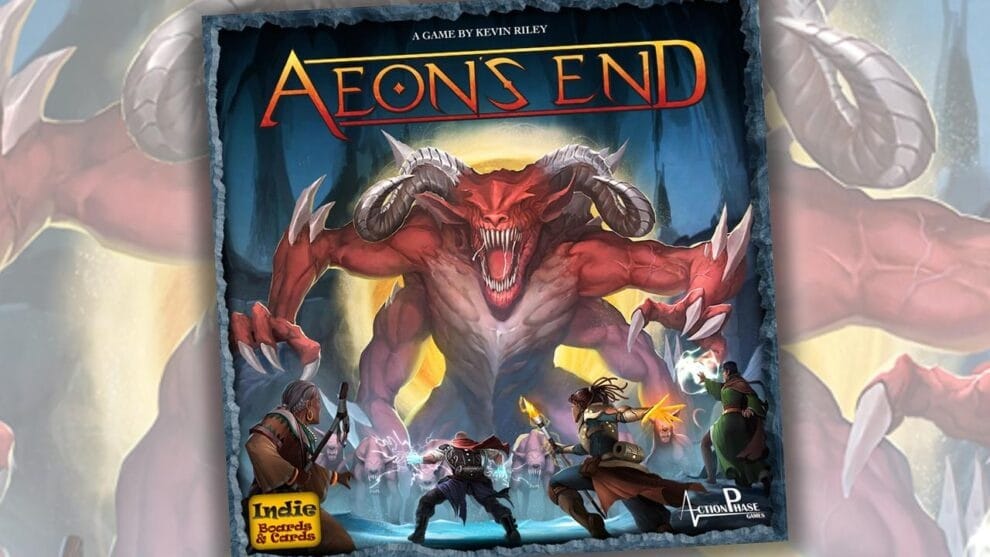
Aeon’s End is a deck-building cooperative game where each player controls a mage with a unique starting deck and spell suite. The defining design decision: no shuffling. When you need to draw, you arrange your discard pile in any order you choose. Your deck sequencing is strategic information only you hold.
That’s the quarterbacking prevention. Nobody at the table can direct your optimal play better than you can, because the right sequence depends on card order that only you control. Co-op Board Games ranks Aeon’s End among the top 40 cooperative games across all complexity tiers, and it earns that consistently.
Sleeping Gods
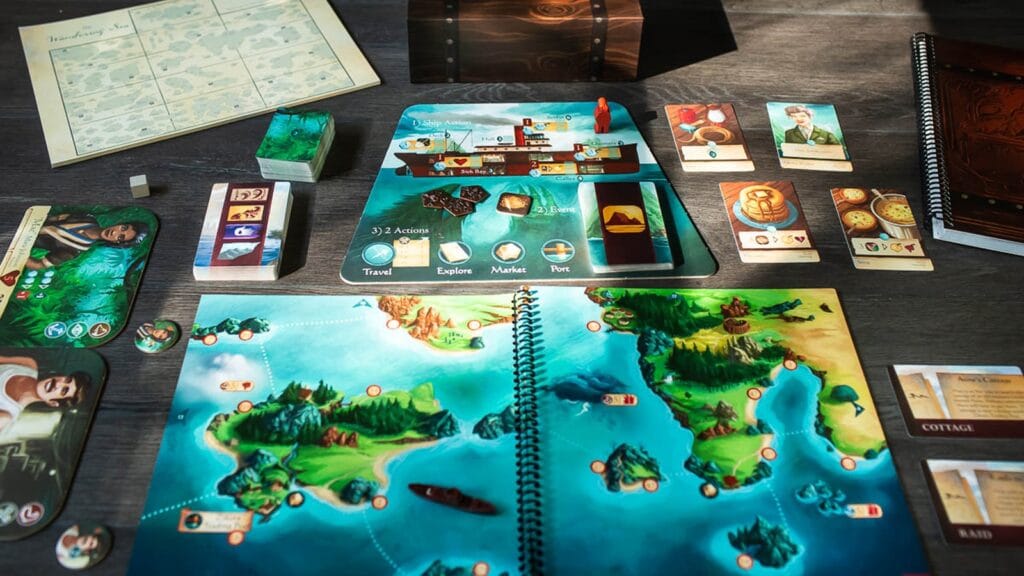
Sleeping Gods is a campaign game where a ship crew explores a mythological world across multiple sessions. The world is large enough and the decisions numerous enough that no one player can process and direct everything. Quarterbacking fails here simply because the scope of the game exceeds what any single brain can optimize.
What it does exceptionally well is generate narrative stakes that make players care independently about their own decisions. Intrinsic investment prevents quarterbacking more organically than most mechanical solutions. Best at three to four players, and worth committing to the full campaign.
How to Pick the Right Game for Your Group
Match the anti-quarterbacking mechanism to your group’s playstyle. If you need experienced and new players on equal footing, asymmetric abilities (Spirit Island, Aeon’s End) do the structural work. If you want a fast session under 30 minutes, The Crew’s communication limits get you there. If you want a gentle entry point that pays off over a longer arc, Pandemic Legacy is the answer.
Players who enjoy abstract strategy board games tend to adapt to Spirit Island quickly because the forward-planning and combinatorial thinking are directly transferable. And if you find the puzzle-solving aspect is what draws you, our strategy card games guide includes cooperative options alongside competitive picks.
Cooperative games teach something no competitive game can: how to lose gracefully as a team. That’s not a consolation. It’s what makes groups who play co-op together stick with the hobby long-term. Browse our strategy game rankings for what’s worth your time across all formats, and find more coverage at Strategygame.org.