
Quick Rundown
You’ve played Catan until the resource probabilities are memorized. Ticket to Ride stopped feeling tense somewhere around game six. The next tier of strategy board games is out there, and some of them will genuinely change how you think about what the hobby can do.
This isn’t a list for first-time buyers. It’s a curated cross-section of modern tabletop strategy games for players ready to move past the basics: heavy euros that punish short-term thinking, asymmetric titles where every faction operates by different rules, gateway-plus games with real depth that don’t require a two-hour rules session, and a couple of shelf-piece epics for groups that have nowhere to be on a Saturday. Each pick gets a breakdown of who’s going to love it and what kind of player will bounce off it. For digital strategy coverage, our turn-based strategy primer covers the board-adjacent side of the genre in depth.
What Makes a Strategy Board Game Worth the Box Price
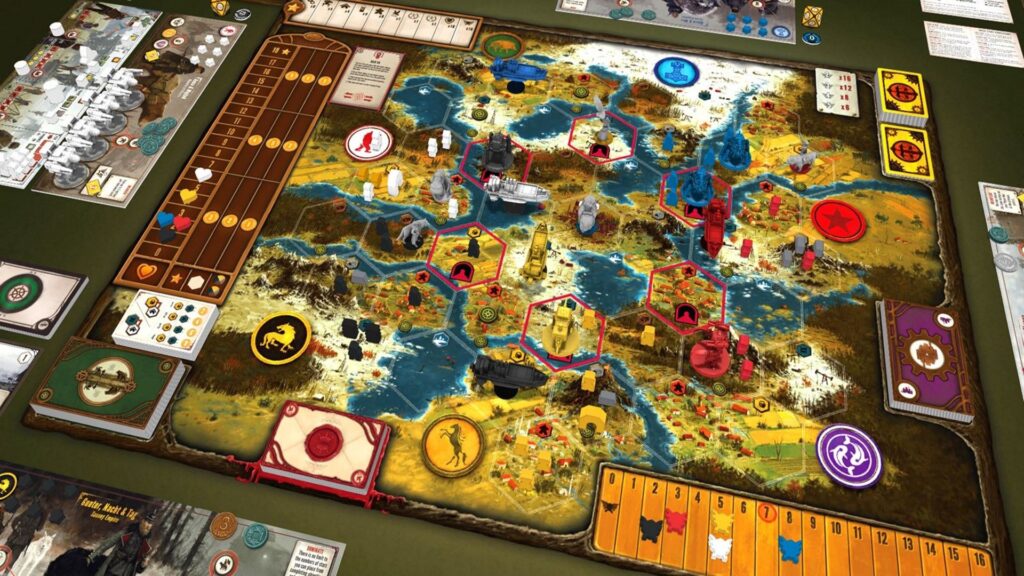
The best strategy board games share one trait: meaningful decisions. Every turn has more viable options than you can fully pursue, which forces real trade-offs every time. Roll-and-move games and pure luck mechanics don’t qualify. The titles below are all skill-rewarding — experience improves your results, reading your opponents pays off, and the same ruleset generates different games across dozens of sessions.
Player count and time commitment vary significantly across this list. Use the last section to match a pick to your actual group before committing.
Heavy Euro Strategy Board Games Built Around Hard Choices
Heavy euros are the genre’s intellectual deep end. These games ask you to optimize across multiple interlocking systems: resources, actions, timing, and opponent interference, all at once. They’re not pick-up-and-play. They’re the strategy board games people are still talking about three years after the first session.
Brass: Birmingham
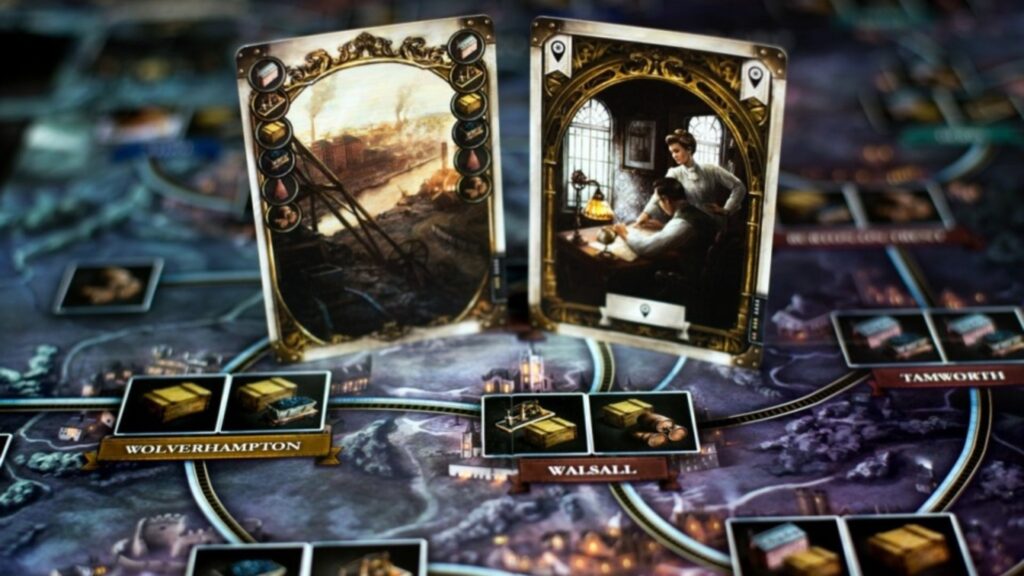
Brass: Birmingham sits consistently among the highest-rated strategy board games on BoardGameGeek, and it earns every bit of that reputation. Set in 18th-century industrial England, it’s a network-building game about laying canal and rail infrastructure, constructing industries, and selling goods before opponents flood the market. The defining mechanic is the double-era structure: when the first half ends, every canal link is wiped from the board. Whatever you built for the canal era may be worthless in the rail era unless you planned across both. Two players works cleanly; four gets genuinely political. Best for groups that want a game rewarding real mastery and one that gets noticeably better the more sessions you put into it.
Terraforming Mars
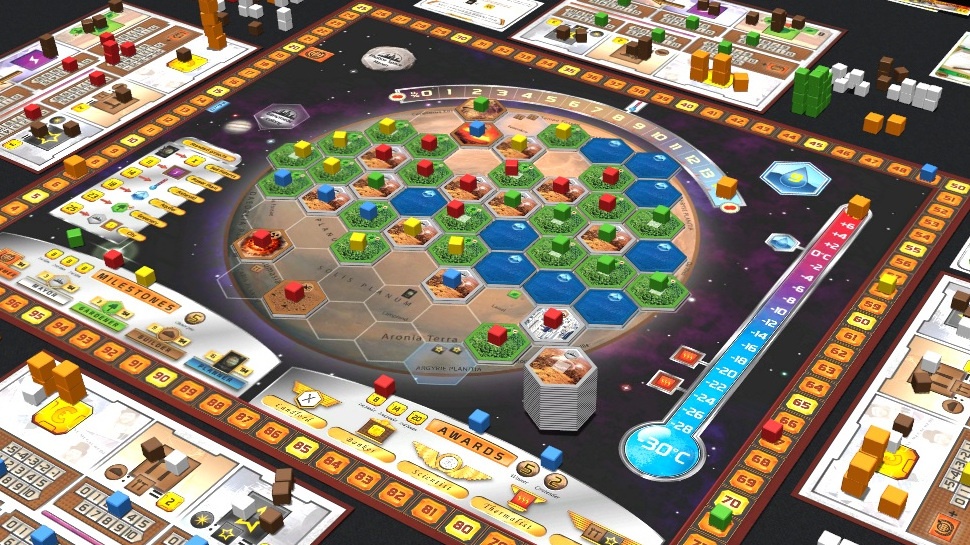
Terraforming Mars is a card-driven engine-builder about competing corporations racing to raise oxygen, temperature, and ocean coverage on the red planet. You buy project cards, claim milestones, build cities, and plant forests across a long arc that runs three-plus hours at higher player counts. The card pool is enormous, so no two games build the same engine, and replayability stays high across dozens of sessions. The production value doesn’t always match the price, but the strategic depth earns the time investment. Players who enjoy economic management mechanics in this genre will recognize similar systems in our coverage of economic simulation games. Best for players who enjoy slow, compounding builds where decisions made early pay off in the final round.
Ark Nova
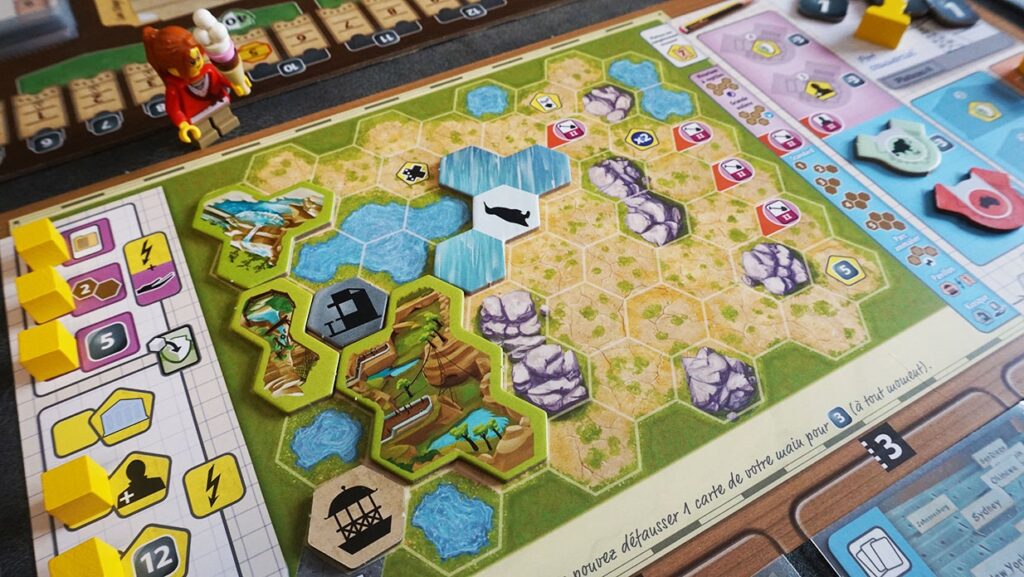
Ark Nova reached the top of the BoardGameGeek rankings in 2022 and held that position long enough to prove the ranking wasn’t a fluke. You’re running a modern scientific zoo: build enclosures, acquire animals, fund conservation projects. The core mechanic is a five-card action row where each card’s power depends on where it sits in your personal sequence, making turn optimization a puzzle inside a puzzle. It scales cleanly from one to four players and holds up well as a solo game. Best for players who want the depth of Terraforming Mars with faster turns and tighter card interaction.
Asymmetric Tabletop Strategy Games Where Every Faction Plays Differently
Asymmetric strategy board games give each player a faction with different rules, different win conditions, and a completely different decision tree. Switching factions between sessions is essentially learning a new game, which extends replay value far beyond what a symmetric design can offer.
Root
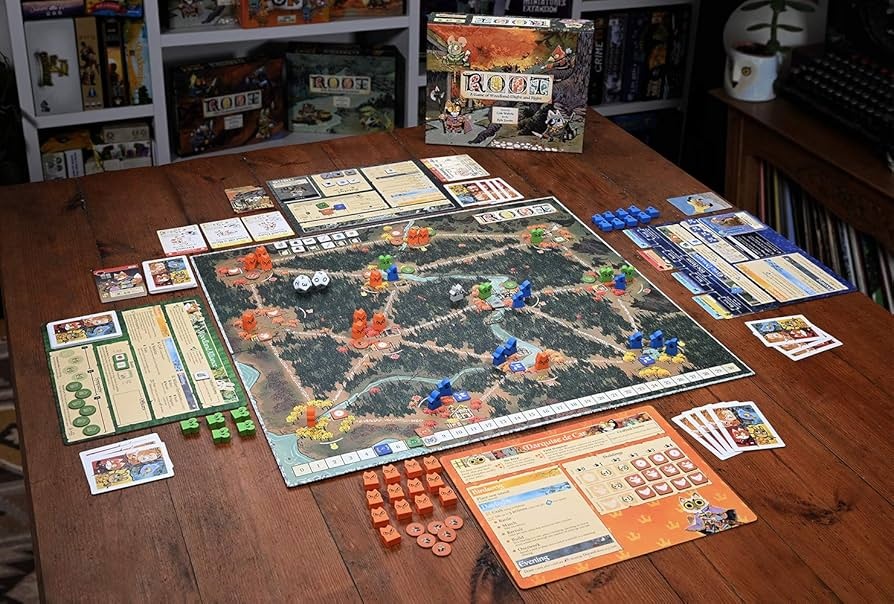
Root puts four factions on a shared woodland map where none of them operate alike. The Marquise de Cat plays classic area control, building production structures across the board. The Eyrie Dynasties expand quickly under a decree system that collapses into crisis if you break it. The Woodland Alliance runs guerrilla insurgency, building sympathy through the forest until ready to strike. The Vagabond operates as an individual hero, trading with every faction and playing all sides. Published by Leder Games and designed by Cole Wehrle, Root has become one of the defining asymmetric titles of the current tabletop era. New groups should know the Marquise is notably easier to pilot than the Eyrie on a first run, so front-loaded teaching helps. Best for groups committed to rotating factions across multiple sessions.
Spirit Island
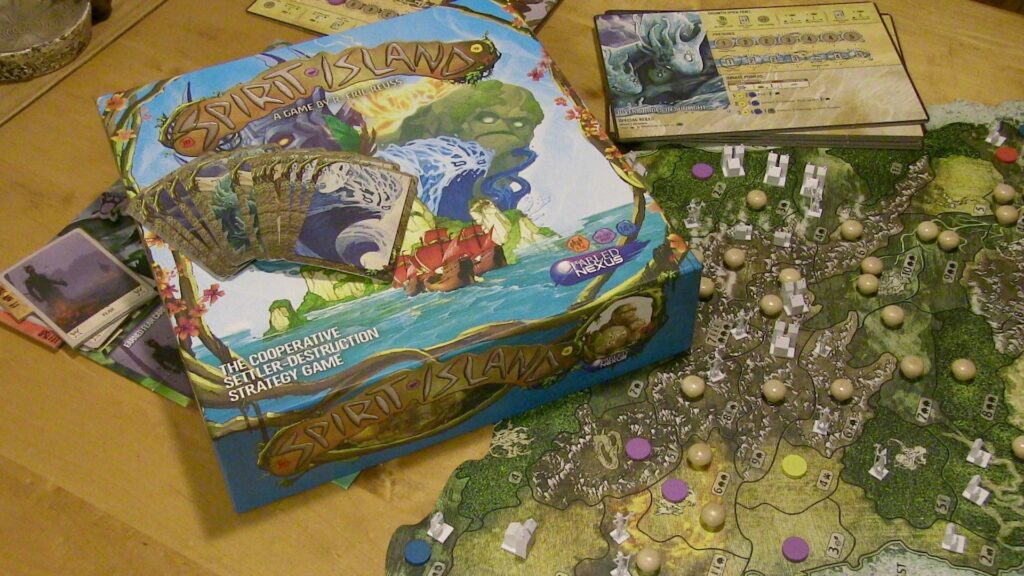
Spirit Island is a cooperative heavy strategy board game where players are ancient spirits defending an island against colonial invaders. Every spirit has a unique power deck, hand size, and growth mechanic, so playing Lightning’s Swift Strike is nothing like playing Bringer of Dreams and Nightmares. The difficulty system is one of the best in cooperative tabletop strategy: adversary and scenario combinations keep the challenge fresh across dozens of sessions. Complex to teach, but remarkably balanced once past the learning curve. Players who enjoy the expand-and-manage depth of 4X games will find familiar density covered in our 4X strategy guide. Best for groups that prefer working together and can commit to multiple sessions before the system clicks.
Gateway-Plus Strategy Board Games That Don’t Demand a Full Evening
These titles carry more decision depth than typical gateway staples but stay accessible enough to teach in 15 minutes. You’ll finish in under 90 and usually want to play again immediately after.
7 Wonders Duel
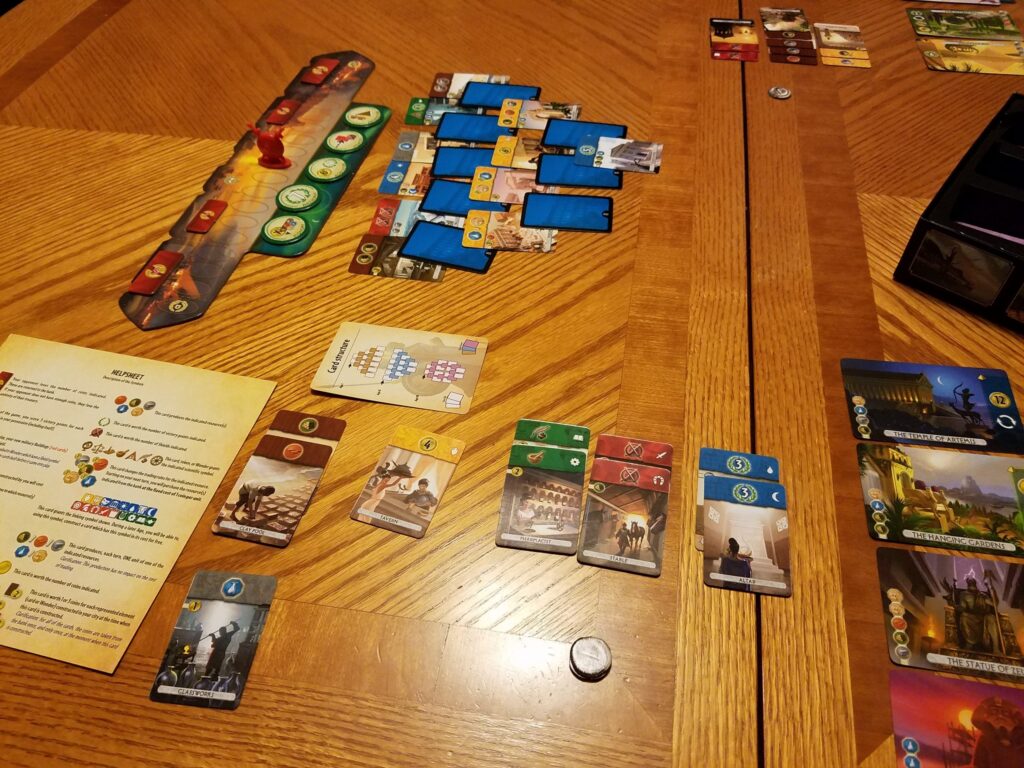
7 Wonders Duel takes the card-drafting system from 7 Wonders and sharpens it into a two-player head-to-head that improves on its parent game in almost every respect. Both players draft from a shared face-up card pyramid, which means every card you take is one your opponent cannot. Three win conditions (science supremacy, military domination, or most victory points at the end) keep both players constantly recalibrating what the other is building toward. A full game runs about 30 minutes. Best for competitive two-player households that want a quick, strategic experience with real replay depth.
Wingspan
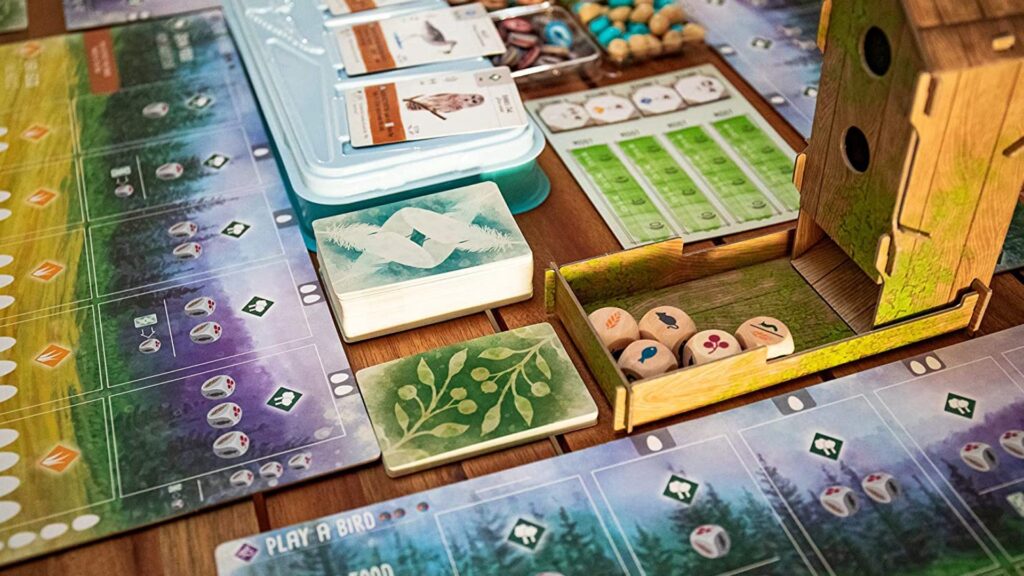
Wingspan is an engine-builder about attracting birds to your habitat, and one of the most commercially successful tabletop strategy board games of the last decade. Stonemaier Games has reported millions of copies sold across all regional editions, and it earns that reach: every bird card activates a chain of effects in its habitat row, and turns grow increasingly powerful as your engine develops. The art and production quality are exceptional, which removes the “I can’t get my group to try it” barrier almost entirely. The Oceania expansion adds food mechanics that make the game more interactive. Best for groups where at least one player needs convincing to try something new.
Azul
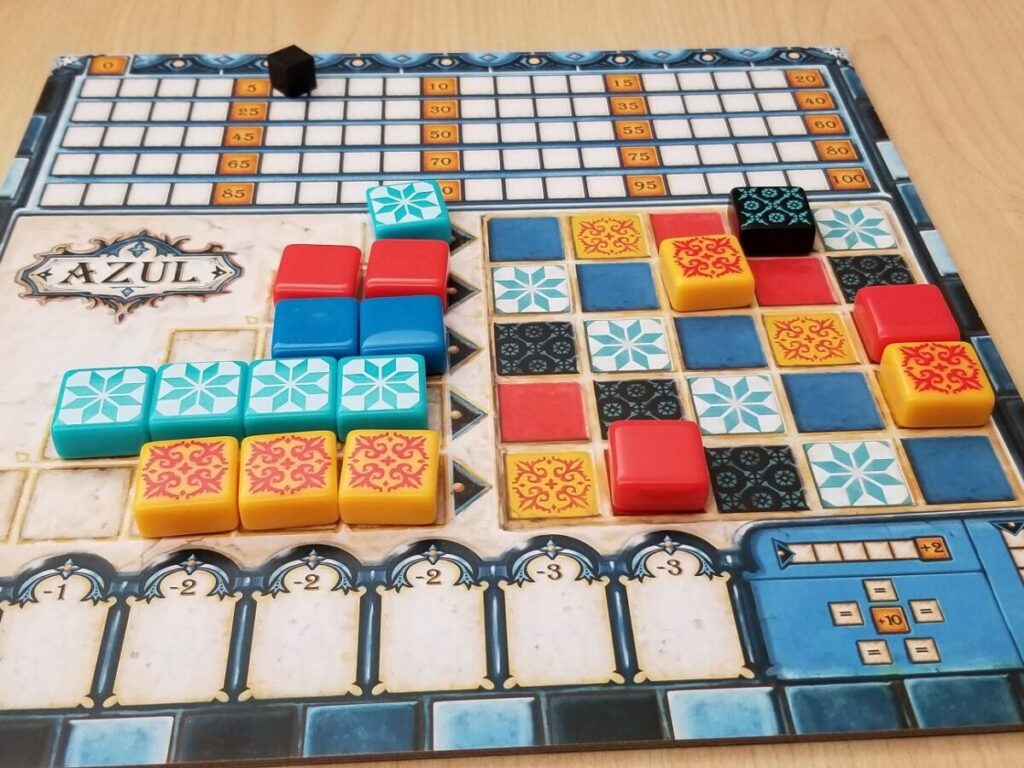
Azul is abstract strategy in a compact box. Players draft colored tiles from a shared market and score them by completing pattern rows on individual boards. Simple to teach, plays in under an hour with two to four players, and the entire depth comes from reading what your opponents need and denying it. New players can enjoy a first game without fully understanding the scoring system. Once your group has played it a dozen times, the Stained Glass of Sintra expansion adds a new board structure worth exploring. Best for groups that include someone who visibly grumbles at rules explanations.
The Long-Session Strategy Board Games That Justify the Shelf Space
Some strategy board games are events. These require a dedicated table, full evenings, and the right group. For the players who want them, nothing else scratches the same itch.
Twilight Imperium (4th Edition)
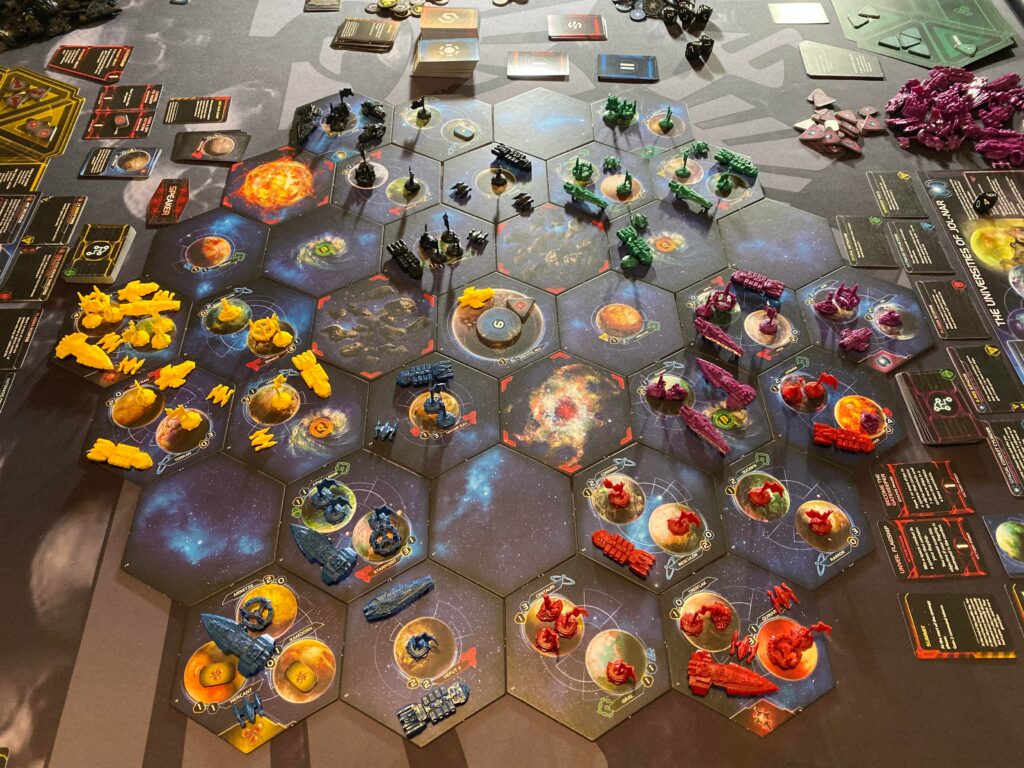
Twilight Imperium is an eight-hour space opera that plays like a grand strategy game crossed with a negotiation game. Up to eight players control asymmetric alien factions vying for galactic control, earning victory points through political action cards and publicly contested objectives. The strategy card system creates shared mechanics the table negotiates over every round, meaning the game is as much about reading people as it is about military positioning. People remember single plays of this game years later. Players drawn to the scope and political weight of large-scale strategy will recognize familiar DNA in our grand strategy game guide. Best for groups of five or six who have played most other strategy games on this list and want something that genuinely takes all day.
Through the Ages
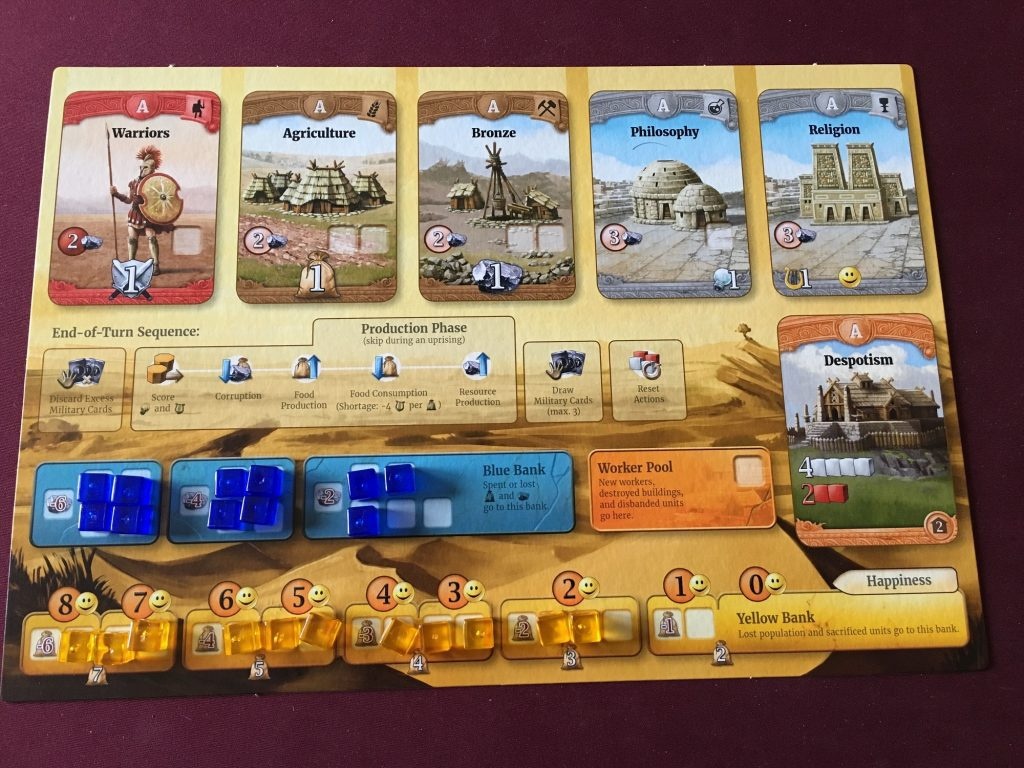
Through the Ages started as a Czech card game and was rebuilt from the ground up in a 2015 redesign by Czech Games Edition. It’s a civilization-building game played entirely through cards and tokens. No map, no territory, just the long-arc management of a civilization from antiquity through the modern era. You track military, economics, science, and culture while managing corruption and happiness, and the military system is passive but punishing: weak nations get taxed by strong ones every round. Best for strategy enthusiasts who want a game that plays well solo or at two players and scales cleanly to four without losing its character.
How to Pick the Right Strategy Board Game for Your Table
Player count is the most underrated filter in tabletop purchasing. Brass: Birmingham shines at two and four. Twilight Imperium needs five or six to reach its full political tension. Root plays more interestingly at four than at two. Before buying anything on this list, match the game to your actual group size, not your optimistic one.
Time commitment is the other check. If your game nights tend to run short or get interrupted, stick to the gateway-plus section above. If your group shows up consistently and plays for three or four hours, the heavy euros and shelf pieces have enough depth to carry dozens of sessions. For the digital side of the same genre, our real-time strategy guide covers the faster-paced half. The turn-based strategy guides on this site catalog digital games with rhythms similar to what’s on this list.
For more picks across the broader strategy genre, browse our full strategy game rankings.
The complete strategy guides section has deeper breakdowns by subgenre, platform, and experience level. All of it lives at Strategygame.org.