Good 2-player strategy games live or die on one thing, and it is not depth. It is how gracefully the game handles a skill gap. Put a veteran and a newcomer in the same match and most strategy games produce a twelve-minute execution followed by an awkward silence. The four below survive that test in different ways, and they are sorted here by how much of your evening each one wants.
Every pick is a genuine duel, meaning you and one other human on opposite sides. That distinction matters more than it sounds, and we come back to it at the end, because one of the most recommended two player strategy games in the genre is not actually a duel at all.
1. The Battle of Polytopia
Polytopia is the one to start with, and it is the one most likely to survive contact with a partner who does not play strategy games. A 1v1 match on a small map runs about fifteen minutes, the tech tree fits on one screen, and the whole thing plays fine on a phone. The Steam version goes on deep discount constantly, and there are mobile builds on both stores.

Skill gaps hurt less here because the map is small enough that luck in early scouting genuinely swings games, and because a loss costs you a coffee break rather than an hour. The async mode is the real weapon. You each take turns whenever you happen to pick up your phone, which means a rivalry can run for a week without either of you scheduling anything.
The limitation is ceiling. Once both players know the standard opening and which tribes are strong, matches start converging on the same shapes. It is a great first hundred games and a thin thousandth.
2. Wargroove 2
If you want the Advance Wars feeling with a modern multiplayer stack behind it, this is it. Chucklefish and Robotality shipped Wargroove 2 in October 2023, and it does something most tactics games still get wrong: it supports local hot-seat on one machine, asynchronous online play at whatever pace you like, and crossplay across PC, Switch, Xbox, iOS, and Android. Ranked Quickplay is 1v1.
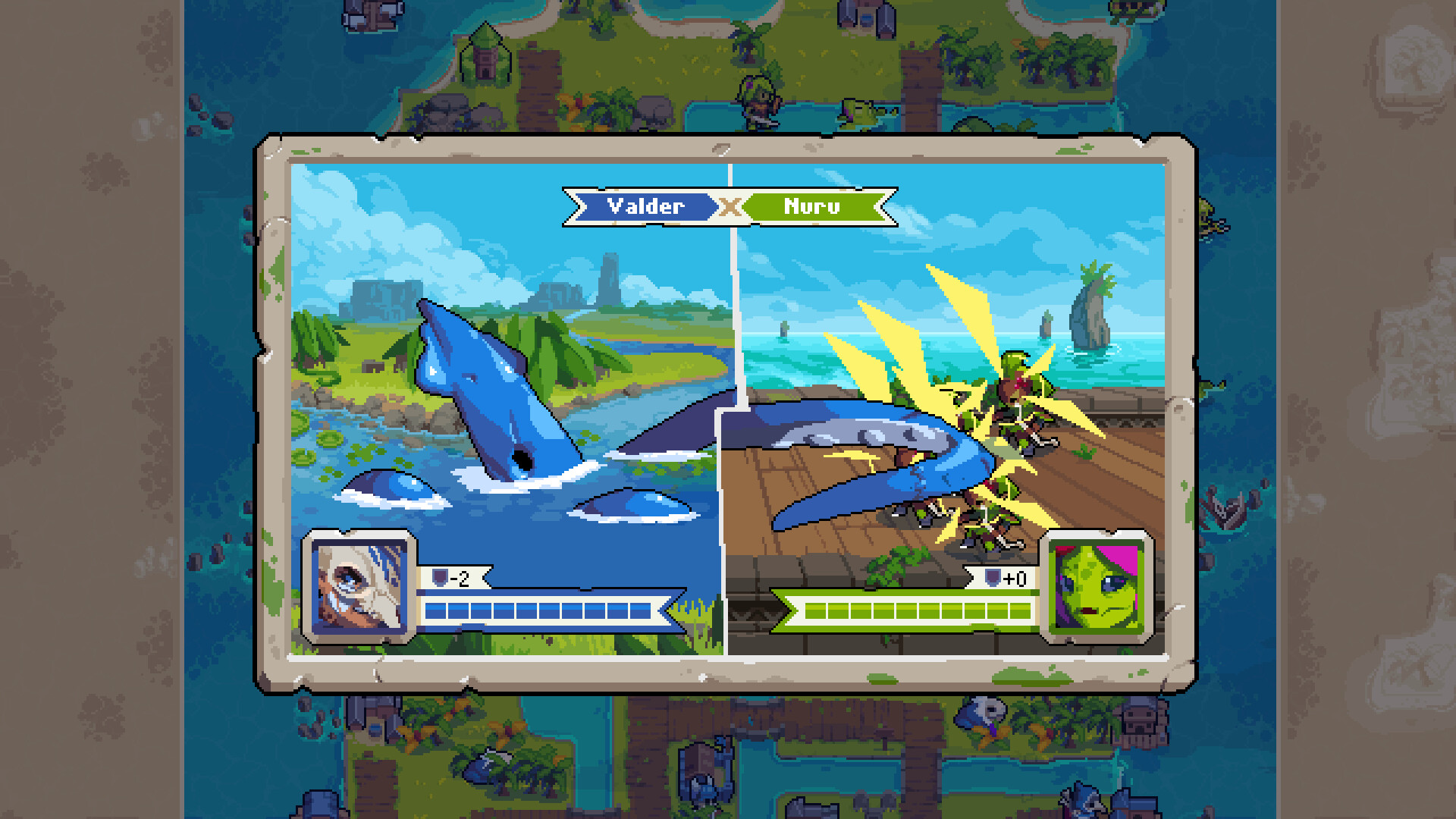
Tiered Grooves are what make it fair across skill levels. A weaker player who saves a Groove for the right moment can undo twenty minutes of careful positioning, which sounds unfair until you have been on the receiving end and realized you should have pushed the crit. The Steam listing discounts often, and it runs on almost anything.
The knock is match length. A full-size map against a careful opponent goes long, and the turn timer is generous enough that a slow partner can stretch a session past its welcome. Pick the smaller maps. It also plays beautifully in handheld, which is why it turns up in our Switch strategy picks.
3. StarCraft II
This is the purest head-to-head strategy games experience ever built, and it is free. The 1v1 ladder costs nothing, matchmaking still fills, and sixteen years of balance work means almost nothing in the game is accidental. If you want to find out who is actually better, you play this.
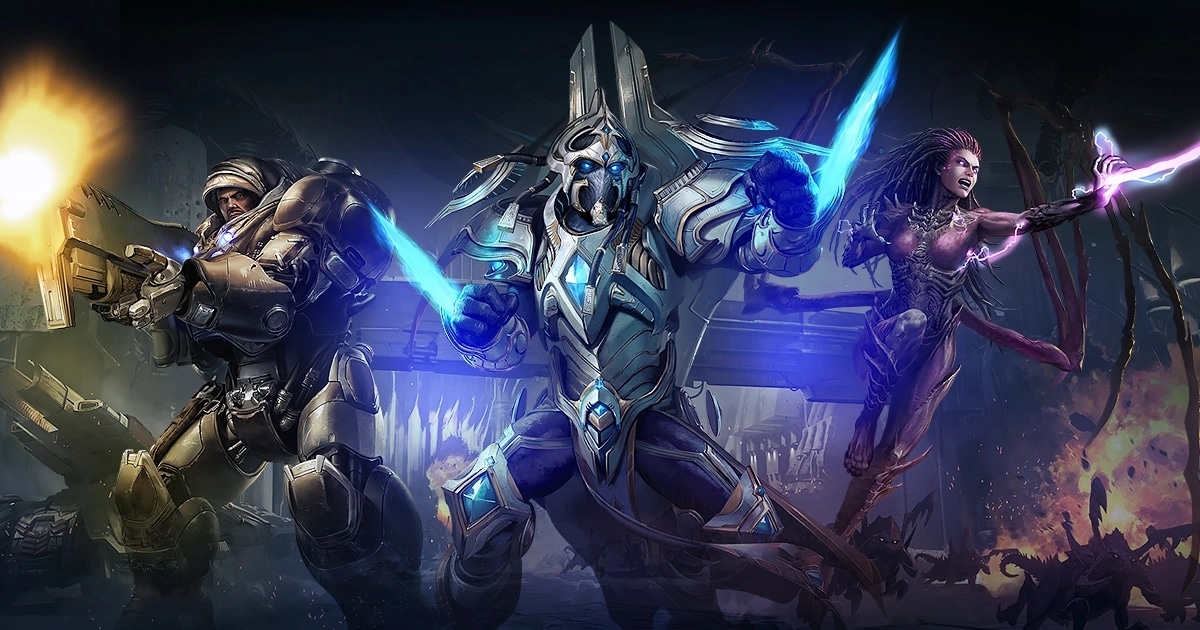
It is also the worst possible choice for two friends of different skill levels, and there is no polite way around that. StarCraft II punishes mechanical speed before it rewards good ideas, so a player with three hundred hours will beat a player with thirty every single time, in about eight minutes, without needing a plan. The ladder solves this by matching strangers of similar rank. It does nothing for you and your roommate.
The workaround that actually functions is a custom game with a handicap, or agreeing on a unit restriction that blunts the stronger player. Both feel artificial. Both beat quitting.
4. BattleTech
Harebrained Schemes built its skirmish mode around lance versus lance, which means you each bring four mechs you configured yourself and then spend an hour resolving what happens. It is the slowest entry here by a wide margin and the most satisfying when it lands, because the interesting decisions happen in the mech bay before the match starts.
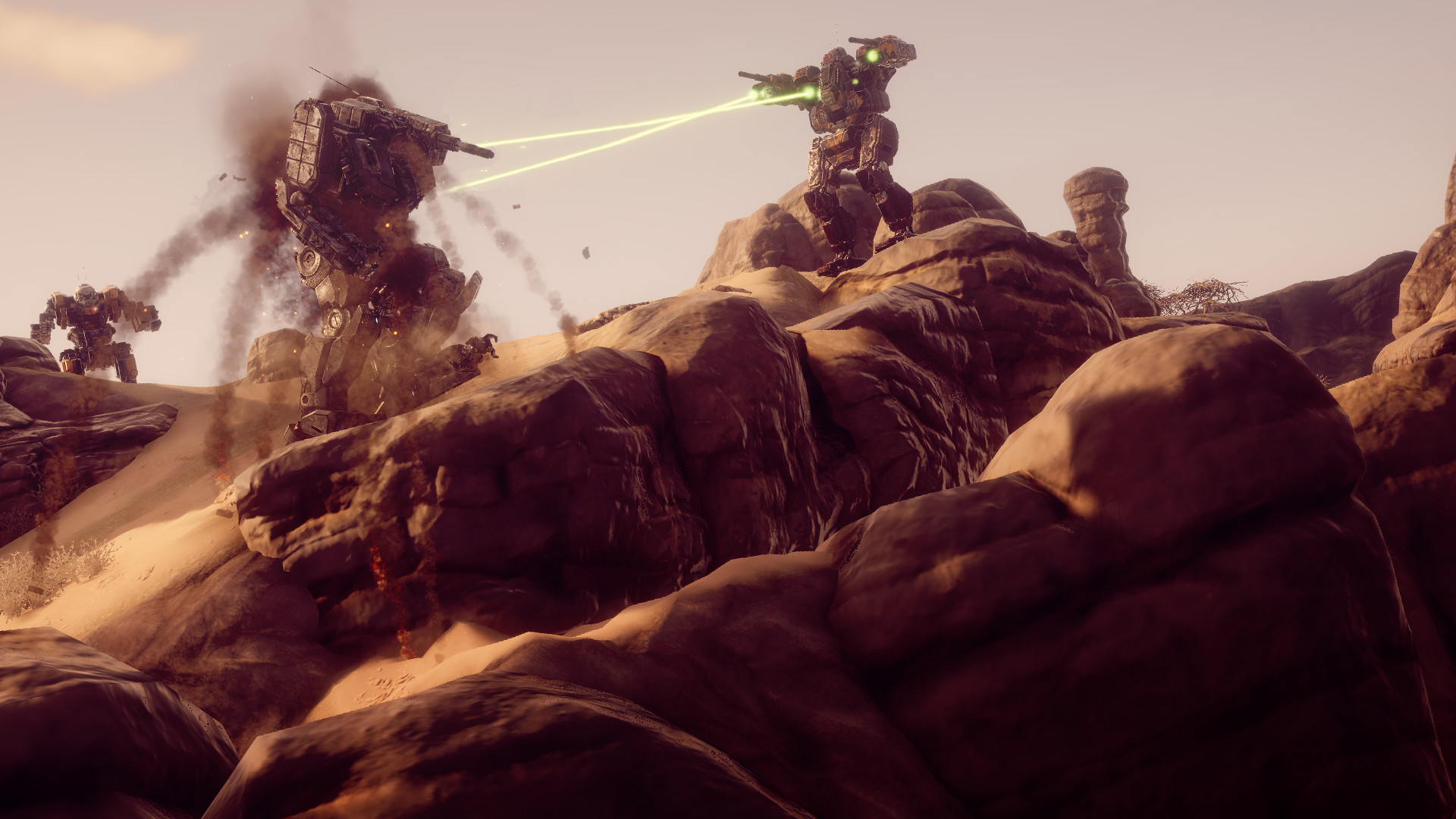
Skill gaps matter less than loadout knowledge, which is a different and more teachable thing. A newcomer given a solid prebuilt lance can absolutely take a game off someone who has played more, because initiative order and called shots swing hard.
Be realistic about the population, though. The public multiplayer scene has been quiet for years, so treat this as a game you arrange with a specific friend rather than one you queue into. If the mech part is the appeal, our turn-based mech roundup covers the neighbors.
A Word on Archon Mode, Which Is Not a Duel
StarCraft II’s Archon Mode gets recommended in these lists constantly, and it does not belong. Archon Mode puts two players in shared control of a single base and army against another pair. It is co-op wearing a competitive coat, and it is genuinely excellent for exactly the problem this article is about, since a weaker player can take macro while a stronger one runs the fight.
Just know what you are picking. If the goal is two people cooperating, Archon Mode is one of the best answers in strategy gaming, and our group multiplayer picks go further down that road. If the goal is finding out who wins, it is the wrong mode entirely.
Picking by Skill Gap and Session Length
Wide skill gap and a short window: Polytopia, small map, every time. Similar skill and an evening free: Wargroove 2, because the Groove economy keeps close games close. Both of you already good and looking for a real answer: StarCraft II, and accept that the loser will want a rematch. One long session with a friend who enjoys spreadsheets: BattleTech.
If the appeal is the rivalry rather than the session, the async options here scale into something longer, which we cover in our look at rivalries that run for weeks.
More head-to-head coverage sits in our rankings archive, and Strategygame.org keeps the rest of the genre organized by how you actually want to play it.
Frequently Asked Questions
What is the best 2-player strategy game to start with?
The Battle of Polytopia. A 1v1 match on a small map takes about fifteen minutes, it runs on phones and desktops, and it forgives a skill gap better than anything else on this list. Move to Wargroove 2 once fifteen minutes stops feeling like enough.
Are any of these two player strategy games free?
StarCraft II is, and its 1v1 ladder is the free part. Polytopia and Wargroove 2 are paid but both discount heavily and often. BattleTech is a full-price release that also goes on sale regularly.
Is StarCraft II Archon Mode a 2-player mode?
Not in the head-to-head sense. Archon Mode has two players sharing control of one base and army against another pair, so it is cooperative rather than a duel. It is a great way to play with a friend of a different skill level, but it does not settle who is better.
Which 2-player strategy game works best across different devices?
Wargroove 2 has the widest reach, with crossplay between PC, Switch, Xbox, iOS, and Android. Polytopia also spans desktop and mobile. If one of you is on console and the other is on a phone, those two are the realistic options.
How do you keep a match fun when one player is much better?
Shorten it and add variance. Small maps, random starts, and asynchronous turns all reduce the advantage that raw practice gives. Failing that, agree on a handicap up front, or switch to a co-op format like Archon Mode where the skill difference becomes an asset instead of a problem.
