Here is the awkward truth about picking a turn-based mech game: the best one in the genre barely simulates a mech at all. Some of these games want you to track heat curves, armor facing, and how many tons of engine you can afford. One of them throws all of that out and gives you an eight-by-eight grid and perfect information. Both approaches work. They just want completely different things from your brain. The four below are ordered by how much the tonnage math actually decides fights, heaviest first.
What the Tonnage Math Buys You
In a heavy simulation, every weapon costs weight and generates heat, armor is allocated by limb, and a called shot to a leg can end a fight faster than raw damage. That creates a loadout puzzle you solve in the hangar before the mission starts. In a lighter design, the fight is decided entirely on the map by positioning and turn order. Neither is more tactical. One rewards preparation and the other rewards reading the board.
1. BattleTech
The deepest hangar in the genre. Harebrained Schemes shipped this in April 2018 and nothing since has matched its commitment to the numbers. Heat builds and forces shutdowns, armor is tracked per limb, evasion pips reward movement, and initiative order can be manipulated by reserving a slower mech until the enemy has committed.
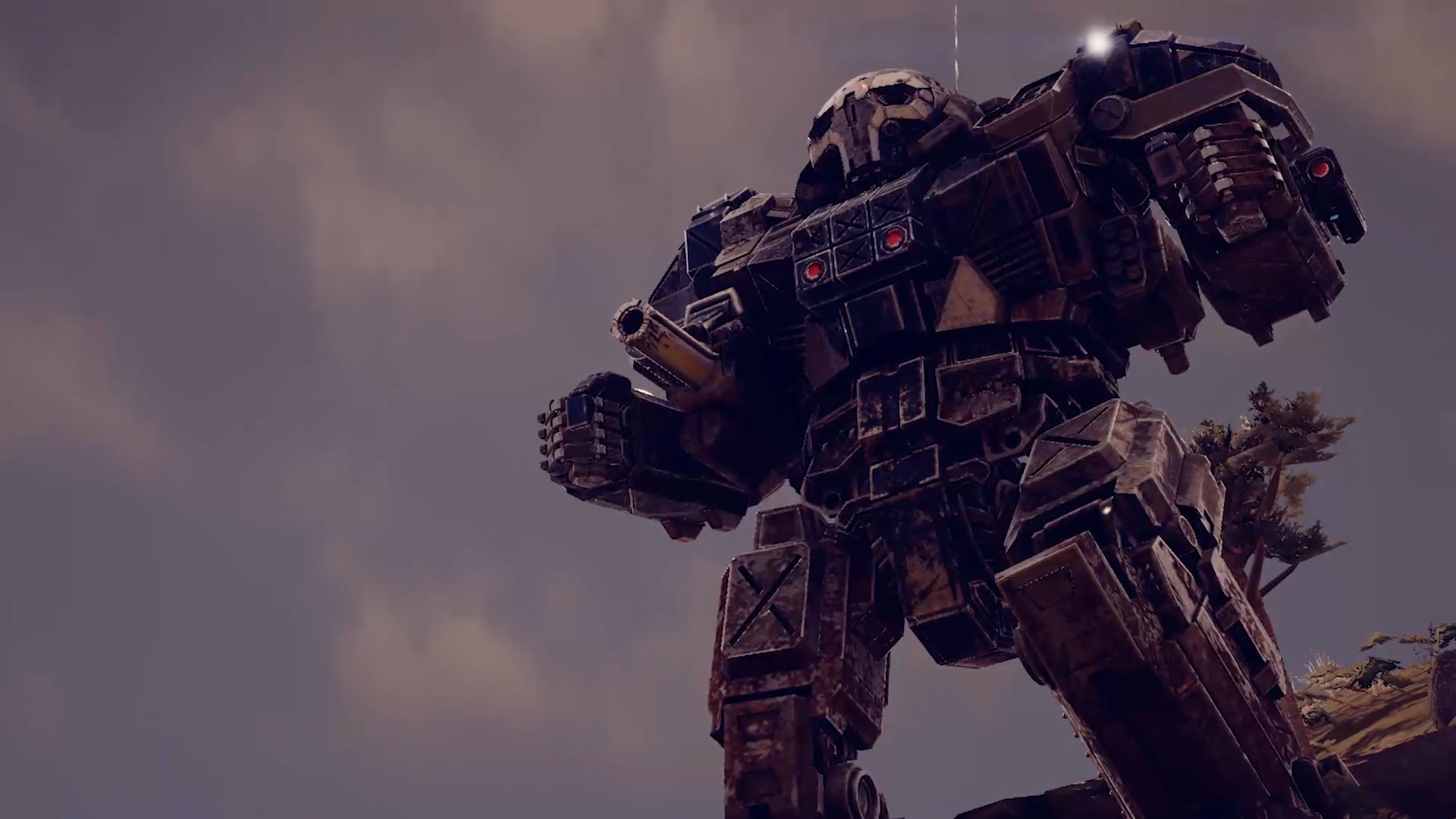
Called shots at a knocked-down target are the moment the system clicks. You stop shooting at the biggest number and start amputating. The fair criticism is pace. Missions run long, the mercenary campaign repeats its contract types well before the story ends, and the load times were never fully fixed. It also holds up on console, which is why it keeps turning up alongside the other XCOM-style tactics games worth owning.
2. Front Mission 2: Remake
Wanzers are built from parts, and the parts are the game. Body, arms, legs, and backpack each carry their own hit points, and losing an arm means losing whatever was mounted on it mid-battle. That single rule makes targeting decisions constant rather than occasional.

The remake is faithful to a fault. The original was a dense, slow, politically heavy 1997 sequel, and this version keeps the pacing problems along with the depth. Menus are clumsy, the difficulty spikes without warning, and the tutorial assumes you already know what a link system does. Go in expecting a preserved artifact rather than a modernization, in the same spirit as the older tactics libraries worth revisiting.
3. Phantom Brigade
The prediction timeline is the reason to play it. Each turn you scrub through a few seconds of forecast future, watch where enemy fire is going to land, and plan a dodge, a step behind cover, or a counterpunch against it. Tonnage matters less here than timing does.

Fully destructible maps mean cover is temporary and buildings can be dropped on people, which keeps the timeline honest. The 2.0 rework tightened the campaign considerably. Where it still sags is structure, because retaking province after province starts to blur once you have a competent squad. User reviews sit around eighty percent positive, and that feels about right. Grab it on Steam when the campaign fatigue will not bother you.
4. Into the Breach
No tonnage, no heat, no hangar, and it is still the best game here. Subset Games stripped mech combat down to an eight-by-eight grid where you can see exactly what every enemy will do next turn. There is no randomness to blame. Every loss is a decision you made.
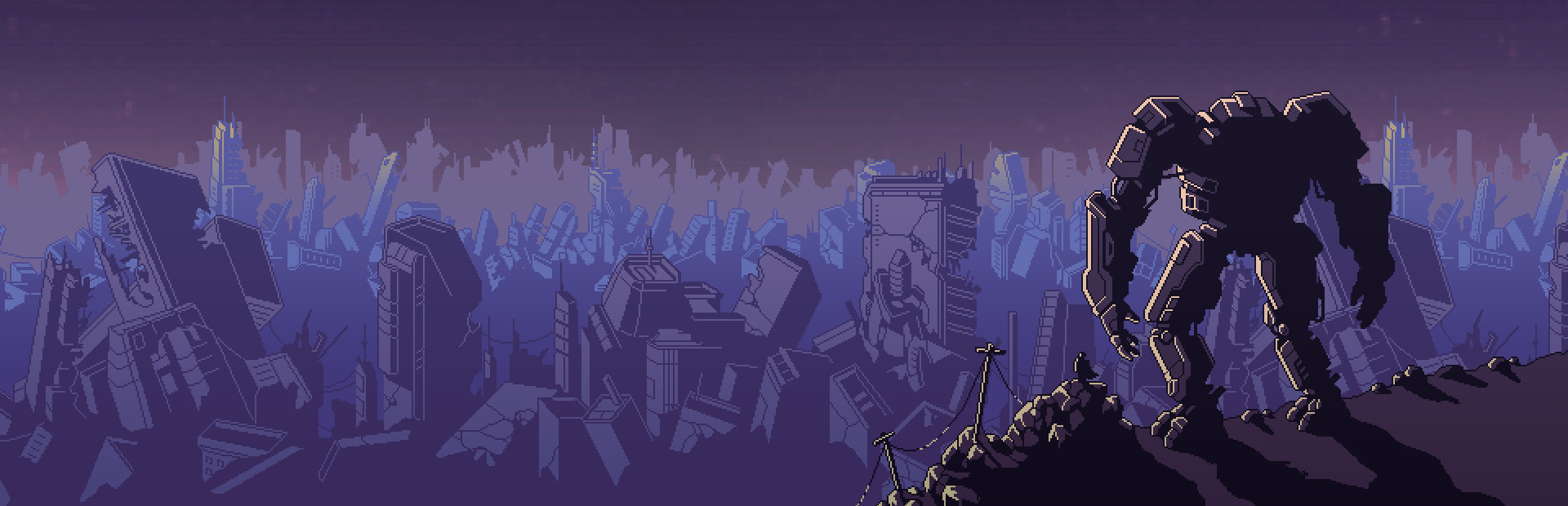
Pushing an enemy into another enemy so they hit each other is the core verb, and it turns every board into a small puzzle with a clean solution you have to find in about ninety seconds. The free Advanced Edition update added squads and pilots and made an already tight game bigger. The honest caveat for mech fans: this is chess with robot skins, not a simulation. It also runs perfectly in handheld form, which earns it a permanent spot among portable strategy picks, and the desktop version is frequently cheap.
Worth Knowing About
Front Mission 1st: Remake covers the same wanzer systems with a slightly gentler on-ramp, and it is the better starting point if the sequel’s pacing scares you off. BattleTech’s mod scene is also worth the detour, since large overhauls rebuild the mech roster and rewrite the mercenary layer into something considerably less repetitive than the base campaign. Both are cheap ways to extend the genre once you have finished the four above.
Which One Should You Start With
Want the hangar and the spreadsheet: BattleTech. Want part-by-part destruction and a preserved classic: Front Mission 2: Remake. Want something no other game does: Phantom Brigade. Want the tightest tactical design of the four and do not care about simulation: Into the Breach, and start there if you are new to the genre.
One warning. Do not start with BattleTech on a laptop with a slow drive, because the load times will sour a genuinely great game before you reach the good part. The rest of our turn-based coverage goes wider than mechs, and the full strategy shelf sits at Strategygame.org.
Frequently Asked Questions
What is the best turn-based mech game to start with?
Into the Breach, because it teaches tactical thinking without asking you to learn a loadout system first. Every enemy telegraphs its next move, so losses are always readable mistakes rather than bad luck. Move to BattleTech once you want the hangar management layer.
Which mech game has the deepest customization?
BattleTech, by a clear margin. Weapons cost tonnage and generate heat, armor is allocated limb by limb, and a well-built lance can beat a heavier one that was thrown together. Front Mission 2: Remake is the closest competitor with its part-by-part wanzer building.
Are any of these turn-based mech games free?
None of the four are free, but they go on sale constantly and Into the Breach in particular is regularly discounted to a few dollars. Into the Breach has also been available at no extra cost through a Netflix Games subscription on mobile. There is no free-to-play entry in this genre worth recommending.
What makes Phantom Brigade different from other mech tactics games?
The timeline. Instead of taking a turn and hoping, you scrub through a short forecast of the next few seconds, see where enemy fire will land, and plan movement against it. Combined with fully destructible terrain, it produces fights that feel closer to choreography than to a chess match.
Is Into the Breach really a mech game?
Technically yes, thematically barely. You control three mechs against alien bugs, but there is no heat, no tonnage, and no armor allocation. Anyone who came for a simulation of giant machines should play BattleTech or Front Mission instead, and treat Into the Breach as an outstanding tactics puzzle that happens to use robots.
