
Quick Rundown
Most kids’ strategy games patronize the kids and bore the adults. They put “strategy” on the box, remove most of the actual decision-making, and call it done. The best strategy games for kids don’t work that way. They give younger players real choices with traceable consequences, wrapped in a theme that keeps attention from drifting. A few of the picks on this list are strong enough that the adults stop pretending to have fun and start actually having it.
This list is age-banded because the gap between a six-year-old and a twelve-year-old is wide enough to matter. What works for one bracket is either patronizing or overwhelming for the other. Each game gets a note on what it actually teaches — not in an edutainment way, but in a “here is the cognitive skill this game practices” way.
Ages 5-8: Where It Starts
Outfoxed! (Ages 5+)
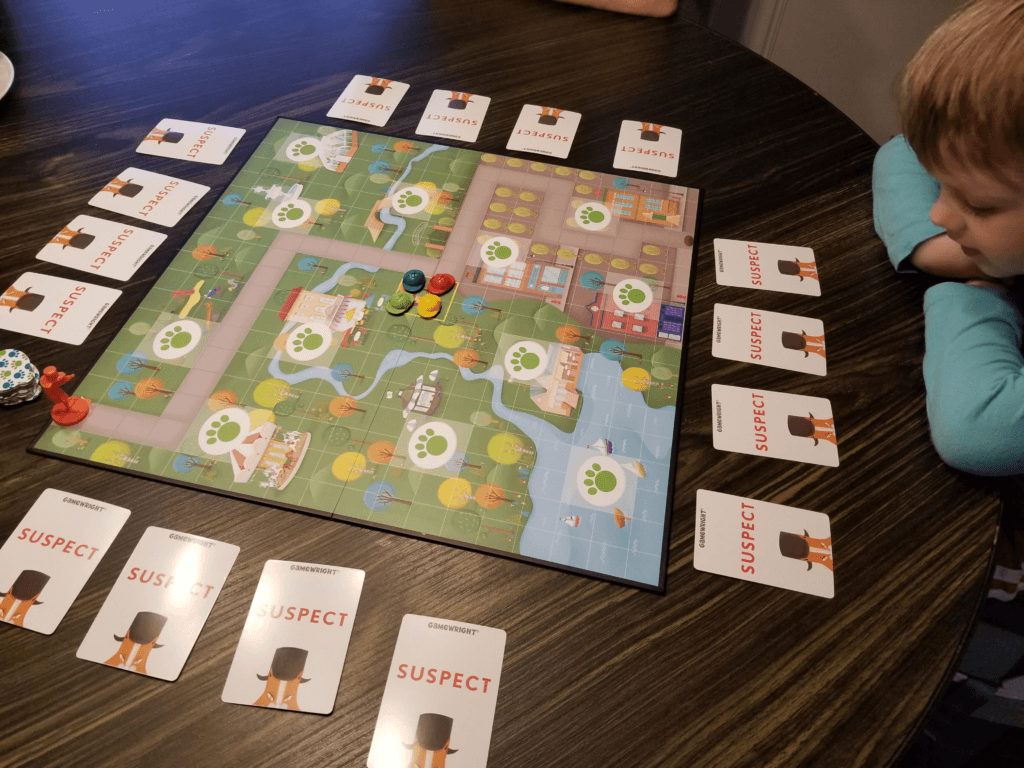
Outfoxed! is a cooperative deduction game by Gamewright. Players work together to catch a fox thief before it escapes the board. Each turn, the group rolls custom dice and uses a clue-revealing device to eliminate suspects one by one.
The core skill is logical elimination. Kids learn to use available evidence rather than guessing randomly, and the cooperative structure means no one gets steamrolled by an older sibling who reads the board faster. Games run twenty minutes. That is the right length for five-year-olds. It is widely available and typically runs under $25.
Catan Junior (Ages 6+)
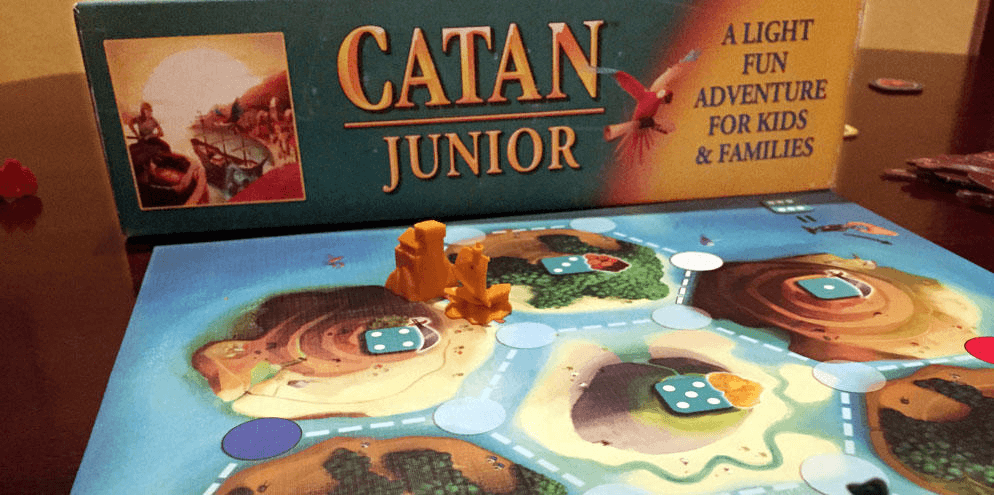
Catan Junior keeps the resource-collection and trading loop from the original Catan, simplified to two resources, a smaller board, and a pirate ghost instead of the robber. The central decision, spend now on a ship or save for a lair, is real and repeating. That is resource management with actual stakes.
Kids who play Catan Junior regularly graduate to the full version naturally, without needing a separate tutorial session. The game plays 2-4 and runs about thirty minutes. It’s the most reliable first step-up board game for the 6-8 age range.
Ages 8-12: Adding Complexity
Forbidden Island (Ages 10+)
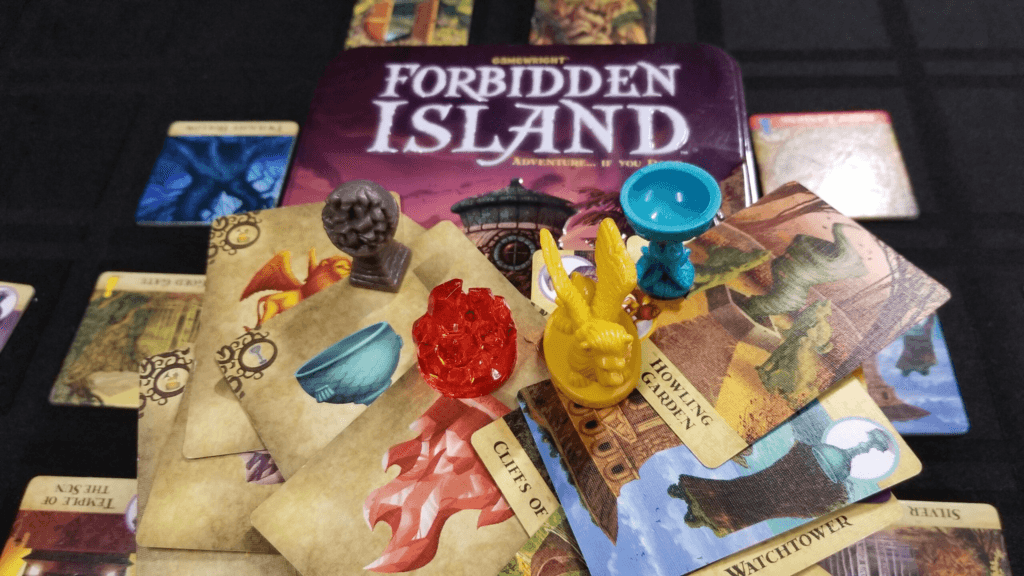
Forbidden Island is cooperative and timed in the most relentless way possible: the island floods as you play. Tiles flip to a flooded side and eventually vanish from the board. Players collect four artifacts and escape before they run out of island to stand on.
Matt Leacock designed it, and the pacing is exact. The game teaches priority under pressure: you can’t do everything, the order matters, and when players act selfishly or burn actions out of panic, the team loses. Communication and role coordination are the actual mechanics even if adventure is the theme. Groups that beat it on hard mode are ready for Pandemic. For more cooperative picks at this depth, the co-op strategy board game rankings cover the full range.
Polytopia (Ages 10+)
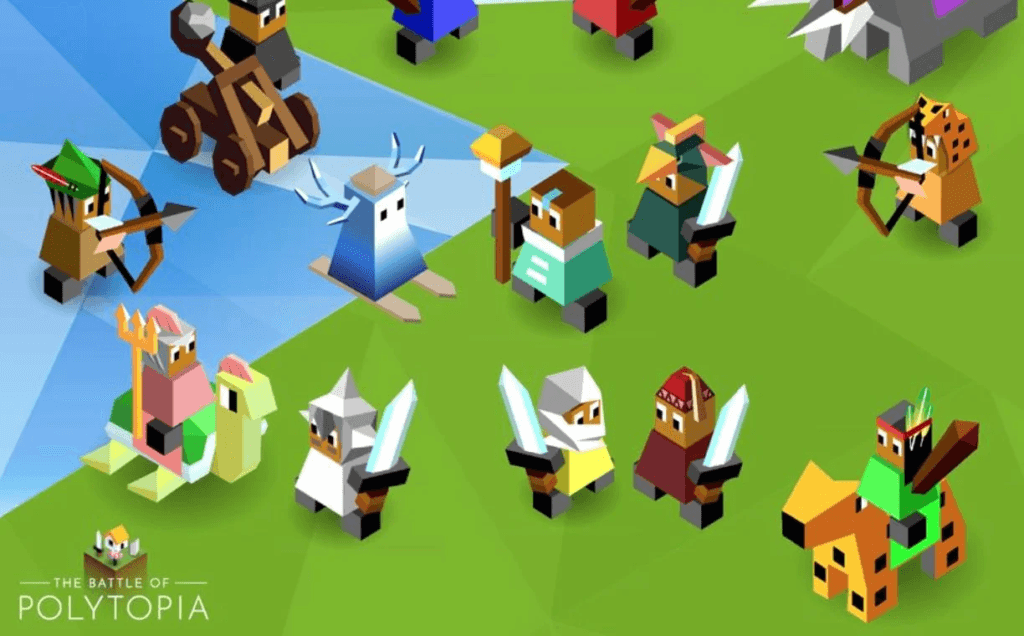
Polytopia is a 4X strategy game for mobile and PC that strips the genre to its core: explore, expand, research, fight. A complete game runs in under an hour. The turn-based structure means players think before committing, which is the right pace for introducing the genre to a younger audience.
The free version includes two tribes and enough content for dozens of hours of play. Paid tribes add additional factions over time. Polytopia teaches expansion economics, technology sequencing, and positional military thinking in a package a ten-year-old can learn solo. That is a dense skill set in a pixel-art wrapper that does not feel like homework.
Mini Metro (Ages 10+)

Mini Metro is a transit network puzzle that runs in short sessions. Stations appear on a timer you do not control. Lines, tunnels, and carriages are limited. The city grows faster than your infrastructure, and you redesign under pressure until something fails.
The skill being trained is systems thinking: seeing a network, identifying its failure points, and reorganizing before it collapses. It’s one of the few games on this list where a focused ten-year-old will develop a genuine edge over an adult who is not paying attention. Available on PC, mobile, and Switch at a low price.
Matching the Game to the Player
Age ranges on this list aren’t decorative. A twelve-year-old will be done with Catan Junior after a few games. A five-year-old will get nothing from Polytopia. The tiers exist for a reason.
For kids ready to move into harder territory, abstract strategy games offer logic-heavy challenge with almost no theme overhead. The tabletop strategy game rankings go broader across the full hobby spectrum when you’re ready to explore more.
Strategygame.org covers strategy games across every format and age range. For the full list of what is worth owning right now, strategy board games worth your shelf in 2026 is the next logical read. Browse the rankings section for every tier from gateway to expert.
