An action turn-based RPG asks you to keep your hands working after you have already picked a move. You choose from a menu like always, then the game wants a button press on the right frame to land extra damage, or a parry that erases an attack which would otherwise have taken half your party with it.
That combination has quietly become the most interesting thing happening in turn-based combat. It fixes the genre’s oldest complaint, which is that fights run on autopilot once your build is good. Below are five games that get the blend right, plus the older titles that invented the idea. If you want the wider view first, our broader turn-based RPG ranking covers the subgenre without the reflex requirement.
What an Action Turn-Based RPG Actually Asks of You
Two things change when reflex inputs enter turn-based combat.
The first is defense. In a traditional system, incoming damage is arithmetic and your armor stat decides how much of it lands. Add a parry window and defense becomes a skill check you either pass or fail. A level deficit stops mattering if you never get hit, which is why these games can throw bosses at you that your party has no business surviving.
The second is attention. Offense timing is usually a modest bonus, maybe 20 to 30 percent more damage, but it keeps you watching animations instead of the menu. That is the real design win. The cost is accessibility, because a fight tuned around frame-perfect blocks locks out anyone who cannot hit them. If the underlying structure is new to you, our primer on how turn order actually works is the shorter read.
1. Clair Obscur: Expedition 33
This is the game that made everyone care about the format again. Sandfall Interactive built a Belle Epoque fantasy around combat where you can parry or dodge nearly every incoming attack, and a clean parry chain ends in a free counter that often outdamages your actual turn. Offense has its own timed prompts, plus free-aim shots you take between turns.
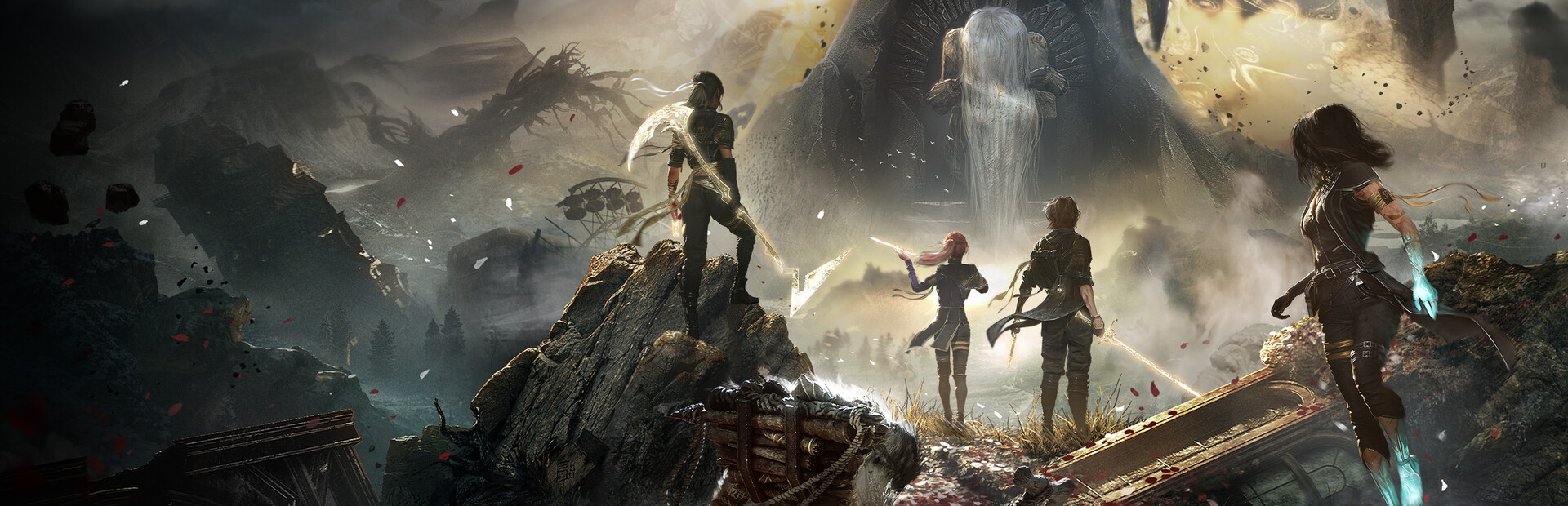
It works because the parry is not optional flavor. Late bosses will delete an unprepared party in two rounds, so learning animation tells becomes the real progression system, more than levels or gear.
The fair criticism is that some of those tells are inconsistent. A few bosses have attacks that look identical and land on different frames, so the fix is memorization rather than reading. Sandfall’s Steam listing still sits at 96 percent positive across roughly 100,000 reviews, which tells you most players made peace with it.
2. Sea of Stars
Sabotage went back to the Super Nintendo well and added timed hits to both attacks and blocks. The smarter layer is the lock system, where an enemy telegraphs a big spell behind a row of symbols and you break the cast by landing those exact damage types before the timer runs out. Every enemy turn becomes a small puzzle with a deadline.

Combat looks gentle and mostly is. Regular encounters rarely threaten a competent party, and the game leans on optional Relics when you want real pressure.
That softness is the honest knock. Coming from Expedition 33 hoping for the same tension, you will find a friendlier game instead. The Sunset Edition update in June 2026 was Sabotage’s final major pass on it and tightened several of the late chapters.
3. Like a Dragon: Infinite Wealth
RGG Studio’s second turn-based Yakuza game added the input layer the first one lacked. Perfect guard timing cuts incoming damage hard, and every attack now opens with a small movement radius, so you reposition to catch two enemies in one swing or to line a target up against a wall.

Positioning plus timing makes it the most tactical entry here. Bicycles, traffic cones, and a party member standing in the right spot all turn into damage.
It is also the slowest to open up. The job system needs a dozen hours before it does anything interesting, and the opening act is heavy on cutscenes. Sega’s Steam page for Infinite Wealth holds at 91 percent positive, and the complaints that land are about pacing rather than the fighting.
4. Undertale
Toby Fox got here a decade early. Every enemy turn hands you a small box and a heart to steer, and the incoming attack becomes a bullet-hell pattern you dodge in real time. Your own attacks run on a timed bar. You can also talk your way out of every fight in the game, which changes what the reflex layer is even for.
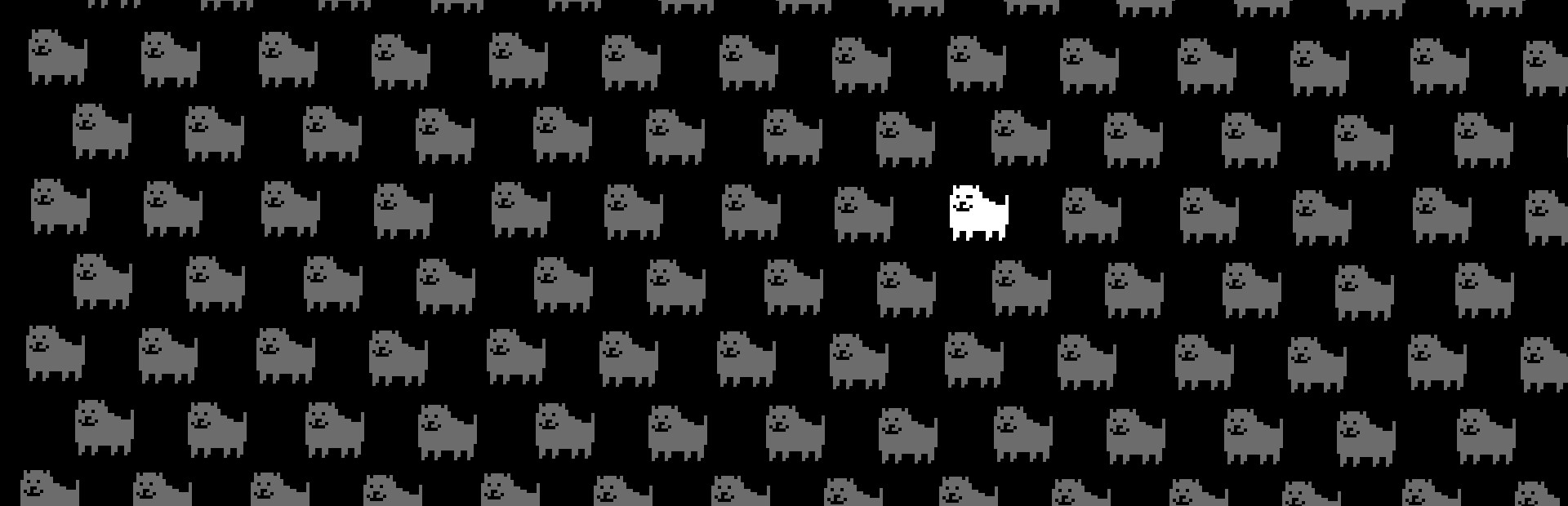
It stays the cleanest proof that action inputs and menus belong together, and the dodge patterns carry more personality than most games manage across an entire bestiary.
The knock is scope. It runs about six hours, and pacifist runs turn encounters into a knowledge test about the right verb rather than a tactical one. That is deliberate, though it does mean the combat system peaks early and then steps aside for the story.
5. Bug Fables: The Everlasting Sapling
Paper Mario stopped making Paper Mario games, so Moonsprout made one. Every attack and every block carries an action command, the three-bug party rotates so your front-liner decides who absorbs hits, and the badge system spends limited slots on effects that specifically reward good timing.
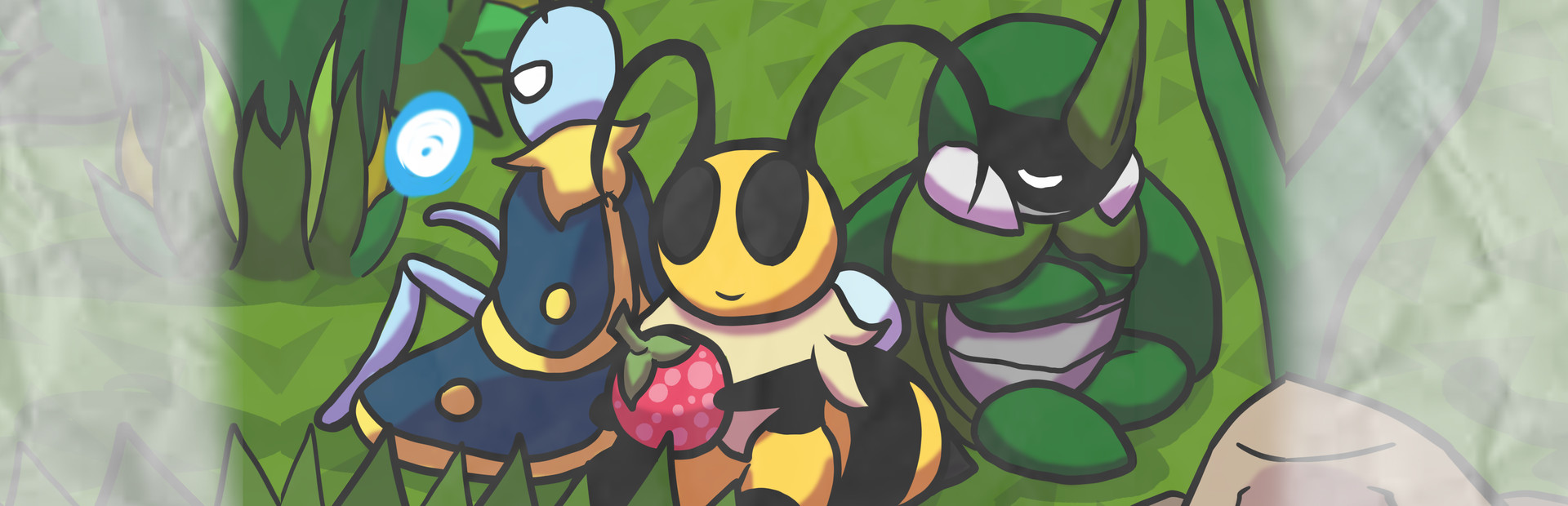
At 97 percent positive on Steam it is the best-reviewed game on this list, and it costs a fraction of the others.
The difficulty curve is the problem. Once you have a decent badge loadout the mid-game stops resisting, and the writing is earnest enough that a few conversations outstay their welcome. Turn on Hard Mode early. Switch owners chasing the same feel will find more of it in our Switch tactics shortlist.
Honorable Mentions
Super Mario RPG deserves the credit for making action commands standard, and the 1996 original is where the timed hit stopped being a novelty. Its 2023 Switch remake is the easiest way in now.
Paper Mario: The Thousand-Year Door returned on Switch in 2024 and still has the sharpest stage-and-audience gimmick anyone has built around timed inputs. The Legend of Dragoon assembled whole combo chains out of button presses and remains the clearest PlayStation-era ancestor of what Sandfall is doing now. Lost Odyssey’s ring system, where you draw a shrinking circle mid-swing, is the one players cite most often as Expedition 33’s direct inspiration. For the grid-based side of the genre, our tactics-first role-playing picks go there instead.
Which One Should You Start With
If you want the format at full strength and you can accept losing a few bosses to it, start with Expedition 33. If you want the mechanics without the punishment, Sea of Stars is the gentler door in and Bug Fables is the cheapest ticket. Infinite Wealth is the pick when positioning interests you more than parry frames.
Undertale is the outlier and the best use of a single evening on this list. More tactical role-playing guides sit in the same corner of the site. The rest of our turn-based coverage lives over on Strategygame.org.
Frequently Asked Questions
What is an action turn based RPG?
It is a turn-based RPG that layers real-time button inputs on top of menu commands. You still pick attacks from a list, but landing extra damage or blocking an incoming hit depends on pressing a button at the right moment. Clair Obscur: Expedition 33 is the clearest modern example.
Is a turn based action RPG different from an action RPG?
Yes, and the distinction matters when you are shopping. An action RPG runs entirely in real time with no turns at all. A turn based action RPG keeps the turn structure and only borrows timing inputs, so you still get time to think between moves.
Which turn based RPG with action elements is best for beginners?
Sea of Stars. Its timed hits are forgiving, a mistimed block still reduces damage instead of erasing the bonus, and nothing in the main path requires perfect input to clear. Bug Fables is the natural step up from there.
Can you play these on consoles?
Sea of Stars, Undertale, and Bug Fables run on Switch as well as PlayStation and Xbox. Clair Obscur: Expedition 33 and Like a Dragon: Infinite Wealth stick to PC, PlayStation, and Xbox.
Can you turn the timing requirements off?
Not entirely, but they can be eased. Expedition 33 includes accessibility settings that widen the dodge and parry windows, and Sea of Stars uses optional Relics to tune difficulty in both directions. Undertale has no assist toggle at all, and Bug Fables handles the same problem through your badge loadout.
