
Quick Rundown
What Makes Economic Simulation Games Worth Playing
Economic simulation games occupy a strange and satisfying corner of the strategy genre. They strip away the armies and the explosions and ask a deceptively simple question: can you build something that actually works? Not just survives, but thrives under pressure, competition, and the unpredictable logic of markets.
Unlike combat-driven strategy titles, these games reward patience, systems thinking, and the willingness to stare at spreadsheets until the numbers click. If you’ve ever felt a genuine rush watching your profit margins tick upward after restructuring a supply chain, this genre was built for you. This guide breaks down the economic simulation titles that deliver genuine depth, not just busywork dressed up as complexity.
Top Economic Simulation Games for Serious Strategists
Capitalism Lab
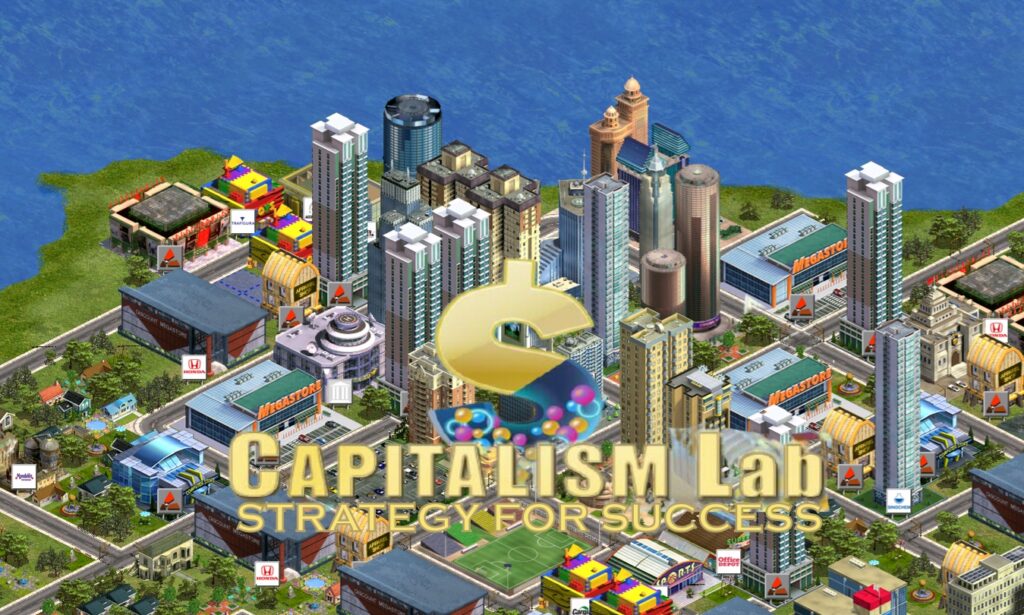
No list of economic simulation games is complete without Capitalism Lab. It’s the spiritual successor to Capitalism II, and it remains the deepest pure business sim available. You’ll manage manufacturing, retail, marketing, R&D, real estate, and financial markets simultaneously. The AI competitors are aggressive and the economic model is granular enough to punish sloppy decisions within a few fiscal quarters.
What sets it apart: the modular DLC system lets you layer complexity at your own pace. Start with basic retail, then add farming, city development, or even stock manipulation once you’re comfortable.
Offworld Trading Company
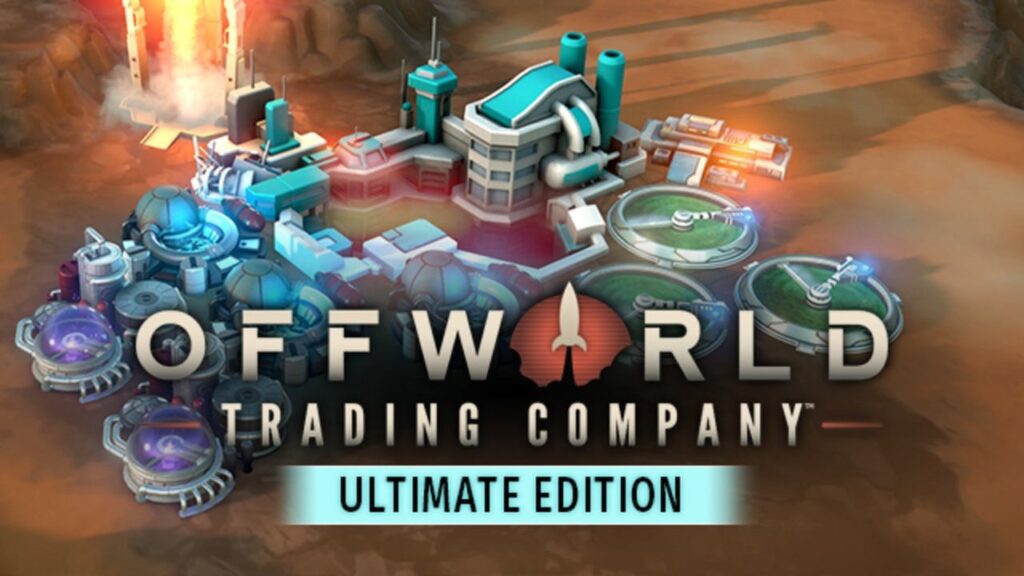
Offworld Trading Company takes the economic sim formula and condenses it into tense, competitive matches. Set on Mars, you’re founding a corporation and fighting rivals purely through market manipulation. There are no armies. Your weapons are debt, buyouts, patents, and resource monopolies.
Games last 20-40 minutes, which makes it perfect for players who want economic strategy without committing to 40-hour campaigns. The real-time market reacts to every player’s actions, creating emergent chaos that no two matches replicate.
Victoria 3
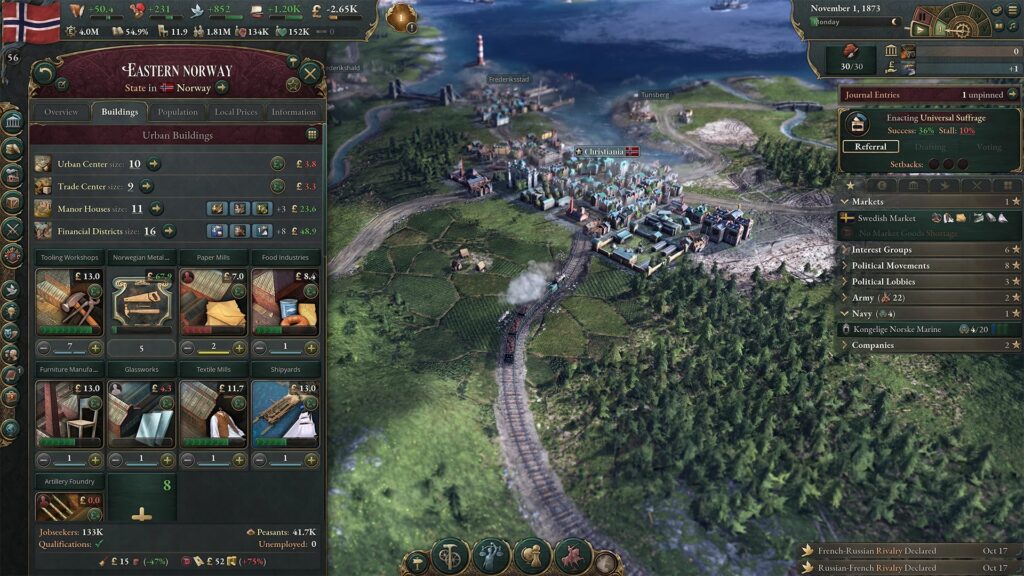
Paradox’s Victoria 3 is technically a grand strategy game, but its economic model is so central to gameplay that it belongs here. You’re managing an entire nation’s economy through the industrial revolution: trade routes, factory construction, labor laws, taxation policy, and international markets all interlock in ways that feel genuinely systemic.
The learning curve is steep, but players who enjoy grand strategy will find the economic layer far more developed than in previous Paradox titles. Every political decision carries economic consequences, and vice versa.
Transport Fever 2
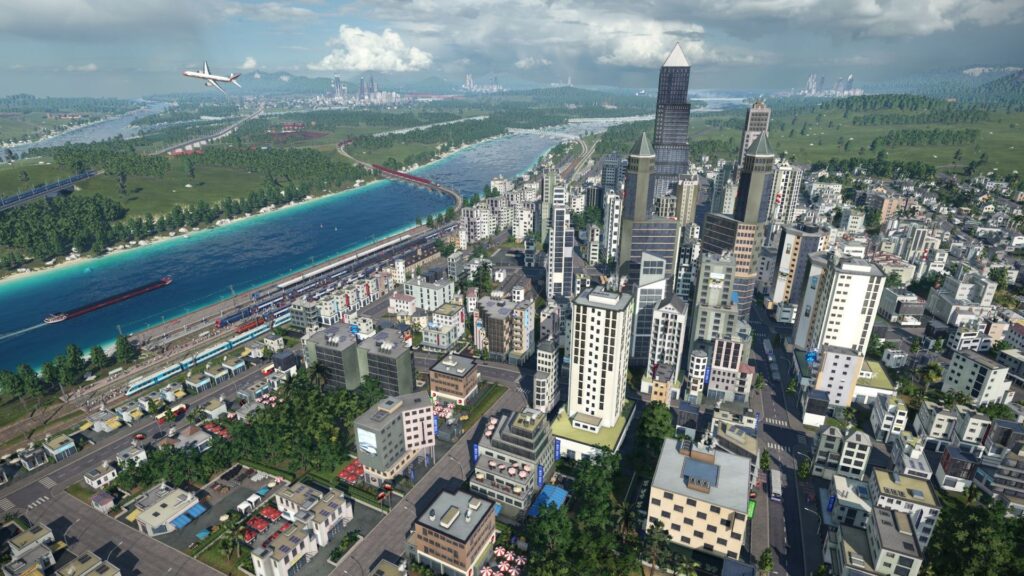
Where most economic sims focus on production and sales, Transport Fever 2 zeroes in on logistics. You’re building transportation networks across 150 years of history, connecting industries to cities and watching economic ecosystems develop organically around your infrastructure.
The satisfaction here comes from optimization. A well-designed rail network doesn’t just look good on the map; it generates cascading economic growth across connected regions. Poor planning creates bottlenecks that choke entire supply chains.
Workers & Resources: Soviet Republic
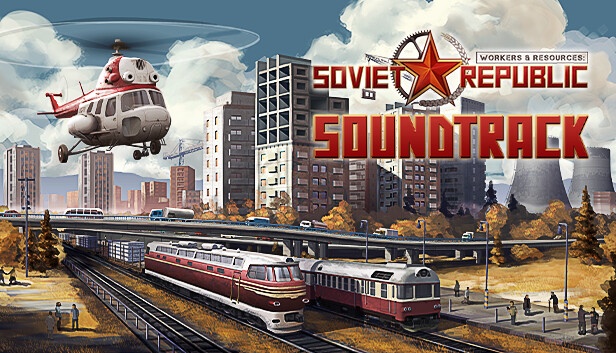
This one’s for the masochists. Workers & Resources puts you in charge of a Soviet-era planned economy, managing everything from raw resource extraction to citizen housing, education, and transportation. There’s no invisible hand here. Every supply chain must be manually designed and maintained.
It’s brutally complex and unforgiving, but nothing else in the genre replicates the feeling of watching a fully self-sufficient industrial city operate because you personally planned every road, pipeline, and factory placement.
How to Choose the Right Economic Sim for Your Style
Not every economic simulation game suits every player. Here’s how to narrow your options:
If you want competitive multiplayer: Offworld Trading Company delivers fast, cutthroat economic warfare against real opponents.
If you want maximum depth and realism: Capitalism Lab remains unmatched for pure business simulation fidelity.
If you want economy within a broader game: Victoria 3 wraps its economic systems inside diplomacy, politics, and warfare.
If you want logistics puzzles: Transport Fever 2 turns supply chain design into genuinely compelling gameplay.
If you want hardcore survival management: Workers & Resources demands total control and punishes every oversight.
Why Economic Sims Keep Players Engaged for Hundreds of Hours
The best titles in this genre share a common trait: emergent complexity. Individual systems are understandable, but their interactions produce outcomes nobody can fully predict. A pricing decision in one sector ripples through your entire operation. A competitor’s expansion forces you to rethink supply lines you considered settled.
This is what separates genuine strategy games from games that merely use strategy as window dressing. Economic simulations test whether you can hold a complete system in your head and make decisions that account for second and third-order effects.
The genre has also matured significantly. Modern titles offer better onboarding, cleaner UI, and more transparent feedback loops than the notoriously opaque sims of the early 2000s. If you bounced off the genre years ago, it’s worth revisiting.
Getting Started: Tips for New Players
Jumping into economic simulation games cold can feel overwhelming. A few principles will save you hours of frustration:
Start small. Most of these games let you begin with a single product line or a small territory. Resist the urge to expand before you understand your current operation’s cash flow.
Watch your margins, not your revenue. High turnover means nothing if your costs are eating profits. This applies in Capitalism Lab just as much as in real business.
Learn to read trends. Markets in these games cycle. Buying resources at peak prices and selling products during downturns is the fastest path to bankruptcy.
Don’t ignore competition. AI opponents in games like Capitalism Lab and Offworld Trading Company actively respond to your strategy. Passive play gets punished.
For more strategy coverage across every subgenre, our rankings break down the best titles by category and playstyle.
