Quick Rundown
Grand strategy games put you in charge of entire nations, dynasties, or civilizations and ask you to manage everything — war, diplomacy, trade, politics, religion, and succession. Unlike most strategy genres that focus on individual battles or single cities, grand strategy drops you into a sandbox where hundreds of moving parts interact at once. It’s overwhelming at first. It’s also one of the most rewarding experiences in gaming once you stop drowning and start swimming.
If you’ve heard names like Europa Universalis, Crusader Kings, or Hearts of Iron and wondered what all the fuss is about, this guide breaks down what grand strategy games actually are, how they differ from other strategy genres, and which ones won’t punish you too hard for being new.
What Are Grand Strategy Games?
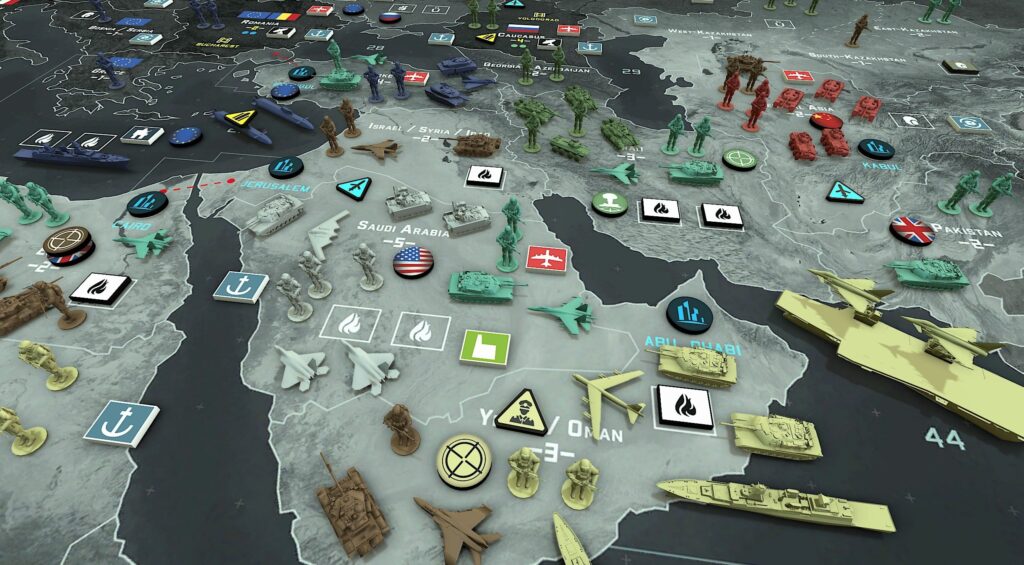
At their core, grand strategy games simulate the management of a political entity over a long time span. You’re not controlling a squad of soldiers or building one city. You’re running an empire, and empires are messy. You handle economics, military campaigns, diplomatic relations, internal stability, technological advancement, and often religious or cultural dynamics all at once.
Most grand strategy titles operate in real-time with a pausable clock rather than traditional turns. This means events unfold continuously, but you can freeze time whenever you need to read a situation, issue orders, or plan your next move. That pause button will become your best friend.
The genre is most closely associated with Paradox Interactive, the Swedish studio behind Europa Universalis, Crusader Kings, Hearts of Iron, and Victoria. Paradox didn’t invent grand strategy, but they’ve defined its modern shape so thoroughly that “Paradox game” and “grand strategy” are almost synonymous in most conversations.
Grand Strategy Games vs. Other Strategy Genres
New players often confuse grand strategy with 4X games or real-time strategy (RTS) titles. The boundaries do blur, but the differences matter.
4X games like Civilization and Stellaris follow a structured arc: explore, expand, exploit, exterminate. They have clear victory conditions, defined endpoints, and progression systems built around a technology tree. If you want to understand how 4X strategy games work, they share DNA with grand strategy but tend to be more guided.
RTS games focus on tactical combat at a much smaller scale. You gather resources, build bases, and fight battles in real time. An RTS cares about micro-management of individual units. Grand strategy cares about whether your entire eastern frontier can hold while you deal with a succession crisis at home.
Grand strategy games sit at the macro end of the spectrum. Victory conditions are often vague or self-defined. There’s no “You Win” screen in most Paradox titles. Instead, you set your own goals — unify a fractured kingdom, colonize the Americas before your rivals, survive as a minor nation surrounded by hostile empires. The experience is closer to a historical sandbox than a traditional game with a finish line.
Core Mechanics Every Beginner Should Know
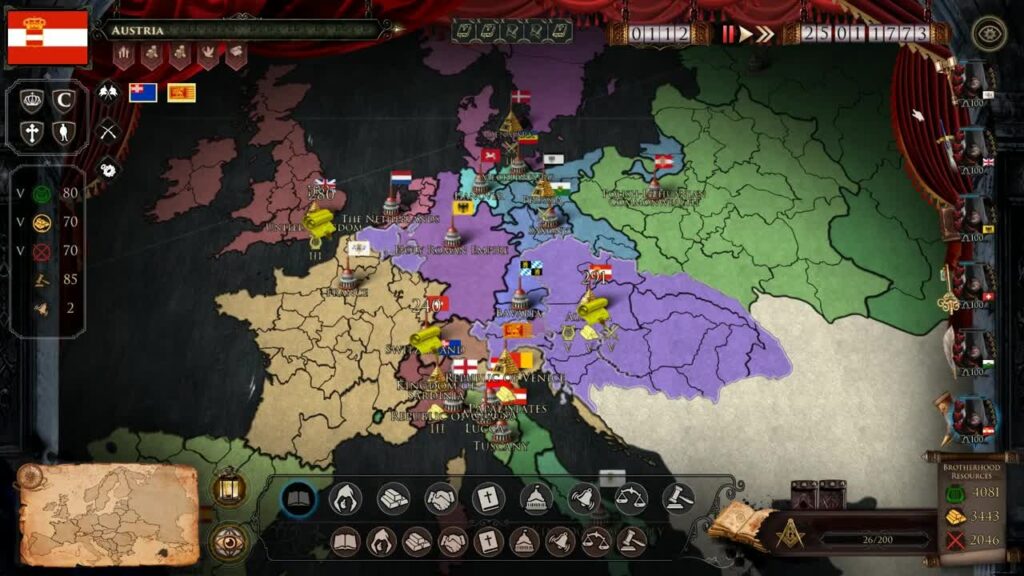
Grand strategy games share a handful of systems that show up in nearly every title. Getting familiar with these before you launch your first campaign saves a lot of confusion.
Diplomacy and Alliances
Diplomacy isn’t optional. Alliances protect you from stronger neighbors, trade agreements feed your economy, and royal marriages (in historical titles) secure political leverage. Ignoring diplomacy in a grand strategy game is like ignoring shields in a shooter — technically possible, practically suicidal. Pay attention to opinion modifiers, alliance networks, and who’s allied with whom before you declare any war.
Economy and Resource Management
Your treasury funds everything. Armies, buildings, research, and diplomacy. Most grand strategy games tie economic output to your provinces or territories, each with their own production values, tax rates, and trade connections. Expansion isn’t worth much if you can’t afford to maintain what you’ve taken. Learning to read and balance your economy early will carry you through campaigns where military force alone won’t.
Military and Warfare
War in grand strategy is less about clicking fast and more about preparation. Army composition, supply lines, terrain advantages, generals with strong traits, and timing your declarations around enemy weakness. Battles resolve based on stats, modifiers, and positioning rather than twitch reflexes. You’ll lose some wars. That’s fine. What matters is whether you lose wars you can recover from.
Internal Politics and Governance
Many grand strategy games simulate internal power dynamics. In Crusader Kings III, your own vassals can conspire against you. In Victoria 3, political interest groups push for reforms that might destabilize your government. Managing internal stability is often harder than any external war because the threats come from inside your own borders.
The Best Grand Strategy Games for Beginners
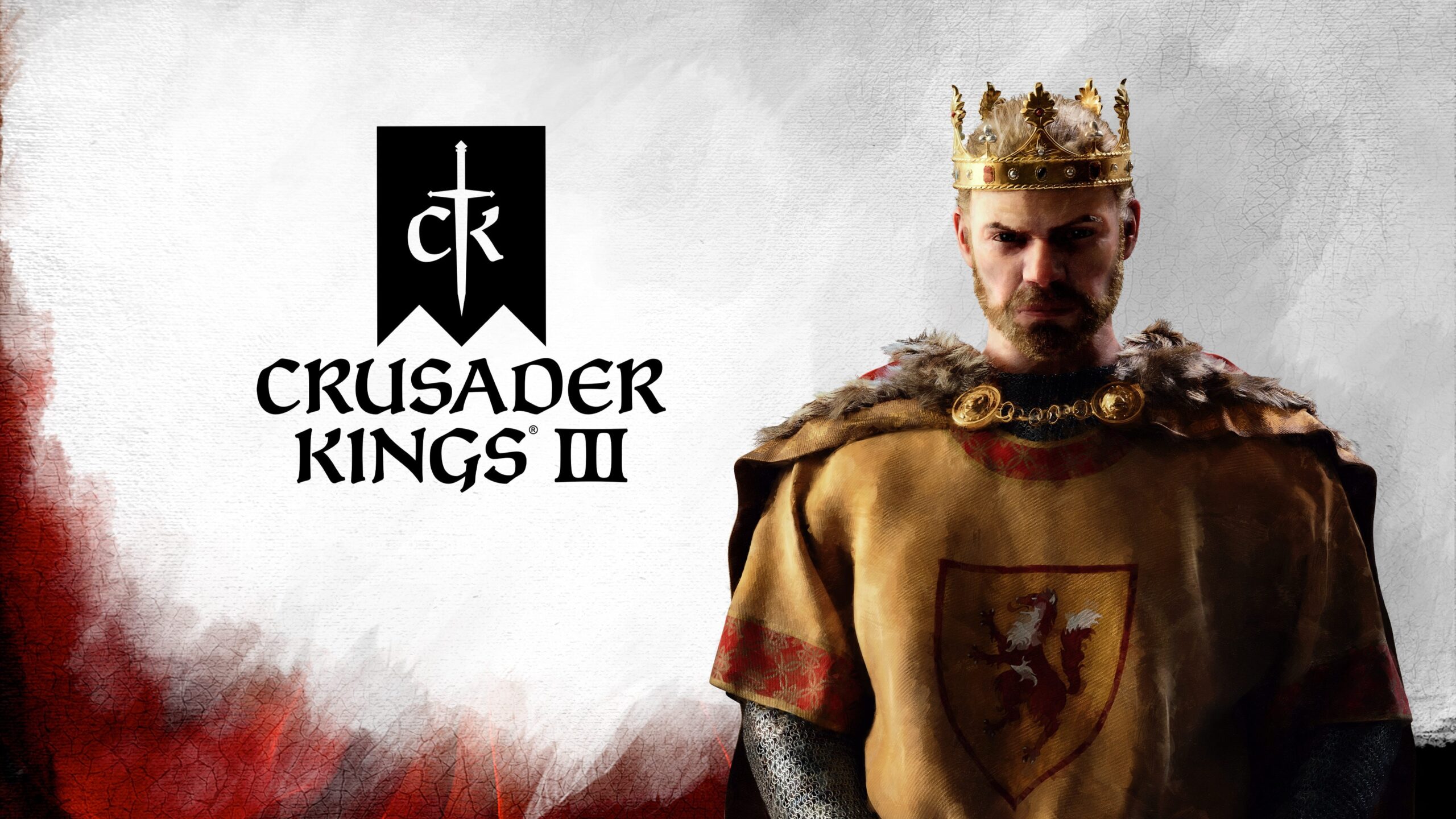
Not every grand strategy title is equally welcoming. Some are notorious for their learning curves. Here are three strong starting points.
Crusader Kings III is the most accessible Paradox grand strategy game released to date. The interface is clean, the tutorial actually teaches you things, and the character-driven gameplay gives you immediate personal stakes. You’re not just managing a kingdom — you’re managing a family, and that family has ambitions, rivalries, and spectacularly bad decisions waiting to happen. It’s available on Steam and regularly goes on sale.
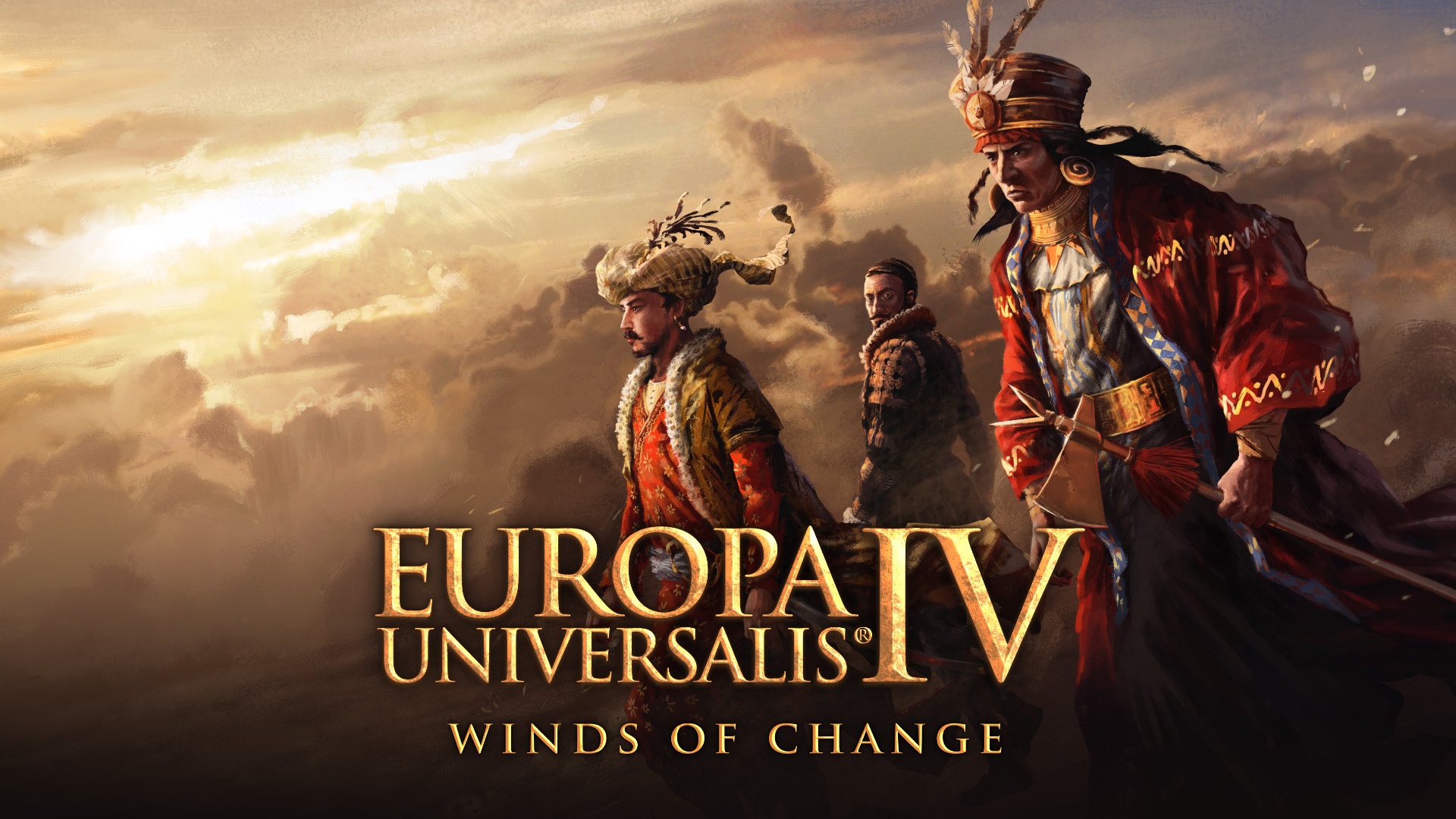
Europa Universalis IV is the genre’s flagship. It covers 1444 to 1821 and lets you play as any nation on the map. The learning curve is steeper than CK3, but the depth of its economic, military, and colonial systems is unmatched. If you want the “full grand strategy experience,” EU4 is where most veterans point you. Expect to spend your first few campaigns learning what not to do, and that’s part of the process.
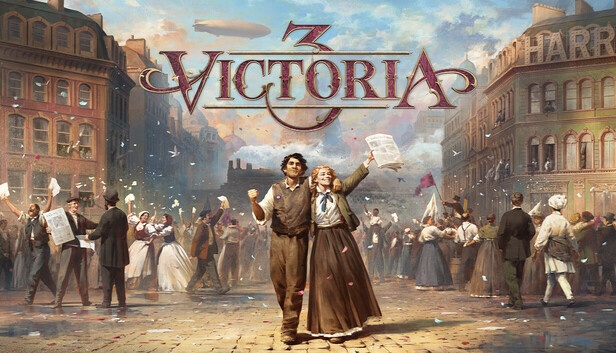
Victoria 3 takes a different angle. It focuses on economics, industrialization, and social politics during the 1836–1936 period. Warfare takes a back seat to managing your population’s needs, passing laws, and building an industrial base. If the idea of managing supply chains and political movements sounds more interesting than conquering territory, Victoria 3 might be your entry point.
For a broader view of strategy titles across subgenres, the game reviews section covers individual titles in depth, and the latest strategy gaming news tracks updates and new releases worth watching.
Tips for Your First Grand Strategy Campaign
Your first campaign will go badly. Accept that early, and you’ll have a much better time.
Start small. Pick a powerful, stable nation for your first run. In CK3, play as an Irish count in 1066 — the island is isolated enough that you won’t be invaded immediately. In EU4, pick the Ottomans or Castile. Strong starts give you room to make mistakes without instant consequences.
Use the speed controls. Grand strategy games let you adjust the clock speed. Play on slower speeds during wars and crises. Speed up during peacetime when you’re waiting for construction or research to finish. There’s no shame in pausing constantly — experienced players do it too.
Read tooltips obsessively. Paradox games pack enormous amounts of information into tooltips. Hovering over almost any number or modifier tells you exactly where it comes from and what affects it. When something goes wrong, the tooltip usually explains why.
Don’t try to understand everything at once. Focus on one system per campaign. Your first run might be about learning combat. Your second might focus on economics. By your third or fourth campaign, the pieces start connecting on their own.
Watch a let’s play. PC Gamer’s guides section and YouTube channels dedicated to Paradox titles are excellent resources. Seeing an experienced player think through decisions out loud teaches more than any tutorial.
Where to Go From Here
Grand strategy games demand patience, but they pay it back with experiences no other genre offers. The moment your long-planned invasion finally breaks through an enemy line, or your carefully arranged marriage secures a claim to a neighboring throne, or your industrial reforms transform a backwater into a great power — those moments stick with you.
Start with one game. Learn its rhythms. Don’t worry about playing optimally. The grand strategy guides on this site cover specific mechanics, DLC recommendations, and campaign walkthroughs for individual titles once you’re ready to go deeper. And if you’re curious how grand strategy fits into the broader strategy gaming landscape, there’s plenty more to explore across every subgenre.
Welcome to the map. Now pick a country and see how long you last.
