
A 4X strategy game is built around four core actions — Explore, Expand, Exploit, and Exterminate. You start with almost nothing: a lone settler, a single starship, a fledgling tribe. From there, you chart unknown territory, claim land, grow an economy, and — when diplomacy runs dry — conquer. It’s one of the most demanding genres in gaming and, for many players, one of the most rewarding.
Whether you’re steering a Bronze Age civilization in Civilization VI or commanding an interstellar empire in Stellaris, the loop is the same. You are building something from the ground up, and every decision you make compounds over dozens of turns. Welcome to 4X.
What Is a 4X Strategy Game? The Core Concept
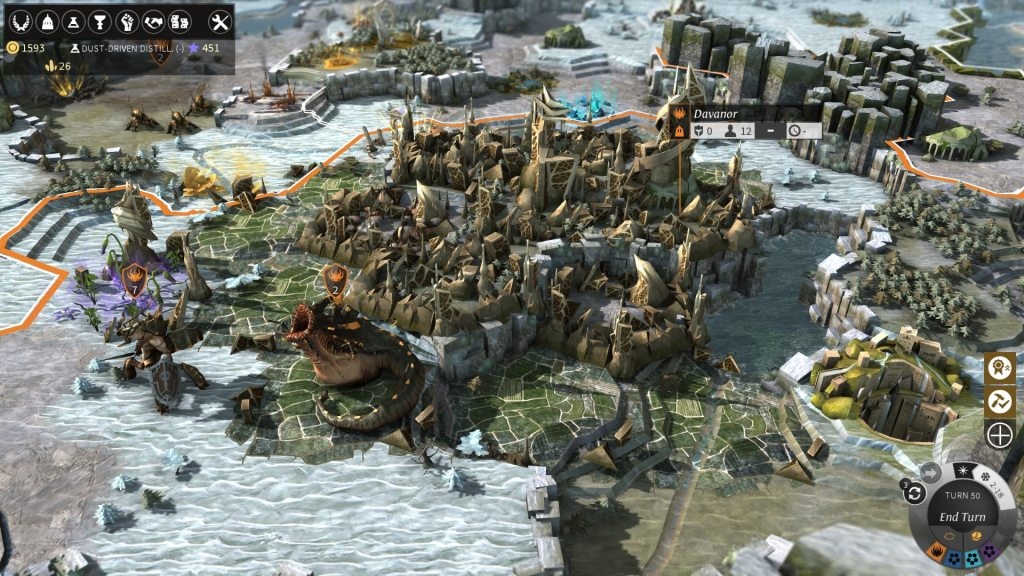
At its core, a 4X strategy game is a subgenre of strategy games in which players develop and manage an empire through its full lifecycle — from humble beginnings to total dominance. These games typically simulate economics, technology, diplomacy, and warfare simultaneously, which means you rarely win by focusing on just one. Multiple victory paths exist: military conquest, scientific supremacy, cultural influence, and diplomatic consensus. The genre rewards long-term thinking over quick reactions.
Unlike real-time strategy (RTS) games, where split-second decisions define the outcome of battles, most 4X titles are turn-based. You don’t react — you plan. Each city you place, each research choice you make, each war you start (or avoid) echoes through the rest of the game. That’s what separates 4X from almost every other strategy subgenre: the decisions you make in turn five still matter in turn one hundred and fifty.
The Origins of 4X — Where the Term Came From
The term was coined in 1993 by game journalist Alan Emrich in a preview for Master of Orion, published in Computer Gaming World. He used “XXXX” as a half-joking descriptor for a game that asked players to eXplore, eXpand, eXploit, and eXterminate. The label stuck.
The genre itself predates the name. Reach for the Stars (1983) is widely recognized as the first true 4X video game, and Sid Meier’s Civilization (1991) brought the formula to mainstream audiences. Civilization established the template — hex-based maps, city management, technology trees, multiple win conditions — that most 4X titles still build from today. As Wikipedia’s 4X entry notes, it “popularized the level of detail that later became a staple of the genre.” Every developer working in this space has had to contend with Civilization‘s shadow ever since.
Breaking Down the Four X’s
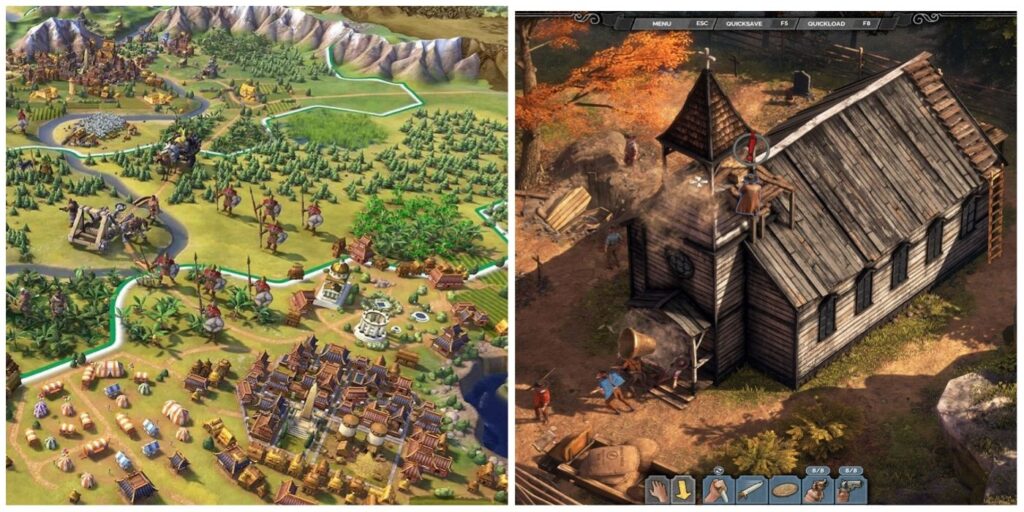
The four pillars aren’t isolated systems — they feed into each other constantly. Understanding each one individually is the first step to playing well.
eXplore — Charting the Unknown
Every 4X game starts behind a fog of war. The map is hidden, and your job is to send out scouts, settlers, or ships to reveal it. Exploration isn’t just about satisfying curiosity — it tells you where the best terrain is, where your rivals are, which chokepoints to contest, and what resources are worth fighting over. First contact with a neighbor in turn ten can define the entire mid-game arc.
eXpand — Claiming Your Territory
Once you’ve found promising land, you settle it. Expansion means establishing cities, colonies, or outposts that extend your borders and increase your productive base. Knowing when to expand aggressively and when to consolidate is one of the genre’s central tensions. Spread too thin early, and you’re vulnerable to raids; stay too small, and you’ll be economically outpaced before you know it.
eXploit — Turning Resources Into Power
Exploitation covers everything happening inside your empire: mining tiles, building districts, farming food, researching technologies, and managing trade routes. This is the management layer — the part that feels closest to a city-builder or economic sim. Good exploitation means your cities are efficient, your science is ticking up, and your treasury isn’t bleeding. Every improvement compounds, and small advantages in exploitation tend to snowball hard in the late game.
eXterminate — Dealing With the Competition
Not every rival will negotiate in good faith, and sometimes the most efficient path to victory runs straight through someone else’s capital. Extermination ranges from targeted wars of conquest to diplomatic pressure that squeezes a weaker faction out of relevance. Most modern 4X titles also offer non-violent paths to victory, but the threat of military force always shapes how diplomacy plays out. Pacifist runs are absolutely possible — just don’t forget to build walls.
How 4X Games Differ From Other Strategy Genres
Players sometimes conflate 4X games with grand strategy games or real-time strategy titles, but the differences are real. Grand strategy games like those from Paradox Interactive (Europa Universalis, Hearts of Iron) tend to be anchored in real-world history with extremely granular political and economic simulations. They emphasize emergent historical narrative over empire-building arcs. For a deeper look at where those two genres diverge — and overlap — the grand strategy guides on this site break it down in detail.
RTS games, on the other hand, strip out most of the empire-management depth in favor of fast tactical combat. A 4X game cares deeply about what happens between battles. An RTS focuses almost entirely on the battles themselves.
4X games sit in a middle ground that many players find uniquely compelling: enough complexity to reward mastery, enough structure to give every session a clear shape.
The Best 4X Games to Start With
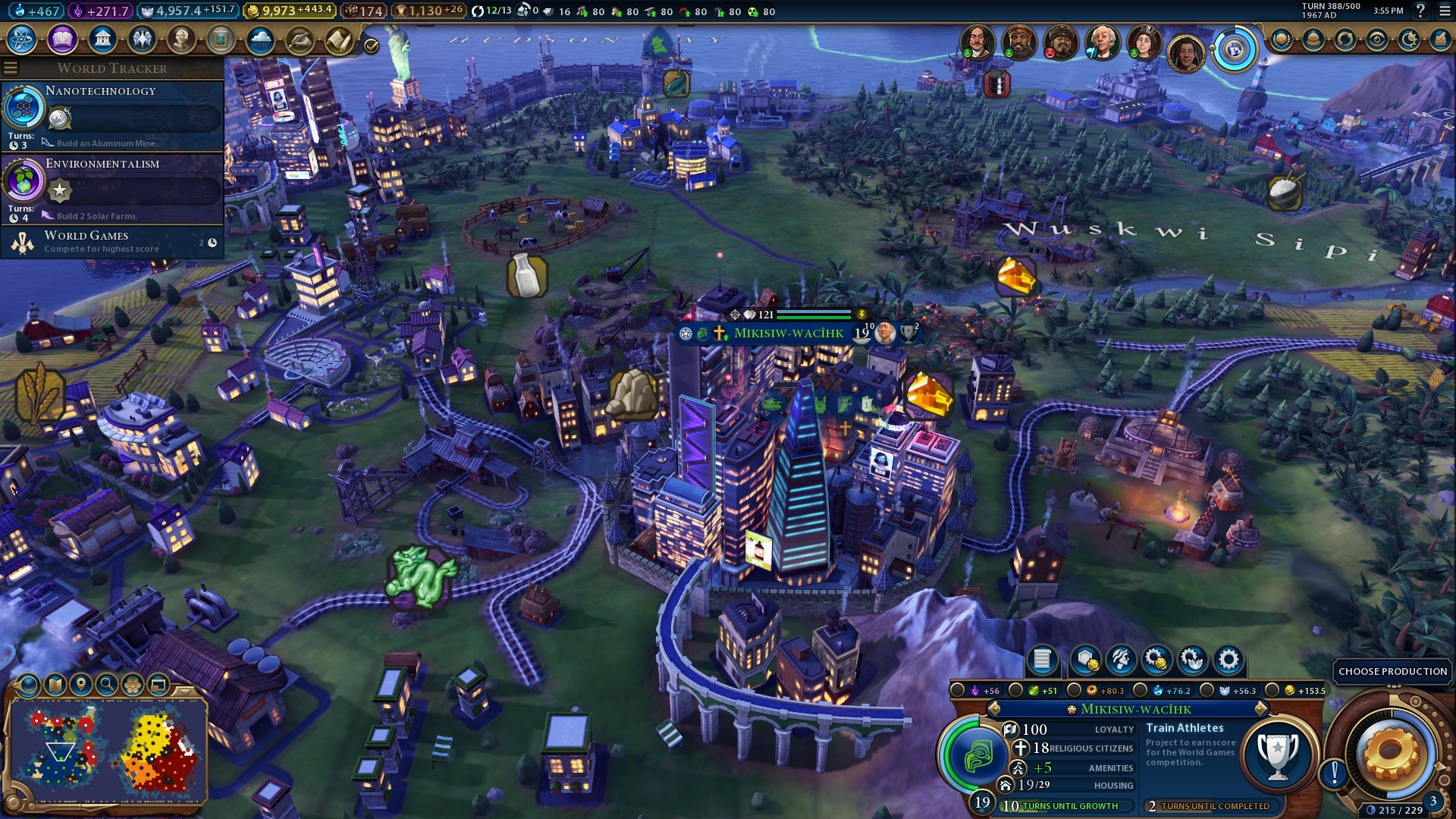
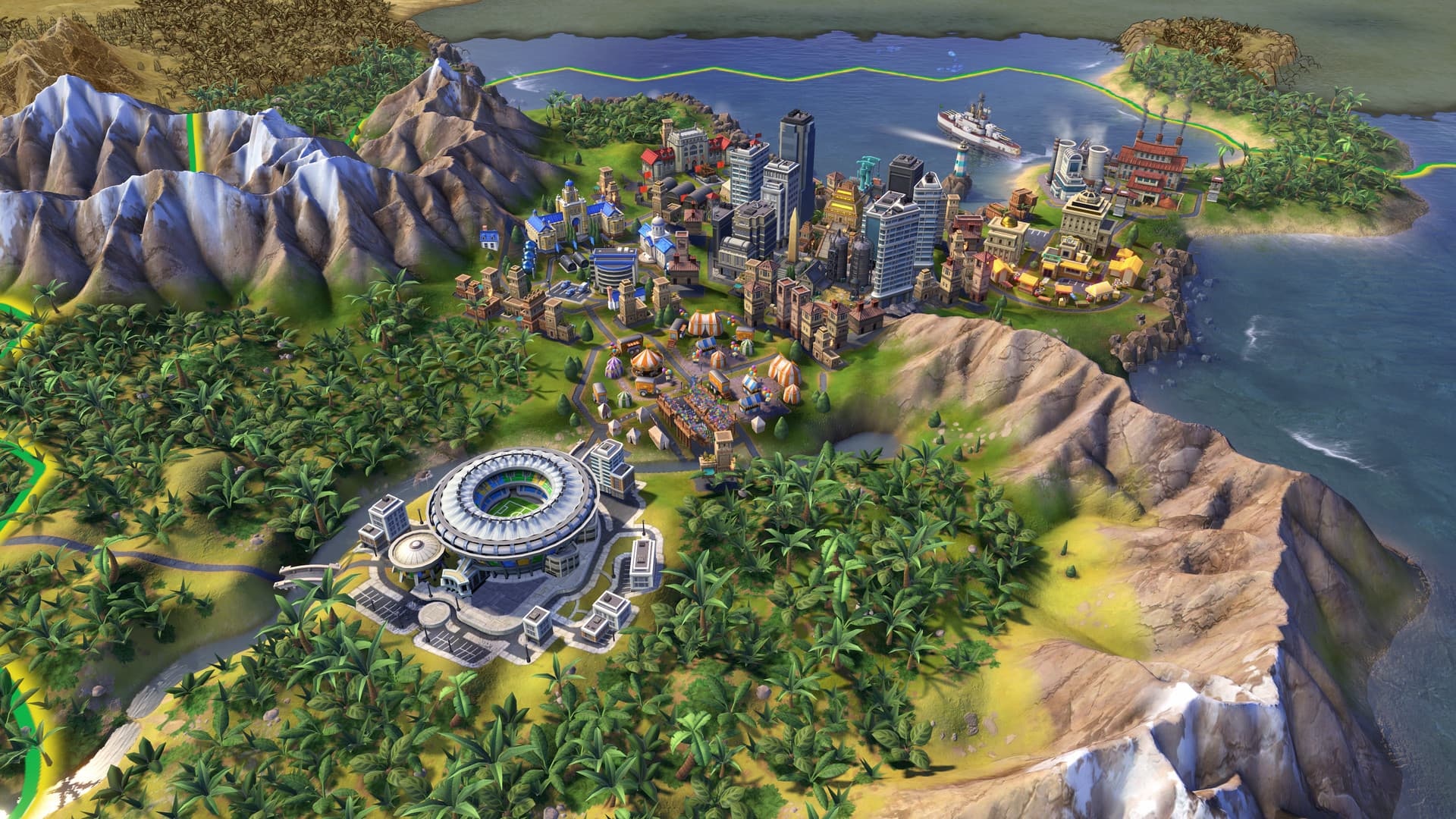
If you’re new to the genre, a few titles stand out as the right entry points. Sid Meier’s Civilization VI remains the most accessible 4X game available — its tutorials are clear, its visual language is readable, and it’s widely available on Steam. It’s also the benchmark that almost every other 4X game gets measured against, so understanding Civ gives you vocabulary that transfers across the genre.
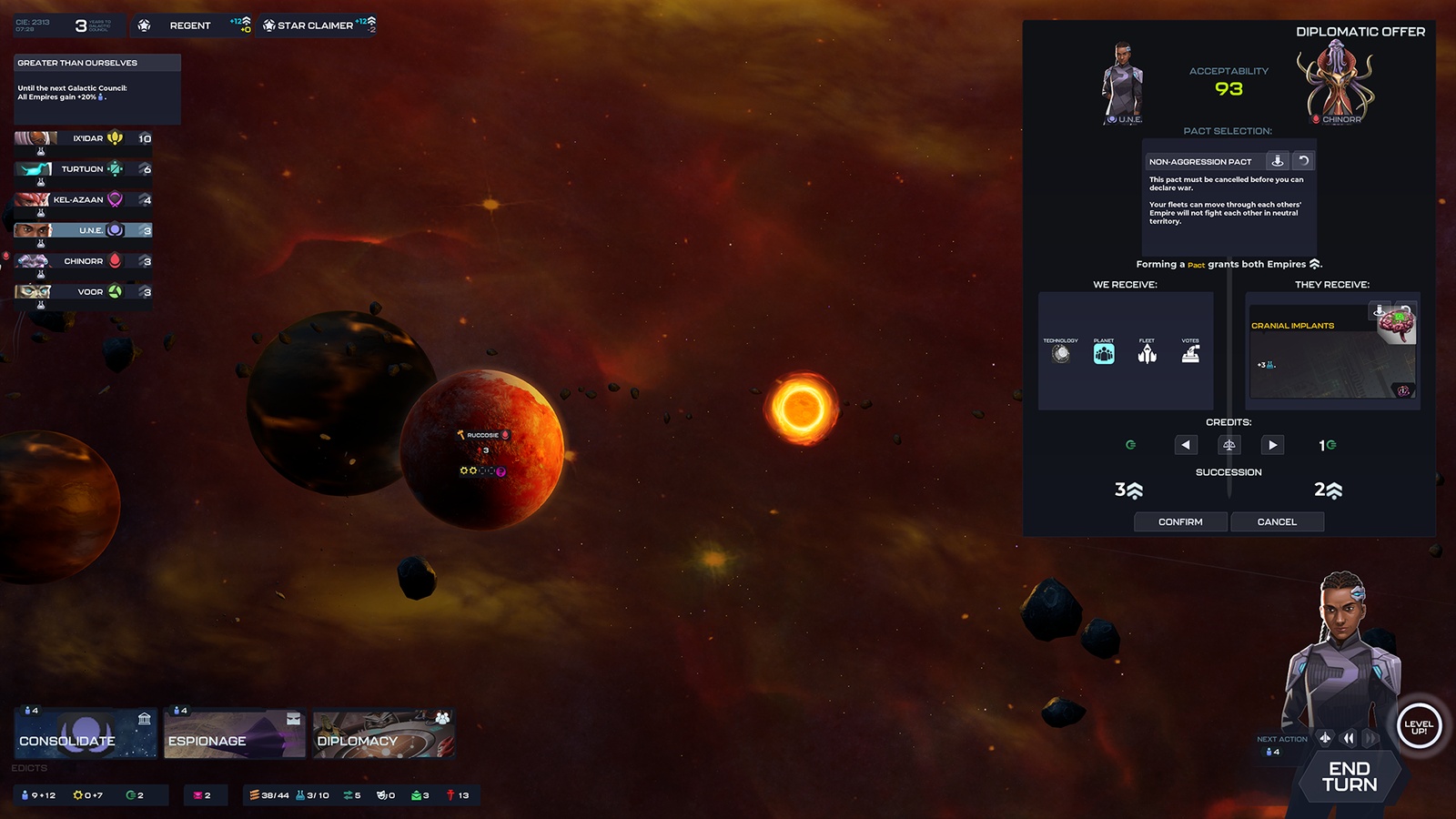
For players drawn to space settings, Stellaris blends 4X mechanics with Paradox’s signature complexity. It’s a step up in systems and learning curve, but enormously rewarding once everything clicks. Endless Legend is another strong option — a fantasy-world 4X with gorgeous art and deeply differentiated factions that genuinely play differently from one another.


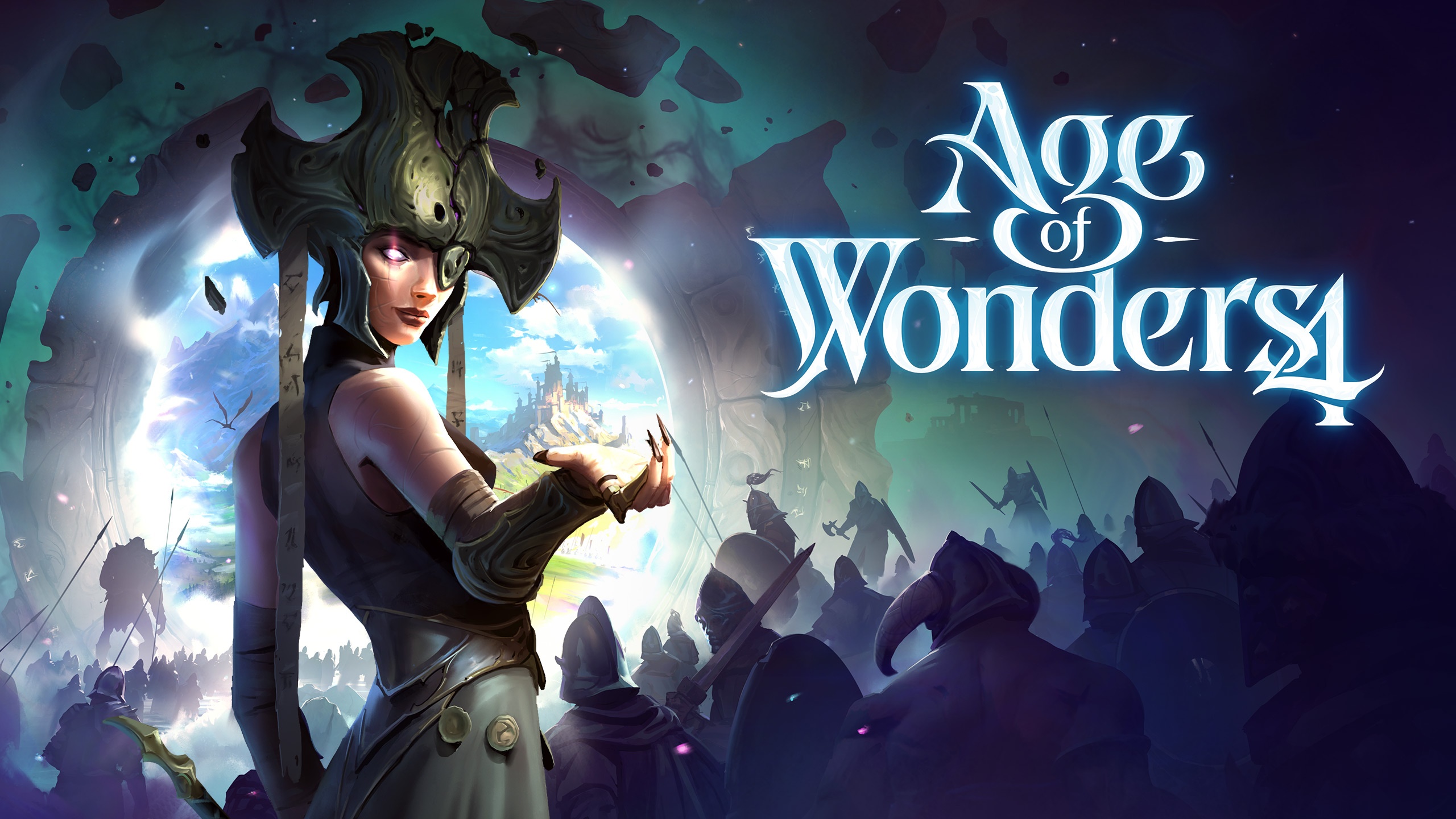
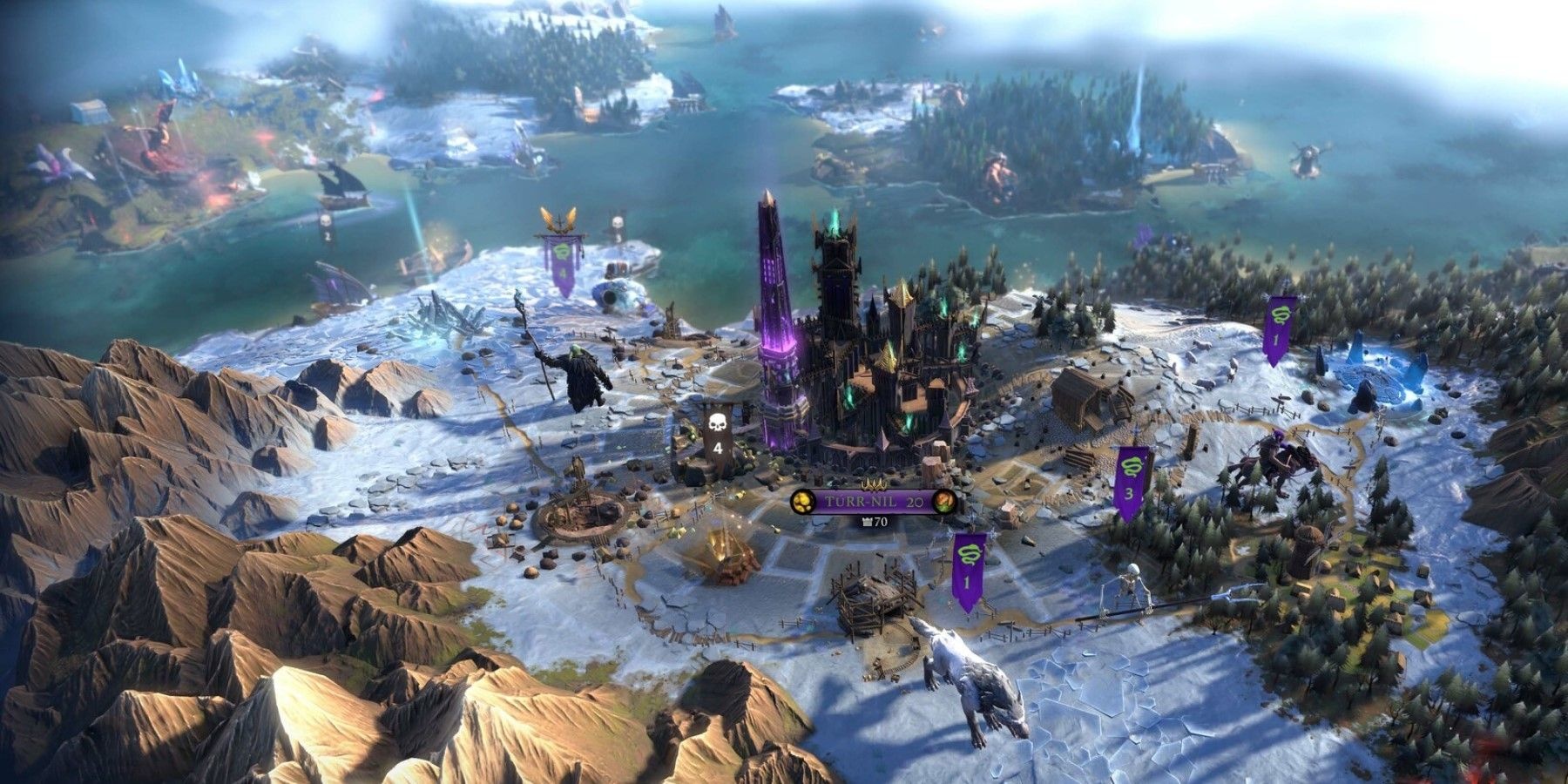
Age of Wonders 4 is worth mentioning for players who want a fantasy 4X with more tactical combat depth in the battles themselves. And for anyone chasing the genre’s roots, Master of Orion (the 2016 remake) is a clean, approachable take on classic space empire building.
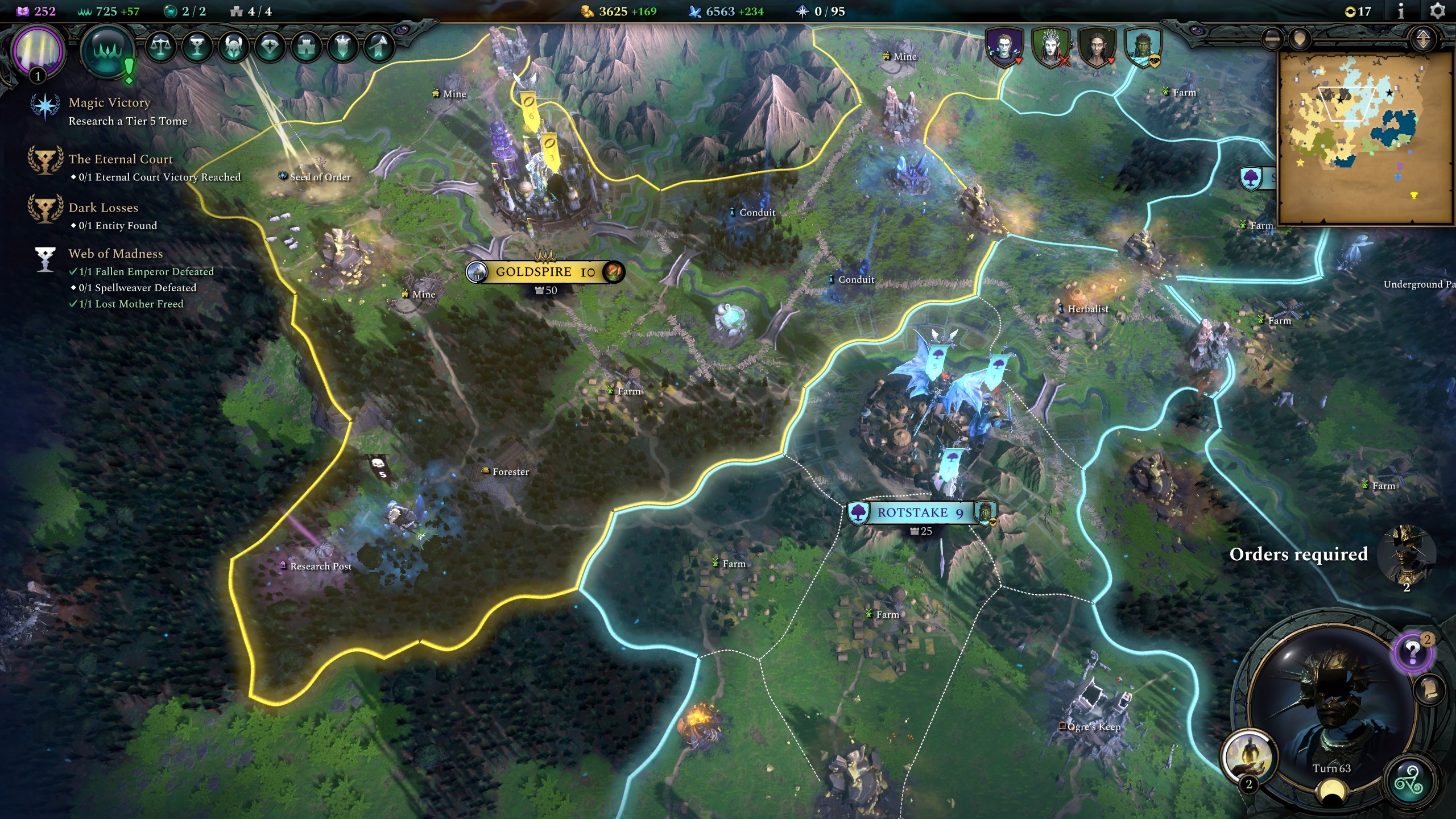
PC Gamer’s breakdown of the best 4X games is a solid external reference if you want a broader list with deeper comparisons. For game reviews and rankings tailored to the strategy gaming community, this site covers the genre’s best titles across settings and difficulty levels.
What Makes 4X Games So Hard to Put Down
There’s a reason the genre gave rise to the phrase “one more turn.” Every time you’re about to stop, something is just a few turns away — a technology breakthrough, a city finishing its wonder, a war tipping in your favor. 4X games are engineered to give you short-term goals nested inside long-term arcs, which means there’s always a justifiable reason to keep going.
They also reward mastery in a way that feels genuinely earned. A player who understands the economic levers in Civilization VI plays a completely different game from a beginner. Closing the gap between “I’m confused and losing” and “I’m running diplomatic circles around the AI” takes time — but every step of that progression is satisfying.
If you’re ready to go deeper into this genre, the 4X game guides at strategygame.org cover specific mechanics, faction comparisons, and beginner strategies that’ll save you from the expensive early-game mistakes most new players repeat a few times before things start making sense.
